Is it okay to start at this age?
Hello. This is Smile D, a dental clinic at Sinsa Station.
There are quite a few middle-aged people who are reconsidering improving tooth alignment after putting it off for a long time.
Gaps between the front teeth or misalignment that did not seem particularly noticeable in the past may suddenly catch your eye at some point and lead to regret about the way you smile.
The first concern that comes to mind at this point is age.
However, it is difficult to determine whether treatment is possible based on a specific number alone.
This is because the current oral environment, the gums and supporting tissues, and the presence or absence of existing prosthetic restorations must all be evaluated comprehensively.
In other words, being in your 40s or 50s does not automatically mean it is too late.
Conversely, being younger does not mean that the same treatment plan can be applied to everyone.
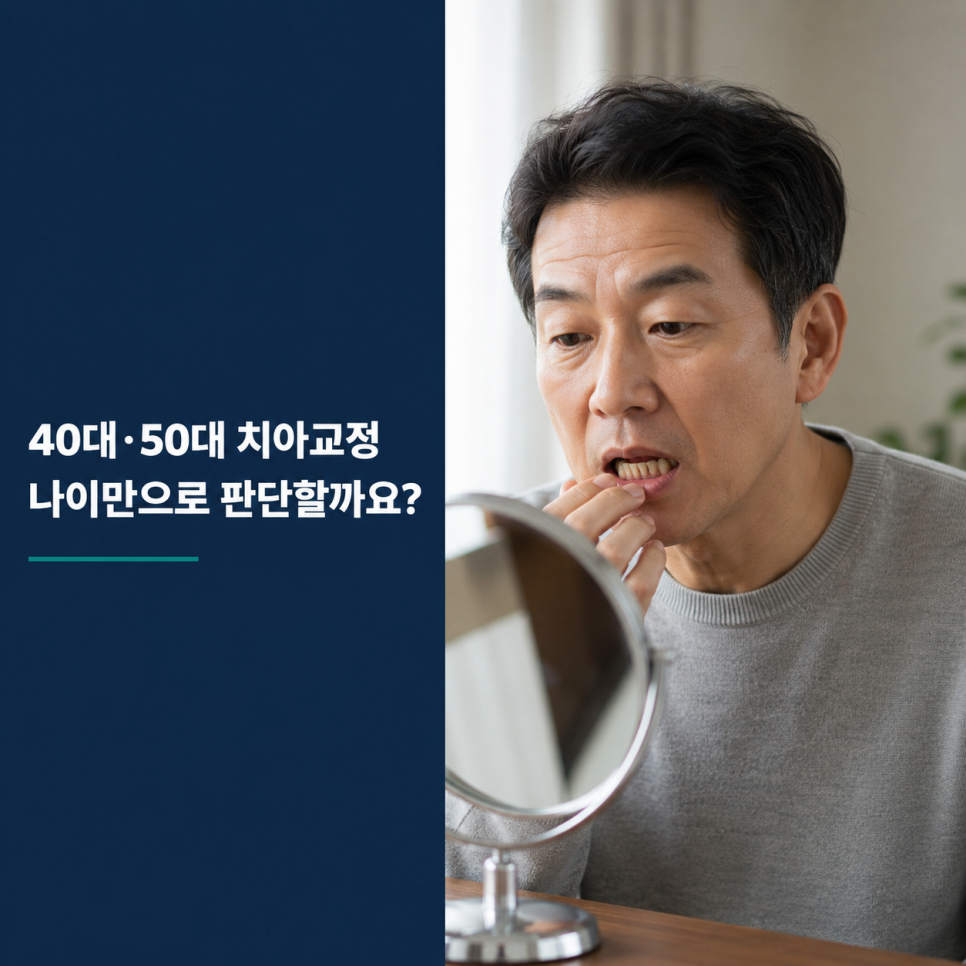
Current conditions should be checked before age
Rather than simply looking for the answer to the question, “Up to what age is orthodontic treatment possible?”,
it is helpful to look at what should be checked before starting treatment.
To change the visible alignment of the teeth,
it is necessary to confirm whether the foundation supporting them is stable.
This is similar to checking the ground before the exterior when building a house.
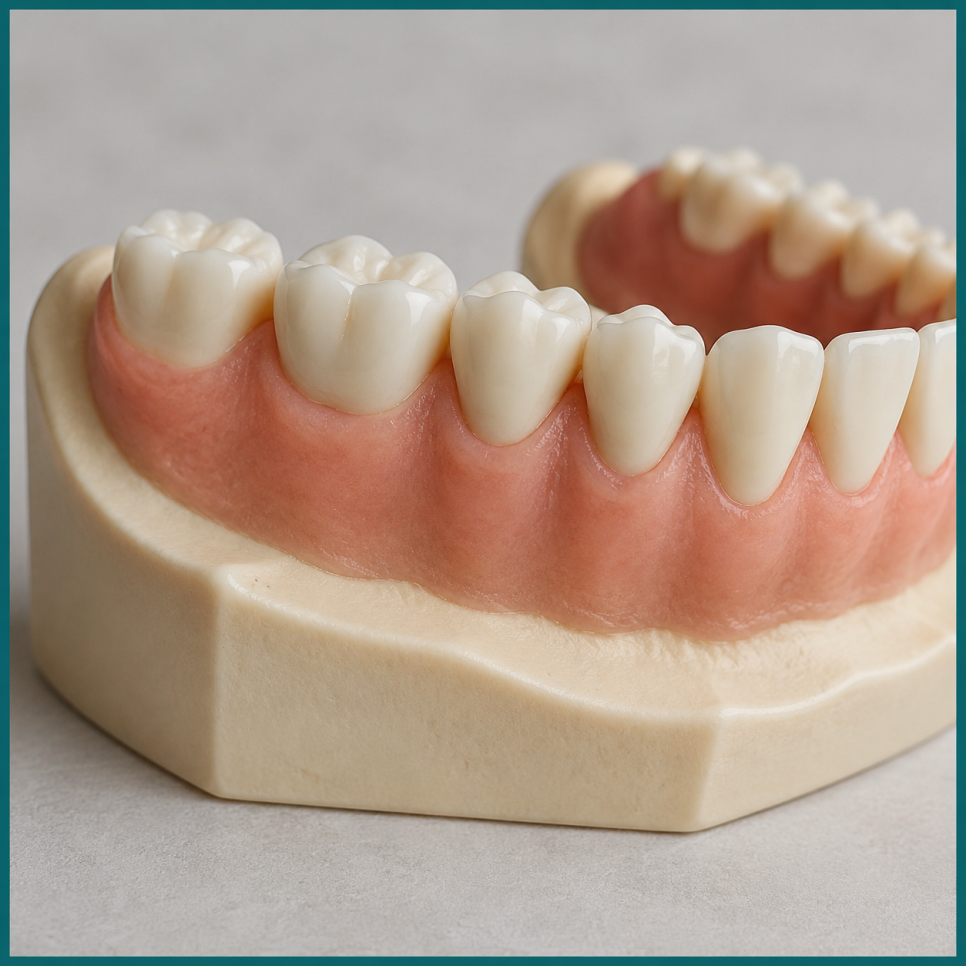
The height and shape of the bone surrounding the roots can be examined first.
If you have had gum disease in the past or experienced bleeding or tooth mobility,
more detailed evaluation is needed.
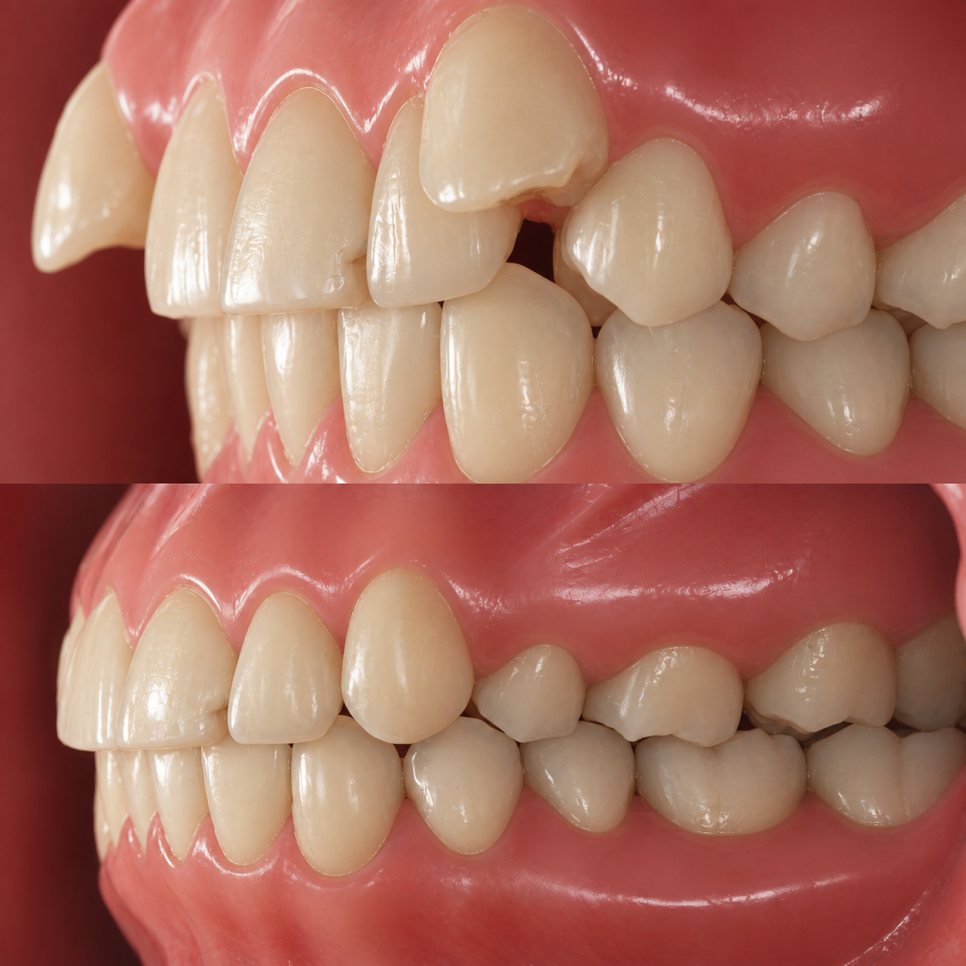
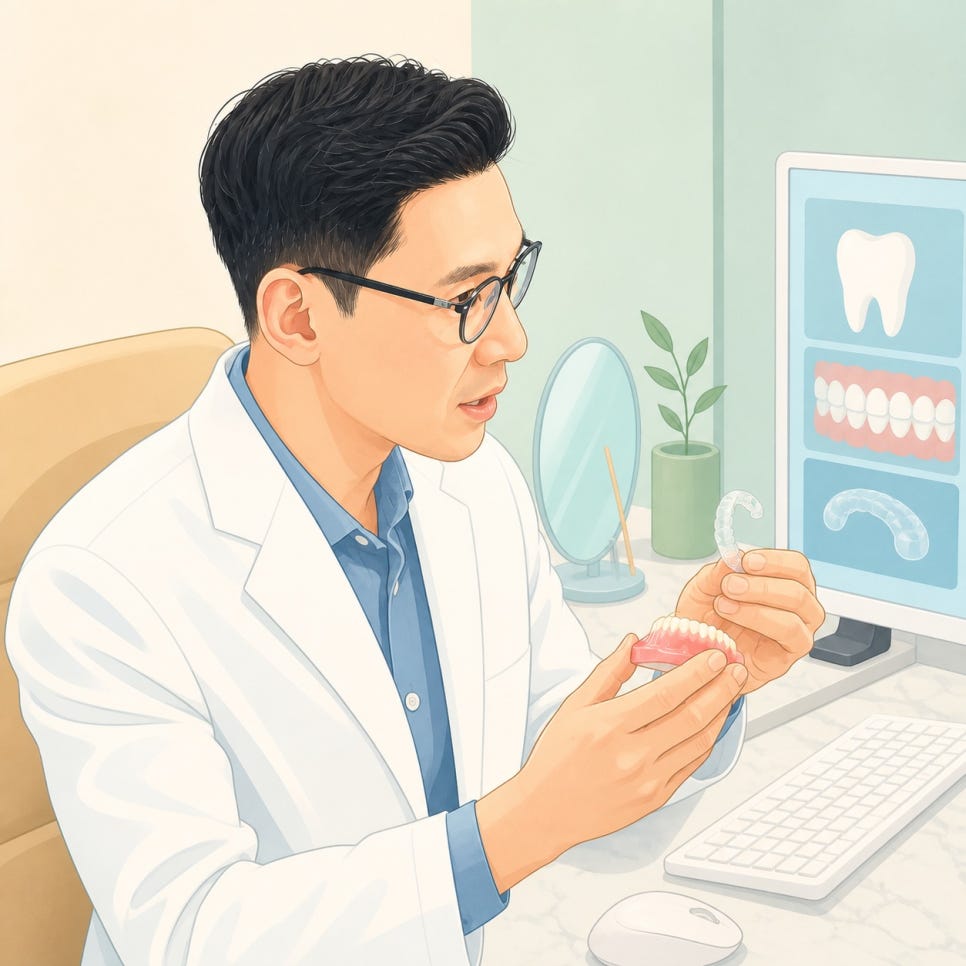
This image is presented for illustrative purposes.
The presence of inflammation is also an important consideration.
If active inflammation remains,
it may be necessary to stabilize the affected area first rather than applying orthodontic appliances immediately.
Existing prosthetic restorations must also be taken into account.
Implants and bridges differ from structures that naturally change position,
so the surrounding space and adjacent areas must also be considered.
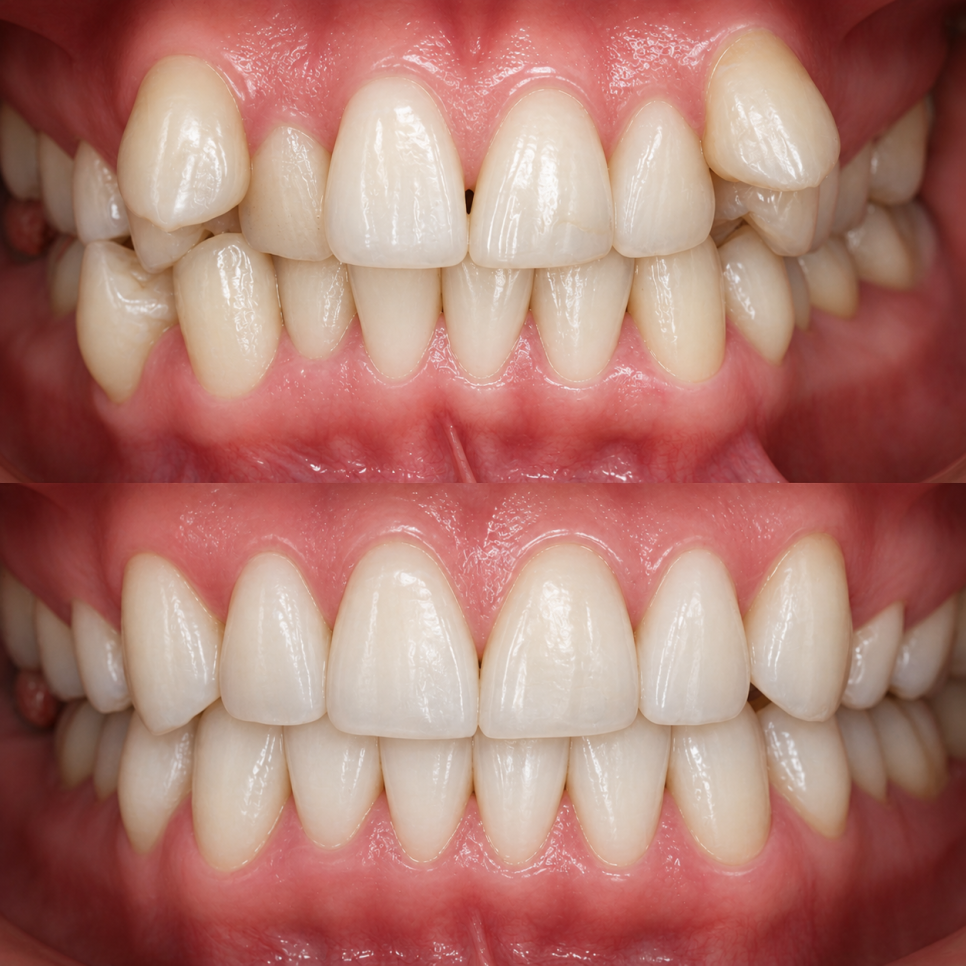
This image is presented for illustrative purposes.
Decision criteria needed for middle-aged patients
During a consultation at a Sinsa Station dental clinic,
we do not look only at appearance.
There may be various situations, such as gaps between the front teeth,
misalignment in a specific area,
or changes in the surrounding space after losing a molar.
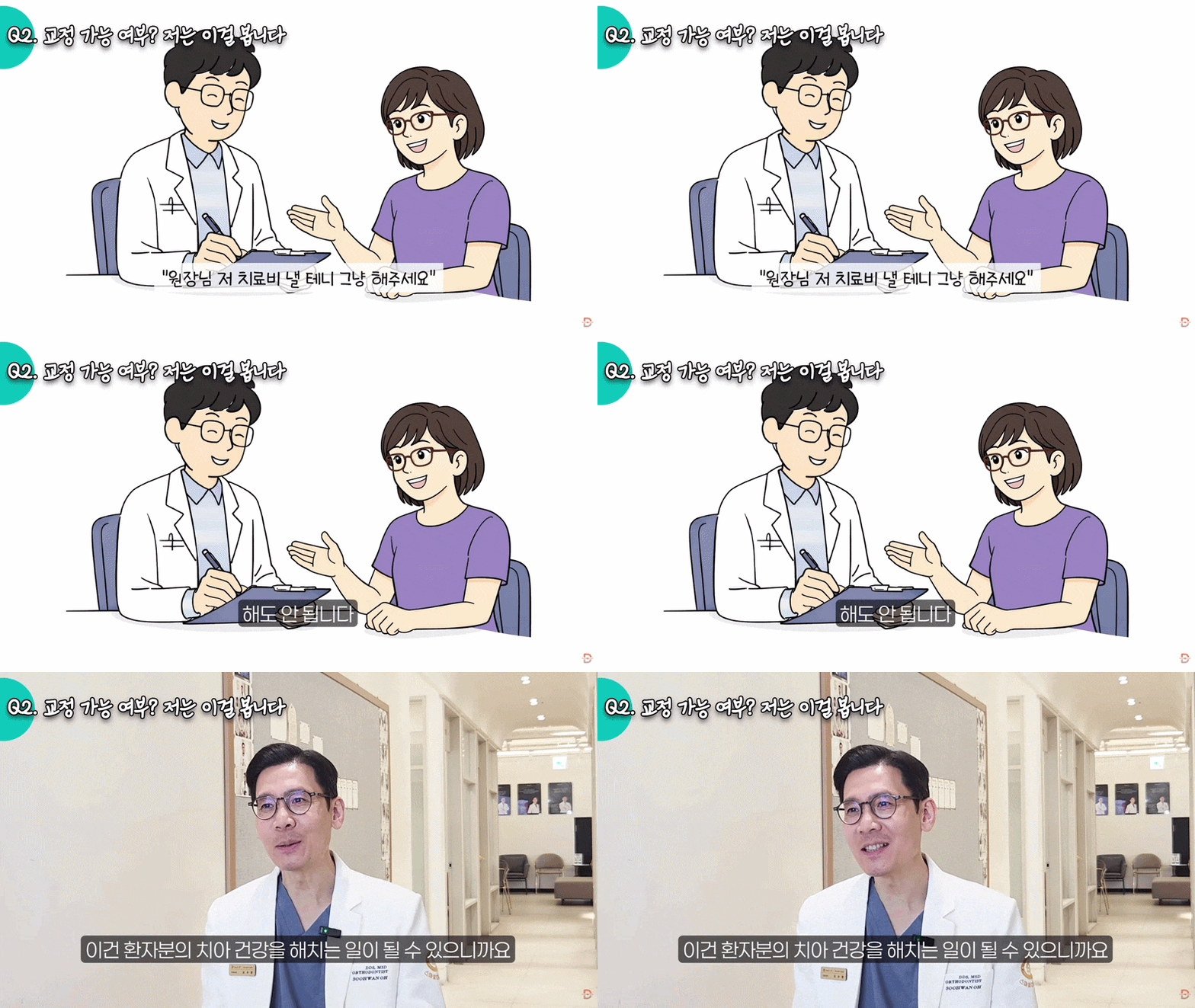
If an implant or bridge is planned in the future,
we may consider arranging the teeth to create the necessary space.
Therefore, the purpose of treatment also differs from person to person.

Some people want to improve the areas visible when they smile,
while others want to reduce discomfort when chewing.
Creating space for a subsequent prosthetic treatment plan may also be the goal.
However, if the gums are severely damaged or the teeth are significantly mobile,
the underlying problem must be assessed first.
If systemic factors that may affect recovery are present,
such as a situation in which blood sugar is not well controlled,
this should also be taken into consideration.
It is difficult to reach a uniform conclusion based solely on a specific disease or past medical history.
Based on the examination results, the possible scope and sequence of treatment,
as well as the need for prior management, can be determined.
< Location >
< More >
A manageable course is more important than the duration
You may also have questions about the treatment period when looking for a Sinsa Station dental clinic.
If the range of movement required is small,
some cases can be completed within a relatively short period.
On the other hand, if the extent of change is large
or several areas need to be adjusted together,
more time may be required.
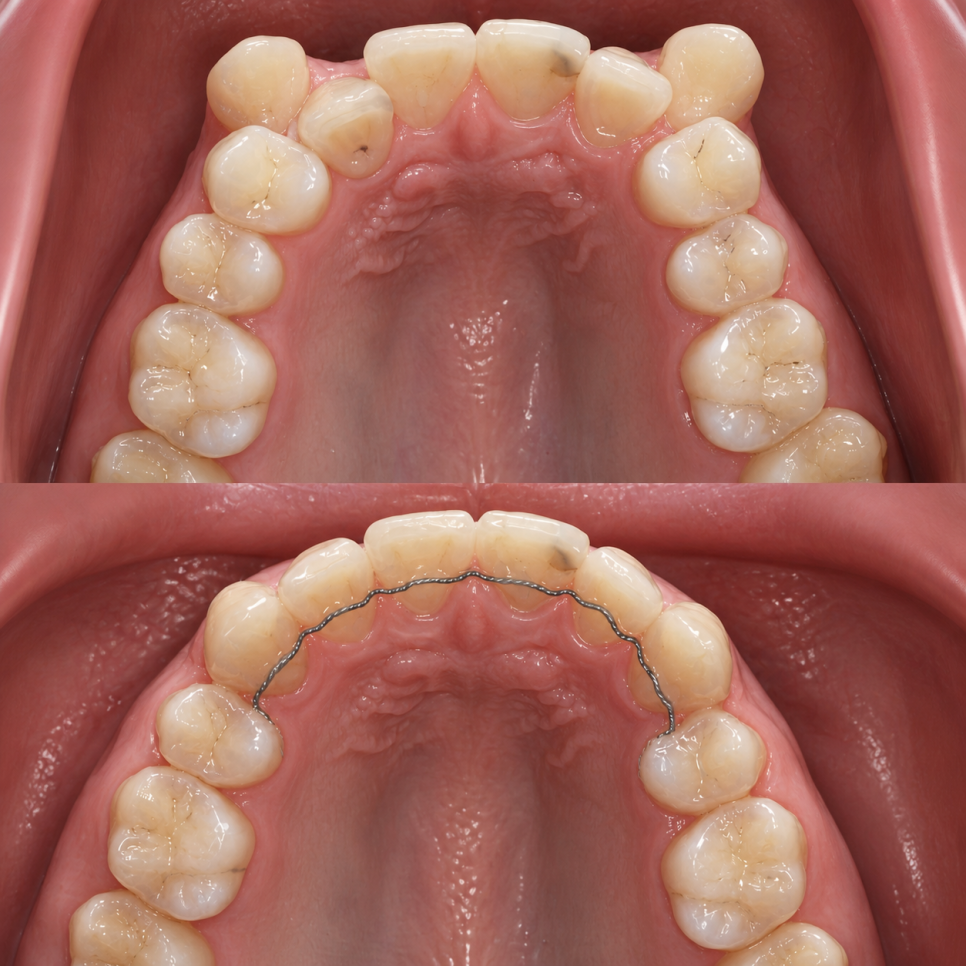
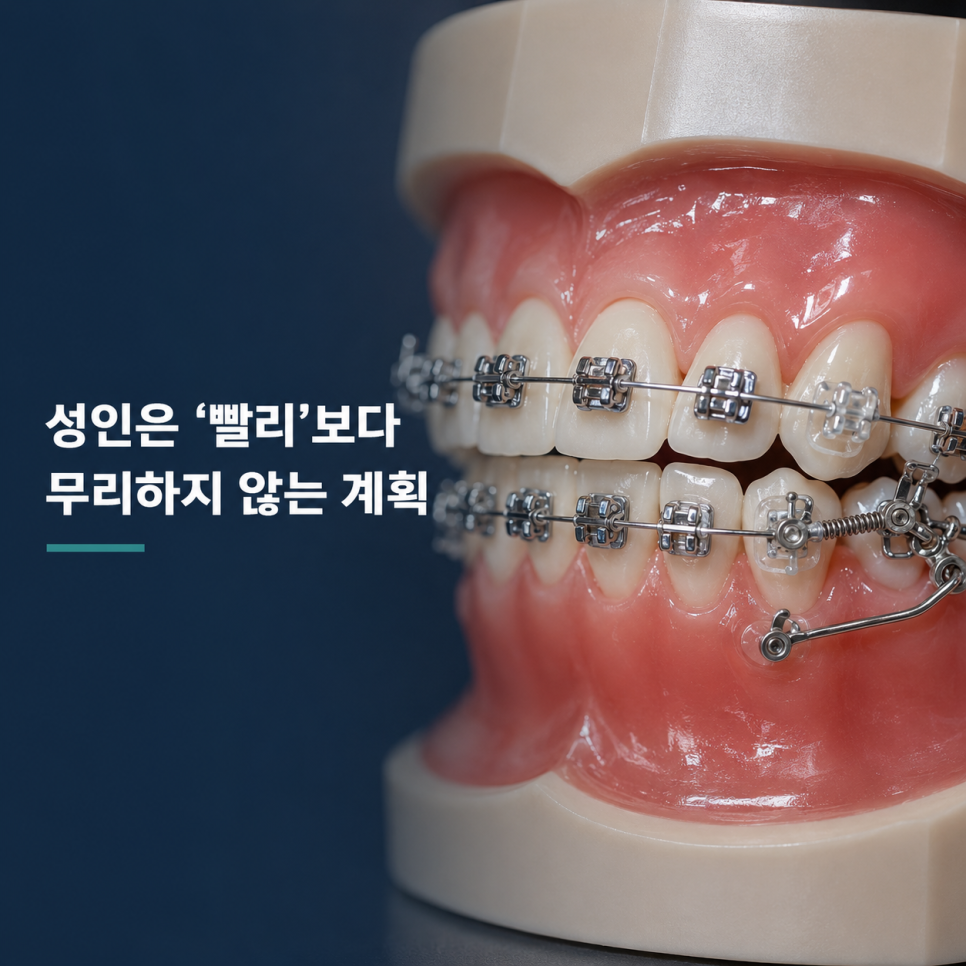
This image is presented for illustrative purposes.
Especially after middle age,
rather than focusing only on rapid results,
the range that the current foundation can safely accommodate should be considered.
It is important to establish a stable plan rather than prioritize speed
and to monitor changes at each stage.
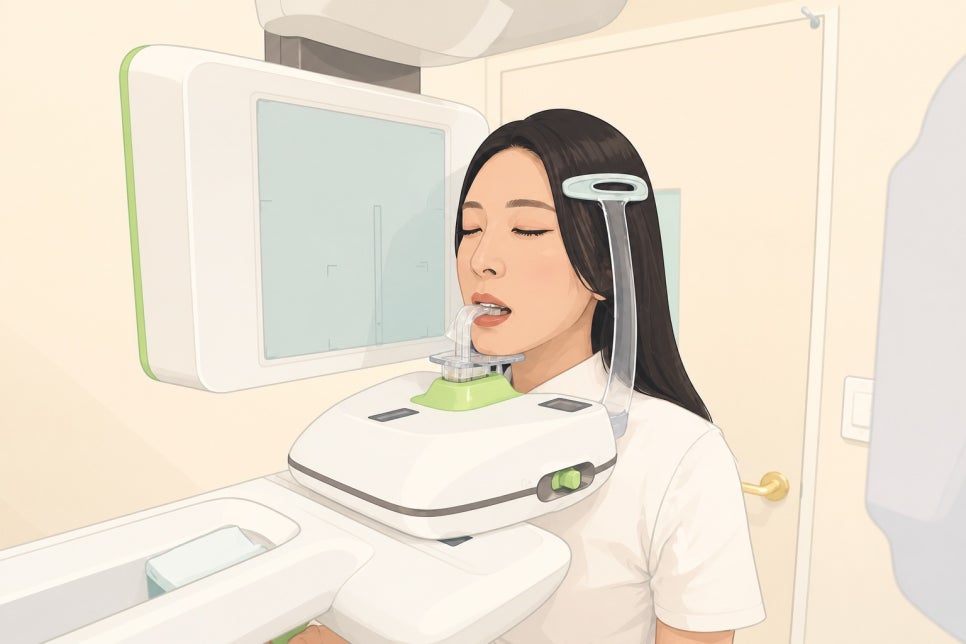
Smile D also provides orthodontic treatment for adults.
Rather than determining eligibility based on age alone,
we focus on assessing each individual's conditions
and explaining the necessary examinations and expected treatment direction.
Before your consultation, it may be helpful to organize information about any discomfort you usually experience,
your past treatment history, and whether you have existing prosthetic restorations.
Sharing not only the appearance you want but also the discomfort you currently experience
can help you consider more realistic options.

Is it too late now?
If you are searching for a Sinsa Station dental clinic
and checking age limits first,
we hope you will not reach a conclusion based on a single number.
Being in your 40s does not necessarily mean it is too late,
and being in your 50s does not automatically mean treatment is impossible.
What matters is the current oral environment,
the condition of the supporting tissues, the stability of the gums,
the position of existing structures, and the changes you want to achieve.
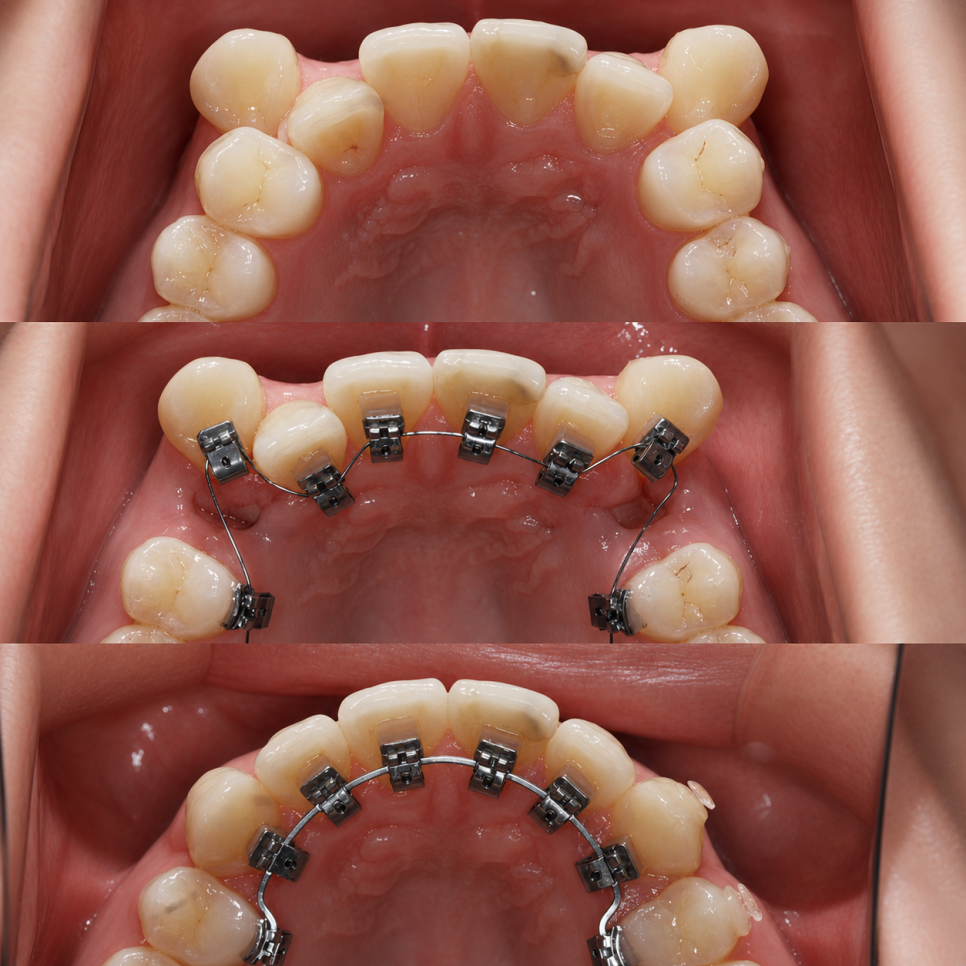
This image is presented for illustrative purposes.
When choosing a Sinsa Station dental clinic,
rather than simply checking the age at which treatment is possible,
it is better to look into what will be examined
and how the treatment plan will be established.
There is no need to give up on making a choice now
because you regret not having treatment when you were younger.
However, there is also no reason to rush into a decision
based solely on other people's cases.
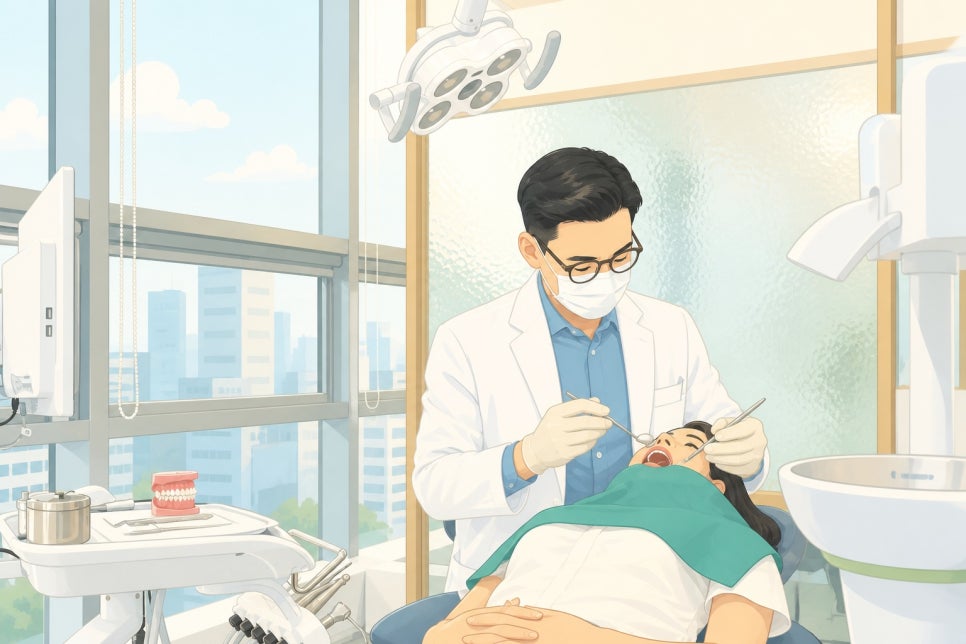
After accurately assessing your current condition,
compare it with the result you want,
listen carefully to the possible scope and points requiring caution,
and then make your decision.
Ultimately, age is only one of several factors to consider.
The priority is to establish a realistic plan based on your individual conditions,
ask sufficient questions during the consultation,
and make a careful choice.

※ This post is informational content prepared in compliance with Article 56, Article 57, and other applicable provisions of the Medical Service Act.
It was written to provide general medical information that is exempt from medical advertising review,
and does not guarantee the effects of any specific procedure
or replace a medical diagnosis.
The images and materials used in this post are examples intended to aid understanding,
and an actual diagnosis is determined through consultation and examination by medical professionals.
Methods, prognosis, and effects may vary depending on each individual's health status and the characteristics of their condition,
and there is also a possibility that side effects may occur.