Hello,
I’m Yeo Sang-ho, the director of the dental clinic near Magok Station.
Today, I’d like to explain sinus lifting, one of the methods used during implant procedures to improve the bone fixation strength of the fixture.
Before I explain this, I’ll first describe where the procedure is performed.
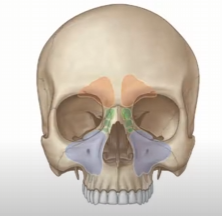
Between the cheekbones and the maxilla in our face, there is an empty space inside.
This is called the maxillary sinus (the blue area, maxillary sinus).
This space is mainly located near the molars, and as we age, it tends to expand, causing the surrounding bone to gradually become thinner.
Because of these changes, when placing an implant after losing a molar,
if the existing bone height is insufficient and stable fixture placement is difficult,
sinus lifting is performed to secure the necessary bone height.
After accurately evaluating each person’s remaining bone height through X-rays and 3D-CT scans,
all medical institutions, including the dental clinic near Magok Station, choose one of two methods depending on the condition of the residual bone.
In general, when the remaining bone height is sufficient at around 5–6 mm, the crestal approach is used.
When it has decreased to 4 mm or less, or when a larger amount of bone grafting is needed, the lateral approach is used.
The method also varies depending on the number of fixtures to be placed.
For 1–2 fixtures, the crestal approach is mainly used, and when there are 3–4 or more, the lateral approach is mainly used.
First, I’ll explain the crestal approach.
Crestal Approach
This method uses the existing extraction site and special instruments (such as an osteotome or hydraulic technique) to gradually lift the maxillary sinus membrane.
Some vibration or sound may occur during the procedure, but side effects are relatively few, and it is suitable when large-scale bone grafting is not required.
At the dental clinic near Magok Station, I’ll briefly explain the steps.
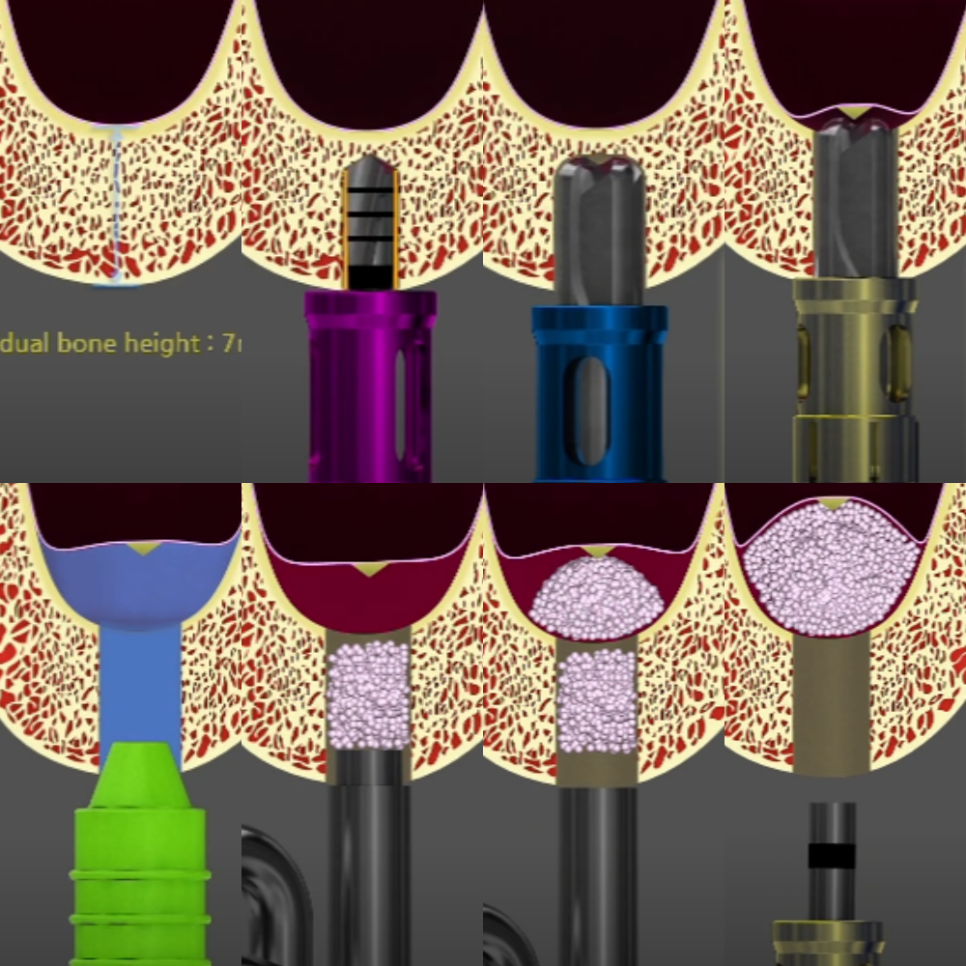
-
A pathway is created in the maxilla using a drill.
-
The membrane is lifted using special instruments.
-
If needed, bone grafting is additionally performed.
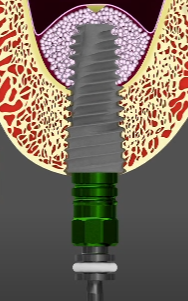
- Finally, the implant is placed.
Next, I’ll explain the lateral approach at the dental clinic near Magok Station.
Lateral Approach
After creating a window in the gingiva, this method lifts the membrane while directly observing it and performs bone grafting at the same time.
This approach is suitable for complex bone grafting because it provides a clear field of view,
but the procedure is more difficult, and the recovery period and risk of side effects may increase somewhat.
To briefly introduce the process, it is as follows.
The process explained by the dental clinic near Magok Station
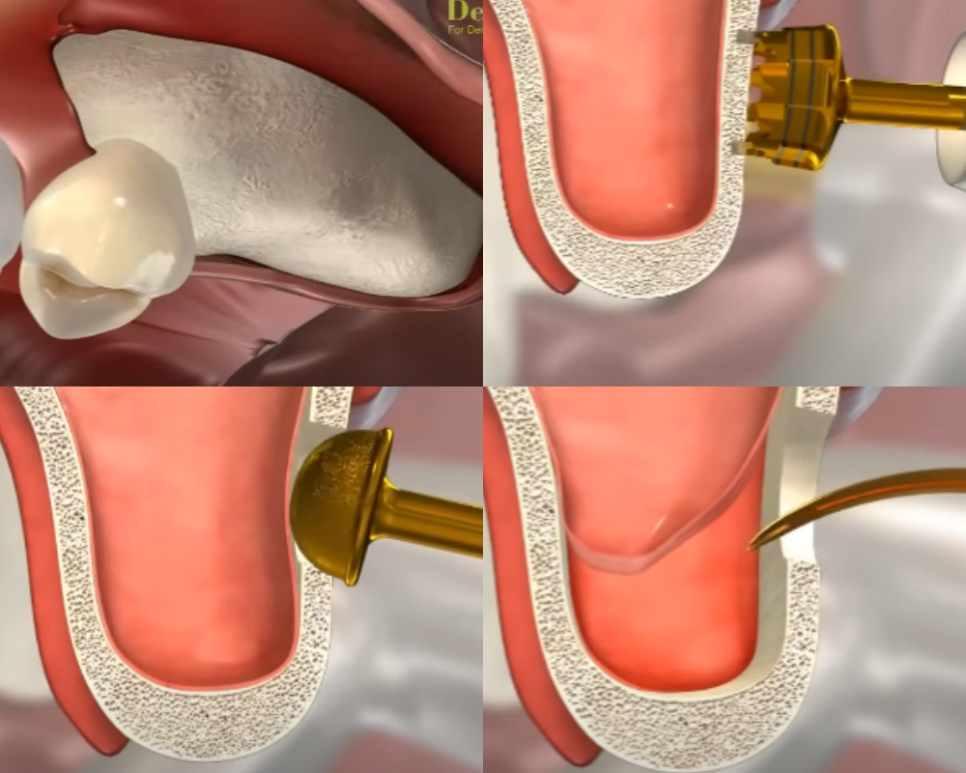
-
An opening is made by incising the side of the gingiva.
-
Through the opened window, the maxillary sinus membrane is directly checked and lifted while bone grafting is performed.
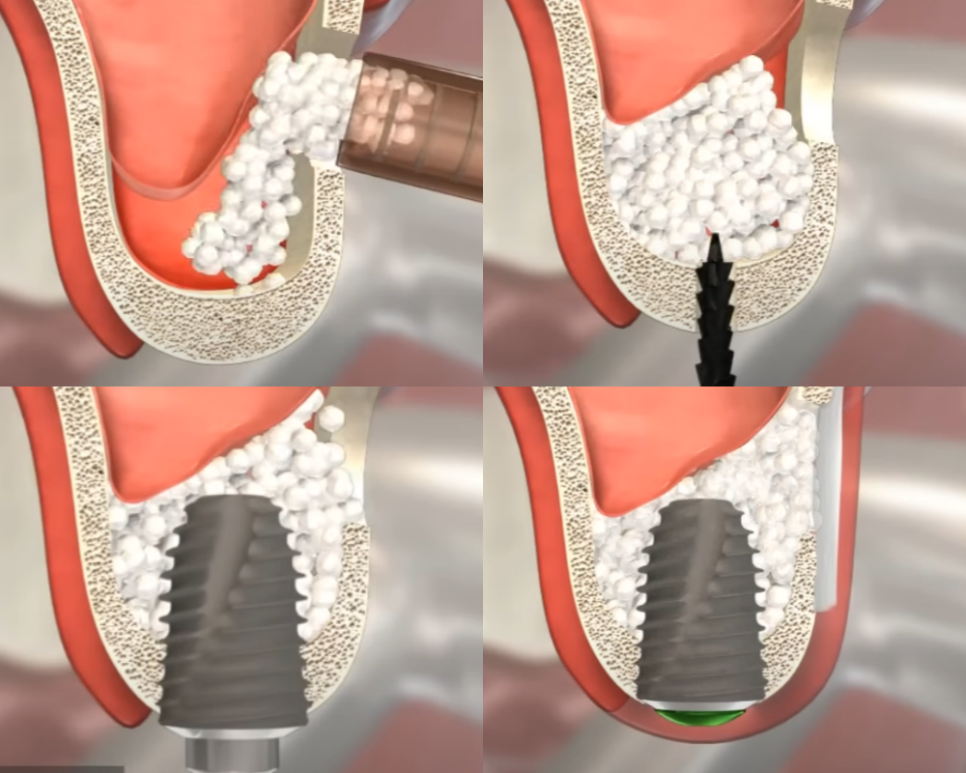
- Depending on the individual oral condition, the implant is placed immediately, or the fixture is placed after waiting until there is sufficient bonding with the bone.
Implant procedures often take about 6 months in total, including a 3-month healing period after extraction and a 3-month healing period after surgery.
I hope the two sinus lifting methods explained today will be helpful to those who need medical information about implant procedures.
This has been Yeo Sang-ho, director of the dental clinic near Magok Station.
Thank you for reading this long post.