Hello,
This is Director Yeo Sang-ho of Songjeong Station Dental Clinic.
Today, I would like to explain the types of teeth whitening and the process involved.
First, there are many reasons why teeth become discolored.
One common cause is when pigments are present in foods such as tea, coffee, and wine.
These pigments can accumulate on the surface and, over time, make teeth appear yellow.
Smoking is also one of the factors, as nicotine and tar build up on natural teeth and change the tooth surface color.
In addition, teeth may naturally darken with age, and they can become discolored for various other reasons such as trauma or after root canal treatment.
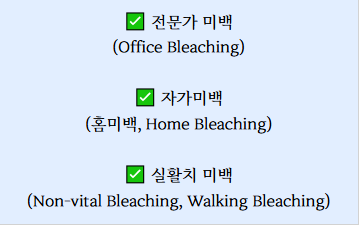
If such a problem occurs, there are several ways to address it, which can be broadly divided as follows.
Today at Songjeong Station Dental Clinic, we will introduce related information.
- Office Bleaching (professional teeth whitening)
This is a teeth whitening treatment performed under the supervision of professional equipment and medical staff.
At a dental care institution,
it is performed directly by a dentist or hygienist, ensuring safety and effectiveness.
It mainly focuses on improving the overall brightness of natural teeth,
and there may be limitations in cases of internal discoloration.
Recently, for busy patients,
a one-day method carried out 2 to 3 times in a single day is also being used.
Office Bleaching process:
As hydrogen peroxide decomposes,
the reactive oxygen species (ROS) generated work by breaking down the discoloring substances inside natural teeth.
The higher the concentration, the more noticeable the effect, but the possibility of side effects increases;
lower concentrations are safer, but the effect is limited, so an appropriate balance is needed.
At Songjeong Station Dental Clinic, a 15% hydrogen peroxide solution is generally used.
- home whitening
This is a teeth whitening method that can be done at home without direct treatment by medical staff such as those at Songjeong Station Dental Clinic.
The principle is similar to Office Bleaching, but because the concentration of the medication used is lower, the effect may be somewhat limited.
There is a risk of chemical irritation to the gums,
sensitivity of natural teeth, and corrosion, so guidance from medical staff at a healthcare institution is essential.
home whitening process:
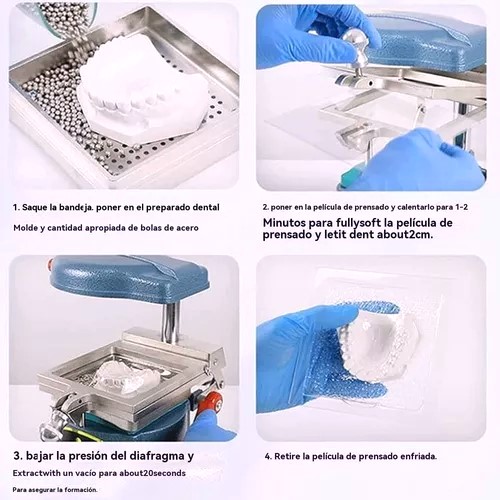
A whitening agent is applied using a custom tray made to fit the shape of the natural teeth.
If an over-the-counter tray is used,
it may not fit the mouth properly and medication may leak out, so caution is needed.
Usually, this method is additionally recommended to help maintain the effect after Office Bleaching.
- Walking Bleaching
At Songjeong Station Dental Clinic,
this is explained as a teeth whitening method performed when the vitality of a natural tooth has been lost due to root canal treatment or similar procedures.
It may be used when tiny remaining pulp debris or materials left after pulp treatment remain,
or when discoloration caused by resin-based sealers or, in rare cases, metal materials has occurred in the past,
and factors such as blood pigment deposition due to trauma may also play a role.
Walking Bleaching process
After accessing the inside of the natural tooth and removing the problematic area,
a GI base is applied toward the root to protect the interior.
After that, the whitening agent is filled in and sealed with a temporary restoration.
If the temporary restoration is not done properly,
reactive oxygen may leak to the outside,
so it is important to ensure a secure seal using Caviton or light-cured GI.
After repeating this process 2 to 5 times,
the restoration is finally completed with resin.
Each method should be selected appropriately depending on the situation,
and the treatment effect may also vary depending on the cause and condition of the discoloration.
For safe treatment at all times,
we recommend consulting a specialist.
This was Director Yeo Sang-ho of Songjeong Station Dental Clinic.
Thank you for reading this long post.