Hello.
I am dentist Yeo Sang-ho from Balsan Dental Clinic.
Many people consider tooth whitening
and wonder,
"Will it really be effective?"
In fact, tooth discoloration
affects the teeth for more complex reasons than many people think.
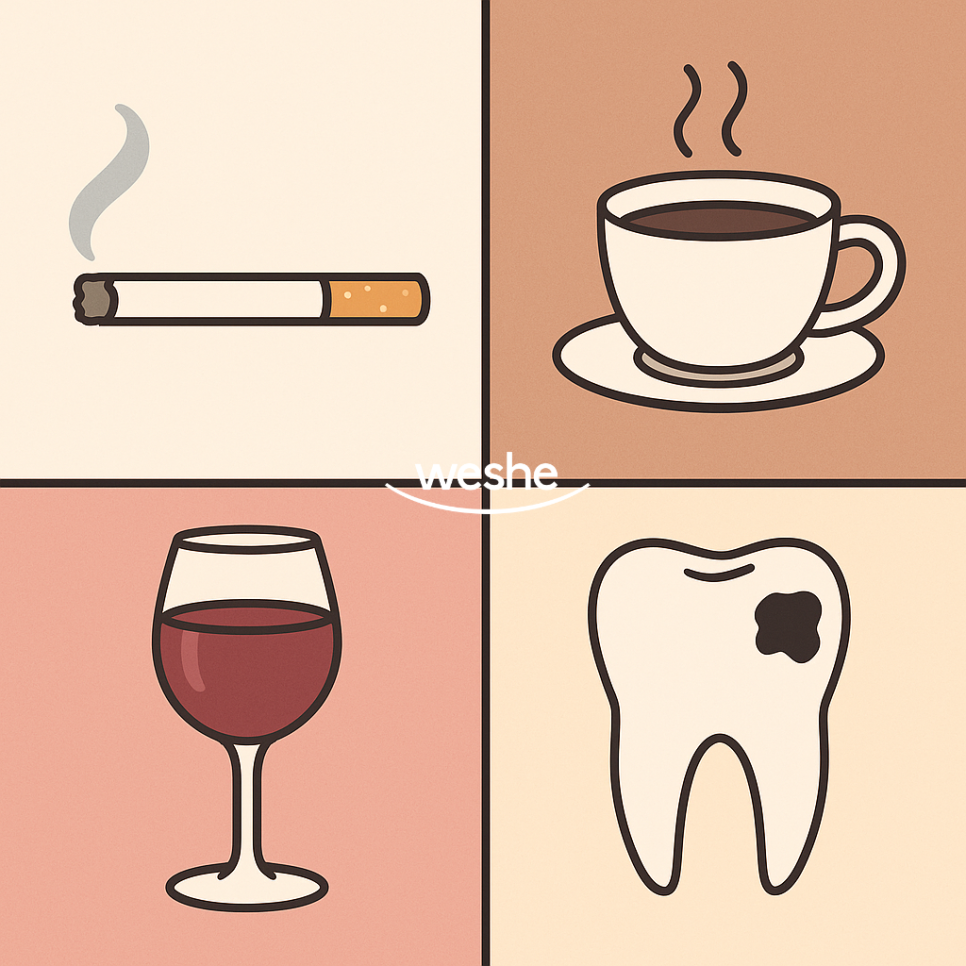
The beverages we drink every day,
such as coffee, tea, and wine,
and strongly pigmented foods
such as curry and kimchi
are major causes.
These substances
seep into the tiny tubules on the tooth surface,
and discoloration gradually progresses.
If you look at the surface of a natural tooth under a microscope,
it may appear smooth to the naked eye,
but in reality, it contains countless tiny pores.
As pigments accumulate in these small tubules,
the tooth’s original brightness gradually fades.
On top of that,
there are natural changes that occur with age.
The dentin inside the natural tooth thickens,
and the enamel covering the outside becomes thinner,
which makes the overall yellow tone more noticeable.
Smoking, taking certain medications, and trauma
can also accelerate discoloration.
That is why simple surface care has its limits,
and why a systematic, professional approach is necessary.
Balsan Dental Clinic Dr. Yeo Sang-ho
Examination
Before starting treatment, the important thing is
to understand the current condition accurately.
During the initial visit, above all else,
we carefully examine overall oral health.
If there is tooth decay or gum disease,
those problems should be addressed first
rather than whitening the teeth.
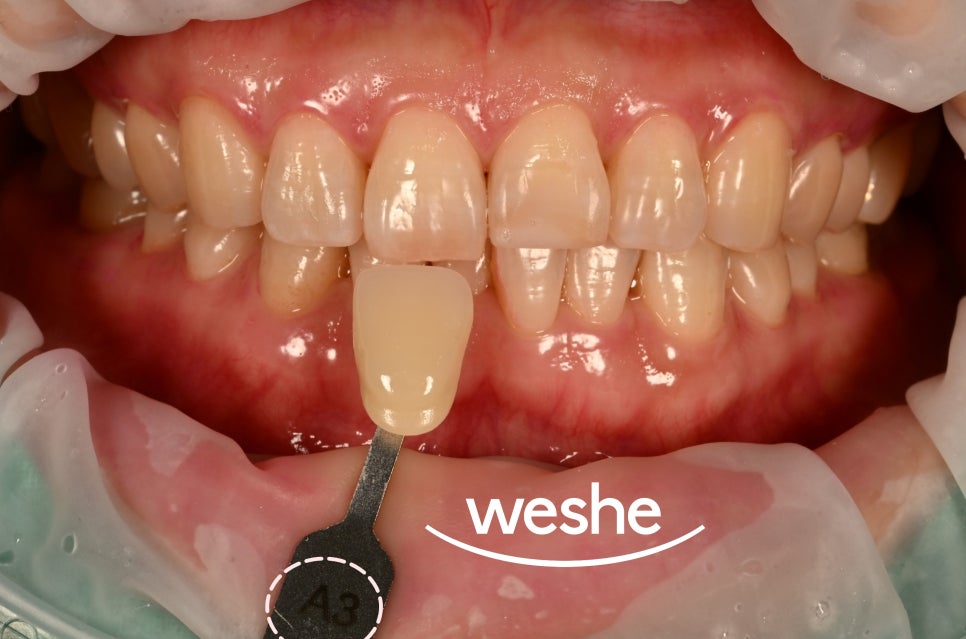
After that, we measure the current shade accurately.
Using a standard shade guide,
we establish an objective reference point
under natural light or standardized lighting.
Knowing this exact starting point
allows us to compare later and see
how much improvement has been made^^
We also check the condition of any existing restorations or fillings in the mouth.
The important point is that
these restorative materials do not become lighter.
Because of this, after tooth whitening,
there may be a color difference between the natural teeth and existing restorations,
so we explain this in advance
and make a plan.
The process of analyzing the cause and degree of discoloration in natural teeth
is also essential.
We distinguish between intrinsic discoloration (originating inside the natural tooth)
and extrinsic discoloration (caused by external factors),
and determine the treatment method and number of sessions
based on the extent of discoloration.
We also evaluate each person’s oral hygiene,
lifestyle habits, and usual level of sensitivity,
and use this as basic information for creating a customized treatment plan.
Balsan Dental Clinic
Plan
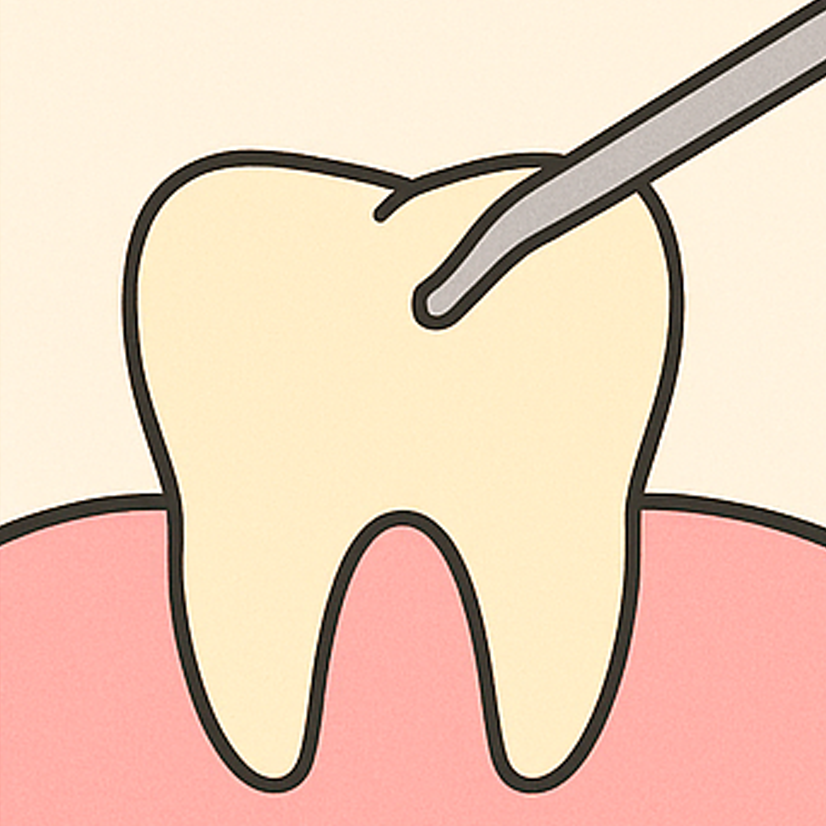
By combining the results of the initial examination,
we establish an individualized treatment plan.
The cause and degree of natural tooth discoloration,
the patient’s expectations, and overall oral condition
are all considered when determining the treatment method.
One part many people are curious about is,
"Will it become white after just one session?"
To be honest,
it is difficult to expect satisfying results from a single procedure.
Of course, there are individual differences,
but in general, that is the case.
That is why most medical institutions offer
same-day tooth whitening as a package.
This means exactly what it sounds like:
performing the procedure multiple times in one day
to achieve a satisfying result on the same day.
The reason it is usually done about three times on average
is because we need to effectively remove pigments that have penetrated deep into the natural tooth.
In the first procedure,
a material that can protect the gums is applied,
and mainly surface pigments are removed.
As the second and third procedures are carried out,
pigments in deeper areas are gradually broken down and removed.
The interval between each procedure
is usually set at about 1–2 weeks
to allow enough time for the teeth to recover.
The plan includes everything,
such as intensity adjustment, exact timing,
and post-treatment care methods.
In particular, if sensitivity is high,
we take measures such as using a low-concentration whitening agent
or shortening the treatment time.
Balsan Dental Clinic Dr. Yeo Sang-ho
Procedure
First, we check the oral cleanliness before treatment,
and if necessary, remove surface stains
through scaling.
The tooth surface must be clean
for the whitening agent to work effectively.
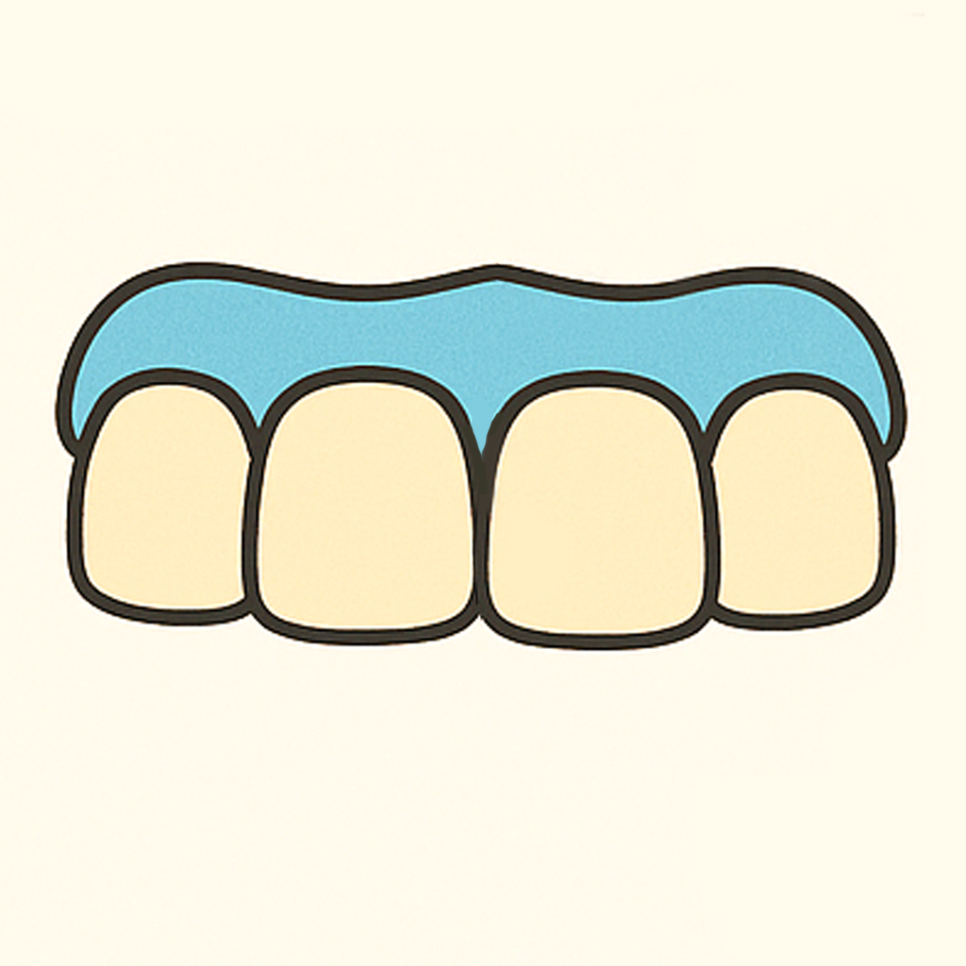
Before applying the whitening agent,
the important thing is to protect the gums and soft tissues.
If a high-concentration whitening agent touches the gums,
it can cause irritation,
so a protective barrier is installed.
After that, a professional material
is applied evenly to the tooth surface.
The whitening agent used at this stage
is different in concentration
from over-the-counter self-use products.
Typically, hydrogen peroxide or sodium percarbonate
at a concentration of 15–35% is used,
which is a strong concentration
for ordinary people to use.
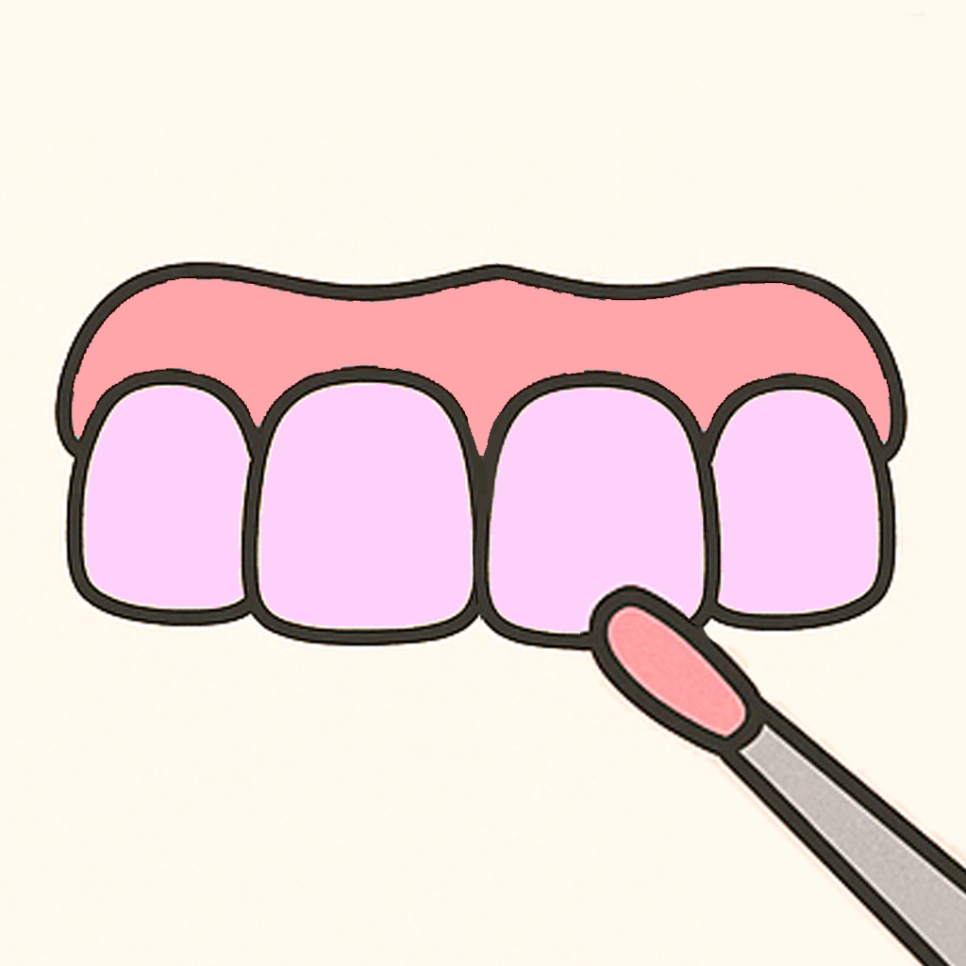
After applying the whitening agent,
special light is used to promote the effect.
At the end of each cycle,
the existing material is removed and reapplied
to maintain a continuous effect.
At this time, temporary sensitivity
or mild discomfort may occur.
This is a normal reaction
and usually resolves naturally within 24–48 hours.
If excessive sensitivity appears during the procedure,
appropriate measures such as immediate adjustment
or temporary suspension are taken.
Balsan Dental Clinic Dr. Yeo Sang-ho
Completion
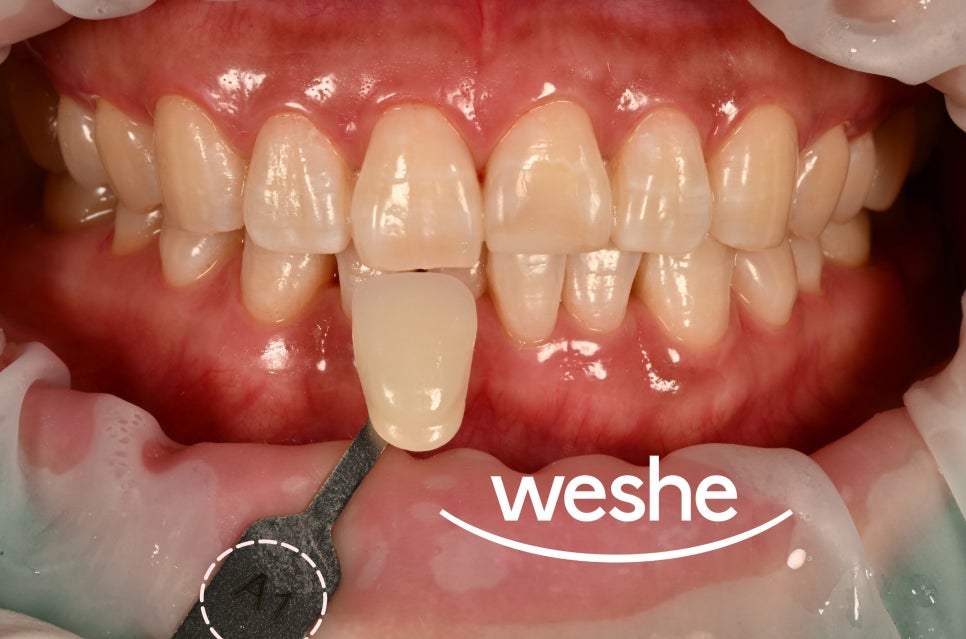
Once the tooth whitening treatment is complete,
the effect is checked immediately
and follow-up care begins.
Right after treatment, using a shade guide,
the before-and-after shade change is
measured and recorded objectively.
Balsan Dental Clinic Dr. Yeo Sang-ho
Precautions After Treatment
The 24–48 hours after completion is a period that requires caution.
During this period,
limit the intake of foods and drinks with strong colors.
Immediately after treatment, the tiny pores in the teeth
have not fully closed,
so the risk of re-staining is very high.
Coffee, tea, and wine, of course,
as well as foods such as curry and kimchi,
are best avoided.
As much as possible, it is recommended to drink colorless beverages
such as water or milk.
Many people are also curious about
how long the effect lasts.
This varies depending on a person’s lifestyle habits
and oral care condition.
If you receive treatment regularly again,
you can maintain the effect for longer^^
Smoking, excessive intake of pigmented beverages,
and neglecting oral hygiene
can make the effect fade more quickly,
so it is good to keep that in mind.
Temporary sensitivity after treatment
is a normal reaction.
To help relieve sensitivity,
we recommend using fluoride gel or toothpaste designed for sensitivity.
This was dentist Yeo Sang-ho from Balsan Dental Clinic.
Thank you for reading this long post.

Same-day treatment: 2025.05.25