Hello,
I am Director Yeo Sang-ho of Balsan Dental Clinic.

Calculus (plaque) is a mass that hardens over time from plaque that cannot be removed by brushing.
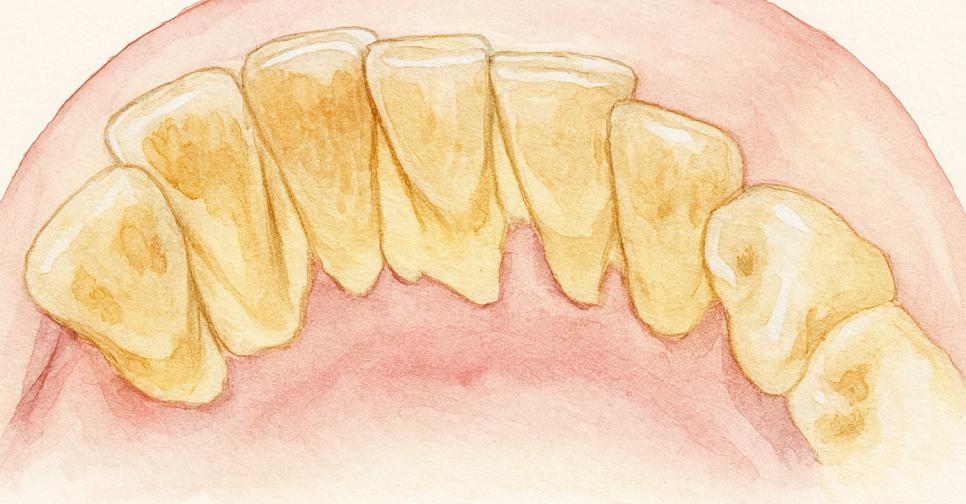
If this is left untreated for a long time,
gingival inflammation can develop,
causing swelling and bleeding.
In severe cases,
the alveolar bone that supports the teeth can also be damaged,
causing the teeth to become loose or even fall out.
In addition, the area around where it is present
makes it easier for bacteria to multiply,
which can cause severe bad breath,
and also increases the risk of cavities.
It is important to prevent these problems
and maintain a healthy oral condition
through regular removal of foreign substances.
Features of the Airflow Scaler
explained by Balsan Dental Clinic
This is a device that removes calculus in a different way
from conventional scaling,
which uses sharp metal instruments.
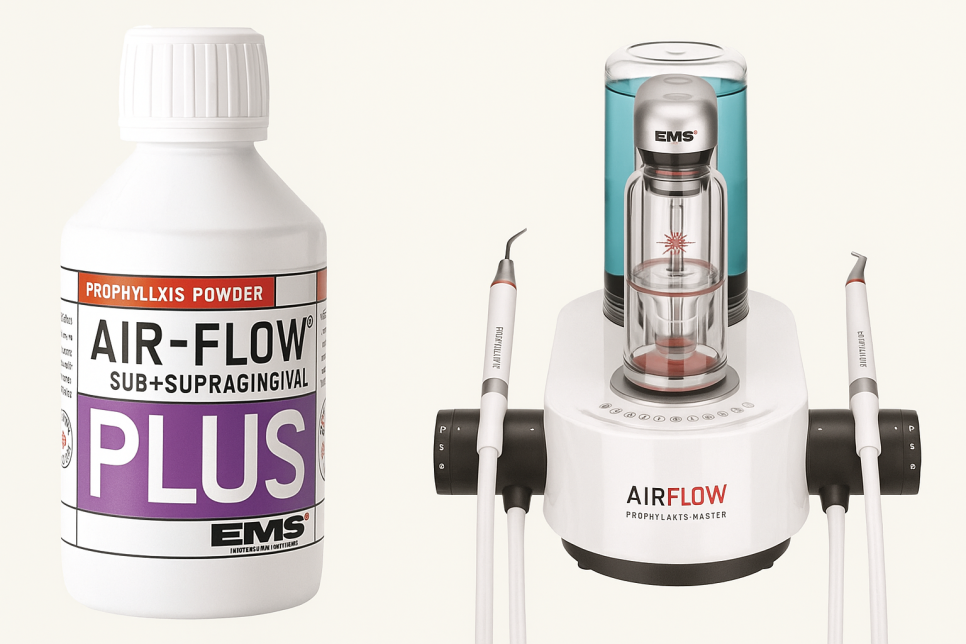
It works on the principle of gently dislodging foreign substances
by spraying high-pressure air and water,
along with specially made
fine powder.
Instead of the discomfort of conventional scaling,
where a sharp instrument scrapes away deposits,
a gentle spray method can greatly reduce pain.
Because the spray pressure and angle can be finely adjusted
according to the sensitivity of the teeth and gums,
individualized treatment is possible.
In particular, it is characterized by a low-irritation method
that can be safely applied even when the gums are weak
or the teeth are sensitive.
It does not damage the enamel
and selectively removes only calculus,
allowing effective removal while protecting the natural teeth.
Advantages of the Airflow Scaler
explained by Balsan Dental Clinic
One of its advantages over conventional scaling
is that it can significantly reduce pain and discomfort.
Rather than scraping with a sharp metal instrument,
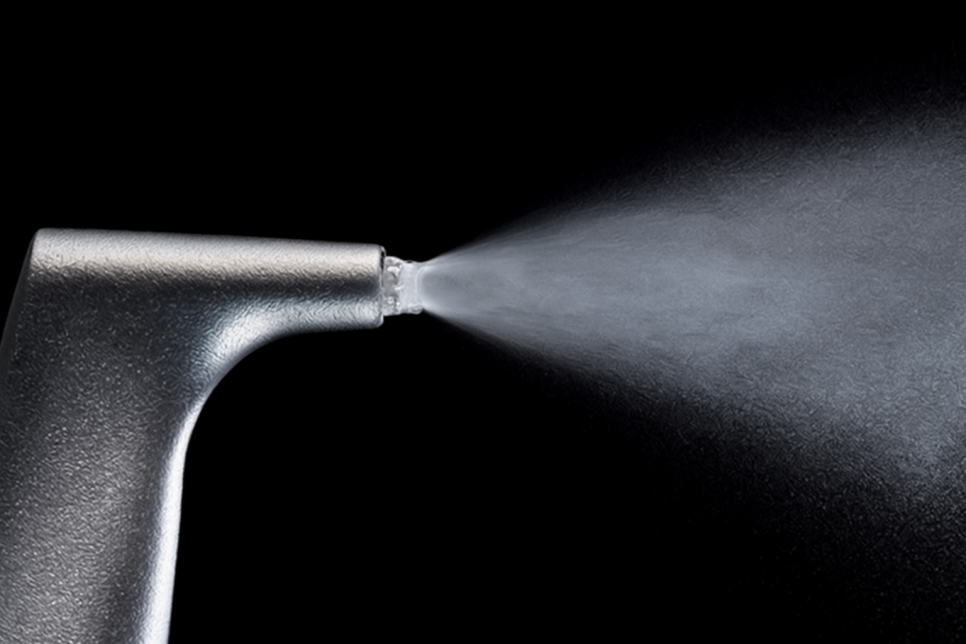
its gentle spray method can minimize stinging or pain felt during treatment.
Because the physical stimulation applied to the gums is also low,
post-treatment gum bleeding and swelling
are greatly reduced as well.
Since the pressure can be freely adjusted,
even in cases with sensitivity
or inflammation due to gum disease,
treatment can be performed safely.
The fine powder penetrates deeply into gaps between natural teeth
and hard-to-reach areas,
making it possible to remove plaque more precisely and thoroughly
than with conventional methods.
Because it can remove discoloration as well
without damaging the surface of the natural teeth,
a brighter and cleaner appearance can also be expected,
with aesthetic benefits.
Treatment time is shorter
and recovery is faster,
which makes it easier to return to daily life quickly.
12-Step Treatment Process
explained by Balsan Dental Clinic
[Diagnosis and Examination]
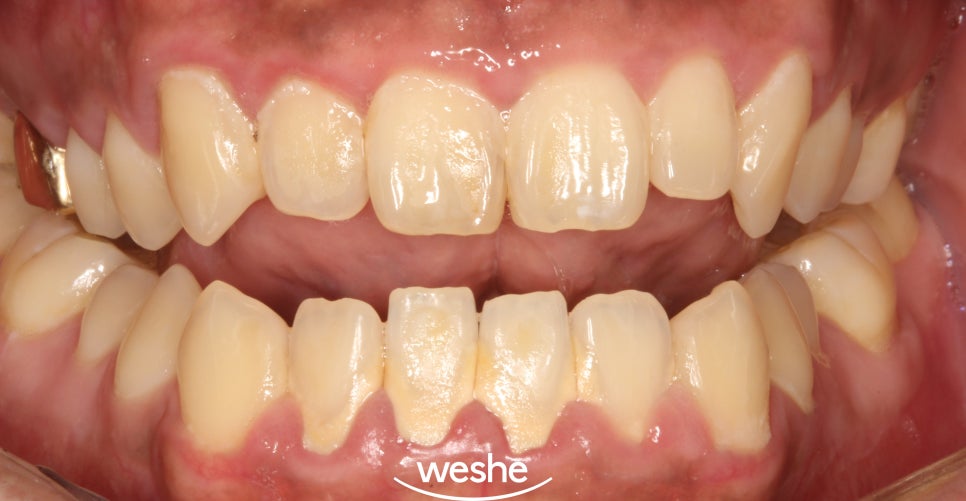
We accurately measure and evaluate the degree of plaque accumulation in the oral cavity,
the extent of plaque formation, and the depth of periodontal pockets.
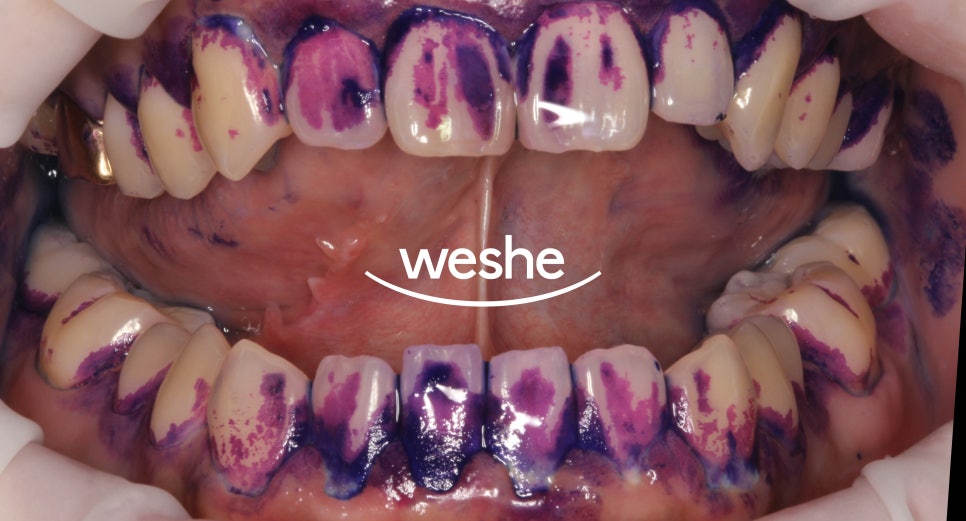
This is the stage where the individual oral condition
is comprehensively assessed
and an appropriate treatment plan
is established.
[Oral Disinfection Before Scaling]
To prevent bacterial infection in the mouth before treatment,
an oral disinfectant is used
to carry out an overall sterilization process.
This is an important preparatory step
for creating a safe and hygienic treatment environment.
[Anesthesia Before Scaling]
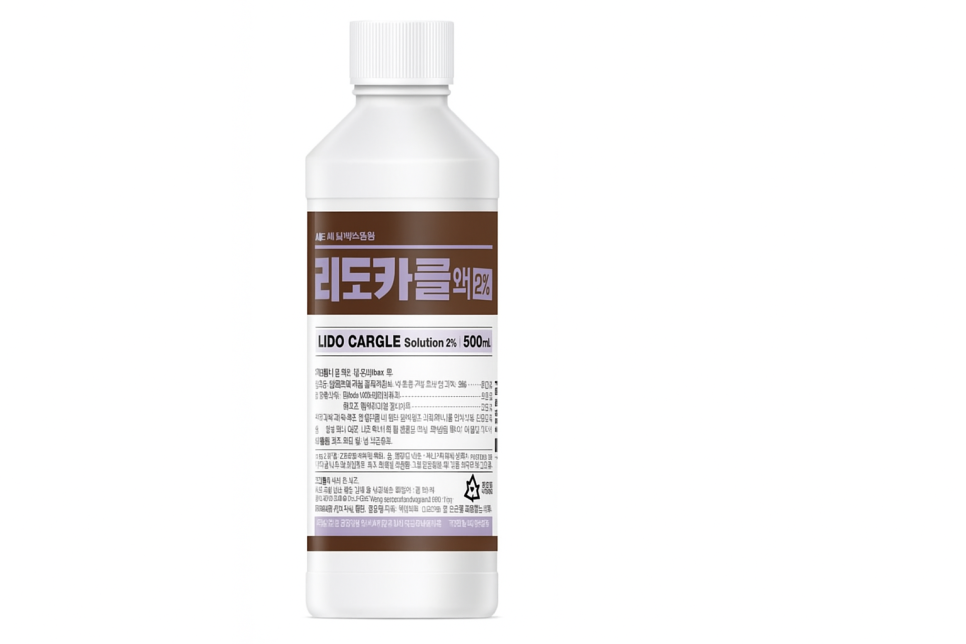
To minimize discomfort that may occur during treatment,
gargle anesthesia is administered as needed.
We apply customized anesthesia
for a comfortable procedure
based on each person's sensitivity.
[Plaque Removal and Plaque Removal]
Using the Airflow Scaler,
we remove calculus and plaque
that are firmly attached to the surface.
At Balsan Dental Clinic, we believe that this step,
which gently dislodges foreign substances through high-pressure spraying,
is the core step of this device.
[Removing Foreign Substances from Narrow Spaces Using Thin Instruments]
We remove masses accumulated in the tiny spaces between teeth,
which are difficult to reach with a standard scaler,
using specialized instruments.
We proceed carefully so that no detail is missed.
[Removal of Stains]
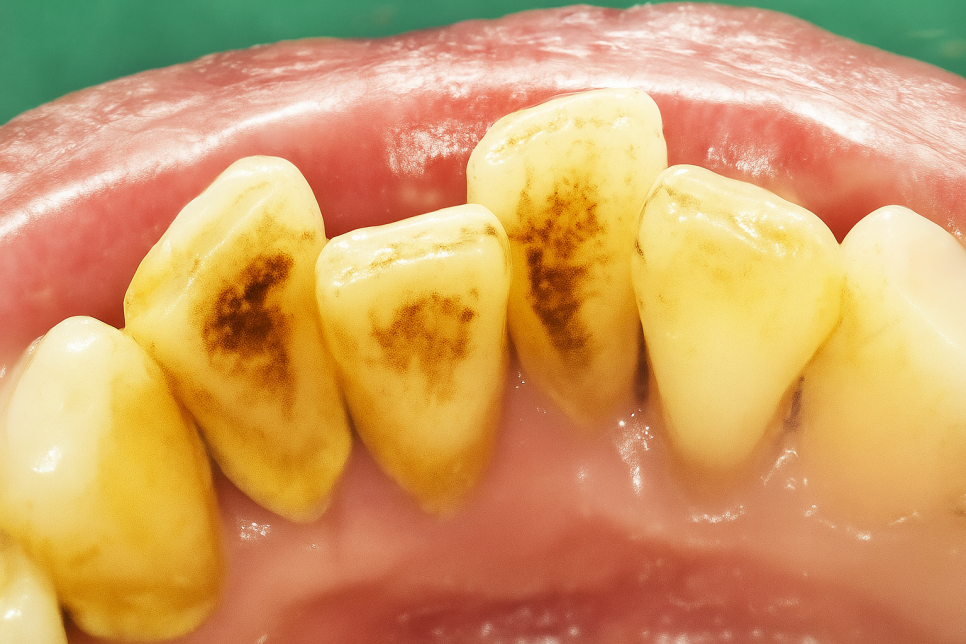
Surface stains caused by coffee, tea, smoking, and similar factors
are thoroughly removed using specialized equipment.
This is a stage where you can also achieve
a whitening effect along with plaque removal.
[Step 7: Polishing]
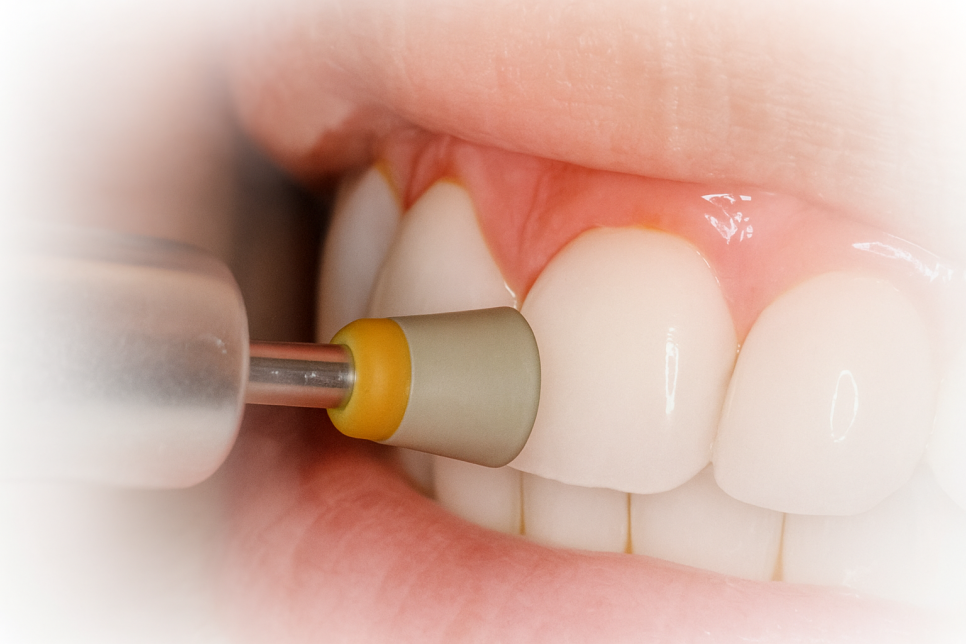
The tooth surface is smoothly polished
to make it less likely for new foreign substances to adhere.
This is an important finishing step
that helps prevent recurrence by keeping the surface smooth.
[Protective Coating for Sensitive Teeth]
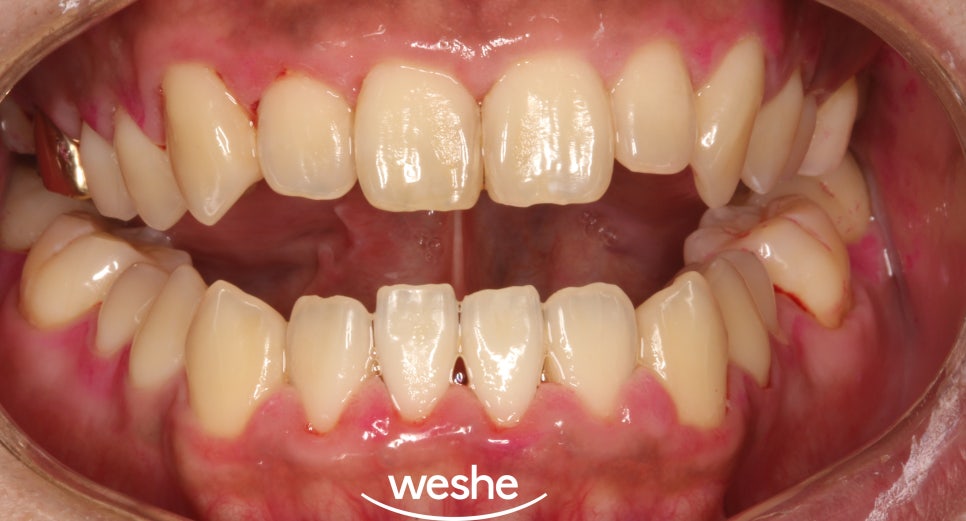
A dedicated coating agent is applied to natural teeth
that may temporarily become sensitive after scaling
to prevent discomfort.
This is a protective treatment
to prevent sensitivity that may occur after the procedure.
[Cavity-Prevention Fluoride Coating]
Fluoride is applied to the tooth surface
to help prevent cavities
and strengthen the enamel.
This is a preventive treatment
that makes the teeth stronger
and increases resistance to cavities.
[Education on Brushing Methods by Tooth Condition]
We provide guidance on the correct brushing method
that matches each person's dentition and oral condition.
This is an educational process
that explains personalized oral care methods in detail.
[Oral Hygiene Product Education]
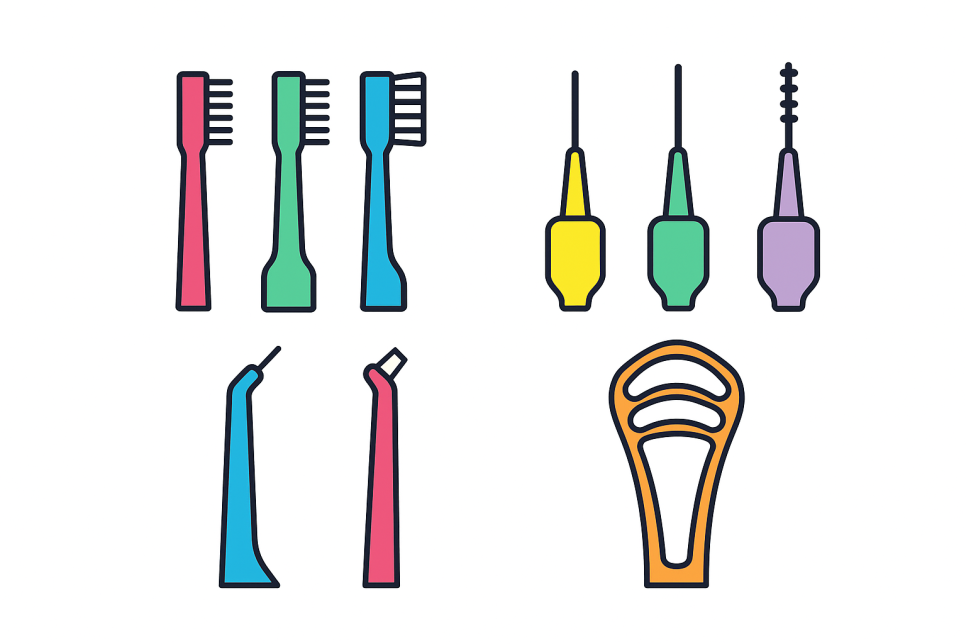
We explain how to use appropriate oral care tools
such as interdental brushes, floss, and mouthwash.
We guide you on the proper use
and selection criteria
for various oral hygiene tools.
[Setting the Return Visit Interval Based on Individual Care Ability]

Considering oral care ability
and tooth condition,
we set an appropriate regular checkup interval.
This is the final step in establishing
a personalized management plan
based on each person's oral condition
and care ability.
Today, we explained tooth calculus removal (scaling)
using an Airflow Scaler.
I hope this was helpful to those who needed this kind of information,
and I will end the post here.
This was dentist Yeo Sang-ho of Balsan Dental Clinic.
Thank you for reading this long post.

Treatment date: 2025.05.12