Hello.
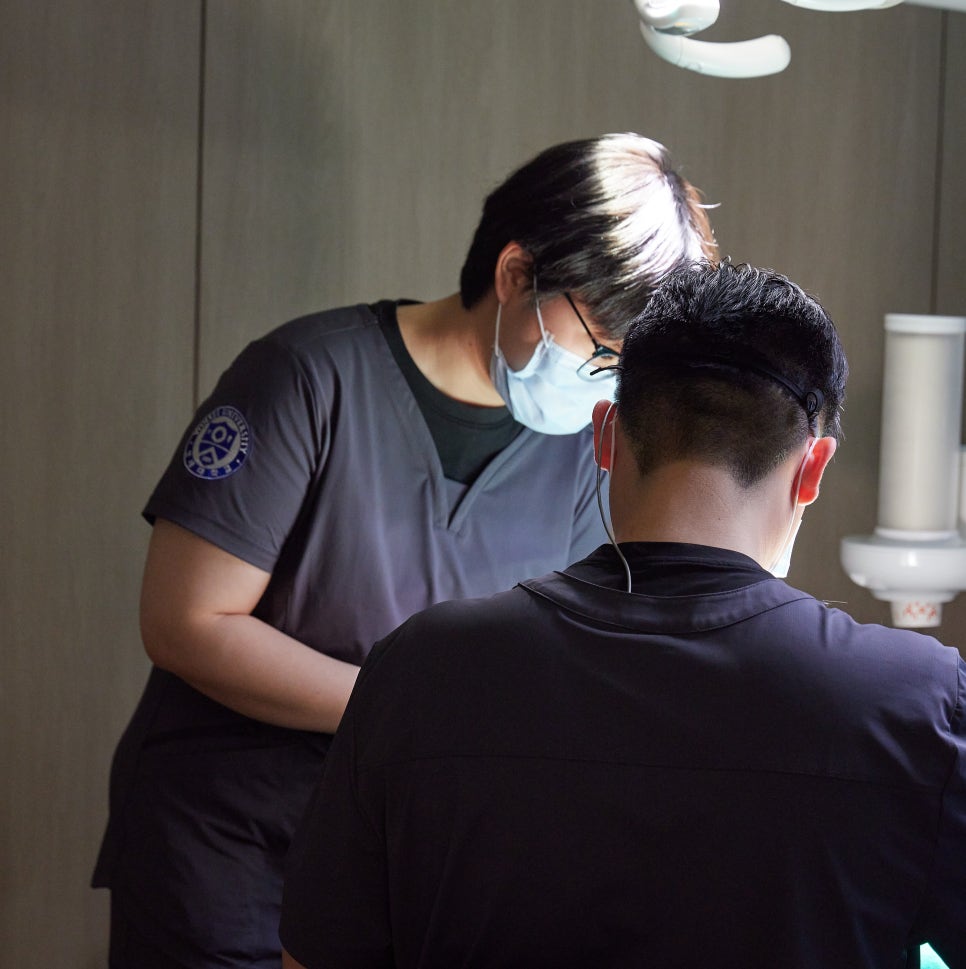
I am Yeo Sang-ho, the male dentist who focuses on treatment,
the director of a dental clinic in Gangseo District.
Today, I will explain in detail the differences between Airflow and ultrasonic scaling,
as well as the step-by-step process.
Many people are curious about scaling methods.
If you understand the features of each, you can choose the method that suits you best.
Airflow vs. Ultrasonic Scaling,
as explained by a Gangseo District dental clinic
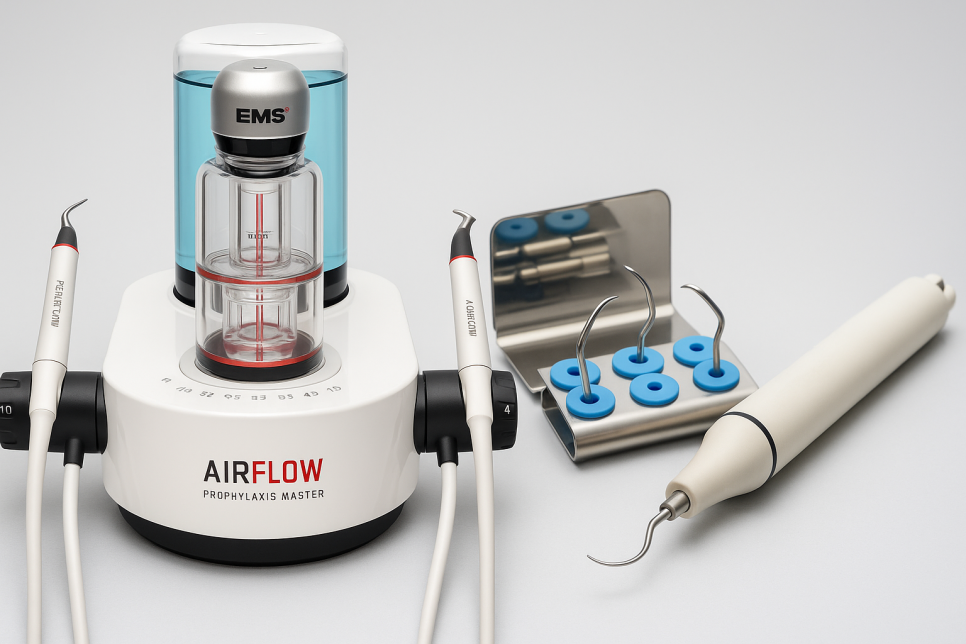
- Difference in how they work
😁 Airflow
It works as a gentle, protein-based method that sprays air and fine particles.
🦷 Ultrasonic scaling
It is a method that removes tartar through vibration waves,
and is characterized by physical contact.
- Differences by area of application
😁 Airflow
It is especially effective for surface staining on teeth and
for maintenance around implants,
and can precisely reach delicate areas.
🦷 Ultrasonic scaling
It is mainly used to remove plaque around teeth and tooth roots,
and is highly effective at removing hard tartar.
- Level of pain
😁 Airflow
Even people with sensitive teeth can receive the procedure comfortably.
🦷 Ultrasonic scaling
Depending on the individual, you may feel a bit of discomfort.
- Removal of bleeding stains
😁 Airflow
It is very effective,
minimizing bleeding while removing stains,
so recovery after the procedure tends to be quick.
🦷 Ultrasonic scaling
It is effective, but there are limitations.
In particular, if the staining is severe, additional treatment may be needed.
Airflow treatment process,
as explained by a Gangseo District dental clinic
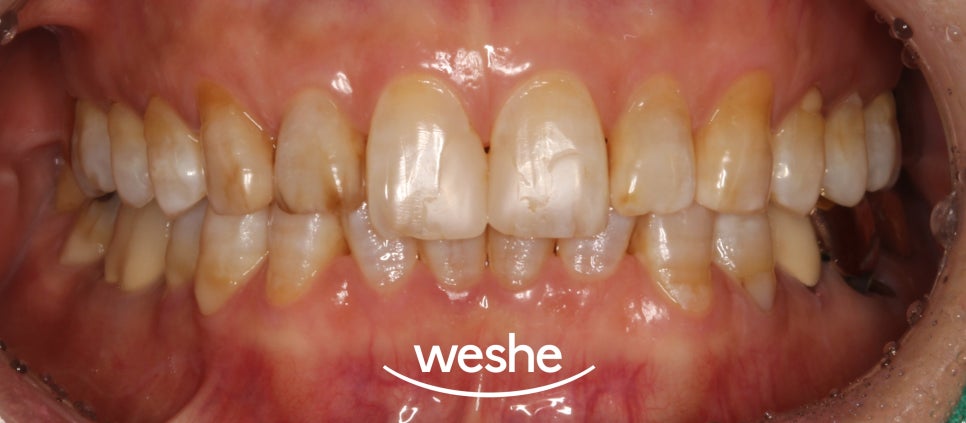
Before treatment, the condition inside the mouth is accurately assessed,
and the degree of tartar accumulation and the extent of staining are measured.
This is an important diagnostic stage in which
a customized plan suited to each person's oral condition is established.
At this stage, the condition of the gums and
tooth sensitivity are carefully checked to determine the intensity of the procedure.
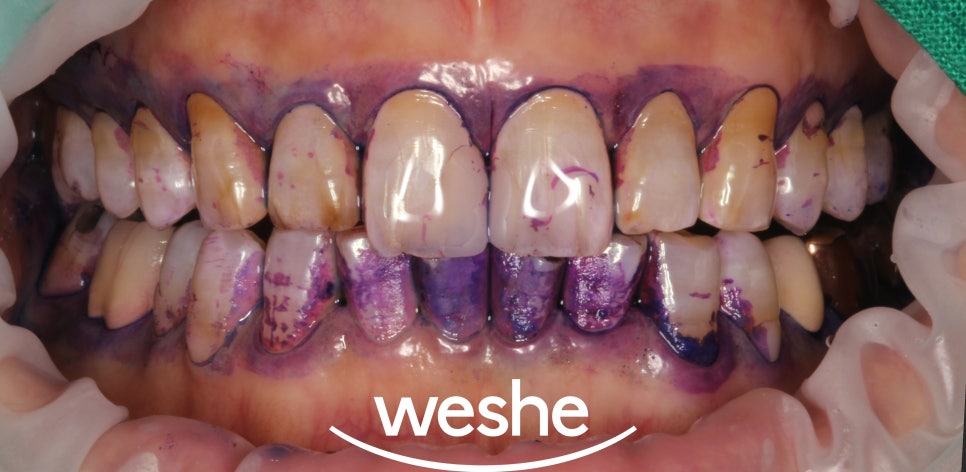
A special stain is applied
to clearly distinguish the treatment area
and check whether any areas were missed.
Through this process, the areas that need treatment and
the areas that are complete can be accurately distinguished,
allowing for more precise care.
The stain is not harmful to teeth
and is completely removed after the procedure.
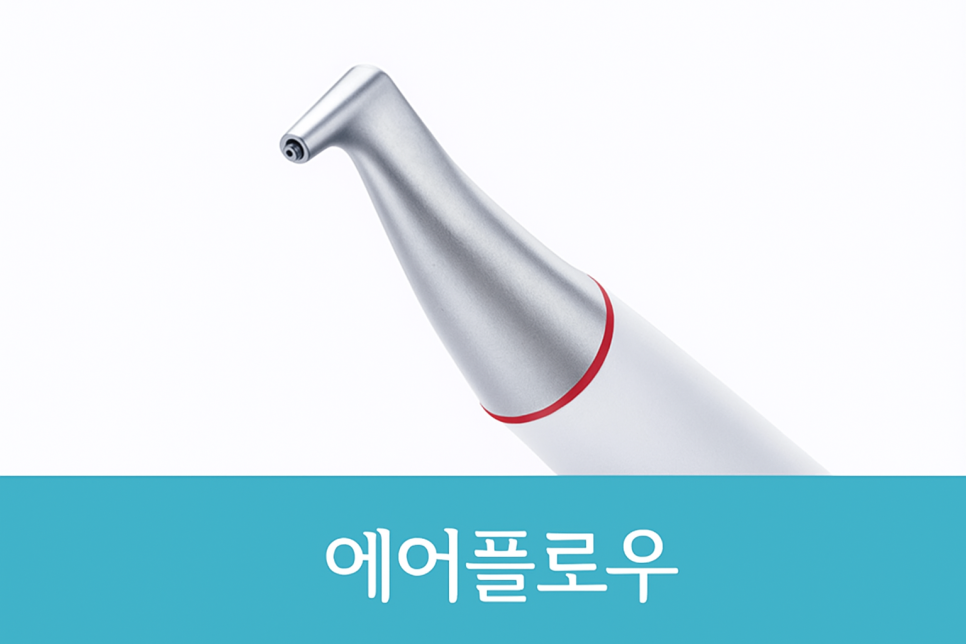
To organize the initial tartar buildup,
high-pressure air and water,
along with fine powder, are used to gently remove tartar attached to the tooth surface.
In this process, it penetrates deeply into the narrow spaces between teeth,
carefully managing areas that are difficult to access with regular scaling.
With Airflow's low-irritation technology,
effective tartar removal is possible without damaging the enamel.

A Perio Flow specialized for removing periodontal pockets and inflammation around implants
is used to carefully manage even delicate areas.
This stage effectively removes bacteria and toxins that have accumulated deep in the gums,
playing a key role in preventing periodontal disease.
It is especially an important maintenance process
for people who have implants.
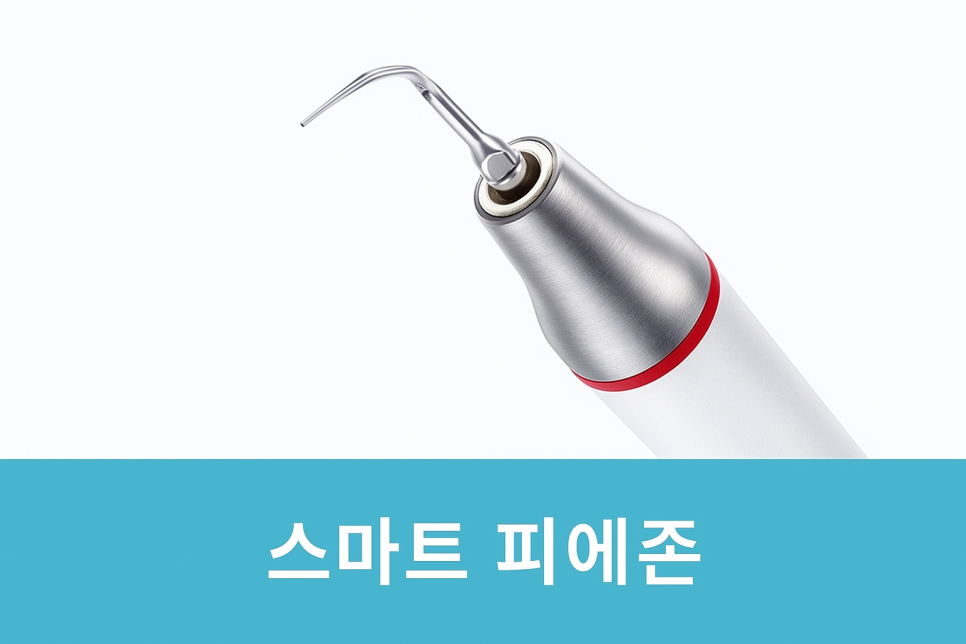
This is a precise finishing stage for organizing remaining tartar
after the Airflow procedure and for smoothing the tooth surface.
In this process, the tooth surface is polished smooth
to help prevent new tartar from easily attaching,
increasing the preventive effect.
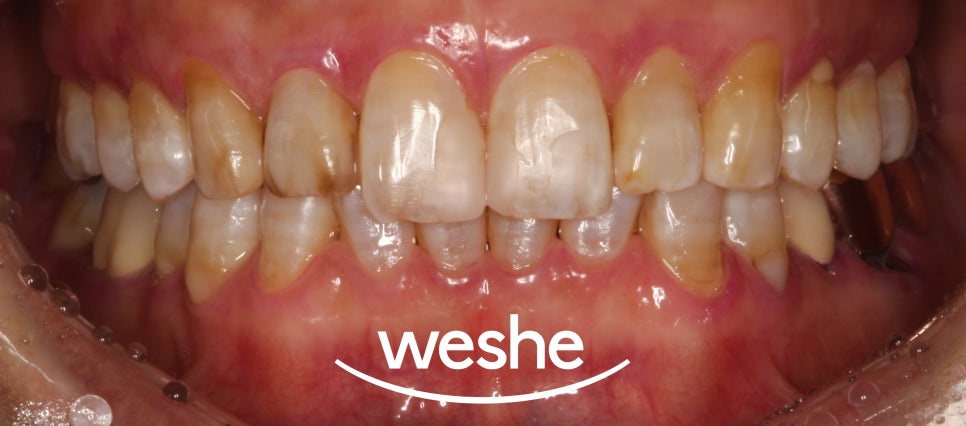
After all the steps are completed,
the condition of the teeth is finally checked.
This is an important finishing stage to confirm that
the stains have been completely removed
and the tartar has been cleanly organized.
At this stage,
you can clearly see the difference before and after treatment.
The advantages of the Airflow device,
as explained by a Gangseo District dental clinic
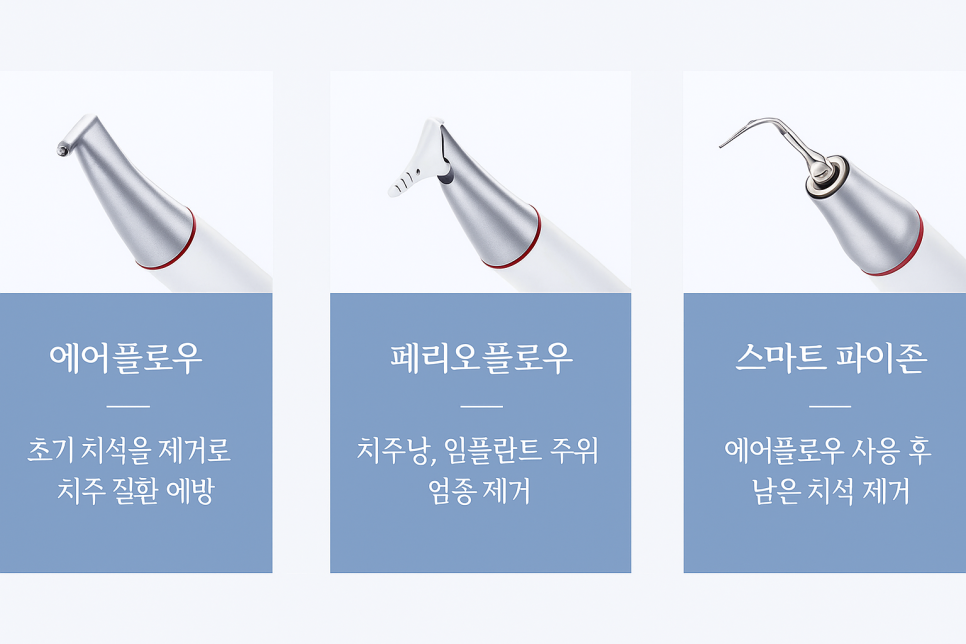
With three different handpieces,
you can safely remove tartar from the reach area,
prosthetics, and around implants.
In addition, by using dedicated handpieces optimized for each area,
more precise and safer treatment is possible.
From the general tooth surface to around implants,
and even narrow interproximal spaces, all areas can be effectively managed.
After the procedure, we provide detailed guidance on
customized care methods suited to each person's oral condition
and lifestyle habits.
From proper brushing methods to interproximal care,
and the appropriate interval for regular checkups,
a comprehensive oral health management plan is established.
Today, I explained the step-by-step Airflow treatment process
and the differences from conventional scaling.
I hope this was helpful to those who needed this kind of information,
and I will end the post here.
This was Yeo Sang-ho, dentist in Gangseo District.
Thank you for reading this long post.

Treatment date: 2025.06.02