
Hello,
This is Songjeong Station Dental Clinic.
Today, we will talk about a topic many people are curious about:
the issue of tartar on the lower teeth.
As explained by Songjeong Station Dental Clinic,
Tartar that bothers you every time you smile—why does it form?
If there is tartar on your front teeth, which are the first teeth visible when you smile,
you are likely to be very concerned.
For those who have difficulty visiting the clinic because of a busy schedule,
this may be an even bigger worry.
Tartar is not just a cosmetic issue.
It can be considered an important factor that directly affects oral health.
What is tartar?
It refers to hardened bacteria on the surface of the teeth.
It is a calcified state formed when food debris left in the mouth
combines with minerals in saliva.
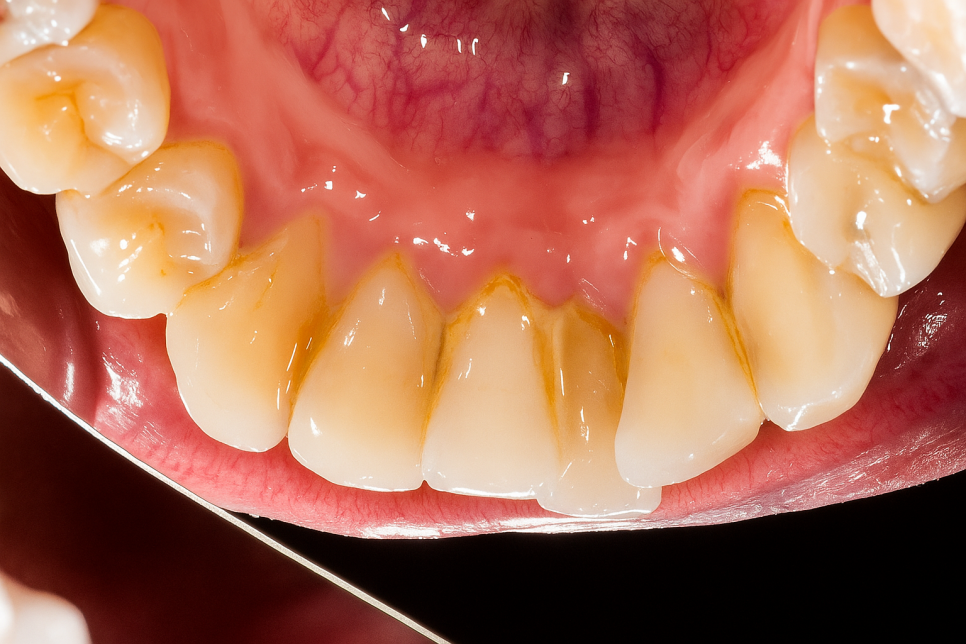
In general, its color is yellowish-white or brown,
and over time it turns a darker brown.
Because it is hard, it is difficult to remove with regular brushing.
Among those who visit Songjeong Station Dental Clinic,
there are quite a lot of people who are worried about this tartar problem.
In particular, many people ask questions because tartar tends to accumulate on the lower teeth.
As explained by Songjeong Station Dental Clinic,
Why does tartar form especially on the lower teeth?
If you have one question,
you may wonder, 'Why does tartar form so much on the lower teeth?'
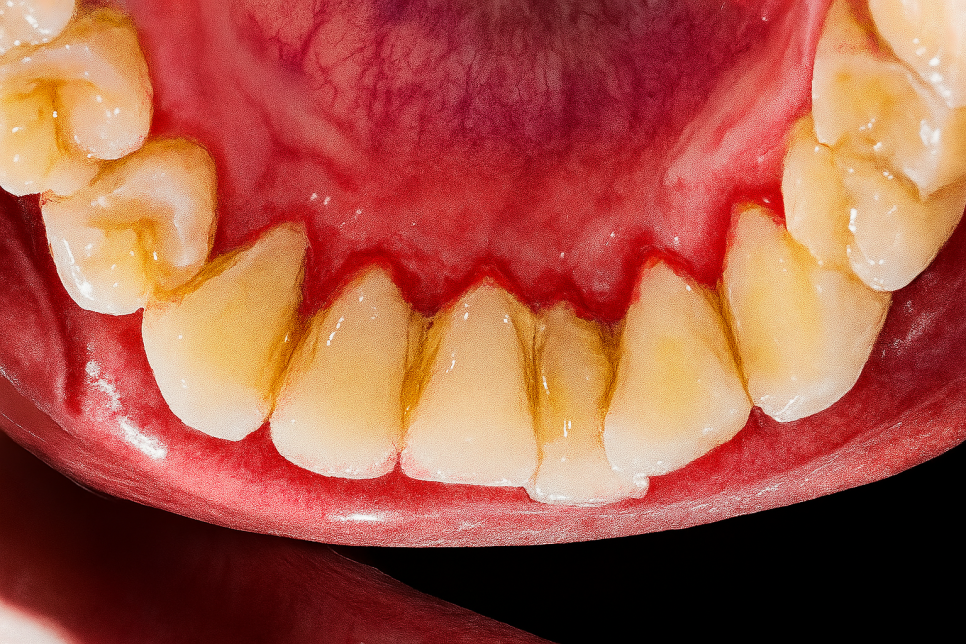
In fact, tartar tends to form more on the inner side of the lower teeth
than in other areas.
This can be explained by anatomical characteristics.
The lower teeth are located close to the tongue
and are directly affected by the salivary glands.
Saliva contains abundant mineral components such as calcium and phosphate.
Eventually, as these components deposit on the tooth surface,
they promote tartar formation.
In particular, the inner side of the lower teeth
can be considered one of the areas that is difficult to brush.
Due to tongue movement,
food debris may remain there for a longer time.
It can be said that these environmental factors work together
to accelerate tartar formation on the lower teeth.
As explained by Songjeong Station Dental Clinic,
Why gum recession should not be left untreated
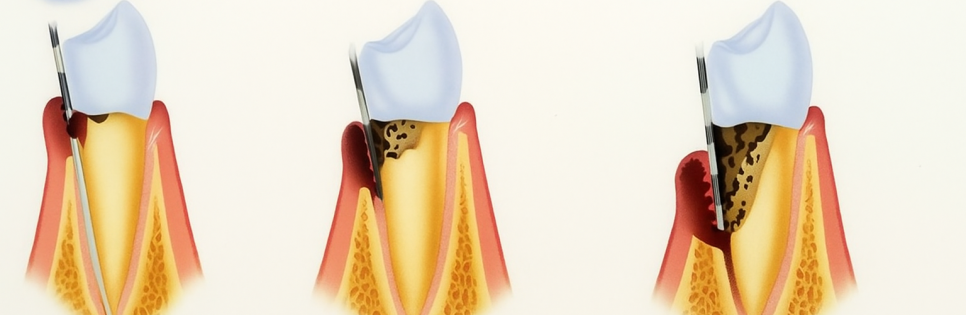
If tartar continues to build up,
gum inflammation can begin.
In the early stages, the gums turn red
and bleeding occurs when brushing.
As it progresses further,
gum recession may appear.
This is one stage in the progression of periodontal disease,
where the root of the tooth becomes exposed.
If gum recession occurs,
it can cause tooth sensitivity.
People may become sensitive to hot or cold foods,
which can cause discomfort in daily life.
In fact, once gum recession occurs,
it is difficult to return to its original state.
This is because the regenerative ability of gum tissue is limited.
In general, brushing too hard can also cause gum recession.
This is why learning and practicing the correct brushing method is important.
As explained by Songjeong Station Dental Clinic,
What does the professional treatment process look like?
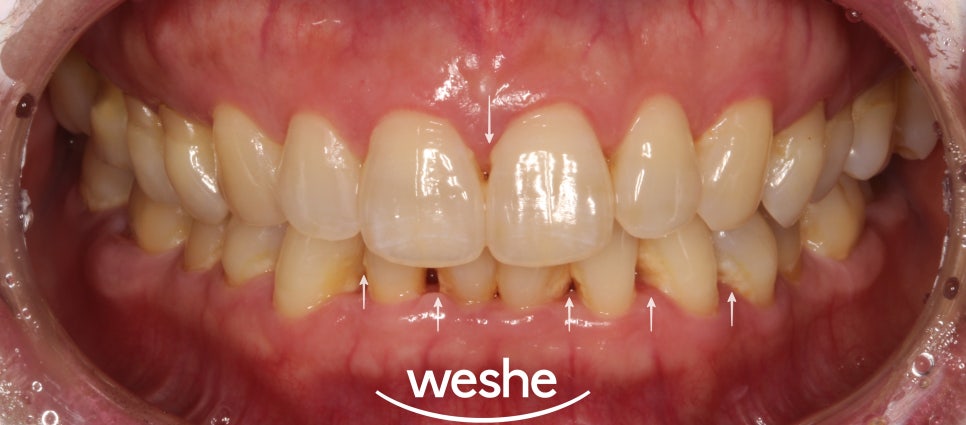
Tartar removal treatment begins with an accurate diagnosis
of the patient's oral condition.
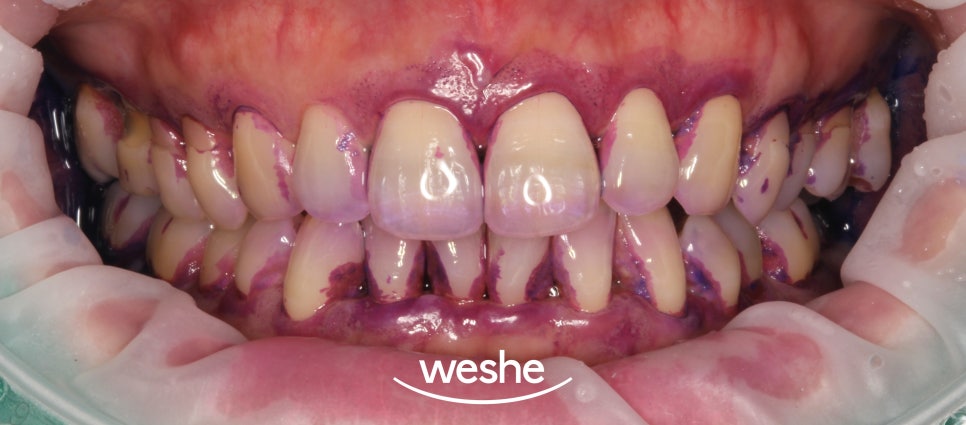
A detailed check of the tartar distribution
and gum condition is necessary.
Using AirFlow equipment,
tartar is safely removed.

This method removes tartar by spraying a mixture
of fine powder, water, and air.
Compared with conventional ultrasonic scalers,
it causes less pain and almost no damage to the teeth or gums.
Because the intensity can be adjusted according to the oral condition,
customized treatment is possible.
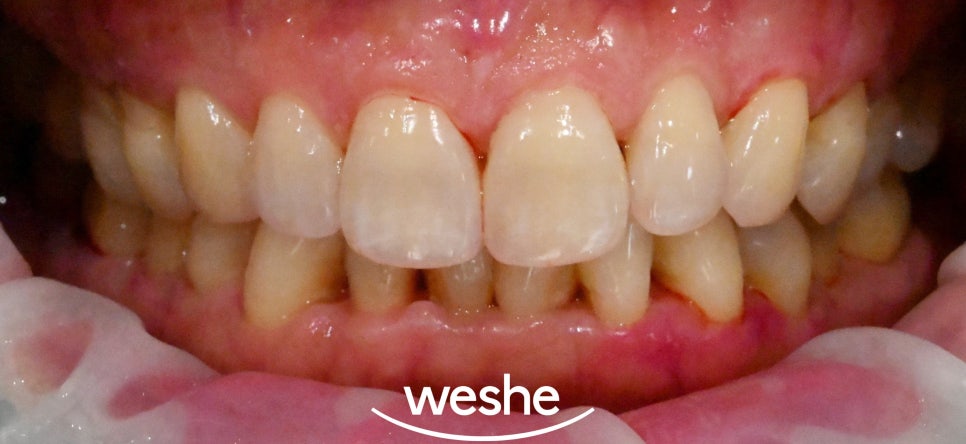
In general, treatment takes about 15 to 20 minutes,
so it is relatively short.
It can carefully clean between teeth and even areas below the gums.
After treatment, the teeth may temporarily feel sensitive.
This is a natural phenomenon
and usually recovers within a few days.
As explained by Songjeong Station Dental Clinic,
Can tartar really be removed at home?
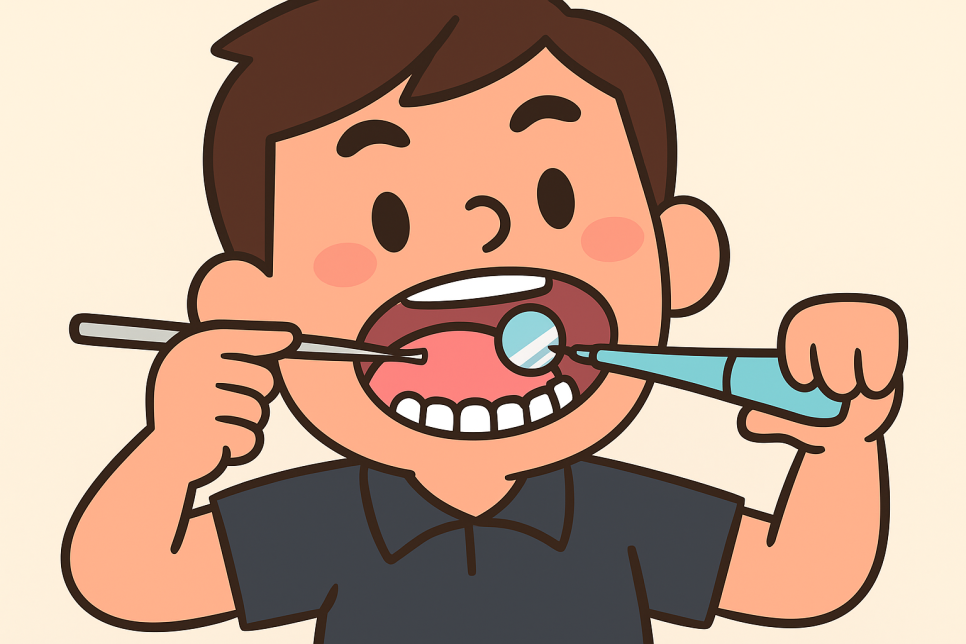
A question many people have is
whether tartar can be managed at home.
In fact, there are ways to manage tartar at home,
but it can be said that there are limits.
Complete tartar removal carries a high risk of side effects such as gum injury, inflammation, infection, and tooth damage,
and if an ultrasonic device is used at the wrong angle or with too much force,
the tooth surface may be damaged, so professional help is needed.
So, how can it be prevented?
Using interdental brushes and dental floss is essential.
They are effective in preventing tartar that builds up
between teeth and along the gum line.
It is important to use them consistently every day.
For tartar that has already formed,
we recommend getting scaling regularly at a dental clinic.
One thing to keep in mind is that there are precautions to follow
when managing it at home.
Never scrape it with a sharp tool.
If used incorrectly, it can injure the teeth
and damage the gums.
Do not brush too hard.
It can cause gum recession.
Brushing gently at a 45-degree angle
can be said to be the correct method.
In general, regular scaling is recommended
every 6 months to 1 year.
The National Health Insurance provides partial support
for the cost once a year.
At Songjeong Station Dental Clinic, we provide personalized management methods
that match each person's oral condition.
It can be said that combining home care with professional treatment
is a good approach.
In the end, prevention is more important than treatment.
With proper oral care habits,
you can reduce tartar formation.
Please maintain a healthy oral condition
through regular checkups and care.
Thank you, this has been Songjeong Station Dental Clinic.

Treatment date: 2025.06.12