Hello.
I’m Director Yeo Sang-ho of a dental clinic in Gangseo-gu.

When you look in the mirror and your teeth
appear mottled or discolored,
many people start to worry.
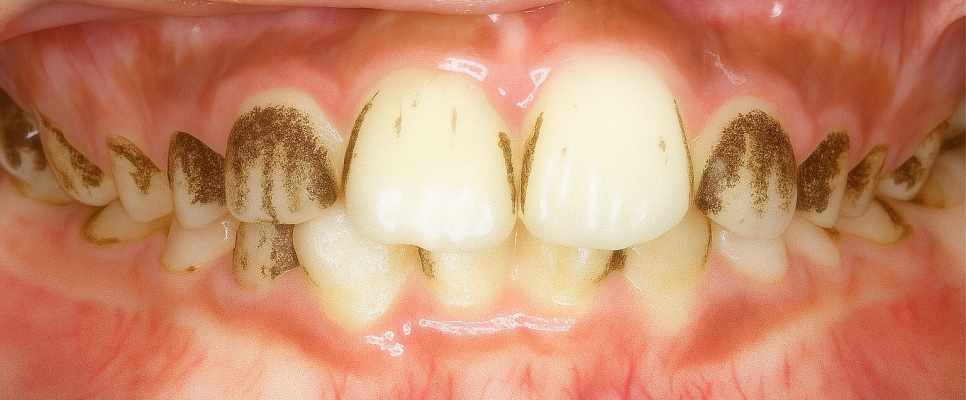
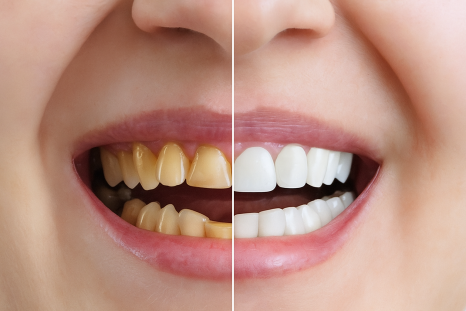
Many people wonder whether
this is just staining,
whether it is discoloration caused by cavities,
or whether there is another cause.
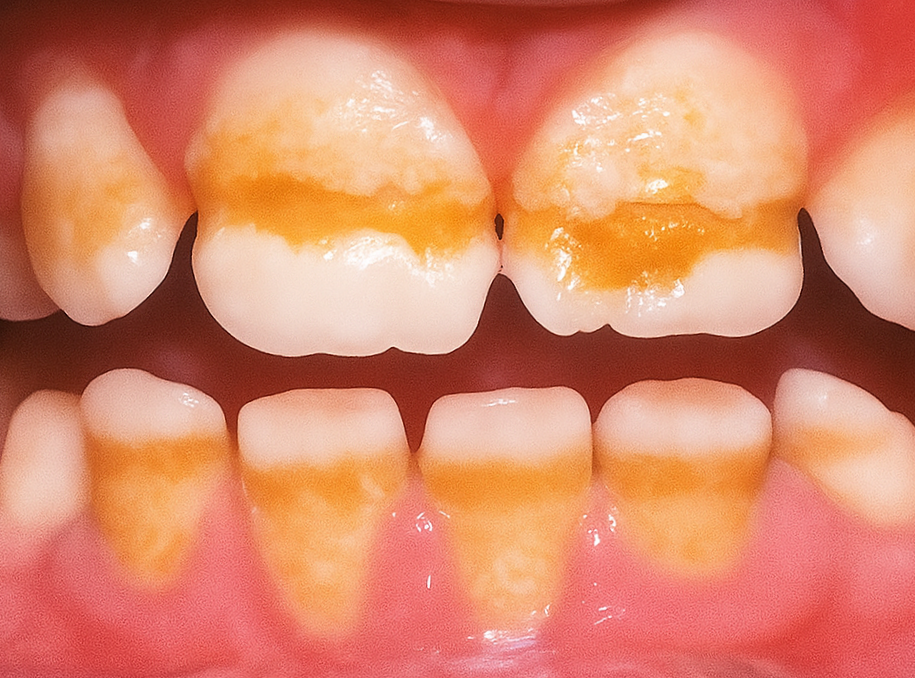
In particular, if your tooth color has been
different from others since childhood,
or if the surface is uneven,
there is a high chance that it is not just simple staining.
These symptoms often do not improve
with regular whitening,
and in many cases, professional treatment is needed instead.
Today, I will introduce a way to improve mottled teeth caused by
enamel hypoplasia.
This is enamel hypoplasia explained by
a dental clinic in Gangseo-gu.
What is Enamel hypoplasia?
It refers to a condition in which the enamel,
the outer layer of a natural tooth,
is not formed normally.
This is a disorder in which, during the tooth-forming process,
the outer layer is formed insufficiently in quantity or quality
due to various causes.
Major causes include
genetic factors, nutritional deficiencies, birth injuries,
smoking or high fever during pregnancy,
and excessive fluoride exposure.
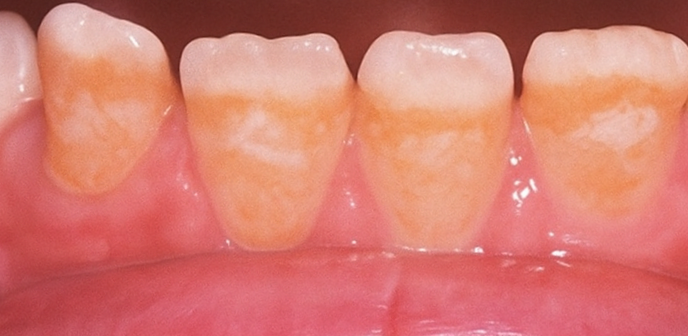
This condition can occur in both primary and permanent teeth,
and it is characterized by an uneven or thin tooth surface.
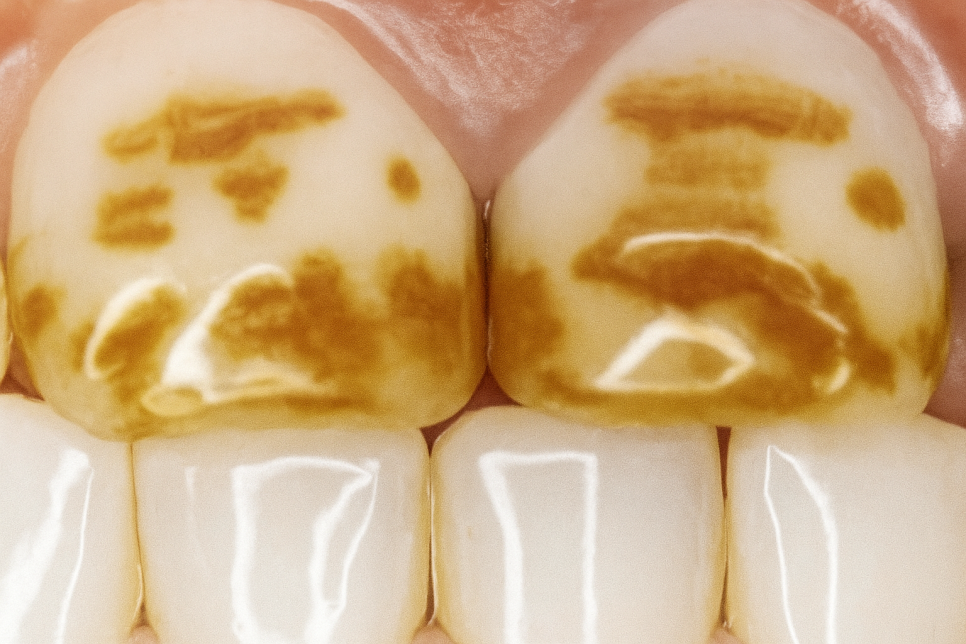
In addition, spots, pits, and cracks may appear,
and in severe cases, the dentin may be exposed.
Because function is weakened,
natural teeth become more easily worn down or damaged.
This is how a dental clinic in Gangseo-gu explains
the aesthetic impact.
The effect of this condition on appearance varies.
The most noticeable change is color.
When the outer layer becomes thinner or is damaged,
the yellowish dentin underneath shows through,
making the teeth appear yellow.
The smooth natural shine of healthy teeth disappears,
and the surface becomes rough,
which can make them look generally unclean.
The shape also changes.
Grooves or indentations may form on the surface,
or the teeth may look uneven,
and they may appear shorter
and flatter.
In severe cases,
brown or gray spots may appear,
and if the enamel becomes extremely thin,
the teeth may also look noticeably smaller.
This is how a dental clinic in Gangseo-gu explains
the treatment methods for Enamel hypoplasia.
The treatment method is chosen in various ways
depending on the degree of damage to the natural teeth
and on aesthetic and functional needs.
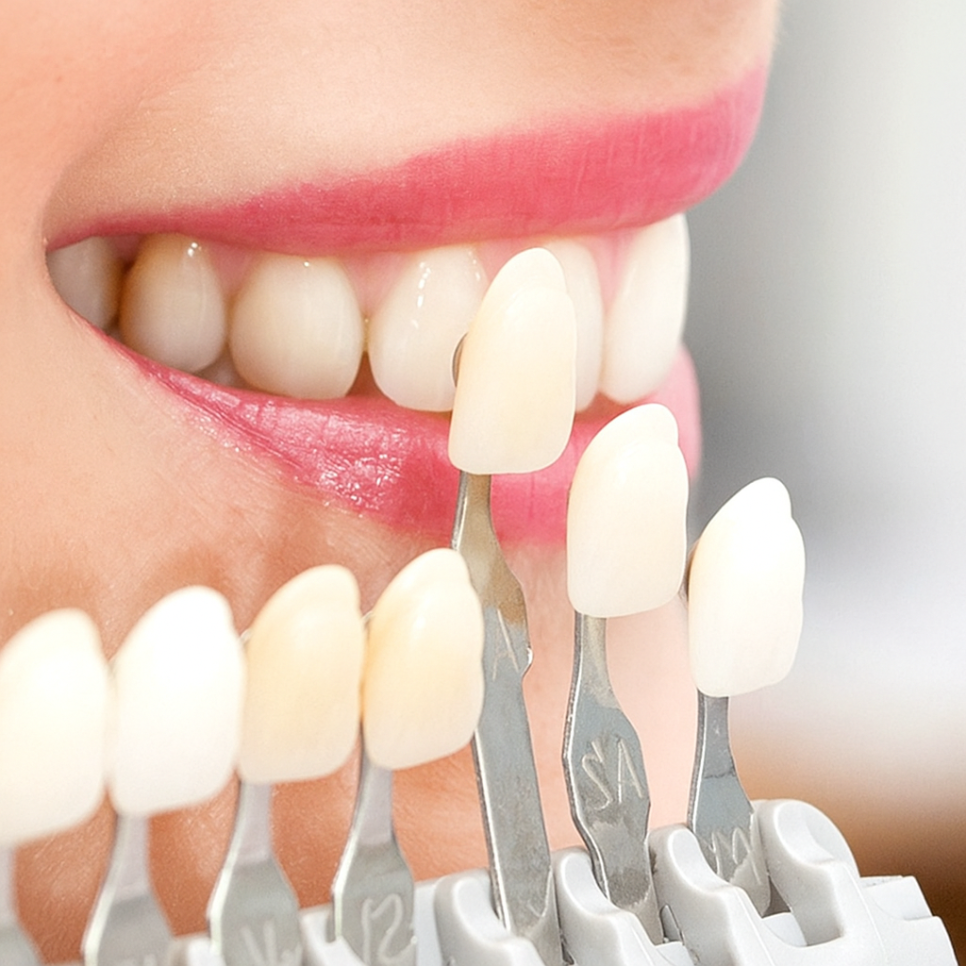
In mild cases,
surface defects can be removed
and the shade improved through microabrasion and whitening.
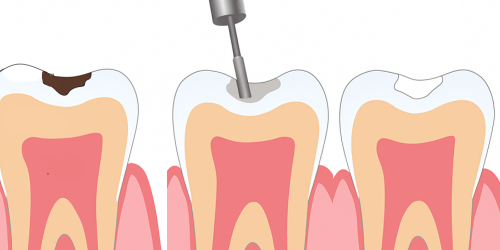
If there are localized discoloration or damaged areas,
those areas can be selectively restored
with resin fillings.
Sealants can be applied to defect areas
to protect the teeth and help prevent cavities.
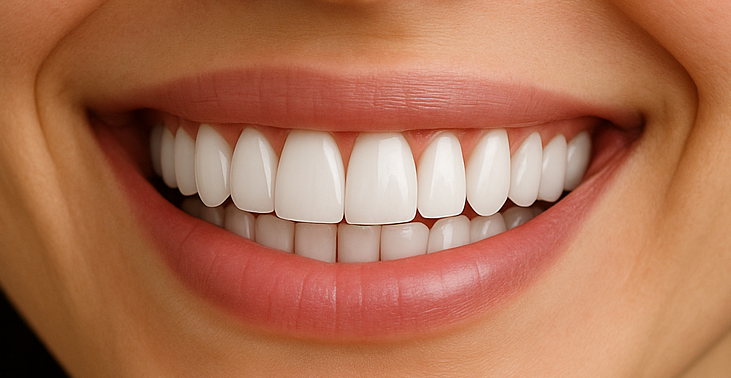
If the defects are extensive,
or if the natural teeth have severe aesthetic or functional loss,
prosthetic treatments such as veneers or crowns are considered.
A veneer is a method of attaching a thin layer of porcelain
to the tooth surface,
allowing a natural shape and color to be restored.
A crown is a method of covering the entire tooth,
and zirconia or porcelain materials can be used
to provide both strength and aesthetics.
The veneer and resin treatment process
Let’s take a look at the treatment process
through example photos prepared by
a dental clinic in Gangseo-gu.
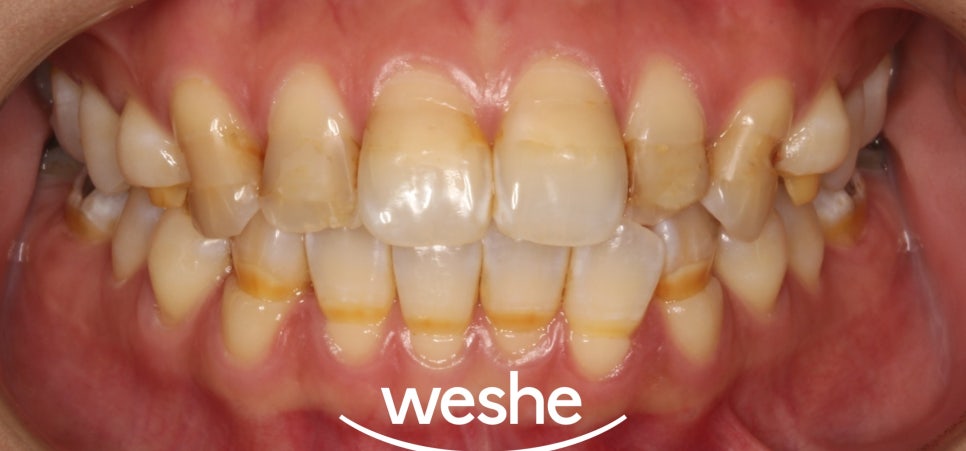
25.05.21
When looking at the intraoral view,
the natural teeth in the anterior area
have poor color and shape compared with normal teeth.
This is a typical case of enamel hypoplasia,
For the extensive defects in teeth 14 and 24,
veneer treatment may be applied,
and for the localized defects in teeth 33 and 43,
resin restoration treatment may be considered.
The oral condition is evaluated
and a 3D image is captured using an intraoral scanner.
After that, tooth reduction for veneers
and resin restoration can be performed.
The mouth is scanned again with the intraoral scanner,
and the veneers can be fabricated in the in-house dental lab.
The fit of the finished veneers is checked,
and temporary bonding is used
to see whether they fit the teeth well.
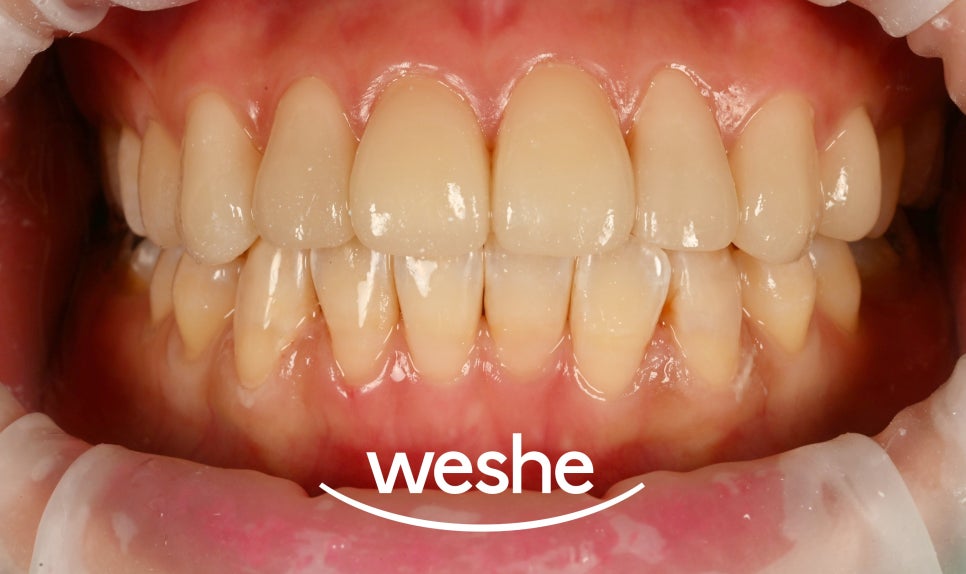
25.07.14
After bonding is completed,
the bite and aesthetics are checked,
and the treatment can be finished.
Enamel hypoplasia is
not merely an aesthetic issue,
but a condition directly connected to health.
It is important to receive an accurate diagnosis early
and begin appropriate treatment.
After treatment, regular checkups are needed
to continuously monitor the condition,
and proper oral care habits should be maintained.
It is a good idea to avoid hard foods,
and to brush your teeth after consuming dark-colored drinks or foods.
By making a plan suited to each person’s dental condition
and maintaining consistent care,
you can preserve a healthy and beautiful smile.
I was Yeo Sang-ho, the smile designer
who can help turn your wish into a beautiful smile,
the director of a dental clinic in Gangseo-gu.
Thank you for reading this long post.

Treatment period: 25.05.21~25.07.14