
Hello~
A greeting from Magong Dental Clinic, dreaming of tomorrow filled with everyone’s beautiful smiles.
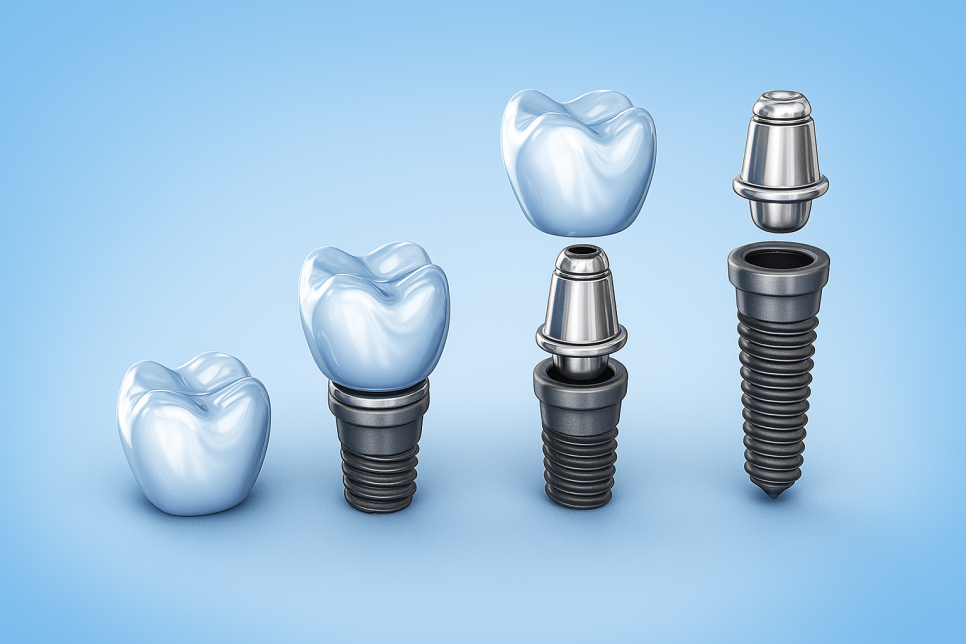
An implant refers to an artificial tooth made to replace a tooth when, for some reason, it has lost its natural function and can no longer recover.
However, when looking at the considerations before placing one,
many people hesitate.
This is especially true when you have an existing condition such as diabetes or osteoporosis.
Why is it difficult to receive an IMPLANT when you have such diseases,
and are there any other options?
We will explain the preparation and management methods for patients with systemic diseases.
If you have diabetes?

"Huh? What does diabetes, with its high blood sugar, have to do with implants?"
You may be wondering that.
From here on, Magong Dental Clinic will explain how these two are connected.
✅ What is the cause?
The causes of this disease are said to be complex, involving heredity, obesity, stress, poor eating habits,
lack of exercise, and aging.
In particular, because heredity plays a role,
those with a family history need to be especially careful.
It can also develop due to hormonal changes secreted during pregnancy.
✅ What part is the problem?
If high blood sugar continues over time,
blood sugar levels in the blood rise, which becomes the cause of the secretion of various inflammatory mediators.
And this can have negative effects in many ways.
As a result, periodontitis can occur or worsen,
and it can even lead to tooth extraction.
Conversely, people who already have periodontitis also find blood sugar control difficult because of this inflammatory response.
✅ What must be checked in advance!
So, for those who are concerned about this, the item you absolutely need to consider is checking your glycated hemoglobin (HbA1c) level.
When this level is stably maintained at 7% or below,
it can finally be recommended.
When blood sugar rises, white blood cell function declines,
resistance to infection also decreases,
and the body’s ability to heal wounds on its own is significantly reduced.
These factors can affect the recovery process after surgery.
Therefore, if you have this disease,
it is safer to create a treatment plan with a longer healing period
before and after placement, along with blood sugar management.
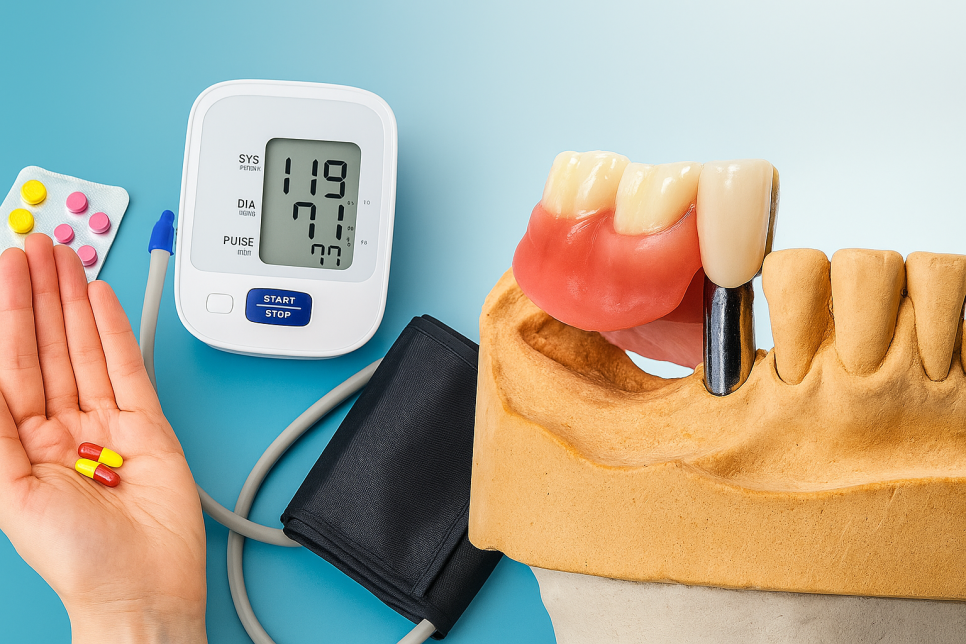
When you have high blood pressure?
✅ Why does it happen?
It appears through a complex interaction of various lifestyle factors such as heredity, aging, obesity, lack of exercise,
excessive sodium intake, smoking, heavy drinking, and stress.
There is also secondary hypertension, whose cause is clear due to a specific kidney disease or hormonal problem.
Likewise, because it runs in families,
if there is a related patient in the family, it is necessary to pay attention to everyday lifestyle habits.
In particular, nicotine, which is well known as a carcinogen,
can constrict blood vessels and reduce the blood’s oxygen-carrying ability.
✅ What is the problem?
If you have this chronic condition, we look at the medications you are taking
and the risk of bleeding due to blood pressure fluctuations during surgery.
The medications these patients usually take include aspirin and anticoagulants (warfarin, dabigatran).
These can inhibit platelet aggregation and prevent blood clot formation,
but at the same time,
they also make hemostasis more difficult.
In the case of aspirin,
even after stopping it, it can affect platelet function for 7 to 10 days.
For anticoagulants, it may be worth considering stopping them 5 to 7 days before the procedure,
but doing so raises the risk of various cardiovascular diseases.
✅ So what should you do..
Therefore, it is necessary to have a consultation with the primary physician before and after and establish a plan,
and it is recommended to stabilize blood pressure below 150/90 mmHg.
Anxiety and pain stress can also be factors that raise it,
so management is needed.

If the values are above that level, Magong Dental Clinic believes it is better to postpone the date.
When you have osteoporosis?
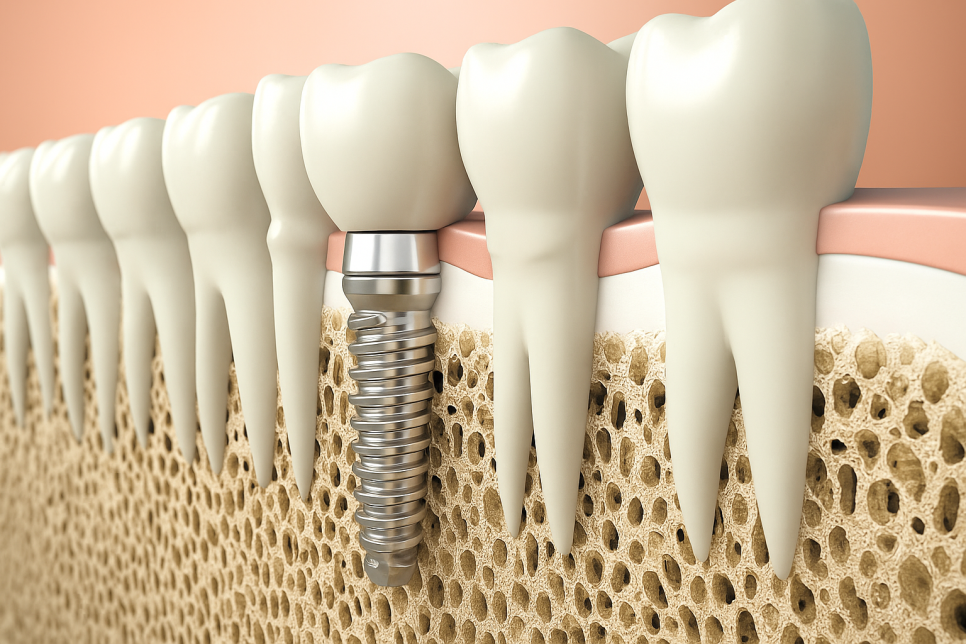
Now let’s move on to bone density and explain what problems it can cause,
as told by Magong Dental Clinic.
✅ What kind of disease is it?
Osteoporosis refers to a disease in which bone density decreases,
the microstructure changes,
and bone rigidity is reduced.
Causes of osteoporosis include aging or reduced hormones due to menopause,
deficiencies in essential nutrients such as calcium and vitamin D,
and factors such as lack of exercise, smoking, heavy drinking, and heredity.
It can also occur due to the use of certain medications, including steroids,
and rheumatoid arthritis.
And what lowers bone density like this can have a negative effect on osseointegration,
the process by which an implant and bone bond.
There are research results showing that the failure rate is actually higher,
but that does not mean treatment is difficult.
✅ Treatment direction
The key point is to respond by establishing an accurate diagnosis and plan,
checking the jawbone’s bone density through CT,
and depending on the level, taking additional measures such as bone grafting or sinus lifting.
If you are taking related medications,
we recommend accurately identifying the duration, type, and dosage,
and making a plan through consultation with the primary physician.
The barometer that determines implant success in patients with systemic diseases
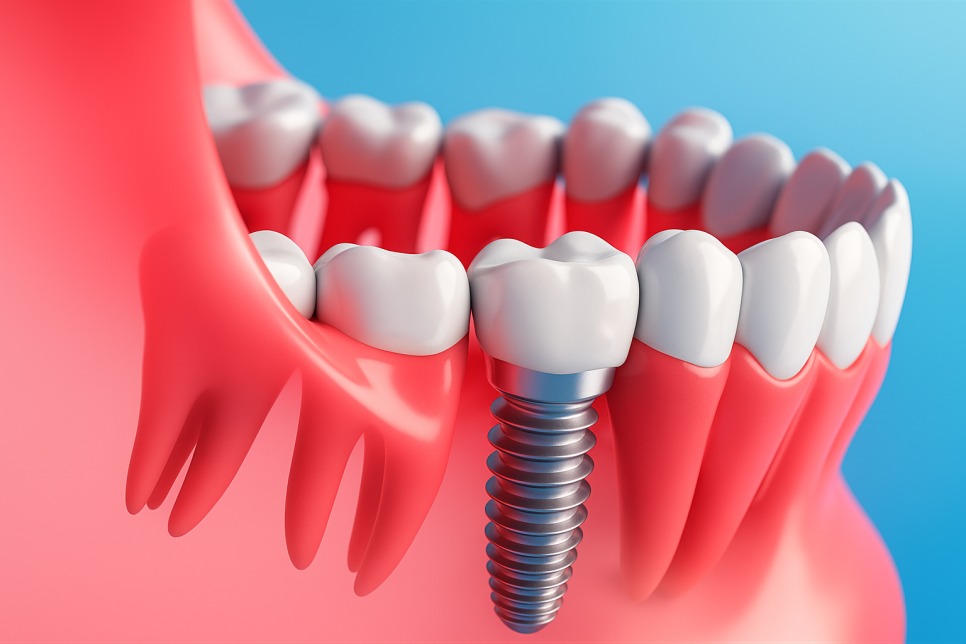
To summarize what I have said so far,
even if you have a systemic disease,
there are ways to successfully place an IMPLANT,
and we can see that careful detailed diagnosis and a treatment plan through consultation are necessary.
But that is not all.
Whether you manage your oral hygiene after treatment can also determine success.
In daily life, when brushing, it is good to use dental floss and mouthwash together to clean tartar and plaque,
prevent gum disease through regular checkups,
and check the osseointegration and stability of the placed fixture.
No smoking and no alcohol are essential,
and irregular eating habits should also be improved.
In particular, smoking and drinking are harmful to the body in many ways even beyond oral health,
so Magong Dental Clinic thinks it is best to quit now.
The connection between periodontitis and Alzheimer’s disease
✅ What is chronic periodontitis?
It refers to a disease in which inflammation develops in the tissues around the teeth,
spreads to the alveolar bone,
and eventually destroys the tissue.
If your gums bleed when brushing,
if your teeth are loose, if you are worried about bad breath,
or if you have difficulty chewing when eating,
you should keep this disease in mind as a possibility.
It usually appears frequently after the late 30s,
causing many people distress.
✅ But what does it have to do with IMPLANT?
If the alveolar bone has been destroyed and is insufficient because of this disease,
placing the fixture as is can be a factor that lowers the success rate.
The fixture must firmly attach to the jawbone
so that after the crown is placed later,
it can be used comfortably like the natural tooth that was originally there.
If there is a problem in this part,
it can likewise cause looseness and discomfort.
✅ But what on earth does it have to do with Alzheimer’s..
Many people may think this.
That is exactly why I included this part.
It is no exaggeration to say that this is why I wrote this section.
Even if we normally eat and drink various foods,
and then brush and rinse thoroughly afterward,
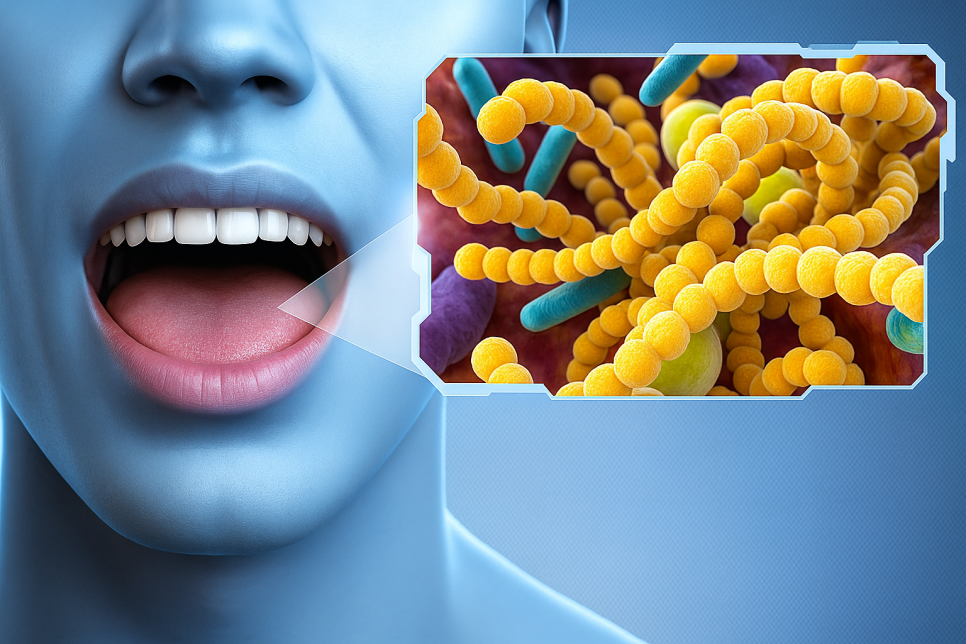
it is an obvious fact that tartar and plaque that could not be removed may remain in the mouth.
However, if we look at our usual eating habits,
we do not always eat only healthy foods,
and factors such as sugary snacks or smoking cause more tartar and plaque to build up,
which in turn leads to gum disease.
At this time, if harmful bacteria spread throughout the body through the bloodstream in wounds,
they act as one of the factors that cause many of the diseases mentioned earlier,
and among the diseases that develop this way are Alzheimer’s disease and vascular dementia.
People with periodontitis and dental caries have been shown to have a significantly higher likelihood of developing dementia and Alzheimer’s disease.
However, fortunately,
even simply maintaining oral health consistently, including brushing your teeth regularly, can lower that possibility.
Through today’s article, we were able to confirm that when systematic management is carried out,
the success rate can also increase.
With the hope that you can welcome a tomorrow where you can once again eat and drink comfortably like before
and smile naturally,
we have shared today’s topic.
We hope this was helpful.
Thank you to everyone who read this long post.
Magong Dental Clinic, Yonsei Wish, will say goodbye here.
We wish you a peaceful day.
Thank you.