Hello.
This is Gangseo-gu Magok Dental Clinic.
If you put off treatment because of fear of dental care,
your condition will eventually worsen,
and you may need more extensive treatment.
For people like this, 'sleep sedation' has become
an alternative.
Today, we will explain in detail the differences
between sleep sedation and general anesthesia,
which many people are curious about,
and whether people with thyroid disease can also
receive treatment safely.
[Today's Preview]
-
Conscious sedation vs. general anesthesia: what is different?
-
For patients with thyroid disease, what should be checked before sleep sedation?
-
Real-time monitoring system: an essential safety device
-
Sleep sedation-related frequently asked questions (FAQ) TOP 3
-
Conscious sedation vs. general anesthesia,
what is different?
Many people confuse sleep sedation
with general anesthesia,
but medically, they are clearly different methods.
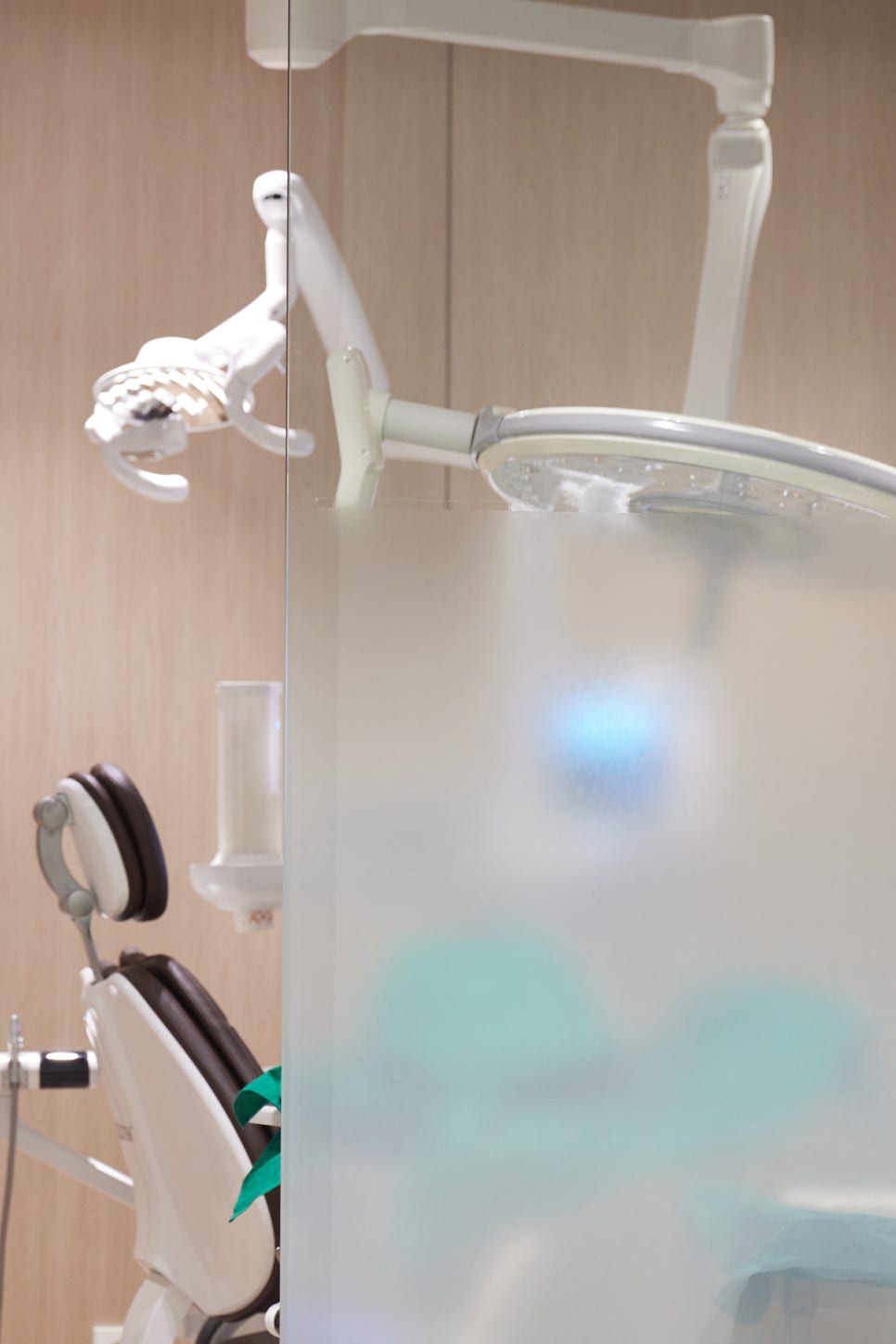
Let Gangseo-gu Magok Dental Clinic
briefly explain the difference.
| | Conscious sedation (sleep sedation) | General anesthesia |
|---|
| State of consciousness | Able to breathe on own, able to communicate simply | No consciousness at all, breathing with mechanical equipment |
| Recovery speed | Wakes up soon after treatment ends and recovers quickly | Requires a long time for anesthetic gas to be expelled and for recovery |
| Safety | Less strain on the body, advantageous for older adults and patients with illnesses | Places a greater burden on cardiopulmonary function, requiring detailed examination |
Conscious sedation, as the name suggests,
is a method of 'calming the patient while conscious,'
inducing a comfortable state similar to sleep.
- For patients with thyroid disease,
what should be checked before sleep sedation?
Having hyperthyroidism or hypothyroidism
does not automatically mean that sleep sedation is impossible.
However, at Gangseo-gu Magok Dental Clinic,
we often explain that 'whether it is controlled'
is the key point.
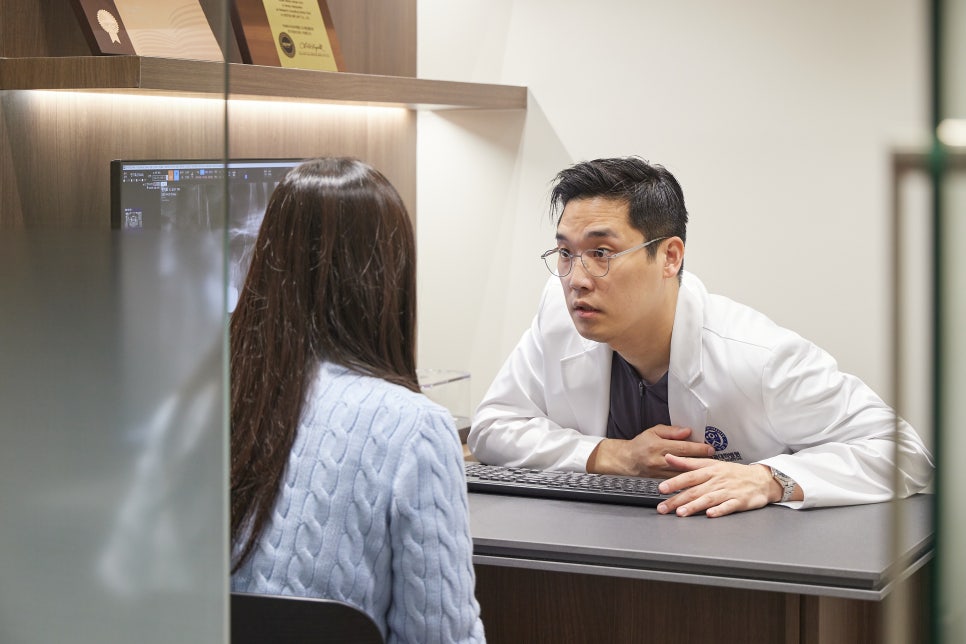
📌 Hyperthyroidism
Because the pulse may be fast and there may be
a burden on the cardiovascular system,
when selecting sedatives, medications that have
less effect on heart rate should be chosen.
📌 Hypothyroidism
Because drug metabolism may be slow,
it is important to carefully adjust the appropriate dosage.
※ Essential conditions:
You must accurately share the medications you are currently taking and your recent test values with the medical staff,
and it is safest to receive a "sleep sedation is possible" opinion
through collaboration with your internal medicine doctor.
- Real-time monitoring system:
A safety device for patients with systemic diseases
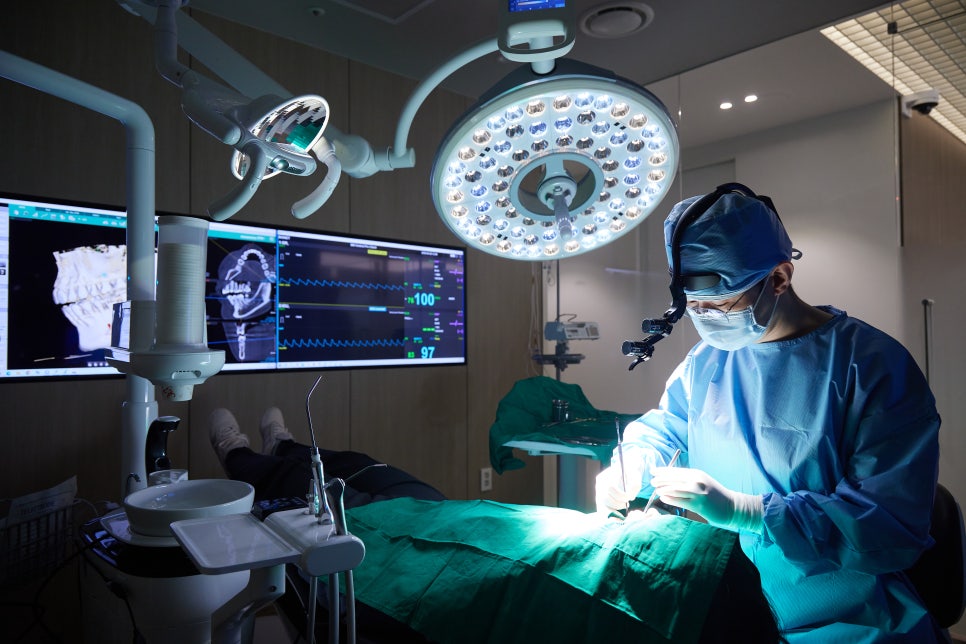
The most important thing in sleep sedation for patients with systemic diseases
is real-time monitoring.
At Gangseo-gu Magok Dental Clinic, during treatment,
we check the patient's vital signs in real time
and respond immediately to unexpected situations.
- Pulse oximetry
Real-time confirmation of whether there is enough oxygen in the blood
- Blood pressure and electrocardiogram monitoring
Monitoring whether the heart is under strain
- Gas analysis (End-tidal CO2)
The most accurate assessment of the patient's breathing status
It is extremely important to receive treatment in a place
that has such precise monitoring equipment.
- Frequently asked questions about sleep sedation
(FAQ)
Q1. What if I wake up during treatment while sleeping?
A. At Gangseo-gu Magok Dental Clinic,
we often explain that conscious sedation
is similar to being in a state of 'light sleep.'
If the patient shows a reaction, the medication dosage
is adjusted immediately to maintain a comfortable state again,
so there is no need to worry.
Q2. Can I drive right after treatment?
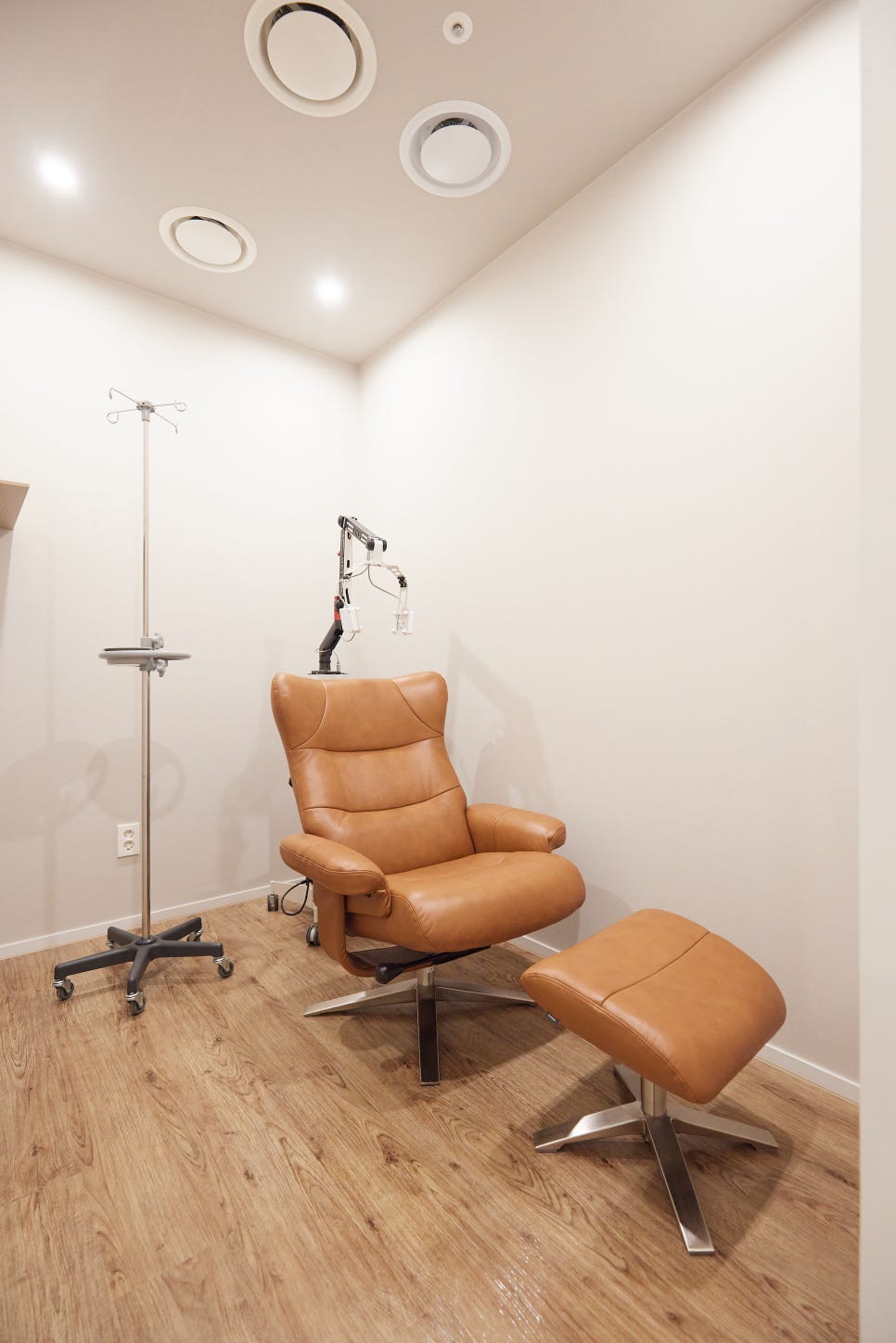
A. Even if it feels as though the anesthesia effect
has completely worn off,
judgment and reaction speed may still be reduced.
Be sure to come with a guardian,
rest sufficiently in the recovery room,
and avoid driving on the same day or making important decisions.
Q3. Is it possible if I have diabetes or high blood pressure?
A. Yes, it is possible.
In fact, it may be recommended for patients with systemic diseases because it can help prevent blood pressure from rising sharply due to pain.
However, adjustment of medications taken beforehand may be necessary.
For patients with thyroid disease,
it is essential to get enough rest the day before treatment
and check your condition on the day of treatment.
Rather than worrying that it is "absolutely impossible,"
we recommend first receiving a detailed consultation at a place
with experienced medical staff and proper equipment.
We hope today's information was of practical help
to those considering sleep sedation.
This has been Gangseo-gu Magok Dental Clinic.
Thank you for reading this long post.