Hello.
This is Magok Station Dental Clinic.
Have you ever heard this after receiving root canal treatment?
"Please come back next time to get a crown."
But the pain is gone,
and the tooth seems fine,
so from the patient's perspective,
it may not be clear why another visit is necessary.
Today, we will explain step by step
why a crown is needed after root canal treatment.
Table of Contents
-
Structural changes after root canal treatment
-
What happens if it is left without a crown?
-
Why zirconia crowns are often chosen
-
Frequently asked questions (Q&A)
-
Structural changes after root canal treatment
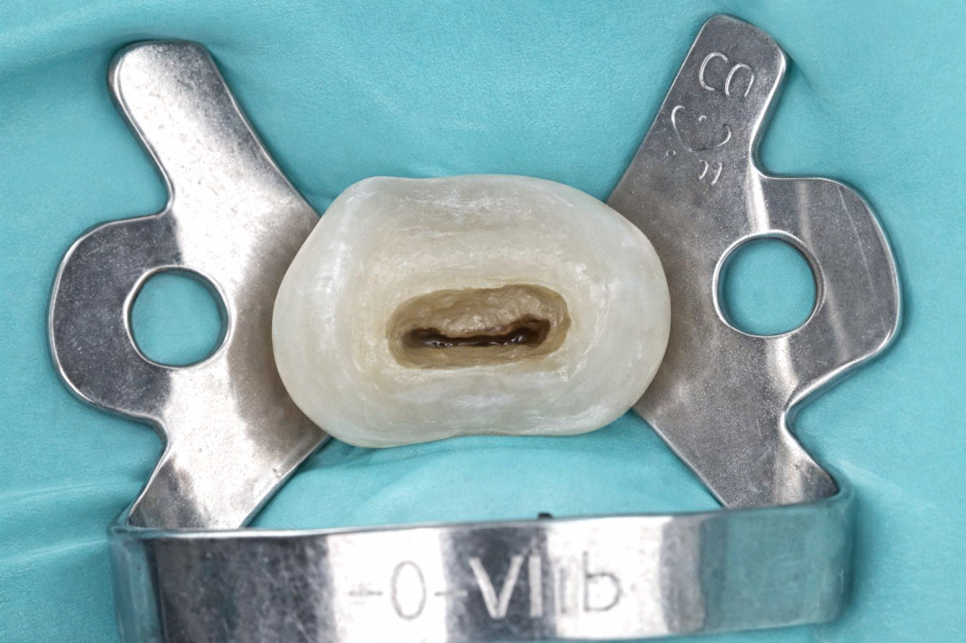
Root canal treatment is a procedure that removes
the nerve and blood vessel tissue inside the tooth.
It is a process of removing infectious factors,
but at the same time,
it also cuts off the pathway that supplies
moisture and nutrients needed for the tooth to stay alive.
As a result, even if it looks fine on the outside,
it gradually becomes dry internally,
and its elasticity and flexibility are lost.
To compare it with a tree,
a living tree does not break easily,
but a dried-out tree splits easily.
In other words, a tooth that has undergone root canal treatment
needs a measure to protect it from external impact.
- What happens if it is left without a crown?
If you use a tooth as it is after root canal treatment
without a crown,
cracks or fractures can occur.
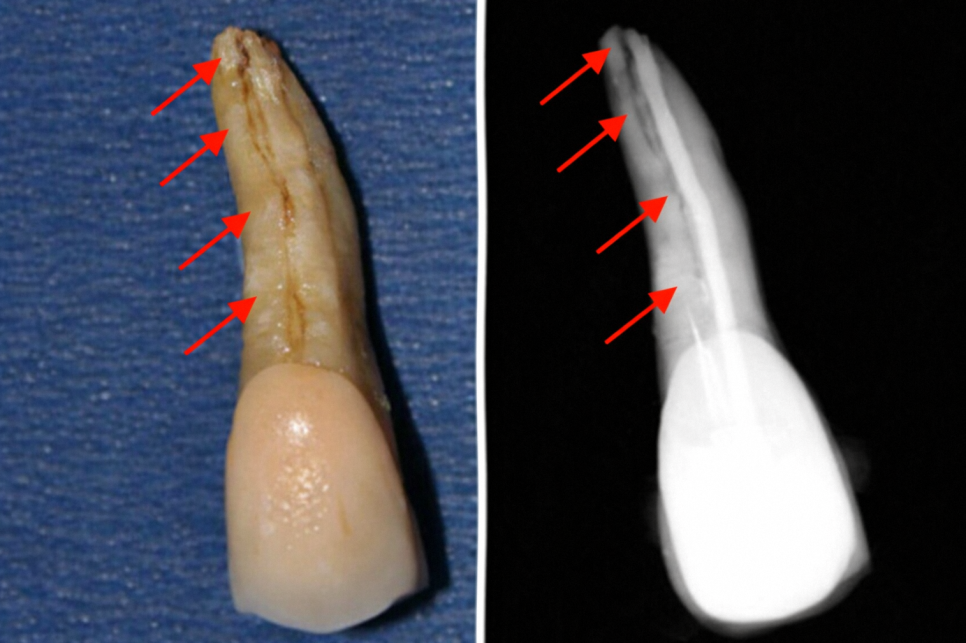
Unlike simple surface chipping,
if the damage extends to the root,
preservation may be difficult.
As mentioned at Magok Station Dental Clinic above,
you may question the need for a crown,
but a tooth with the nerve removed
cannot send pain signals at all.
In other words, even if something is wrong,
you may not feel it until one day the tooth suddenly breaks.
There is, however, a reason this happens
so often in molars in particular.
The posterior teeth are areas that receive
a large amount of force concentrated when chewing food.
For adults, the biting force applied
can reach as much as 70 to 100 kg.
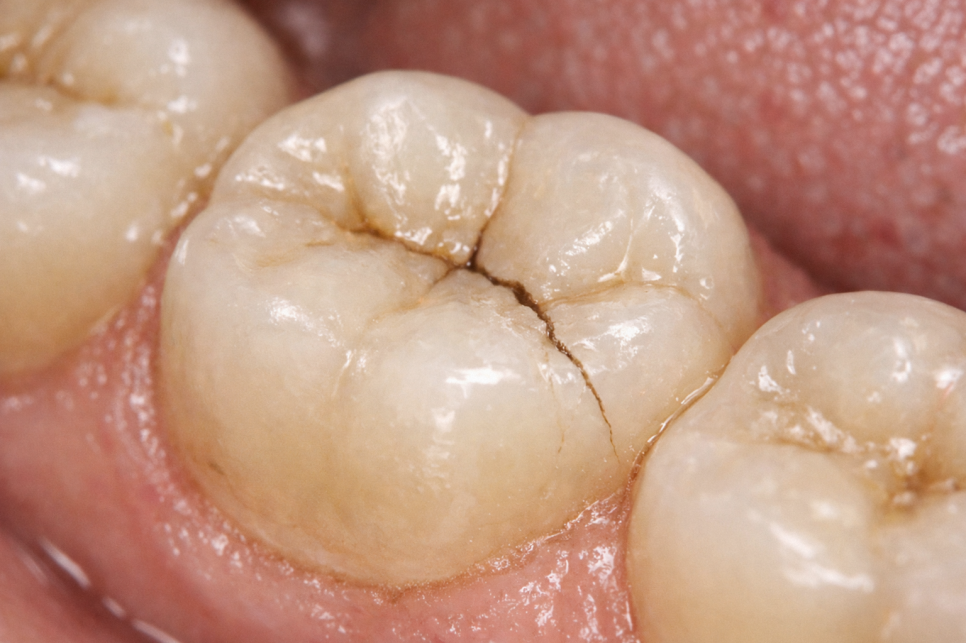
If this force is repeated over years or decades,
microcracks can form.
This can happen due to everyday habits such as
eating hard or tough foods,
unilateral chewing, teeth grinding, or clenching.
And like a tooth that has undergone root canal treatment,
if internal moisture and elasticity have decreased,
it becomes more vulnerable to impact and cracks more easily.
However, what Magok Station Dental Clinic emphasizes is that
teeth are not tissues that regenerate on their own.
If left untreated, cracks can gradually deepen,
so early diagnosis and treatment are most important.
- Why zirconia crowns are often chosen
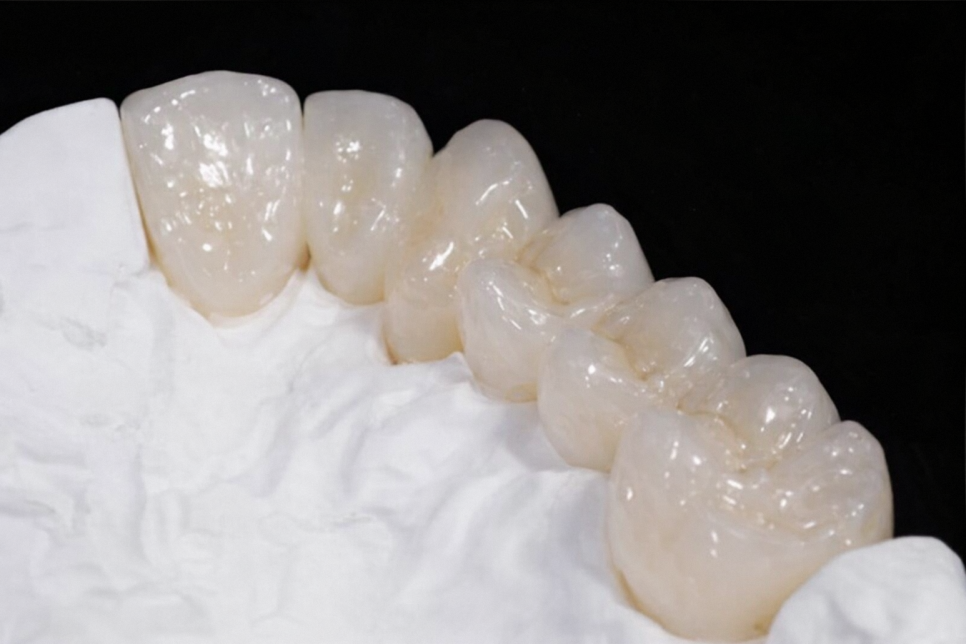
There are several materials used for crowns,
and one of the most commonly chosen is zirconia.
The reason can be explained mainly in terms of
strength and aesthetics.
Zirconia has a flexural strength
of around 1000 to 1200 MPa.
This is a level that can sufficiently withstand
the force applied to molars.
In addition, the importance of aesthetics
has been increasing recently.
Early zirconia was an opaque white material,
which had the drawback of looking different from natural teeth,
but it has now developed into a material with higher translucency,
making it possible to achieve colors that blend naturally
with adjacent teeth.
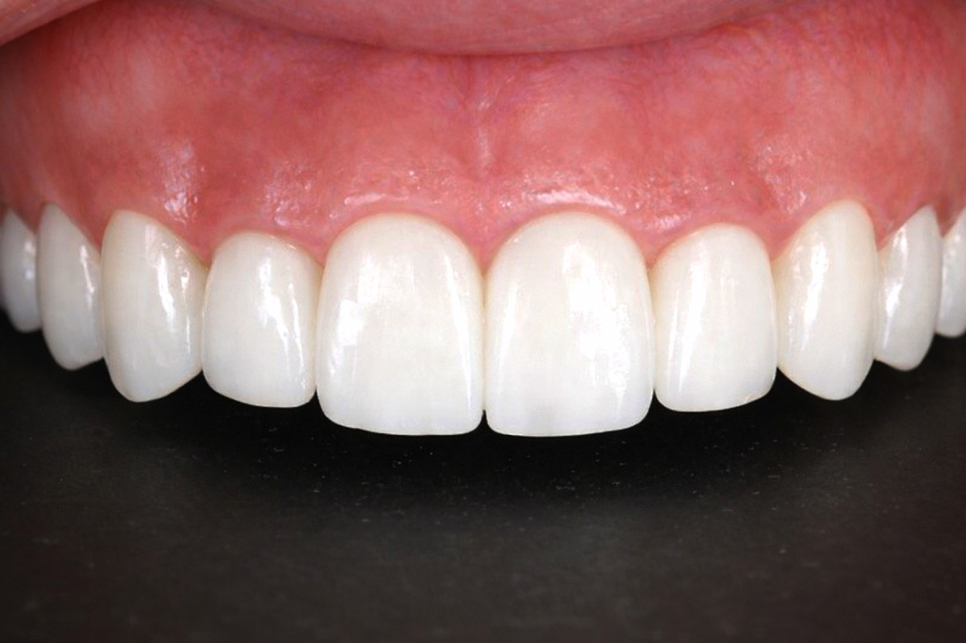
For this reason, its use has expanded
not only to molars but also to the anterior teeth,
meaning the aesthetic zone.
- Frequently asked questions (Q&A)
Q1. How long do zirconia crowns last?
A. It varies depending on the individual's oral care habits,
but they generally last more than 10 years.
However, for people who eat very hard foods
or have habits such as teeth grinding,
if oral hygiene is not well maintained,
the lifespan may be shorter than that.
Therefore, at Magok Station Dental Clinic,
we recommend having regular checkups every 6 months
and consistently monitoring the condition.
Q2. Do a lot of teeth need to be shaved down?
A. Since it is a structure that covers the entire tooth,
some amount of reduction may be necessary.
However, this process is performed within a range
that does not place undue stress on the tooth structure,
and it may vary depending on the situation,
such as the tooth's position, extent of damage,
and the amount of remaining tooth tissue.
Q3. How long does crown restoration take?
A. The period from tooth preparation to impression taking
and fabrication of the prosthesis
usually takes about 1 to 2 weeks.
However, the schedule may vary depending on the condition of the tooth
and the treatment method,
so it is best to confirm through a consultation.
Q4. What should I do if the prosthesis comes off?
A. You should visit as soon as possible.
If left without a crown for a long time,
the remaining tooth structure can be damaged,
and the risk of decay also increases.
Please do not throw away the detached prosthesis; bring it with you,
and we will check whether it can be reattached.
If it is not suitable for the oral environment,
refabrication may be necessary.
Thank you for reading this long post today.
This was Magok Station Dental Clinic.