Hello, this is a dental clinic in Gangseo-gu.
To maintain a healthy mouth,
many people diligently get scaling,
but some end up avoiding their next visit altogether
because sensitivity after treatment is uncomfortable.
Especially for those wearing orthodontic appliances,
or for those who have had implants placed,
cleanliness management is even more important,
but if discomfort keeps happening after every treatment,
it is understandable to delay regular care.
That is why we would like to introduce airflow scaling,
which can help ease these concerns.
Table of Contents
-
When tartar buildup is left untreated
-
Why scaling is necessary for orthodontic patients
-
How to prevent peri-implantitis
-
What is airflow scaling?
-
Frequently Asked Questions Q&A
-
When tartar buildup is left untreated
Countless bacteria attach to the tooth surface
in a thin layer every day.
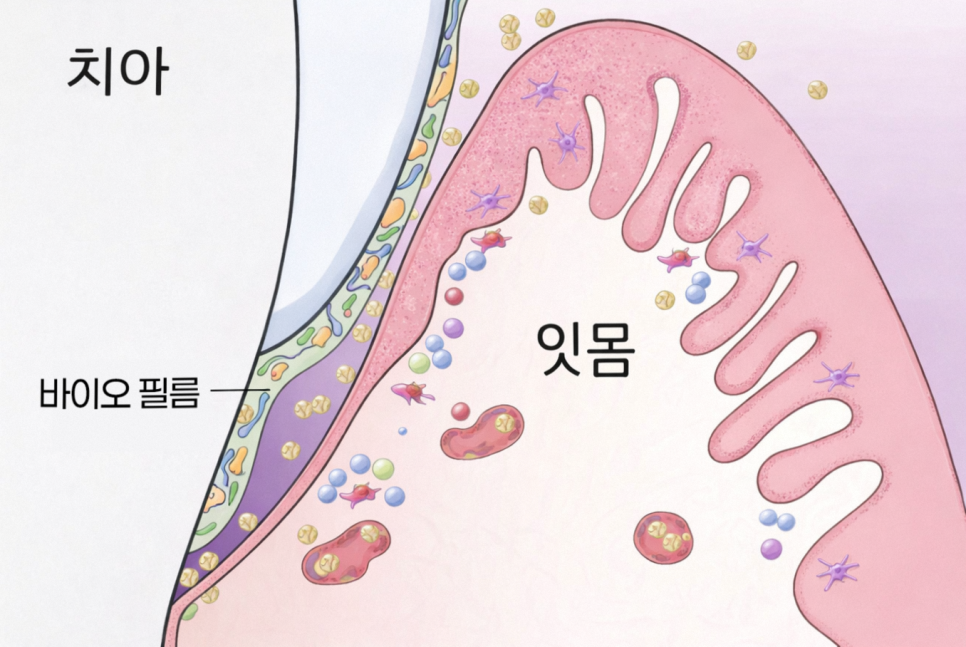
This is called biofilm (plaque),
and although it is not easily visible,
it is a major cause of gum inflammation
and periodontal disease.
Biofilm can be removed to some extent with brushing and flossing,
but in areas such as the border between the teeth and gums
or places that are difficult for tools to reach,
self-care alone is not enough.
This unmanaged plaque gradually hardens
and turns into tartar.
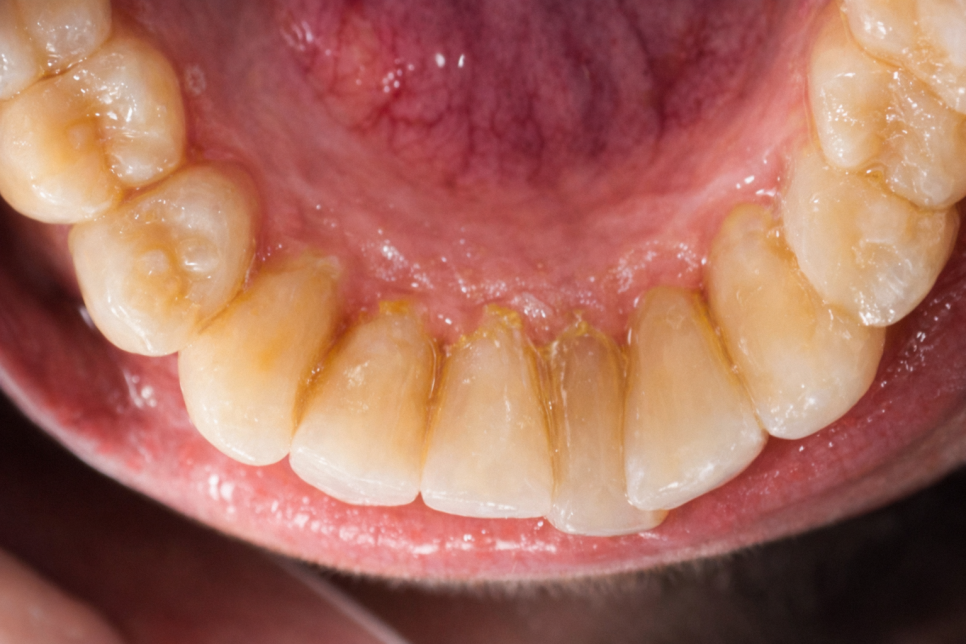
Tartar cannot be removed by brushing alone,
and it continuously irritates the gums,
which can lead to bleeding, swelling, and periodontitis.
Eventually, even bone tissue can be resorbed,
which may ultimately lead to tooth loss.
Therefore, the dental clinic in Gangseo-gu
recommends regular scaling.
- Why scaling is necessary for orthodontic patients
Especially during orthodontic treatment,
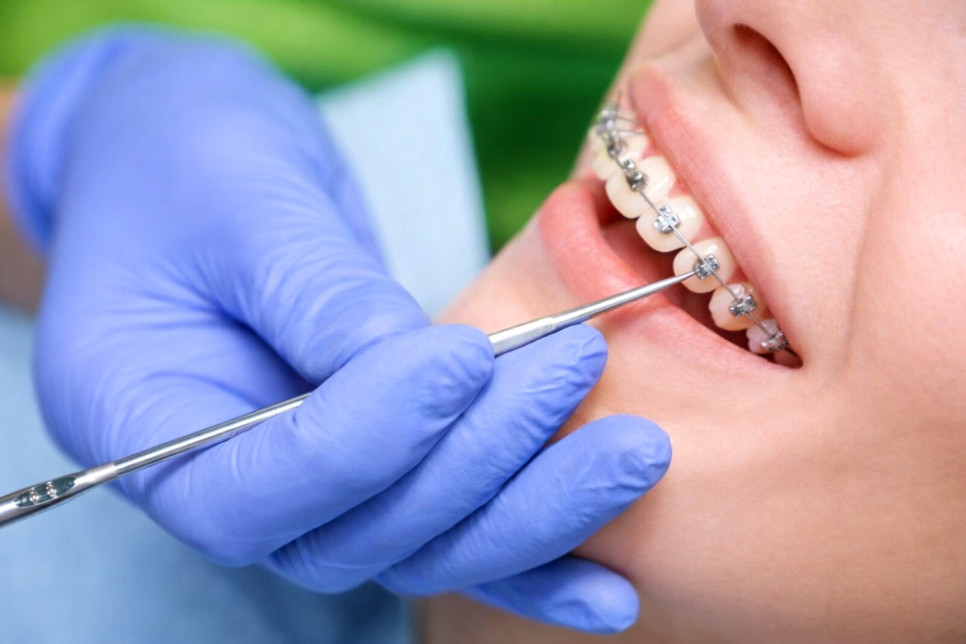
brackets and wires are attached to the surface,
making it difficult to maintain hygiene with brushing alone.
Between the brackets and teeth, under the wires,
and in other areas where food debris and bacteria
easily accumulate,
there are many blind spots.
The purpose of orthodontic treatment is to improve tooth position
and occlusion,
but if the periodontal tissues are not healthy,
it is difficult to expect a good prognosis.
Additional treatment may become necessary,
which can lengthen the overall treatment period
or reduce stability.
Even during orthodontic treatment,
regular scaling should be performed alongside care.
This is an essential management method.
- How to prevent peri-implantitis
Following the orthodontic patients mentioned earlier
at the Gangseo-gu dental clinic,
this is also essential for people who have received implants.
Natural teeth have a tissue called the periodontal ligament
between the tooth and the jawbone.
The periodontal ligament absorbs impact during chewing,
allows blood vessels and nerves to pass through,
and also helps block bacterial invasion.
However, implants do not have a periodontal ligament,
and inflammation progresses very quickly.
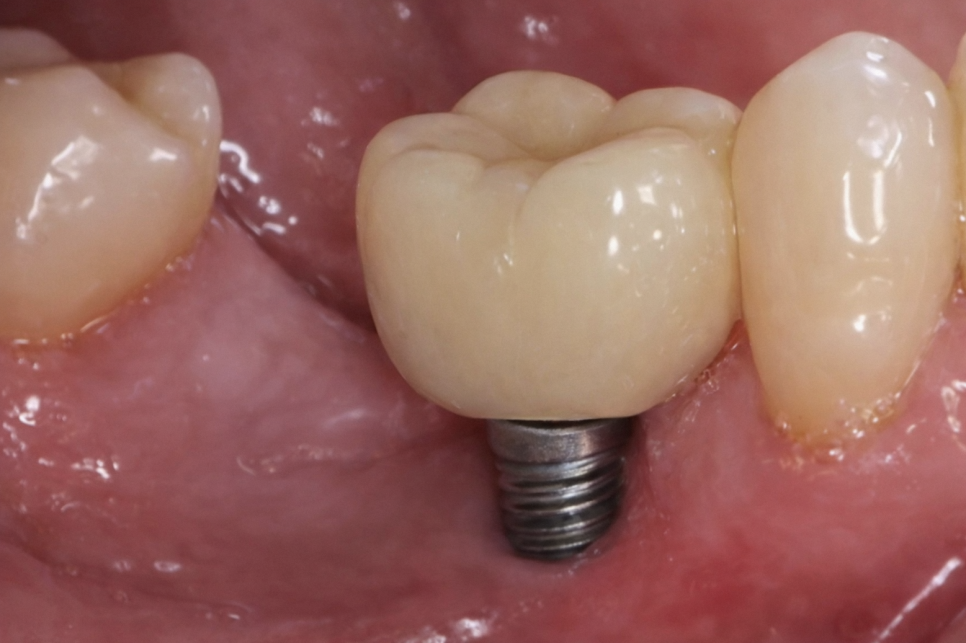
The condition in which inflammation occurs around an implant
is called peri-implantitis.
In the early stages, it may only cause gum swelling and bleeding,
but if left untreated, the surrounding bone tissue is also resorbed,
and reoperation may become unavoidable.
Because treatment is not easy once it occurs,
prevention is especially important.
- What is airflow scaling?
Conventional ultrasonic scaling
uses the vibration of a device
to physically remove tartar.
It is effective at removing hardened tartar,
but during the process of direct contact with the tooth surface,
it can also cause sensitive reactions.
Especially in cases where the surface condition is important,
such as implant prosthetics or orthodontic appliances,
direct contact should be avoided as much as possible.
For those who are concerned about this,
scaling using airflow
can be one option.
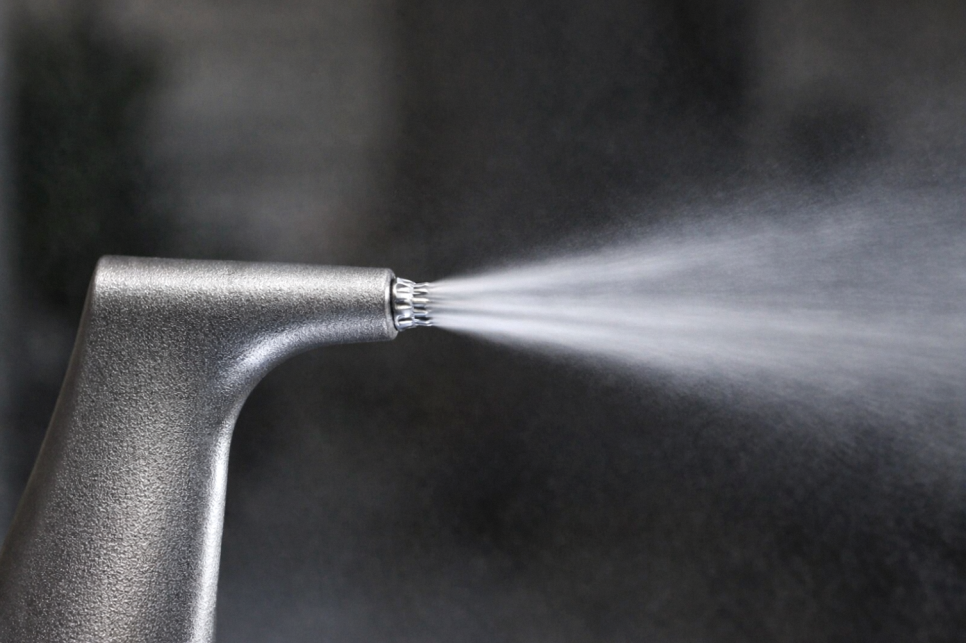
It is a device that removes biofilm and stains
by spraying fine powder particles
with water and compressed air.
Sensitivity that appears after conventional ultrasonic scaling
often occurs during the process when the tooth root is exposed
or irritated.
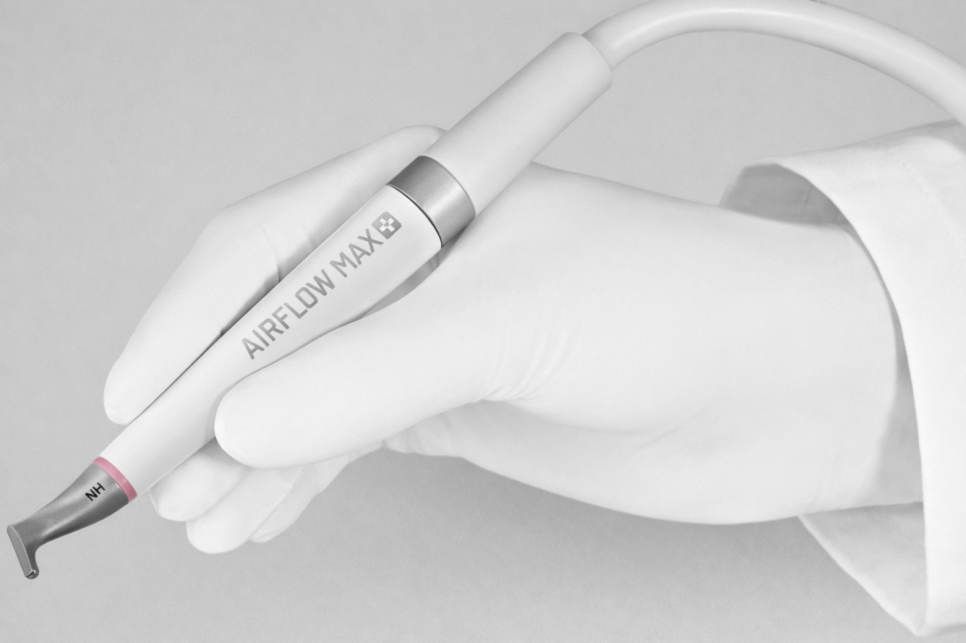
Because Airflow does not involve direct instrument contact,
it can reduce this type of contact irritation itself.
If you have been delaying regular care
because sensitivity after scaling is uncomfortable,
Airflow may be an alternative.
Another advantage emphasized by the dental clinic in Gangseo-gu
is that because the device does not directly touch
the tooth or implant surface,
the risk of damage is low.
Therefore, the more precise the care required,
the more effective the advantages of a non-contact method become.
- Frequently Asked Questions Q&A
Lastly, at the Gangseo-gu dental clinic,
let us take some time for Q&A
about frequently asked questions.
Q1. How often should it be done?
Generally, once every 6 months is recommended.
However, for those undergoing orthodontic treatment or those who have had implants placed,
plaque and tartar tend to build up more easily,
so a shorter interval may be recommended.
The schedule may vary depending on your oral condition,
so it is best to receive a consultation during your visit.
Q2. How long after implant placement
can scaling be received?
Immediately after fixture placement,
the surrounding tissue is in a recovery period,
so it is better to avoid it for a certain period.
In general, many cases can receive care
after at least 3 months have passed
and stable osseointegration has been achieved.
Q3. Are there any precautions
after scaling?
There are no special restrictions immediately after the procedure,
but precautions vary depending on the individual's oral condition
and any additional treatment performed.
Therefore, please follow the medical staff's instructions
and manage your care thoroughly.
Q4. Is bleeding from the gums
normal?
A small amount of bleeding is one of the common reactions.
The gums in areas where tartar has built up
are often in a state of chronic inflammation
due to ongoing irritation,
so bleeding may occur during treatment.
In most cases, it subsides within a day or two,
and the symptoms may decrease
after receiving regular scaling.
This was the Gangseo-gu dental clinic.
Thank you.