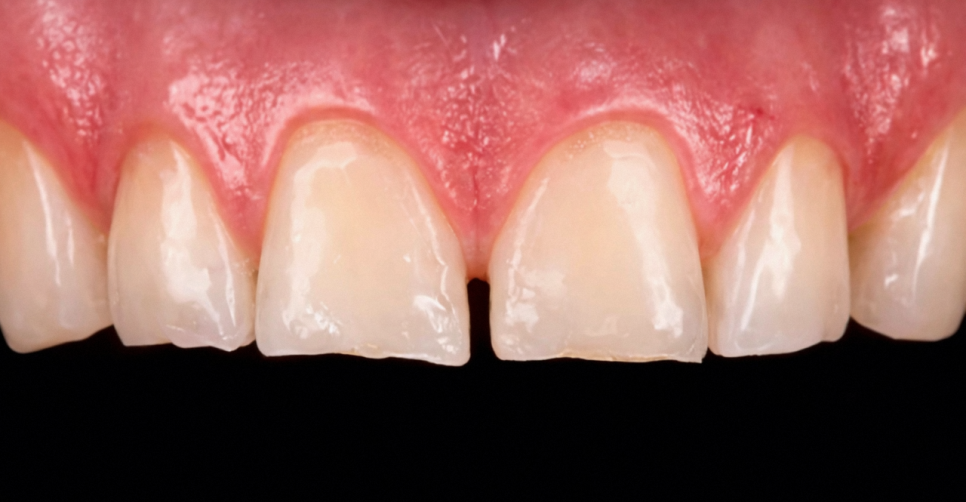
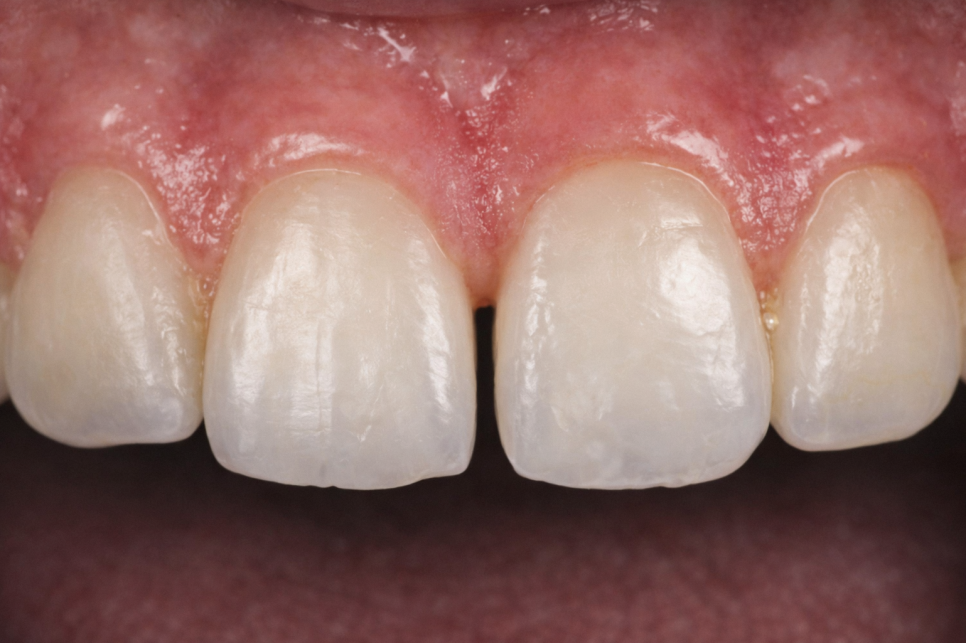
The empty space that forms between teeth
is called interdental spacing or diastema.
Because it is often found in the front teeth,
it frequently leads to aesthetic concerns.
In addition, food can easily get trapped in the gaps,
a brush cannot easily reach those areas,
and this can lead to cavities and gum problems.
There are various ways to resolve this diastema,
depending on the patient’s oral condition.
In this Gangseo-gu dental clinic post,
we will focus on resin and laminate veneers
and explain them in detail.
Table of Contents
-
Resin restorations that fill the space in a single-day procedure
-
Laminate veneers that resist discoloration and offer a refined finish
-
Things to check before resin or laminate veneer treatment
-
Take care of both aesthetics and health at the same time.
-
Resin restorations that fill the space in a single-day procedure
Resin is a method of restoring the tooth surface
while reproducing a color similar to that of natural teeth.
It can be performed on the same day without a separate lab process,
and because it removes very little of the tooth,
it is also very advantageous from a preservation standpoint.
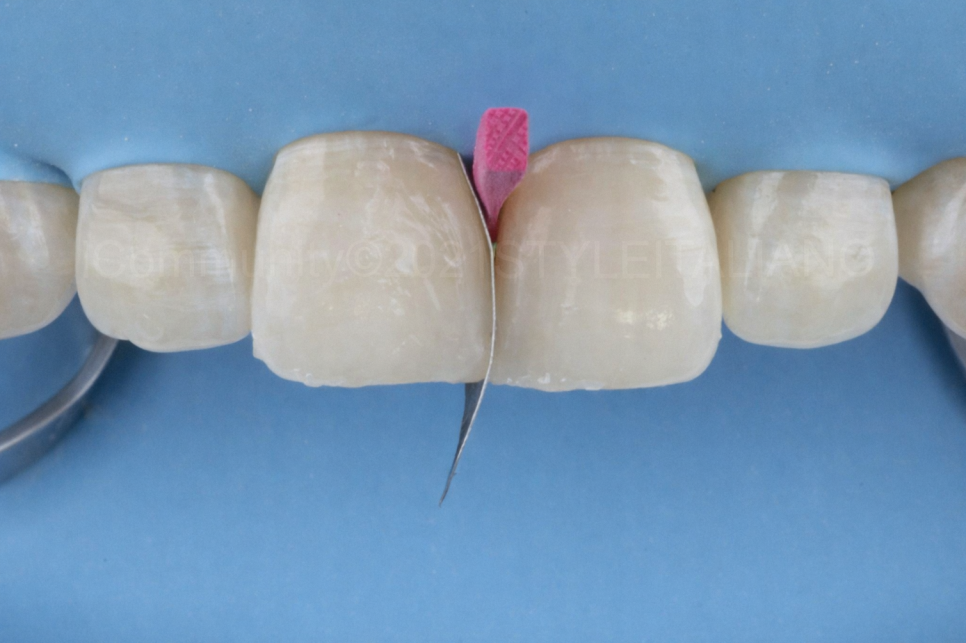
When the gap is not large,
filling material can be added to both teeth
to reduce the space naturally.
When performing resin restorations at the Gangseo-gu dental clinic,
the most important factor is
naturalness.
Not only the color but also the contours of the teeth
must be considered so that they harmonize with the surrounding teeth
and do not feel out of place.
However, due to the nature of the resin material,
its lifespan can vary greatly depending on maintenance.
It has relatively low strength and is vulnerable to wear,
and it may become discolored over time.
Therefore, to maintain a healthy condition,
regular checkups are recommended.
If necessary, adjustments or re-restoration can help
maintain health.
- Laminate veneers that resist discoloration and offer a refined finish
The second method introduced at the Gangseo-gu dental clinic
is laminate veneers.
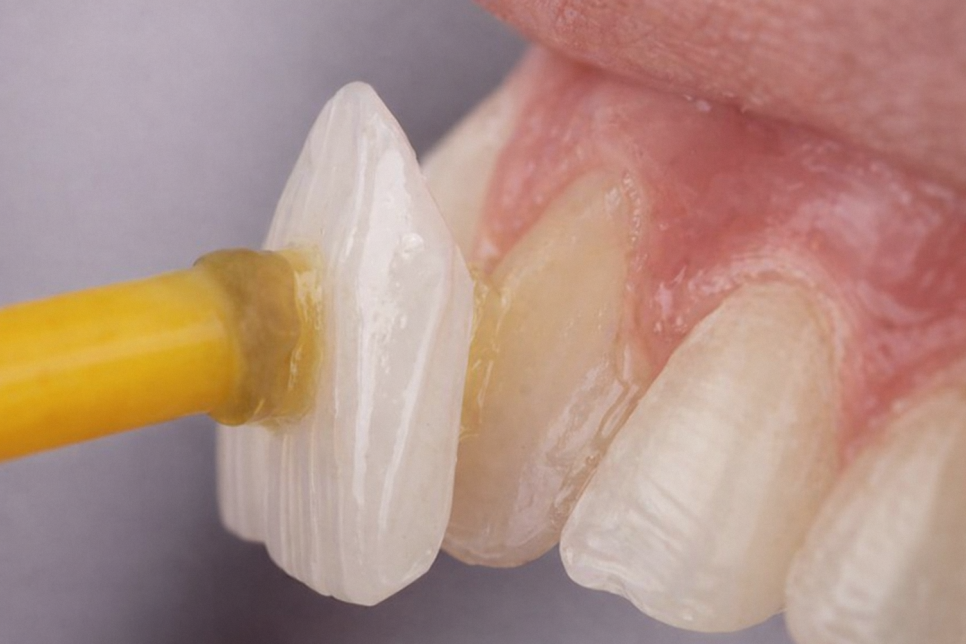
This method involves lightly reducing the tooth surface
and bonding a ceramic material to it.
Compared with crowns, less tooth reduction is needed,
and it can improve the tooth’s color, shape, and size at the same time
while also filling in empty spaces.
Compared with resin, it is more resistant to discoloration
and can achieve a translucency similar to natural teeth,
making it a prosthetic restoration with a high level of aesthetic completion.
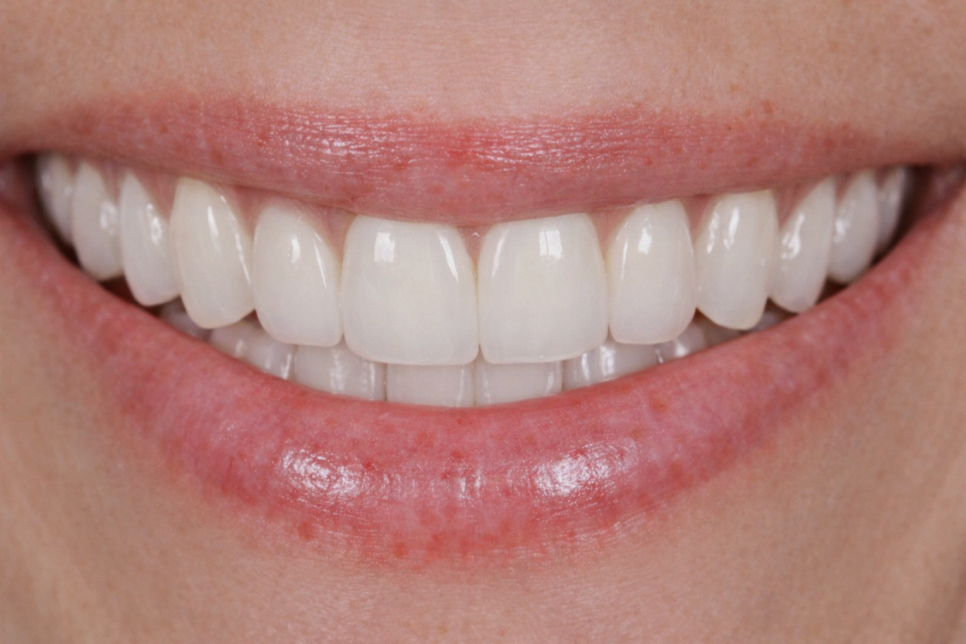
In particular, if an overall improvement in tooth shape is needed,
laminate veneers often produce good results.
- Things to check before treatment
Both resin and laminate veneers
can solve diastema,
but the criteria for choosing between them vary depending on the situation.
If the space is not large and the tooth shape is relatively even,
resin can be considered first.
On the other hand, if the space is wider or if improvements in both color and shape are needed,
laminate veneers may be the more suitable choice.
What we would like to point out here at the Gangseo-gu dental clinic
is the cause of the diastema.
If the reason the teeth have spread apart is
periodontal disease or a poor oral habit,
even if the diastema is corrected well,
there is a high chance it may recur.
Therefore, it is advisable to identify and address the cause first
before proceeding with treatment.
- Take care of both aesthetics and health at the same time.
Diastema treatment
is not simply about changing appearance.
Being able to smile without covering your mouth,
and not worrying when speaking
can lead directly to confidence in daily life.
Because gaps that are left untreated for a long time
can also affect oral health,
we recommend considering diagnosis in a timely manner.
Lastly, let’s finish with a Q&A session.
Q1. Is treatment really necessary?
Treatment is not absolutely required,
but as mentioned earlier at the Gangseo-gu dental clinic,
it may be difficult to maintain hygiene.
Since this can lead to cavities and periodontal disease,
it is best to decide whether treatment is needed
while also considering oral health.
Q2. How can resin restorations be used for a long time after treatment?
The lifespan of resin depends on care habits.
It is best to avoid foods that cause discoloration,
and you should refrain from hard foods.
In addition, with thorough oral hygiene management,
regular checkups are essential to
continuously monitor the condition.
Q3. Does laminate veneer placement have a negative effect on teeth?
Laminate veneers themselves do not harm your health.
However, the procedure involves partial reduction of the tooth surface,
and since once removed, tooth structure cannot be restored,
it is important to make the decision carefully.
Also, careful maintenance after the procedure is key,
and if bacteria penetrate the margin area,
the chance of cavities increases,
so you should use dental floss and have regular checkups.
Q4. If only one front tooth is restored with resin,
won’t it look obvious?
A well-finished resin restoration is shaped and shaded
to blend naturally with the surrounding teeth,
so in many cases it does not stand out much.
However, how natural the result looks
can vary greatly depending on how precisely the work is done.
If the shape does not match the adjacent area,
it can feel more unnatural,
so it is better to receive treatment from a place with extensive experience.
That concludes our Gangseo-gu dental clinic post.
Thank you.