Hello.
I’m Yeo Sang-ho, the head dentist at a dental clinic in Gangseo-gu.
Many people leave a missing tooth untreated for a long time and then decide to get an implant.
The reasons vary, including cost, time, and dental fear,
but one of them is overall health issues.
Some patients even ask,
“Is treatment actually possible?”
To start with the conclusion,
it is not absolutely impossible.
However, it should not be approached using the same standards as for general patients,
and a customized plan based on your health condition is needed.
Table of contents
-
Why should patients with systemic diseases be careful when getting implants?
-
What conditions are needed?
-
Check the possibilities before giving up.
-
Frequently asked questions Q&A
-
Why should patients with systemic diseases be careful when getting implants?
So, for what reasons
should a cautious approach be taken?
For example, in patients with diabetes,
whether blood sugar is being controlled has
a major effect on the recovery process.
When blood sugar is high,
the immune function is significantly weakened,
and wounds heal more slowly.
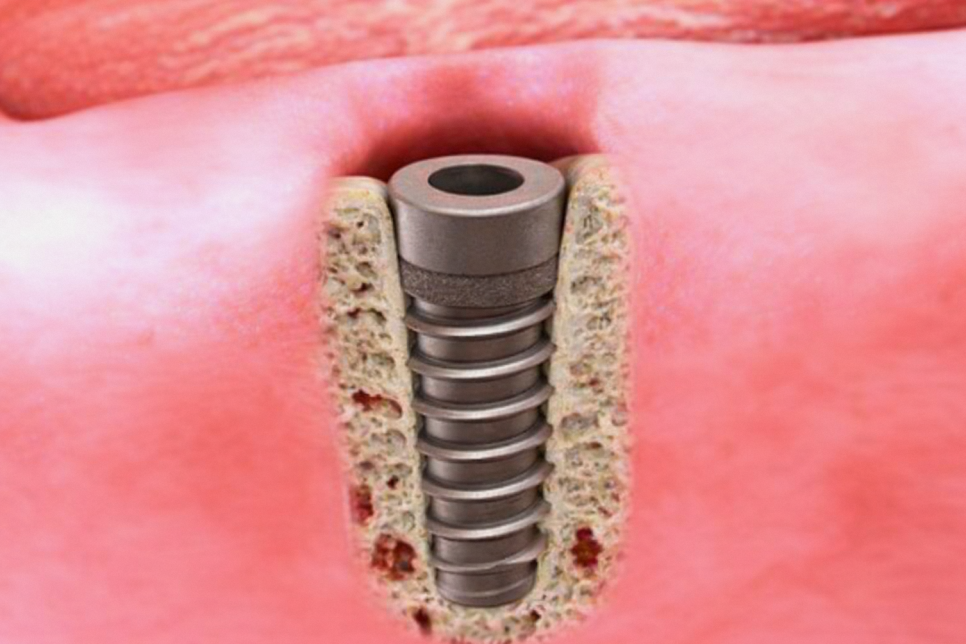
What determines the success of implant treatment is
whether the artificial root is firmly fixed to the bone,
but if high blood sugar continues,
the osseointegration process can become unstable,
and the risk of infection also becomes very high.
Let me give one more example from a dental clinic in Gangseo-gu.
A concern many patients with high blood pressure have is bleeding.
If you are taking anticoagulants or antiplatelet medications,
bleeding during the procedure may last longer than expected.
In addition, if your blood pressure is unstable,
the anesthesia or stimulation from the procedure may cause blood pressure fluctuations,
so this must be checked and prepared for in advance.
- What conditions are needed?
Then what kind of preparation is needed?
The standard presented by the dental clinic in Gangseo-gu is clear.
The key is whether the condition is being well controlled.

In general, if blood sugar is being maintained stably,
it is judged to be a condition in which the procedure can proceed.
That is why we first check whether internal medicine collaboration is needed before the procedure,
wait until the condition is sufficiently stable,
and then continue treatment step by step.
The same applies to patients with high blood pressure.

If your blood pressure is being maintained stably,
an implant is definitely possible.
We check blood pressure directly on the day of the procedure
and carefully review the list of medications you are taking in advance,
then reflect that in the treatment plan and process.
Therefore, the key is not to rush;
starting treatment when the conditions allowed by your overall health have been met
leads to stable results.
- Check the possibilities before giving up.
Just because you have a systemic disease,
you do not need to give up in advance.
Even if you have diabetes or high blood pressure,
or even if you have both,
treatment is possible if the conditions are right.
What matters is how well your current physical condition
is being managed,
and also finding medical staff who fully understand this
and can reflect it in treatment.
That is why medical institutions like a dental clinic in Gangseo-gu
do not judge only whether the procedure can be performed.
They look at the patient’s overall health,
decide on the safe timing and sequence together,
and prioritize safety throughout the process.
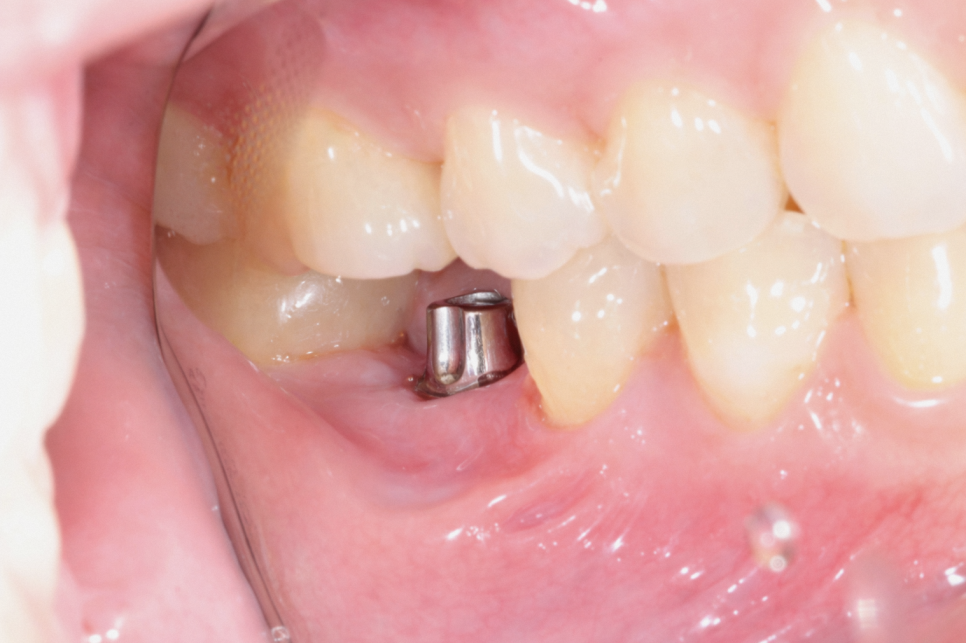
The longer a missing tooth is left untreated,
the more the surrounding bone and gums can deteriorate,
which can also increase the difficulty of treatment.
So if you are considering an implant,
we recommend choosing consultation before giving up.
- Frequently asked questions Q&A
Lastly, I’ll finish by answering
the questions patients ask most often.
Q1. What happens if blood sugar is high on the day of the procedure?
Whether the procedure proceeds will be decided
based on the blood sugar level on that day.
As mentioned earlier by the dental clinic in Gangseo-gu,
if the level is excessively high,
recovery is slower and the risk of infection is higher.
Depending on the situation, the procedure may be postponed that day,
and the schedule adjusted to a more stable day.
Q2. Is it possible to place several implants at once?
It is not impossible,
but it requires a cautious approach.
Because several are done at once,
the procedure time inevitably becomes longer,
and the burden that follows also increases.
Therefore, depending on your overall health,
doing them separately in stages
can be the safer choice.
Q3. Do patients with systemic diseases need a different checkup schedule?
Because your health condition may affect your gum condition or
the osseointegration process,
more frequent visits are recommended.
Especially during the early recovery period,
the progress needs to be evaluated closely.
Q4. Is bone grafting also possible?
Bone grafting itself is not difficult.
However, because it places more burden than a standard procedure,
it should be carried out under stable systemic health conditions,
and the treatment sequence and timing must be planned carefully.
This has been the dental clinic in Gangseo-gu.
Thank you.