When accompanying elderly parents
many people come to the consultation room
ask the same questions.
They are worried about their age and whether it is okay to get implants,
and they say the surgery feels too frightening...
With concerns like these,
they often look worried.
Naturally, the older a person gets,
the more understandable it is to hesitate about treatment.
Some people are deeply concerned about surgery
and give up on treatment
simply because they are older.
However, as we get older,
there are clear reasons to consider implants.
This is because issues with chewing function that dentures cannot solve,
the gradual loss of jawbone,
and even an overall decline in quality of life are all connected.
Today, together with Magok Dental Clinic,
we will take time to talk through these concerns
and look at solutions for them as well.
- Is it possible for older patients?

One point many people misunderstand is
surgery for older patients.
For implants, age itself
is not a contraindication.
In fact, if you look around you,
you can see patients in their 70s and 80s
who complete the surgery well and use them healthily.
What matters more is overall health
and the condition of the jawbone.
However, one point we would like to note at Magok Dental Clinic is that
if you have chronic conditions such as diabetes or high blood pressure,
a more cautious approach is needed.
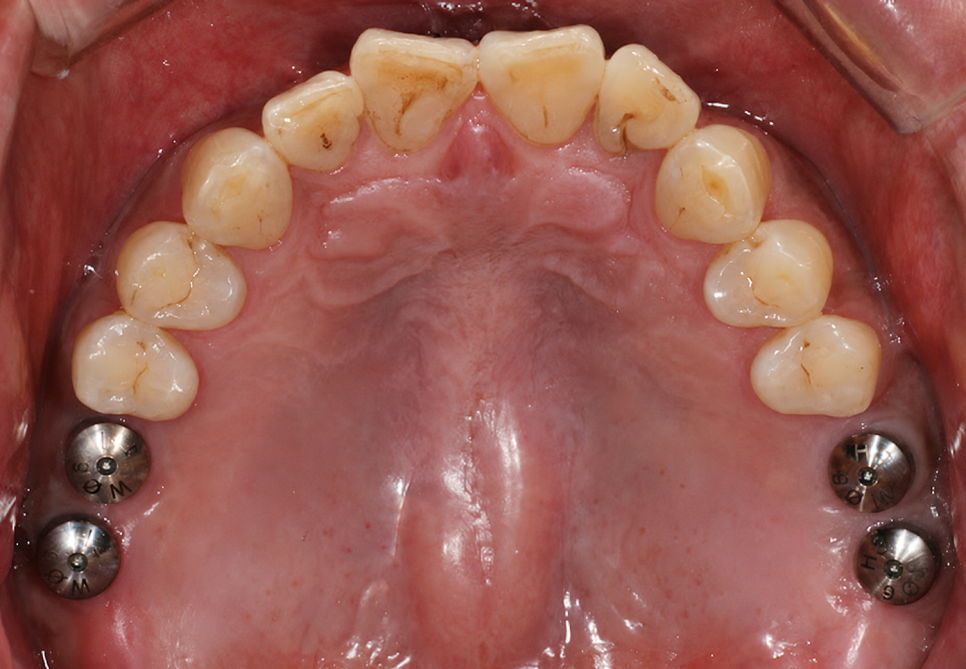
The key part of an implant is the process in which
the surgical area heals
and bonds with the bone.
At this time, if you have diabetes or high blood pressure,
wounds may not heal well and resistance to infection may be lower,
which can affect the recovery process.
But having these conditions does not mean
treatment is impossible.
If blood sugar and blood pressure are being kept stable,
surgery can be performed safely.
Before surgery, overall health is carefully checked,
and if necessary, treatment is carried out in cooperation
with the patient’s internal medicine doctor
to create the best possible condition.
In addition, among the medications you are taking,
those that need to be adjusted before and after surgery are identified
so that a safe treatment plan can be established.
- Conscious sedation (sleep anesthesia)
Another major reason older patients hesitate to receive treatment
is fear.
Since even younger people feel tense about surgery,
it is indeed a greater source of stress for older adults
who have spent their lives avoiding hospitals.
At Magok Dental Clinic, to help such patients,
we explain conscious sedation (sleep anesthesia).
Conscious sedation is a little different from general anesthesia,
which makes you completely fall asleep.

Using medications such as midazolam,
it creates a comfortable and drowsy state,
while keeping consciousness intact and inducing a light sleep
in which the patient can still respond to simple instructions.

It feels like dozing lightly while receiving treatment,
and after the procedure is over,
you will barely remember the process.
Because anxiety and fear are reduced,
vital signs such as blood pressure and pulse can also remain stable,
allowing for safer treatment.
However, not all patients are suitable,
so a prior check of your health condition is necessary.
If you have cardiovascular disease or respiratory disease,
the level of sedation or the treatment plan may change,
so please be sure to tell the medical staff.
- Navigation implants
Another area that Magok Dental Clinic considers important is
the surgical process itself.
For those who have lost teeth for a long time,
as the alveolar bone gradually resorbs,
the amount of bone available to support the fixture
can become insufficient.
This is especially something that must often be considered
for people who have worn dentures for a long time.
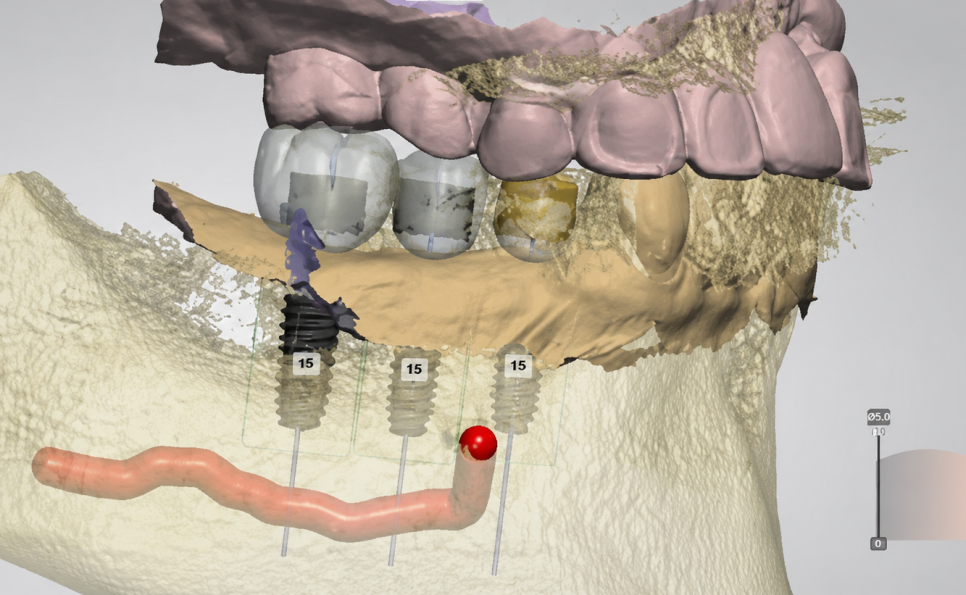
In such cases, navigation implants based on 3D CT imaging
can be used.
After digitally analyzing the patient’s jawbone condition,
the position of the nerves,
and the tooth structure in detail,
the implant is placed according to the preplanned position and angle.
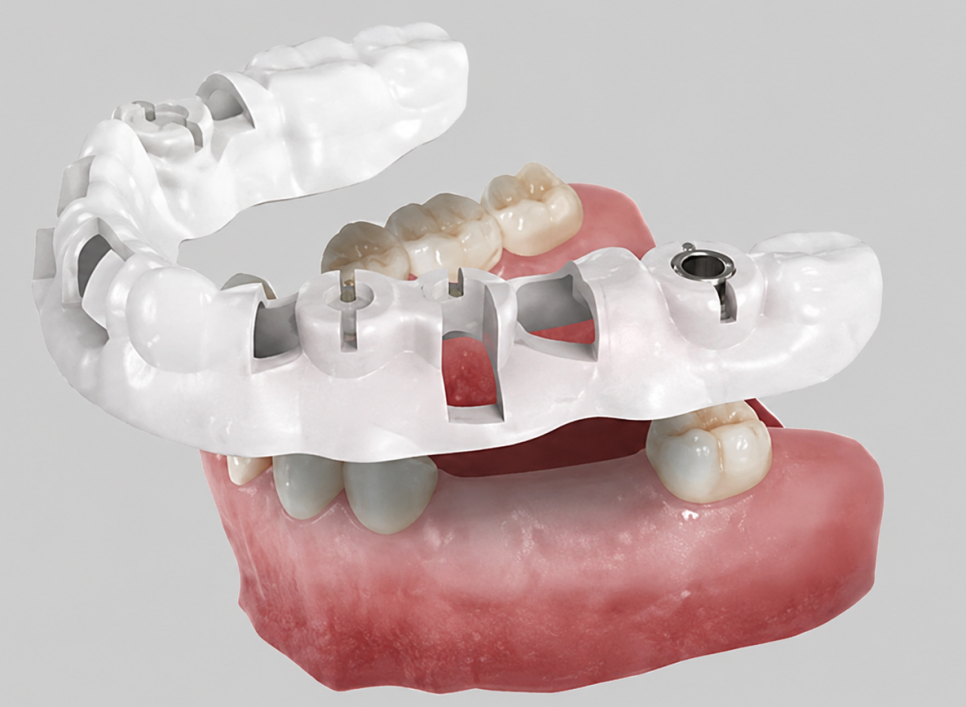
Simply put, it is like performing a mock surgery before the actual procedure,
allowing the process to proceed more safely.
By using a guide that directly reflects this information,
the surgery time and tissue damage can be minimized,
which can also positively affect the reduction of bleeding,
swelling, and postoperative burden.
- Q&A on frequently asked questions
Lastly, we will finish by answering
questions received at Magok Dental Clinic.
- Does treatment take longer for older patients?
Although it varies from person to person,
it is generally not very different from that of younger people.
However, the period for the implant to integrate with the bone
may take several months.
Also, depending on overall health status,
the schedule may be set a little more generously.
- Is daily life possible on the same day?
It usually takes about 4 to 6 hours
for the sedative medication to leave the body completely.
After resting in the recovery room,
if consciousness is clear and there are no problems with walking,
you will be able to go home,
but still, enough rest is needed on that day,
and it is best to be accompanied by a guardian.
Even after returning home,
rest sufficiently for about 2 to 3 hours
before having a light meal and taking the prescribed medication.
- Is it possible to place multiple implants
at once?
Of course it is possible,
but the method may vary depending on overall health
and the surgical site.
Under an overall plan,
the necessary implants may be placed all at once,
but they are planned within a range that does not strain your health.
This was Magok Dental Clinic.
Thank you.