Hello, this is Gangseo-gu Dental Clinic.
Many people feel tense or anxious before dental treatment.
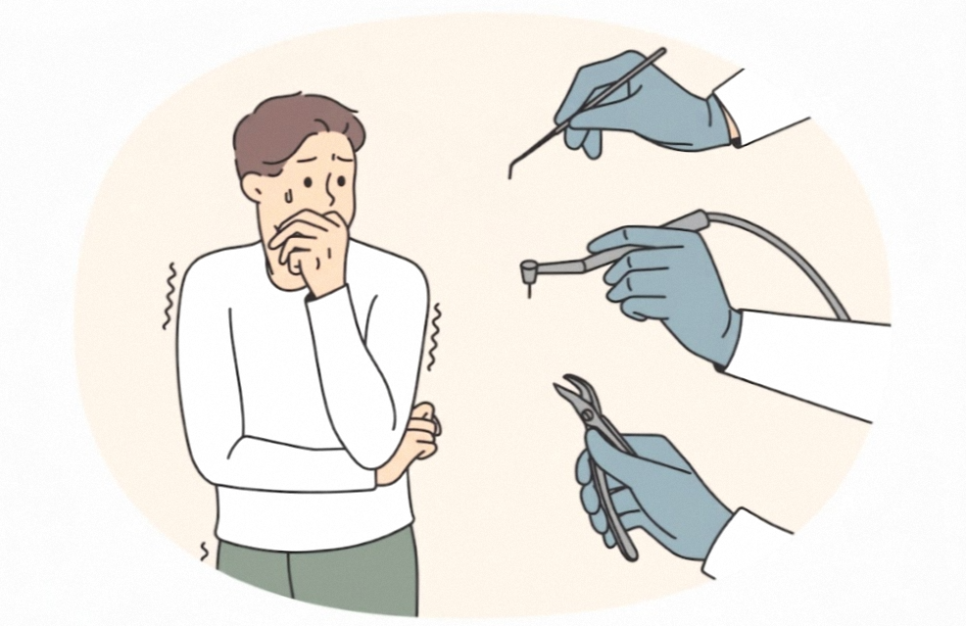
This kind of fear is not simply due to a sensitive personality,
but comes from the unique environment of dental care.
Because the patient lies down with their mouth open
and looks only at the ceiling,
they cannot directly see
what the medical staff is doing.
This visual blockage increases uncertainty,
and when combined with memories of past pain,
it can lead to strong fear.
In particular, if someone still remembers painful experiences from childhood,
or remembers that anesthesia did not work properly,
they may become reluctant to visit the dentist at all.
The definition of conscious sedation and
How it differs from general anesthesia
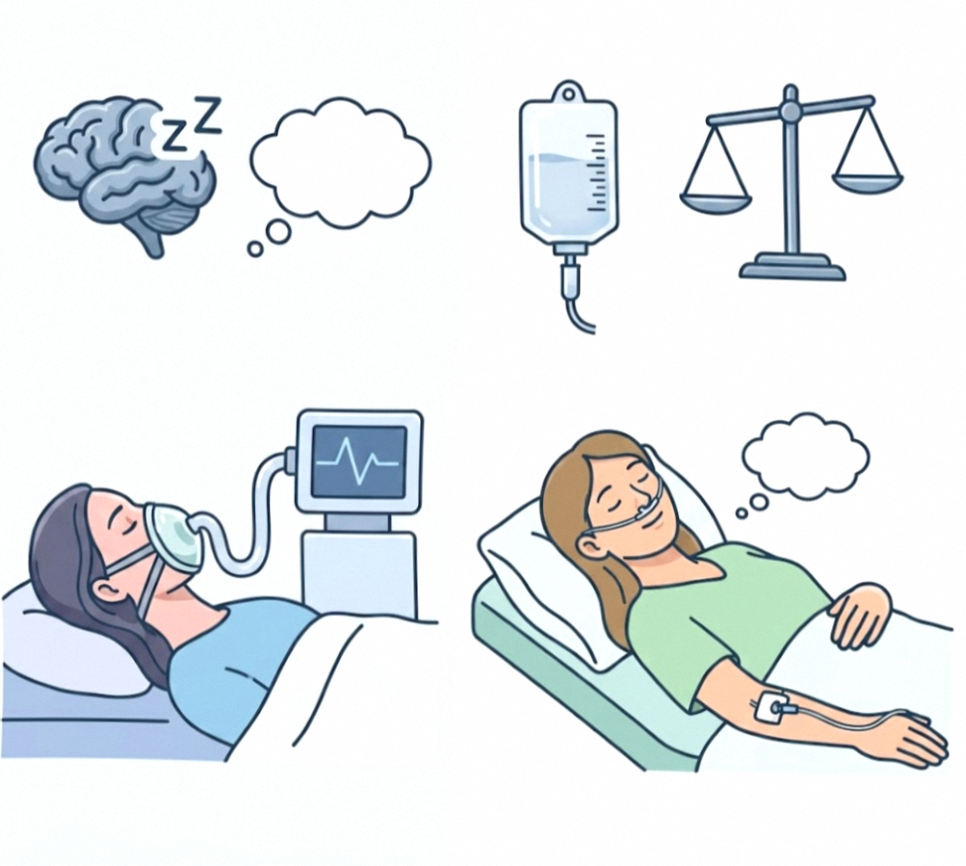
Left: General anesthesia / Right: Conscious sedation
Conscious sedation is a method that
reduces anxiety and tension
while the patient is not fully asleep.
Unlike general anesthesia, the patient remains conscious
and can respond to simple instructions from the medical staff.
Breathing is also controlled by the patient,
and reflexes are maintained normally.
General anesthesia completely blocks consciousness,
so a ventilator is needed,
but with conscious sedation, spontaneous breathing is possible,
which means faster recovery and less physical strain.
At Gangseo-gu Dental Clinic,
we will explain conscious sedation.
Conscious sedation is mainly performed
by intravenously administering a sedative.
When the drug travels through the bloodstream to the brain,
the anxiety center is suppressed and the patient becomes relaxed.
The patient keeps their eyes closed,
but is not fully asleep,
and can engage in simple conversation or cooperation when needed.
After the procedure is finished,
memories are often left vague,
so the patient may barely remember the discomfort or fear
felt during the treatment process.
Treatments suitable for conscious sedation
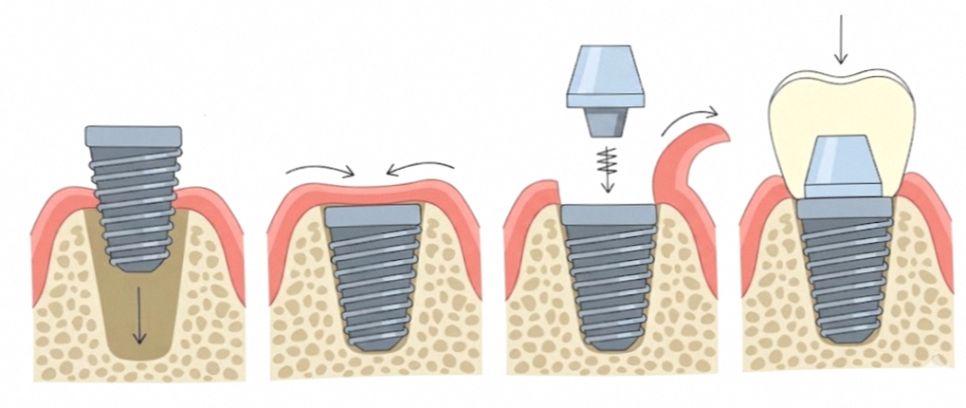
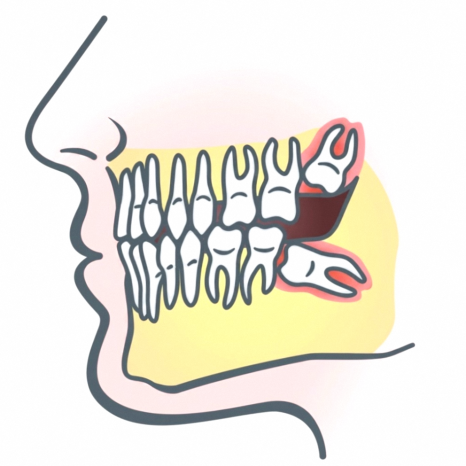
Conscious sedation may be considered for procedures that take a long time,
such as implant placement,
or for surgical procedures such as wisdom tooth extraction.
It is also useful for patients with severe dental phobia
who have difficulty cooperating with only local anesthesia,
or for patients with a strong gag reflex
who find it hard to have instruments placed in the mouth.
Even when several teeth need to be treated at once,
it can reduce patient fatigue
and improve treatment efficiency.
However, it cannot be
applied to all patients.
Children under 7 years old have lower levels of cooperation
and unpredictable responses to medication,
so careful judgment is needed.
In cases of cardiovascular disease
or respiratory disease,
and in patients whose liver or kidney function is significantly reduced,
there may be problems with drug metabolism, so
it is safer to avoid conscious sedation.
If you are pregnant or have an allergy
to a specific medication,
you must consult the medical staff in advance.
The importance of real-time monitoring
Conscious sedation is a delicate procedure that must be performed
while continuously checking the patient’s vital signs.
Equipment that measures blood pressure, pulse, oxygen saturation, and respiration rate
in real time is essential,
and after medication is administered, the patient’s response
must be observed closely.
If the level of sedation is too light,
the anxiety-relieving effect is reduced,
and if it is too deep, side effects such as respiratory depression or low blood pressure
may occur.
Therefore, it is essential that experienced medical staff continuously check the patient’s condition
and adjust the dosage accordingly.
From the perspective of Gangseo-gu Dental Clinic,
monitoring equipment is not merely a tool that displays numbers,
but a key element in protecting patient safety.
ECG monitors, automatic blood pressure monitors, and pulse oximeters
must be in place,
and oxygen delivery equipment and emergency medications
must also be prepared for emergencies.
It is also important to regularly check whether
these systems are working properly,
and whether the medical staff are familiar with emergency response protocols.
Criteria for choosing the right dental clinic
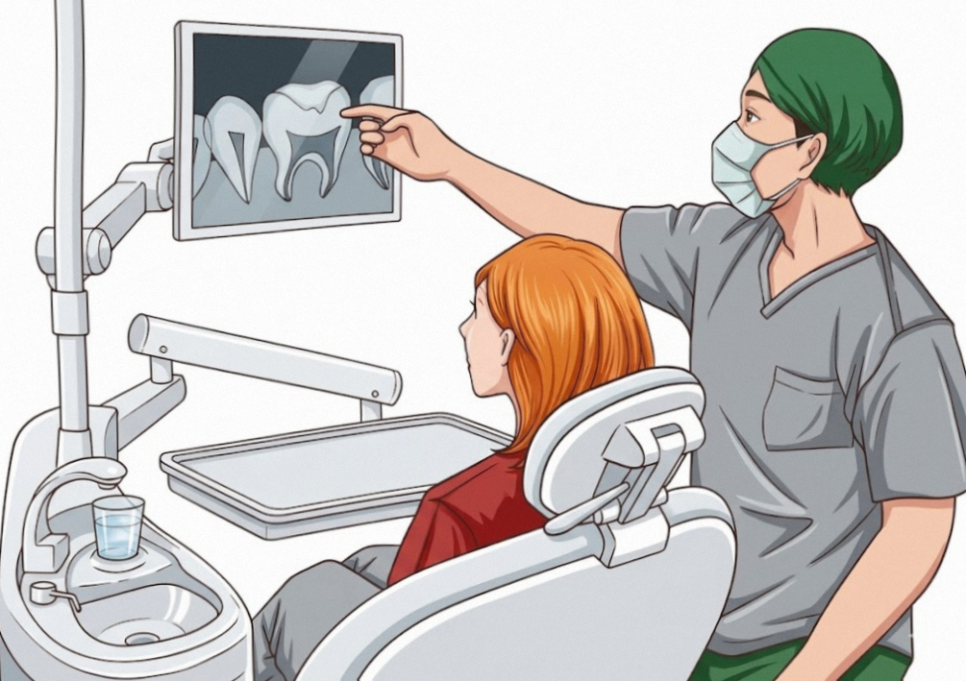
When choosing a dental clinic that provides conscious sedation,
you should check three key points.
First, see whether they fully explain
the types of medications used and how they are administered,
the monitoring process, and the recovery procedure.
A clinic is trustworthy if it provides guidance on precautions before and after the procedure
in language the patient can understand,
and clearly explains possible side effects and how to respond to them.
What matters is not simply repeated claims that treatment will be comfortable,
but whether the specific procedure and safety measures
are disclosed transparently.
Second, confirm whether the medical staff
have extensive experience with conscious sedation.
Sufficient clinical experience is needed
in order to maintain an appropriate level of sedation
and quickly detect subtle changes in the patient.
It is also a good idea to ask whether the medical staff
have completed relevant training,
and whether they have actually handled a variety of cases.
Third, check whether an emergency response system
is in place.
Although rare, unexpected situations can occur,
so emergency medications, airway management equipment,
and defibrillators should be prepared
and ready for immediate use by the medical staff.
It is also necessary to confirm whether there is a cooperative system
with nearby hospitals in the event of an emergency.
What Gangseo-gu Dental Clinic would like to summarize is
that you should choose a dental clinic based on
safety and the thoroughness of its explanations.
Rather than simply choosing a place because it is nearby
or because the price is low,
please carefully consider whether it prioritizes
the patient’s health and safety.
When performed correctly,
conscious sedation is an effective way to overcome dental fear
and receive treatment comfortably,
but that is precisely why careful choice is necessary.
That’s all,
from Gangseo-gu Dental Clinic.
Thank you for reading this long post.