Hello,
This is Magok Dental Clinic.
After receiving an implant procedure,
while some people use their implants comfortably for 10, 20, or more years,
others develop problems within just a few years
and begin considering revision surgery.
Why does this difference occur
when they received the same procedure?
The reason is that
while the quality of the procedure itself is important,
post-procedure care habits also have a direct effect
on the lifespan of an implant.
An implant is not a treatment that ends once it has been placed;
it requires continued attention and care.
Implants Do Not Develop Cavities
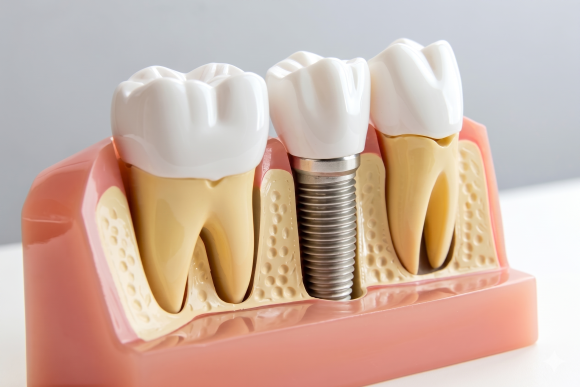
The implant fixture is made of
metal such as titanium,
so it cannot develop cavities.
However, the gums and bone surrounding the implant
are just as vulnerable to inflammation
as those around natural teeth.
If this is overlooked,
peri-implantitis may develop.
Peri-implantitis causes almost no symptoms in its early stages.
It may begin with slight swelling or bleeding of the gums,
but if left untreated, the inflammation can progress deeper
and the bone may begin to deteriorate.
When the bone is damaged,
the implant itself may become loose,
potentially leading to a situation
where revision surgery is required.
Even Without Pain,
Inflammation May Be Progressing
Because noticeable symptoms often appear late,
regular checkups are essential.
An important point here is that even without pain,
inflammation may still be progressing.
Natural teeth have a tissue called the periodontal ligament
that detects pressure and abnormal signals,
but implants do not have this structure.
As a result, noticeable symptoms appear late,
and by the time the problem is discovered,
it has often already progressed considerably.
This is why Magok Dental Clinic emphasizes
that regular checkups are essential.
Actual Causes That Shorten an Implant’s Lifespan
Rather than broadly attributing the problem
simply to “a lack of care,”
it is important to understand specifically
which situations can cause problems.

1. Repeated Excessive Force
Grinding your teeth, habitually chewing hard foods,
and chewing only on one side
can loosen the implant screw
or fracture the prosthetic restoration.
Unlike natural teeth,
implants do not have a structure that absorbs shock.
Therefore, when excessive force is directly transmitted,
the risk of damage increases.
2. Smoking
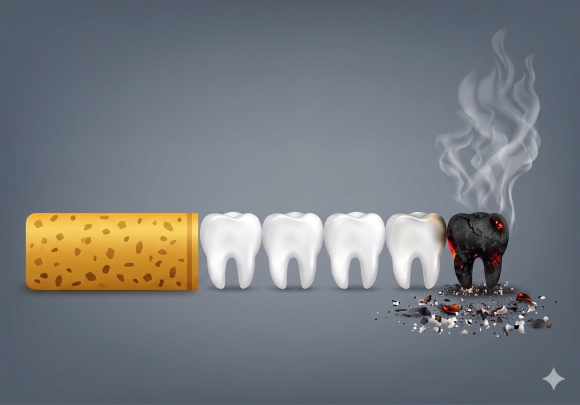
Smoking reduces blood flow,
interferes with gum regeneration,
and increases the likelihood of peri-implantitis.
Research has also found that
smokers have a higher implant failure rate
than nonsmokers.
3. Diabetes With Poor Blood Sugar Control
When immune function is impaired,
controlling inflammation becomes more difficult,
and osseointegration may also be affected.
People with diabetes should pay closer attention
to oral hygiene along with blood sugar management.
4. Inadequate Oral Hygiene
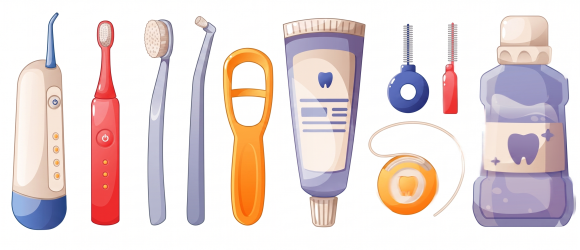
Brushing alone makes it difficult to completely clean
the boundary between the implant and gums
or the area beneath the prosthetic restoration.
Interdental brushes or a water flosser should be used as well
to effectively remove food debris and bacterial plaque.
As explained by Magok Dental Clinic,
if these causes are left unaddressed,
the implant’s lifespan may inevitably be shortened.
Care Habits of People Who Use Their Implants for a Long Time
People who use their implants
stably over the long term
have several habits in common.
1) Regular Checkups Every Six Months
X-rays are used to check the condition of the bone
and the connection between the prosthetic restoration and implant.
This is the only way to detect changes
that cannot be seen with the naked eye
at an early stage.
Through regular checkups,
early action can be taken when peri-implantitis is just beginning,
which may significantly extend the implant’s lifespan.
2) Get Regular Scaling
Tartar cannot be removed at home.
Because tartar accumulated around an implant
can become the starting point for inflammation,
professional care is also necessary.
The scaling discussed by Magok Dental Clinic
affects not only natural teeth
but also the maintenance of an implant’s lifespan.
3) Visit the Clinic Immediately If You Notice a Problem With the Prosthetic Restoration
Do not leave it untreated
if the prosthetic restoration feels loose
or you experience a foreign-body sensation when chewing.
If a loose screw is left untreated,
the implant fixture itself may also be damaged.
Not overlooking small warning signs
is key to extending the implant’s lifespan.
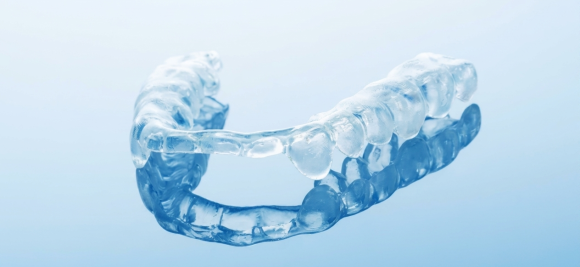
4) Correct Your Chewing and Biting Habits
If you grind your teeth,
consider using a night guard
(an oral protective device worn while sleeping).
Protecting the implant
from excessive force
can help maintain a stable condition
over the long term.
From the perspective of the medical staff at Magok Dental Clinic,
these habits determine the lifespan of an implant.
People who consistently practice post-procedure care
often use their implants without problems
for 10, 20, or more years.
Implant Treatment Begins After the Procedure Is Complete
An implant treatment is not complete
just because the procedure has ended.
Just as you care for natural teeth,
or perhaps even a little more carefully,
you need to pay close attention
to keep the treatment functioning for a long time.
Having regular checkups
and thoroughly managing oral hygiene in daily life
determines the lifespan of an implant.
The results can differ significantly
even with the same procedure,
depending on each individual’s attention and effort.
If you put the care habits introduced today into practice,
the likelihood of using your implants
stably over the long term increases.
This has been
Magok Dental Clinic.
Thank you for reading this lengthy post.