Hello,
This is a dental clinic in Gangseo-gu.
After receiving cosmetic restorative treatment,
one of the questions people often have is:
“How long can I use them?”
The lifespan of cosmetic restorations
differs depending on the material and treatment method,
but they are generally known to last
around 10 to 20 years.
Recently, the number of people receiving cosmetic restorative treatment has increased significantly—not only among those in their 20s and 30s,
but also among those in their 40s, 50s, and 60s.
As more people seek
healthy and natural-looking teeth
regardless of age,
the importance of care after treatment
is also being emphasized.
Average Lifespan and Characteristics by Material
The materials used for cosmetic restorations
can be broadly divided into three types.
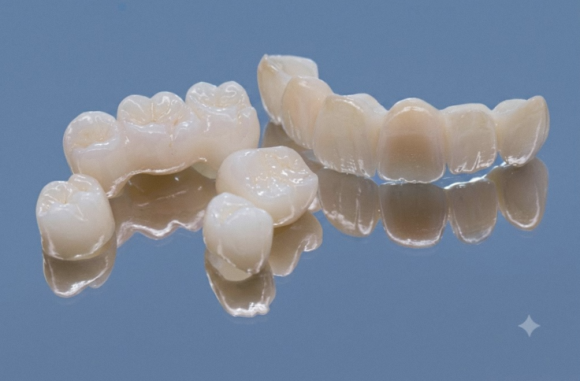
The first is all-ceramic material.
It contains no metal at all,
allowing it to reproduce a color and translucency
that most closely resemble natural teeth.
All-ceramic crowns have an average lifespan
of approximately 15 to 20 years.
Because of their excellent aesthetics,
they are often used for front-teeth treatment.
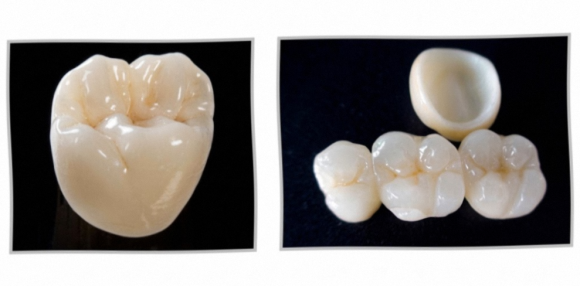
The second is zirconia.
Zirconia is highly durable,
so it is suitable for areas exposed to substantial chewing forces,
such as the molars.
Its average lifespan is approximately 15 to 25 years,
and its durability is generally
superior to that of all-ceramic restorations.
The aesthetics of zirconia have also improved considerably in recent years,
so it is increasingly being used for front teeth as well.
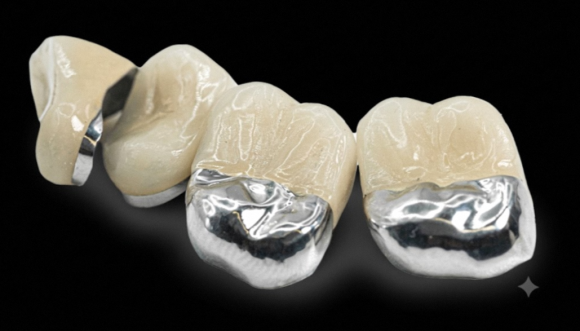
The third is PFM (porcelain-fused-to-metal),
which consists of porcelain layered over a metal framework.
Its average lifespan is approximately 10 to 15 years.
Although it offers excellent strength,
one drawback is that
the area along the gumline may appear dark over time.
The lifespans by material summarized by this Gangseo-gu dental clinic
are only average figures.
How long they actually last
depends greatly on daily care after treatment.
Daily Care Determines Longevity
The most important factor affecting
the lifespan of cosmetic restorations
is daily care.
Even after treatment is complete,
consistent care is necessary,
just as it is for natural teeth.
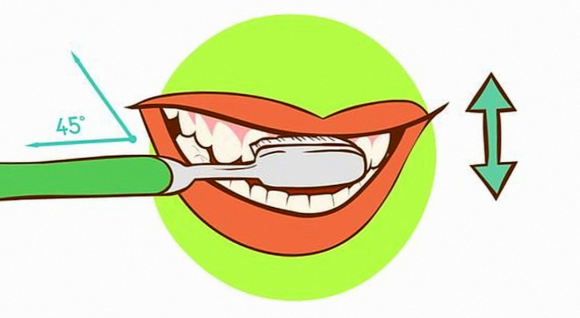
First, proper toothbrushing is essential.
Ideally, you should brush three times a day,
within three minutes after meals,
but at a minimum,
you should brush thoroughly in the morning and before bed.
Use a toothbrush with soft bristles,
and brush the area where the gums and teeth meet
at a 45-degree angle
to help remove plaque effectively.

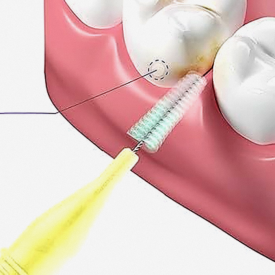
Second, clean between your teeth
using dental floss or an interdental brush.
Food debris can easily become trapped
between teeth with cosmetic restorations and natural teeth,
or between restorations.
Because it is difficult to remove these areas completely with a toothbrush alone,
it is advisable to use floss or an interdental brush
at least once a day.
Third, be careful with hard or chewy foods.
Foods such as squid, dried filefish, ice, and nut shells
can place excessive force on restorations.
When eating these foods,
chew slowly or avoid them if possible.
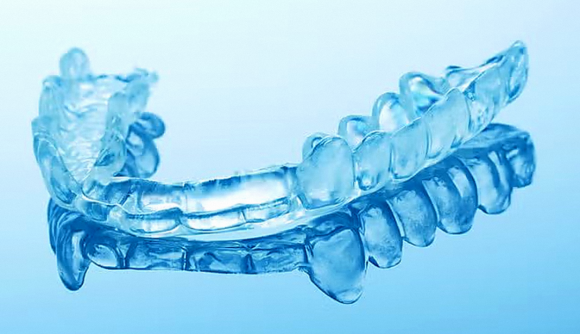
Fourth, habits such as teeth grinding or clenching
should be addressed.
Grinding your teeth during sleep
can place significant stress on restorations
without you realizing it.
Wearing a custom night guard
can help prevent damage caused by teeth grinding.
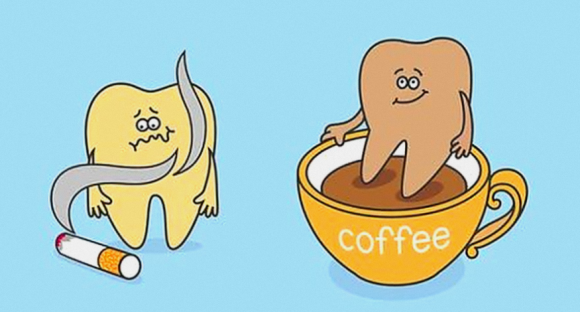
Fifth, smoking and excessive coffee consumption
can cause discoloration.
The cosmetic restorative materials themselves
do not discolor easily,
but staining can occur around the adhesive
or along the margins.
Smoking is also harmful to gum health,
so quitting is recommended whenever possible.
If a Restoration Breaks, Seek Care Promptly
If a cosmetic restoration breaks or comes off,
you should visit a dental clinic immediately.
Leaving a restoration off can expose the tooth to bacteria,
which may lead to cavities,
and neighboring teeth may shift,
meaning the restoration may no longer fit back into place later.
The same applies if the restoration is broken.
Even if there is only a small crack or chip,
leaving it untreated may allow bacteria to penetrate the gap
and damage the tooth underneath.
In addition, the broken area may become sharp
and injure the tongue or the inside of the cheek.
As explained by this Gangseo-gu dental clinic,
if a restoration comes off,
keep it clean and bring it with you to the clinic.
Depending on its condition,
it may be possible to reattach it.
However,
you should never try to attach it yourself with adhesive.
Ordinary adhesives may be harmful to the human body,
and if it is attached incorrectly,
it may be difficult to remove later.
Detect Problems Early Through Regular Checkups
From a dental professional’s perspective,
the most reliable way to extend the lifespan of cosmetic restorations
is to have regular checkups.
It is advisable to visit a dental clinic
every six months to one year
for an examination of the restorations.
During regular checkups,
the area where the restorations meet the natural teeth is examined,
and the condition of the adhesive is checked.
The health of the surrounding gums
is also evaluated.
This is because the restorations can last longer
when the gums are healthy.
It is also advisable to have professional cleaning
during regular checkups.
Professionally removing tartar,
which is difficult to eliminate through brushing alone,
can help prevent gum inflammation
and keep the area around the restorations clean.
If a small problem is found during an examination,
it can often be resolved with simple treatment
when detected early.
However, if the problem is left untreated,
the restoration may need to be remade,
or more complex treatment may be required.
In Closing
Cosmetic restoration does not end with the treatment itself.
Care is also part of the treatment.
Care after treatment is truly part of the treatment.
No matter how precisely a restoration is made
using high-quality materials,
neglecting care will inevitably shorten its lifespan.
Without proper personal care,
cavities may develop around the restoration
or gum disease may occur,
which may eventually require the restoration to be removed
and treatment to be performed again.
If this happens,
not only will additional time and expense be required,
but the natural teeth may also suffer further damage.
Therefore, it is important to care for your restorations
through daily brushing and flossing,
proper eating habits,
and regular dental visits.
With systematic care and professional guidance,
it is certainly possible to use cosmetic restorations
in good condition for more than 20 years.
We recommend maintaining your oral health
by receiving regular checkups
at a nearby medical institution.
That concludes this post
from a Gangseo-gu dental clinic.
Thank you for taking the time to read this lengthy post.