Dental anesthesia, anesthesia pain, dental anesthesia pain
Hello.
This is Magok Yonsei Wish.
Table of Contents
Dental Anesthesia | Magok Dental Clinic
-
Why dental anesthesia is the biggest concern
-
Causes of pain during anesthesia
-
How anesthesia techniques have changed to reduce pain
-
Preparing for a comfortable treatment
-
How to manage pain after the anesthesia wears off
-
In closing
Some people have difficulty taking the step toward the dentist even after making an appointment.
It is not because of the treatment itself,
but because they are afraid the anesthesia will hurt.
This is something we often hear in the treatment room as well.
“Doctor, I’m more worried about the anesthesia than the treatment.”
Because one uncomfortable experience can remain in the memory for a long time,
some people postpone their appointments even though they know treatment is necessary.
However, in recent years, not only the anesthetic medication
but also the methods of administering anesthesia have changed considerably.
Today, we will explain why dental anesthesia can feel painful
and what has changed to make treatment a little more comfortable.

Dental Anesthesia | Magok Dental Clinic
Why dental anesthesia is the biggest concern
Dental Anesthesia | Magok Dental Clinic
Dental Anesthesia | Magok Dental Clinic
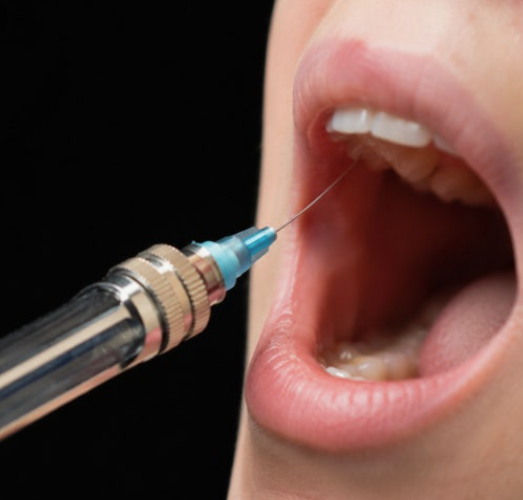
Dental anesthesia is an essential step
for receiving treatment comfortably.
However, in the treatment room,
we often meet people who say
that they are more worried about the anesthesia than the treatment.
This is because the inside of the mouth
has a denser distribution of nerves than other areas of the skin.
The gums react sensitively even to small stimuli.
Rather than the moment the needle enters,
it may be when the anesthetic slowly spreads into the gums
that pressure develops, causing a heavy
or aching sensation.
When memories of previous pain are added to this,
tension can become even greater.
In fact, when you are tense, your body stiffens,
and the pain may feel more intense.
Causes of pain during anesthesia
Dental Anesthesia | Magok Dental Clinic
Dental Anesthesia | Magok Dental Clinic
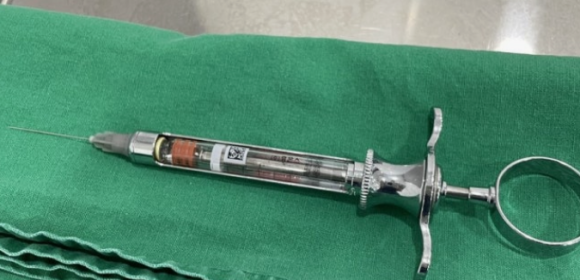
Many people think the pain is caused by the needle,
but in reality, several factors can affect it together.
Because the tissues inside the mouth are firm and the space is narrow,
pressure may develop as the medication is administered.
If the anesthetic is cooler than body temperature,
it may feel unusually sensitive for a moment.
When tension is added to this,
the same stimulus may feel more intense.
For this reason, in the treatment room,
we consider not only the anesthesia itself
but also the process of reducing the patient’s tension
to be important.
Ways anesthesia techniques have changed to reduce pain
Dental Anesthesia | Magok Dental Clinic
Dental Anesthesia | Magok Dental Clinic
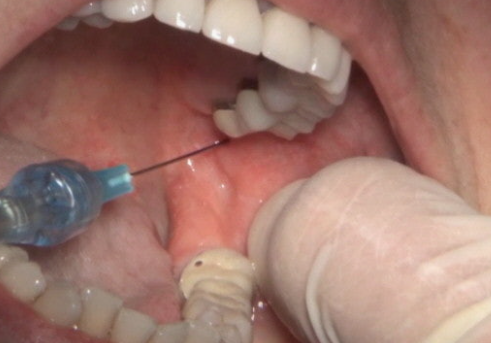
In recent years, not only anesthetic medications
but also the methods of administering anesthesia have changed considerably.
Today, various local anesthetics
are selected with the treatment purpose and the patient’s condition in mind.
An appropriate anesthesia method is selected
according to the treatment area and the nature of the treatment.
In addition, more dental clinics are using electronic anesthesia delivery systems.
These devices administer the anesthetic at a consistent rate,
which may help regulate the pressure placed on the tissue
more steadily.
However, because each person’s gum condition and sensitivity differ,
the sensation may vary.
Preparing for a comfortable treatment
Dental Anesthesia | Magok Dental Clinic
Dental Anesthesia | Magok Dental Clinic
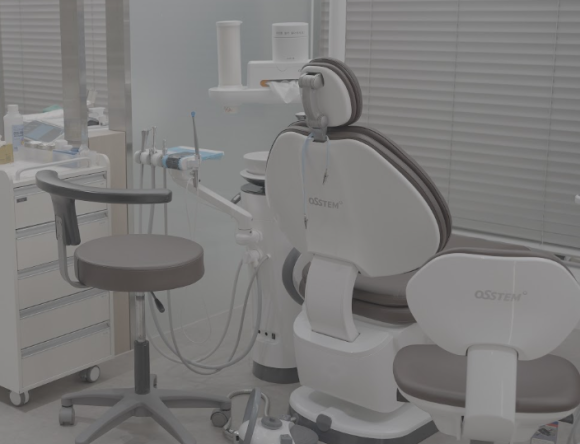
If you become overly tense before the anesthesia,
your body may stiffen first.
Simply taking slow, steady breaths
may help reduce tension.
If there is anything you are worried about before treatment,
it is important to tell the medical staff in advance.
If you have previously experienced anesthesia not working well
or have memories of being sensitive to pain,
this can help with planning your treatment.
It is also a good idea to inform the staff in advance
about any medications you are taking, allergies,
or medical conditions you have.
If you agree in advance to raise your hand as a signal
when you feel uncomfortable during treatment,
you can receive care with a much more comfortable state of mind.
Pain management after the anesthesia wears off
Dental Anesthesia | Magok Dental Clinic
Dental Anesthesia | Magok Dental Clinic
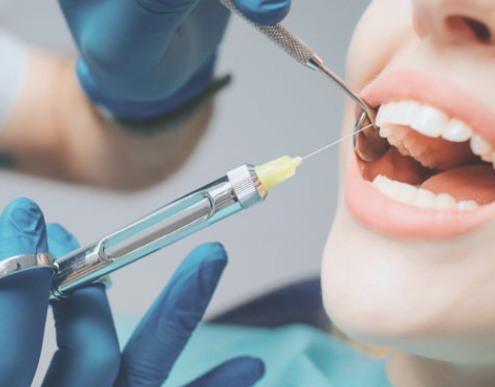
A painless anesthesia device is equipment that reduces
discomfort at the moment anesthesia is administered.
In contrast, pain experienced as the anesthesia wears off after treatment
is related to the healing process of the treated area.
Take prescribed medication at the times you were instructed to,
and it is advisable to avoid foods that irritate the treated area
for a while.
If there is swelling, applying a cold compress initially
may be helpful.
If the pain does not decrease over time
or gradually worsens, do not simply endure it.
It is advisable to return to the dental clinic
and have your condition checked.
In closing
Dental Anesthesia | Magok Dental Clinic
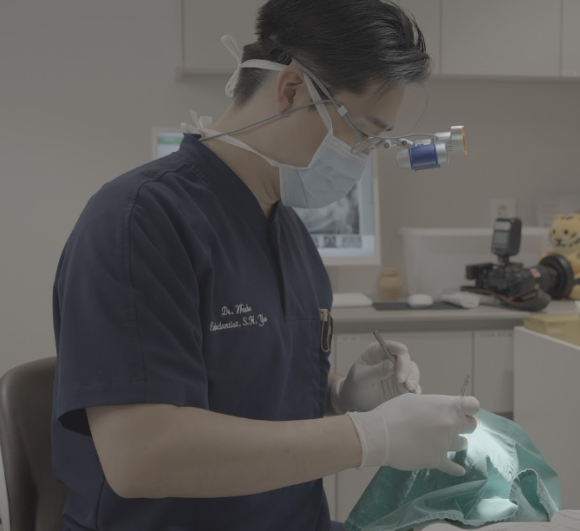
Dental Anesthesia | Magok Dental Clinic
There are days during treatment when we hear,
“The anesthesia was less painful than I expected.”
Whenever we hear those words,
we are reminded that reducing a patient’s anxiety
is also an important part of treatment.
Dental anesthesia is the first step in treatment.
With sufficient explanation, an anesthesia method
that takes the patient’s condition into account,
and a comfortable treatment environment,
fear may be reduced considerably.
If you have been postponing treatment because you are afraid of anesthesia,
rather than worrying alone,
please have your current dental condition checked first.
A treatment plan can be made afterward;
it will not be too late.
Thank you.
This was Magok Yonsei Wish Dental Clinic.
Articles you may also find helpful