Teeth grinding, broken teeth, tooth fractures

Hello.
This is Magok Yonsei Wish Dental Clinic.
Table of Contents
Teeth grinding, broken teeth, tooth fractures — Magongnaru Station Dental Clinic
-
Can teeth grinding cause teeth to break?
-
What causes teeth grinding?
-
Do not overlook the signals your teeth are sending
-
Lifestyle habits can also have an impact
-
How can you protect your teeth?
-
What should you do if a tooth breaks?
-
In closing
Have you ever woken up after sleeping and felt
stiffness in your jaw,
or noticed that your teeth felt sensitive
from the morning onward?
At first, it is easy to assume that you are simply tired
and dismiss it as nothing serious.
However, if these symptoms recur,
it is worth checking whether they are related
not just to ordinary fatigue,
but to the habit of clenching your teeth
or grinding your teeth.
Today, we will discuss
how teeth grinding affects
your teeth
and why it can cause teeth to break.
Can teeth grinding cause teeth to break?
Teeth grinding, broken teeth, tooth fractures — Magongnaru Station Dental Clinic
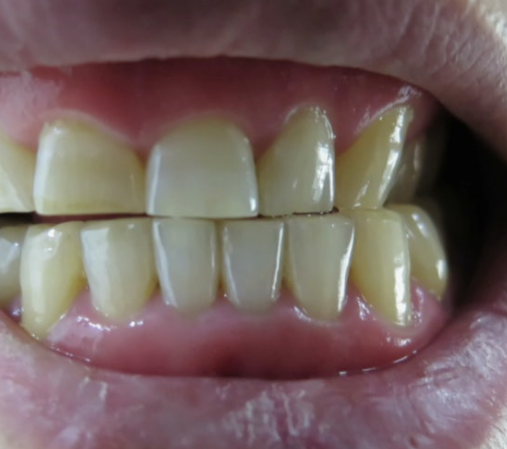
Teeth grinding is a habit of unconsciously
clenching or rubbing the teeth together forcefully
while sleeping.
At these times, greater force than that generated during ordinary meals
may be repeatedly applied to the teeth.
If this stress continues for a long time,
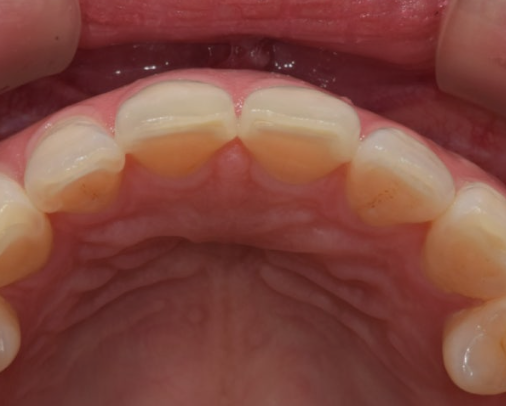
the surface of the teeth may wear down,
or small cracks that are not visible
may develop.
There may be no particular symptoms at first,
but as time passes,
small cracks may gradually deepen
and cause the tooth to break.
What causes teeth grinding?
Teeth grinding, broken teeth, tooth fractures — Magongnaru Station Dental Clinic
Teeth grinding is often caused
by several factors working together,
rather than being simply a habit.
During periods of significant stress,
the jaw muscles may become tense,
causing you to clench your teeth forcefully
while sleeping.
If you have a habit of clenching your teeth,
strong force may also be repeatedly applied
to your teeth during sleep.
Because the causes vary from person to person,
it is important to consider your dental condition
and lifestyle habits together
before deciding on a management approach.
Do not overlook the signals your teeth are sending
Teeth grinding, broken teeth, tooth fractures — Magongnaru Station Dental Clinic

Small cracks in the teeth
are often difficult to detect visually.
Instead, they may first appear
as small changes in everyday life.
If a particular tooth feels sharp or painful
when you chew food,
if it feels unusually sensitive only
when you eat cold foods,
or if your jaw feels stiff every morning
or headaches recur,
it is a good idea to check
whether these symptoms are related
to teeth grinding or a habit of clenching your teeth.
In particular, if you feel pain
when you release your bite after chewing,
it may be helpful to check
whether the tooth has a crack.
Lifestyle habits can also have an impact
Teeth grinding, broken teeth, tooth fractures — Magongnaru Station Dental Clinic
Teeth are not exposed to force
only while you are sleeping.
The habit of clenching your teeth while doing strenuous exercise,
the habit of biting ice
or frequently eating tough foods,
and the habit of unconsciously
clenching your teeth
when you are stressed
can also place repeated strain
on your teeth.
When these habits are repeated,
stress gradually accumulates in the teeth,
and over time,
it may lead to small cracks.
How can you protect your teeth?
Teeth grinding, broken teeth, tooth fractures — Magongnaru Station Dental Clinic
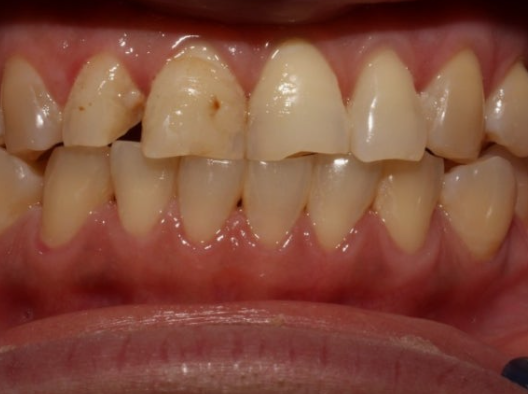
If teeth grinding is suspected,
it is important to first check
the condition of your teeth
and your bite.
If necessary,
a custom splint may be made
to distribute the force
transmitted to the teeth during sleep.
In addition, making an effort
to reduce the habit of clenching your teeth,
managing stress,
and adopting lifestyle habits
that reduce tension in the jaw muscles
can also help protect your teeth.
For teeth that already have small cracks,
it is advisable to monitor changes consistently
through regular checkups.
What should you do if a tooth breaks?
Teeth grinding, broken teeth, tooth fractures — Magongnaru Station Dental Clinic
A broken tooth does not necessarily mean
that the tooth must be extracted.
The treatment method may vary
depending on the extent of the break
and how far the crack has spread.
For a small fracture,
restoration may be planned with resin
or prosthetic treatment,
while a tooth with a deeply extending crack
may require root canal treatment
or a crown.
The important thing is
not to continue using the broken tooth
and simply wait.
Because cracks may gradually deepen over time,
having the condition checked promptly
can help preserve the natural tooth
for as long as possible.
In closing
Teeth grinding, broken teeth, tooth fractures — Magongnaru Station Dental Clinic
It is easy to think of teeth grinding
as simply a sleep habit.
However, repeated excessive force
can gradually weaken the teeth,
and over time,
may lead to cracks or fractures.
If tooth sensitivity
or discomfort when chewing recurs,
rather than putting up with it,
please have the cause checked first.
The earlier even small changes are checked,
the more helpful it can be
in preserving your natural teeth
for a longer time.
Thank you.
This has been Magok Yonsei Wish Dental Clinic.
Recommended related articles