If your teeth are sensitive even though you do not have cavities,
you should check for tooth wear or changes in your gums.
When sensitivity keeps recurring, it is important to identify the cause.

Hello.
This is Yonsei Wish Dental Clinic.
Table of Contents
-
Why are my teeth sensitive even though I do not have cavities?
-
Do teeth become more sensitive when the gums recede?
-
Can brushing habits also affect sensitive teeth?
-
How can I manage tooth sensitivity at home?
-
What should I check if the sensitivity continues?
After taking a sip of cold water,
if a particular tooth suddenly feels sharp and tingly,
most people think of a cavity first.
However, some people experience similar discomfort whenever they eat or drink something cold or sour,
even though no cavities are found during an examination.
In such cases, rather than looking only for cavities,
it is also necessary to check whether the area where the tooth and gum meet has worn down,
or whether the gums have receded and exposed the tooth root,
making it more sensitive.
Even when teeth look perfectly normal on the outside,
they can be affected by small, repeated daily irritations,
such as brushing force, teeth grinding, and eating habits.
Therefore, when managing sensitive teeth,
the first step is not only to reduce the immediate sharp sensation,
but also to identify what has made the teeth sensitive.

Causes of Tooth Sensitivity Without Cavities in Magok
Why are my teeth sensitive even though I do not have cavities?
Causes of Tooth Sensitivity Without Cavities

Gum Recession and Tooth Sensitivity in Gangseo-gu
The outer surface of a tooth is covered by hard enamel.
However, if the area where the tooth and gum meet wears down,
or if the gums recede and expose the area near the tooth root,
stimuli such as cold water or air may feel more intense than usual.
One characteristic symptom is
a brief, sharp, tingling sensation
the moment the stimulus reaches the tooth.
However, the cause cannot be determined based on sensitivity alone.
In addition to cavities, several factors should be examined together,
including tooth wear, gum condition,
and tiny cracks in the tooth.
Do teeth become more sensitive when the gums recede?
Gum Recession and Tooth Sensitivity

Tooth Wear and Sensitive Teeth in Magok
If your teeth look longer than they used to when you look in the mirror,
it is worth checking the position of your gums as well.
When the gums recede, the part of the tooth root that was originally covered by the gums may become exposed.
This area is relatively sensitive to external stimuli,
so you may easily experience sensitivity when drinking cold beverages or eating sour foods.
In particular, if you have gum inflammation
or have a habit of pressing your toothbrush too firmly,
this can place continued stress on the boundary between the gums and teeth.
Can brushing habits also affect sensitive teeth?
Incorrect Brushing Habits and Tooth Wear
Identifying the Causes of Sensitive Teeth in Gangseo-gu
Applying a lot of force to brush your teeth thoroughly
is not always the best brushing method.
If you repeatedly brush forcefully from side to side,
the area where the teeth and gums meet may gradually wear down
and appear indented.
If you also frequently consume carbonated drinks or strongly sour foods,
the surface of the teeth may become sensitive to stimulation.
Rather than brushing forcefully, it is better to clean the boundary between the teeth and gums gently and carefully.

How to Manage Sensitive Teeth in Magok
Things to Check First When You Have Sensitive Teeth!
| What to check | Why to check it |
|---|
| Whether only a particular tooth is sensitive to cold water | To check whether there is a problem in one area |
| Whether the boundary between the tooth and gum is indented | To check for tooth wear |
| Whether the teeth look longer than before | To check for changes in gum position |
| Whether you grind or clench your teeth | To check whether repeated force is being applied |
| Whether the sensitivity is gradually worsening | To check whether there may be another cause |
How can I manage tooth sensitivity at home?
Ways to Manage Sensitive Teeth
Tooth Sensitivity and Brushing Habits in Gangseo-gu
First, it is best to reduce the amount of force used when brushing.
Use a soft-bristled toothbrush
and gently brush along the gum line.
Consistently using toothpaste designed for sensitive teeth
may help reduce sensitivity to irritation.
Try not to consume carbonated drinks or sour foods too often,
and after consuming them, gently rinse your mouth with water.
How to Manage Sensitive Teeth in Magok
What should I check if the sensitivity continues?
Checking Tooth Sensitivity Without Cavities
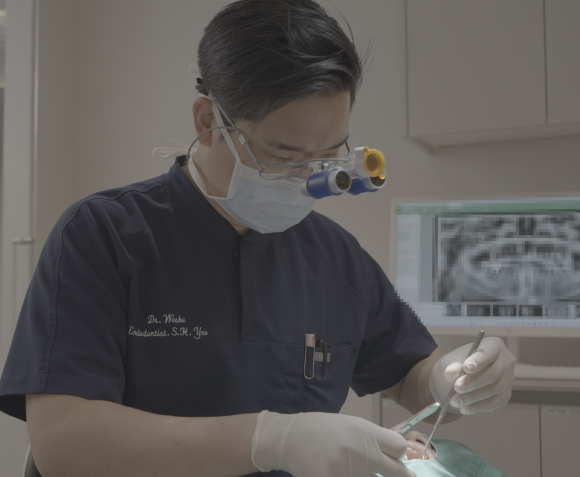
Tooth Sensitivity in Magok
Not every case of sensitive teeth requires the same treatment.
If the degree of tooth wear is not severe,
you can adjust your brushing and eating habits
and observe any changes.
On the other hand, if one particular tooth continues to hurt,
pain increases when chewing,
or the pain lasts for a long time even after the stimulus is gone,
it is worth checking whether there may be another cause.
The fact that you do not have cavities
does not mean that there is no cause for your tooth sensitivity.
If an unusual sharp, tingling sensation keeps recurring,
pay attention to where and what stimuli cause the sensitivity,
and it is a good idea to have the condition of your teeth and gums checked together.
Thank you.
This was Yonsei Wish Dental Clinic.
Recommended video