Gum Pus: Finding the Cause Comes First

Hello.
This is Yonsei Wish Dental Clinic.
Table of Contents
-
Why does pus develop on the gums?
-
Why does it come back even after taking antibiotics?
-
The difference between inflammation at the tooth root and gum inflammation
-
How is gum pus treated?
-
Symptoms that require prompt evaluation
I developed something like a pimple on my gums,
but it became smaller after a few days.
Even when a pus pocket develops on the gums,
if the pain is not severe or it becomes smaller on its own,
it is easy to think that it may be okay to wait and see for a little longer.
In particular, when the swelling goes down after taking medication,
some people feel that the inflammation has completely healed as well.
However, if pus rises again in the same spot,
it is important to check whether only the visible symptoms have subsided
and to examine the causes inside the tooth and gums as well.
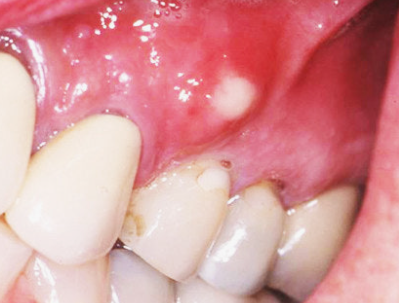
Causes and Symptoms of Gum Pus in Magok
Why does pus develop on the gums?
Checking the Cause of Gum Pus at a Gangseo-gu Dental Clinic
Gum Fistula and Tooth Root Inflammation in Magok
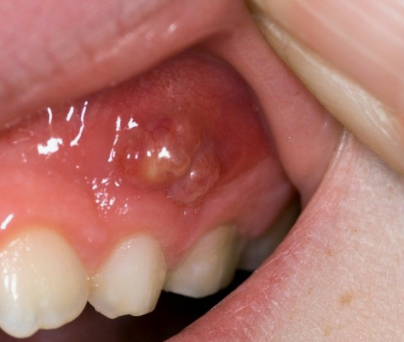
When the nerve inside a tooth is damaged or infected,
bacteria and inflammation can extend all the way to the tip of the root.
When pus formed inside creates a passage to drain toward the gums,
it may appear as a small, raised bump resembling a pimple.
This is called a fistula.
Conversely, the tooth nerve may be healthy,
but pus can form when tartar and bacteria build up inside the gums.
Although they may look similar on the outside,
the locations where the inflammation began may be different.
Even if the pus pocket becomes smaller
or bursts and is no longer visible,
it is difficult to conclude that the inflammation inside has disappeared as well.
Especially if it keeps recurring in the same location,
it is worth checking the condition of the nerve inside the tooth
and whether inflammation remains in the tissues around the root.
Antibiotic Treatment for Gum Pus in Gangseo-gu
Why does it come back even after taking antibiotics?
The Difference Between Tooth Root Inflammation and Gum Inflammation in Magok

Treatment Methods for Gum Pus at a Gangseo-gu Dental Clinic
Antibiotics are used to control
swelling and pain caused by a bacterial infection.
The problem arises when infected tissue inside the tooth
or inflammation at the tip of the root remains unchanged.
Even if symptoms subside after taking medication,
if the cause remains,
pus may rise again in the same spot.
It is similar to wiping up water on the floor
without repairing the leak.
Therefore, rather than repeatedly taking antibiotics alone,
it is necessary to find the cause of the pus formation.
How Are Tooth Root Inflammation and Gum Inflammation Different?
Causes of Recurring Gum Pus in Magok
Checking Recurring Gum Pus in Gangseo-gu
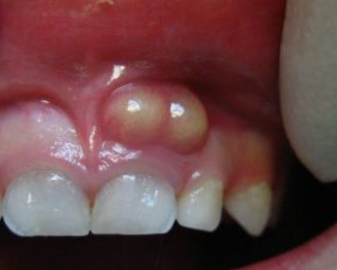
Inflammation around the tooth root
appears when nerve damage caused by decay or trauma
leads to an infection extending to the tip of the root.
When pus drains outward,
there may actually be little pain.
In contrast, inflammation that begins in the gums
may appear together with gum swelling and bleeding,
as well as deepened gaps around the gums.
Because it is difficult to distinguish between them by sight alone,
the cause is determined by considering the condition of the tooth,
a gum examination, X-rays, and other findings together.
Gum Pus: Check These Things First!
| Symptoms to Check | Why Check Them |
|---|
| Pus repeatedly appears in the same spot | Check for inflammation inside |
| The tooth changes color | Check the condition of the nerve |
| A dull sensation or pain when chewing | Check the condition around the root |
| The gums are swollen and bleed | Check for gum inflammation |
| A feeling that the tooth is loose | Check the surrounding gums and bone |
How Is Gum Pus Treated?
Checking Recurring Gum Pus in Gangseo-gu
Checking the Cause of Gum Pus at a Gangseo-gu Dental Clinic
If an infection inside the tooth is the cause,
root canal treatment is performed to remove the infected tissue
and clean the inside of the tooth.
If inflammation is found again in a tooth
that has already undergone root canal treatment,
retreatment may be considered.
If inflammation remains at the tip of the root
and treatment through the inside of the tooth is difficult,
procedures such as apical surgery may be considered depending on the condition.
If the inflammation began in the gums,
the main treatment involves managing tartar and inflamed tissue
through gum treatment.
Rather than deciding first which treatment to perform,
it is a priority to determine where the inflammation began.
A Pus Pocket on the Gums at Maru-naru Station
These Symptoms Require Prompt Evaluation
Antibiotic Treatment for Gum Pus at Maru-naru Station
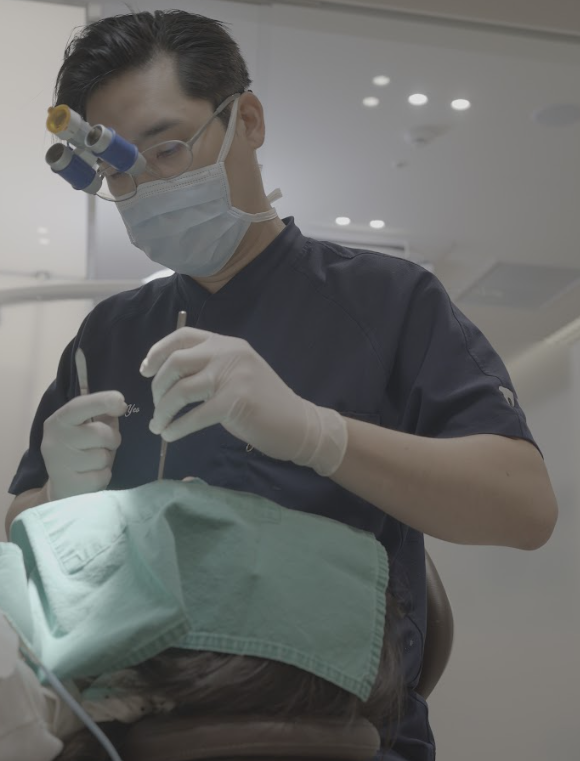
Gum Inflammation at Maru-naru Station
Not all gum pus
indicates a serious condition.
However, if your face becomes swollen, you develop a fever,
or you have difficulty opening your mouth or swallowing,
it is necessary to check whether the infection has spread to nearby areas.
Even if the pus pocket bursts and becomes smaller,
if it appears again in the same spot,
it is better not to leave it untreated.
With gum pus, it is more important to find out
why it developed than simply whether it has disappeared.
If you have recurring pus or swelling,
it is advisable to examine the inside of the tooth, the root, and the gums
and find a treatment approach suited to the cause.
Thank you.
This was Yonsei Wish Dental Clinic.
Recommended videos