Hello, this is Lee Soo-kyung, a specialist in integrated dentistry, working in collaboration with an orthodontic specialist at Balsan Station Dental Clinic.
After starting orthodontic treatment,
many people are startled by
unexpected changes.
Among them, the one that seems to cause the greatest fear
is when a tooth starts to feel loose.
“Doctor, my tooth is shaking so much—
isn’t it going to fall out?”
“Has the appliance weakened my gums?”
.
.
.
Whenever I meet patients who ask these questions
with anxious expressions,
there is something I always tell them.
Today, I will take the time to explain in detail
the causes of natural tooth looseness during orthodontic treatment
and what falls within the normal range.
Balsan Station Dental Clinic Oral Information
A loose tooth is evidence that it is moving.
To start with the conclusion,
a certain degree of looseness in a natural tooth
is a completely natural and normal process.
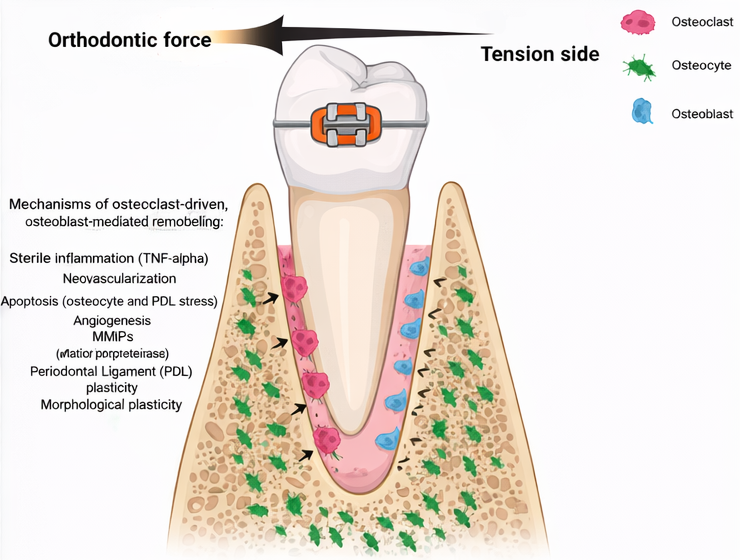
A tooth may look as if it is firmly embedded in the alveolar bone,
which is the jawbone supporting the gums,
but in reality, it is in a state similar to floating in the air,
held in place by a thin membrane called the periodontal ligament.
.
When the appliance applies force to a natural tooth,
the bone in the direction the tooth is moving
dissolves and disappears (resorption),
and new bone is formed in the opposite space (formation).
This process is called bone remodeling.
During the process of bone resorption and new bone formation,
the support temporarily becomes weaker,
so some looseness is only natural.
In fact, you can see it as a positive sign
that the teeth are moving well.
Balsan Station Dental Clinic Oral Information
The range of normal looseness
When a natural tooth is gently pressed,
the slight movement you feel
is usually not something to worry about greatly.
In particular, right after the appliance is tightened or the wire is replaced,
the looseness may feel a little more noticeable temporarily.
This is because new force is being delivered to the teeth,
and movement becomes more active.
Usually, after a few days to about a week,
this movement gradually stabilizes as well.
.
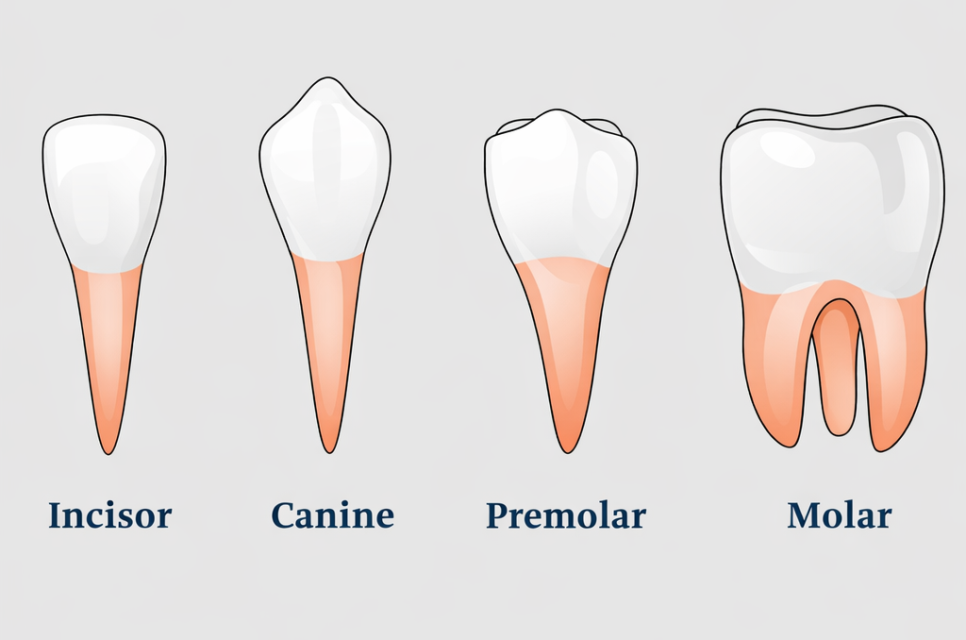
The front teeth often feel
more sensitive than the molars,
because front teeth have one root,
whereas molars have multiple roots,
so front teeth respond more easily to the same amount of force.
Also, it may feel more noticeable in the middle stage of treatment than at the beginning.
This is because it coincides with the period when
natural tooth movement is occurring most actively.
In other words, please keep in mind that the degree of looseness
can vary depending on the tooth position and the stage of treatment.
Balsan Station Dental Clinic Oral Information
There are also situations that require careful attention.
Although it is a normal process,
not every case is necessarily fine,
so Balsan Station Dental Clinic would like to offer an additional caution.
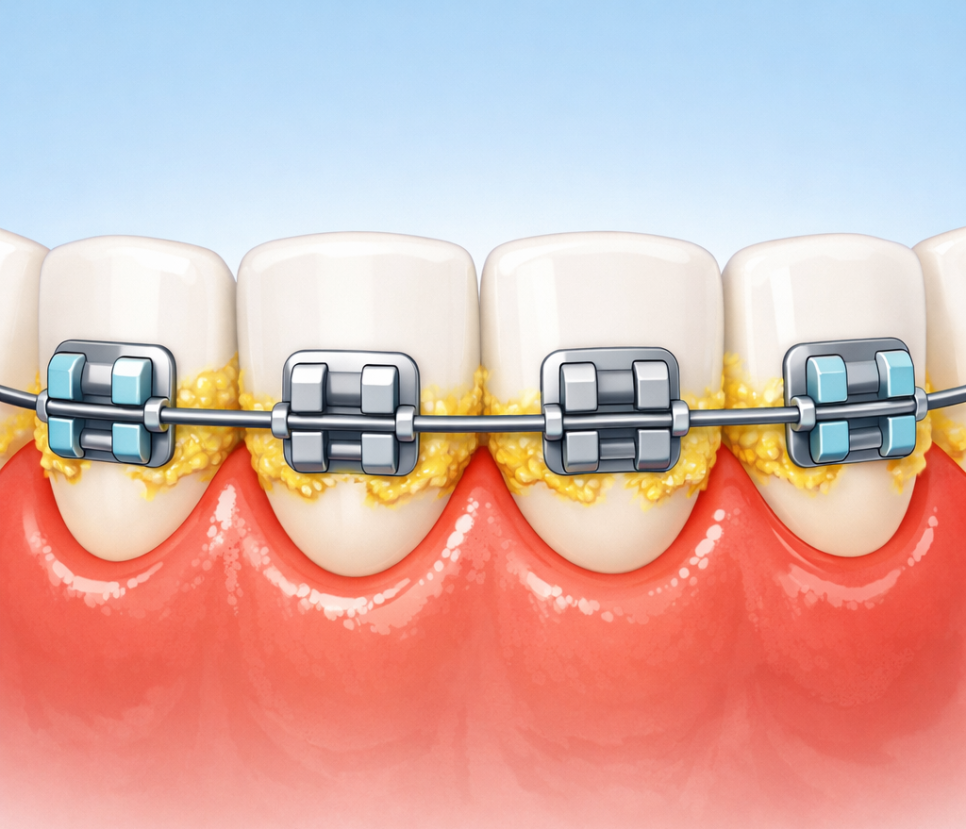
First, if the gums are severely swollen and bleeding
Because brushing is difficult due to the appliance,
plaque and tartar can easily build up.
.
If periodontitis develops as a result,
it can progress beyond looseness to actual loss of the gum bone,
so caution is needed.
Second, if only a specific tooth is severely loose
or the pain does not subside
There may be excessive force from the appliance
or an occlusal interference,
so in that case, a fine adjustment by the treating doctor is necessary.
Balsan Station Dental Clinic Oral Information
In closing - care tips
To minimize looseness
and finish treatment in a healthy way,
patients’ cooperation is more important than anything else.
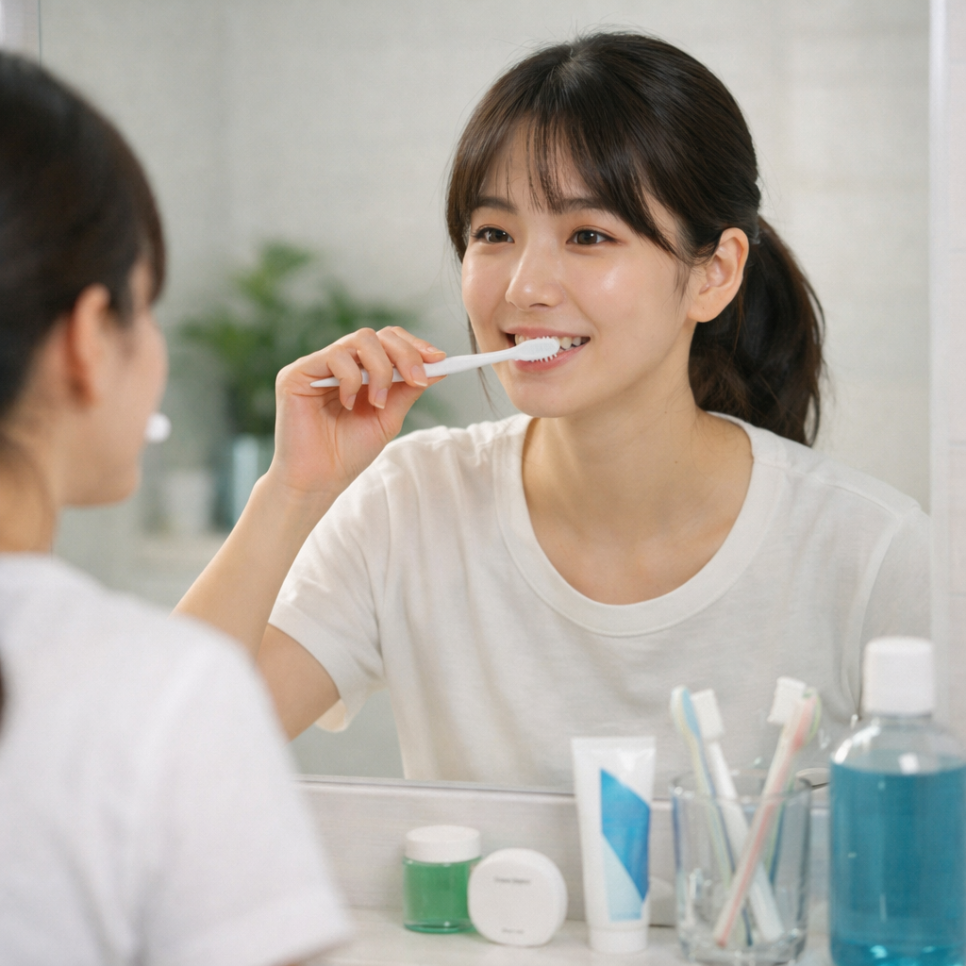
The most basic thing is, of course, thorough oral hygiene.
Using interdental brushes and special toothbrushes,
you should carefully clean between and around the appliances.
Also, overly hard or chewy foods can cause excessive impact,
so it is better to hold off on them as much as possible during the treatment period.
It is not simply about aligning the teeth;
considering gum health as well
is the true essence of orthodontic treatment.
I hope the information I shared today
was at least a small comfort to those who felt anxious during orthodontic treatment.
Natural teeth repay the care we give them
with a beautiful and healthy smile.
Please do not worry too much,
and if you have any questions,
please visit a nearby clinic at any time.
This has been Balsan Station Dental Clinic,
a specialist in integrated dentistry.
This was Every Dental Clinic. Thank you.
.