Hello, I’m Lee Soo-kyung, a specialist in integrated dentistry at a dental clinic in Balsan-dong.
The color of our teeth affects the first impression of a smile.
If your face has a slightly yellow tone,
a tooth that is a little yellow may not feel like a big issue.
But if your face is bright and fair,
while only your teeth are yellow, it stands out noticeably.
That difference is exactly why people consider teeth whitening.
In fact, teeth whitening has long been popular,
and at-home whitening attempts are commonly seen.
However, at-home whitening uses a low concentration
and works more slowly,
(typically 10–15% hydrogen peroxide or carbamide is used.)
so it takes a long time
to achieve the desired brightness.
So today at the Balsan-dong dental clinic, I will explain exactly
why tooth discoloration occurs,
and also introduce professional whitening,
which can be performed clearly and safely.
Balsan-dong Dental Clinic Oral Information
- How does tooth discoloration occur?
Discoloration refers to the phenomenon in which pigments settle on the surface and inside of the teeth,
making them darker than their original color.
First, let’s look at extrinsic discoloration.
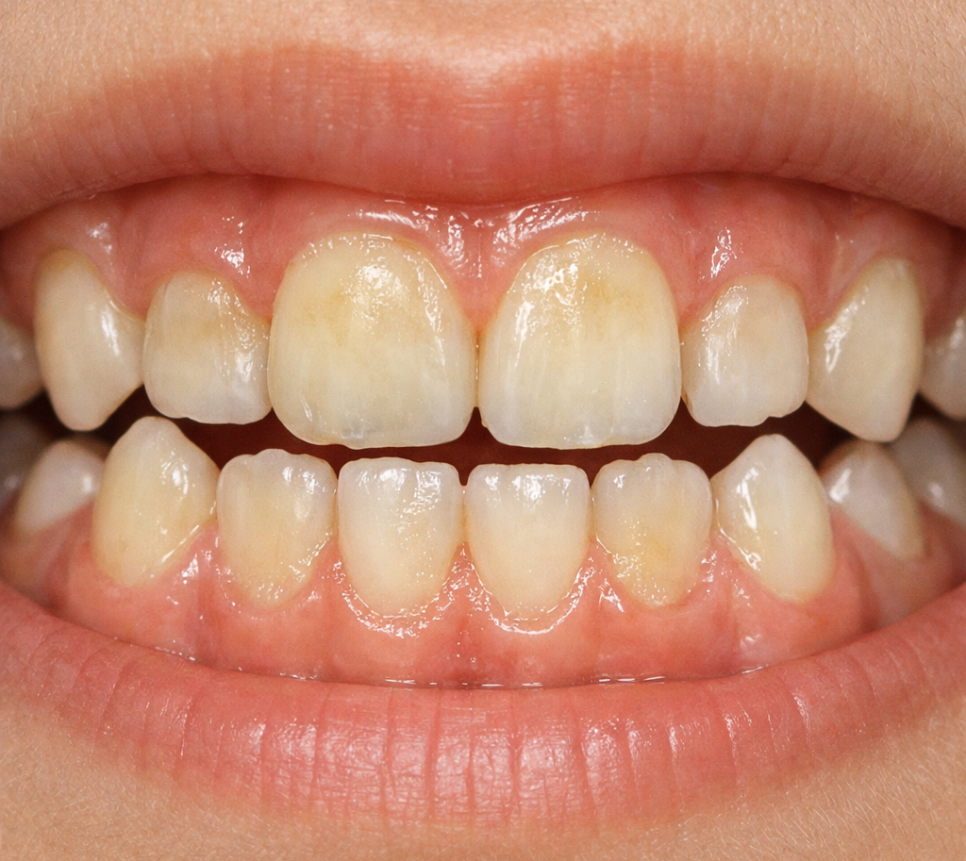
Tannins found in wine, coffee, and similar drinks
accumulate on the surface and cause discoloration.
The nicotine and tar from smoking
are similar as well.
These substances penetrate
through tiny pores on the surface
and create stains.
Intrinsic discoloration is color change
that occurs inside the tooth.
Common causes include taking tetracycline antibiotics
or fluorosis caused by excessive fluoride intake.
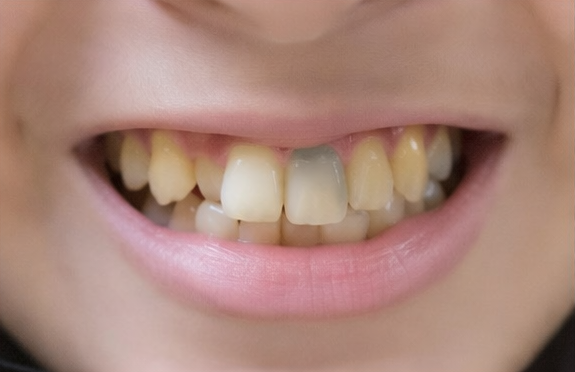
It appears as gray, gray-brown, or yellow-brown bands.
Teeth that have undergone root canal treatment also
have a tendency to darken over time.
There is also discoloration
that occurs naturally as we age.
As the outermost layer of the tooth,
enamel gradually becomes thinner,
revealing the color of the dentin underneath.
In this process, the teeth as a whole
can be observed turning yellow.
There is an important point you must keep in mind here.
Regular whitening toothpaste can only remove
surface stains.
It is difficult for it to reach
staining substances that have penetrated deeply inside.
Because it works by using abrasive ingredients
to scrub the surface,
its fundamental whitening effect is limited.
Balsan-dong Dental Clinic Oral Information
- What is professional whitening? - Treatment process
Professional whitening is a specialized treatment
performed using a hydrogen peroxide gel
with a concentration of 15% to 35%.
It uses medical devices
strictly regulated by the Ministry of Food and Drug Safety.
Because whitening agents can irritate
areas that are already damaged,
it is important to thoroughly examine
the oral condition before treatment.
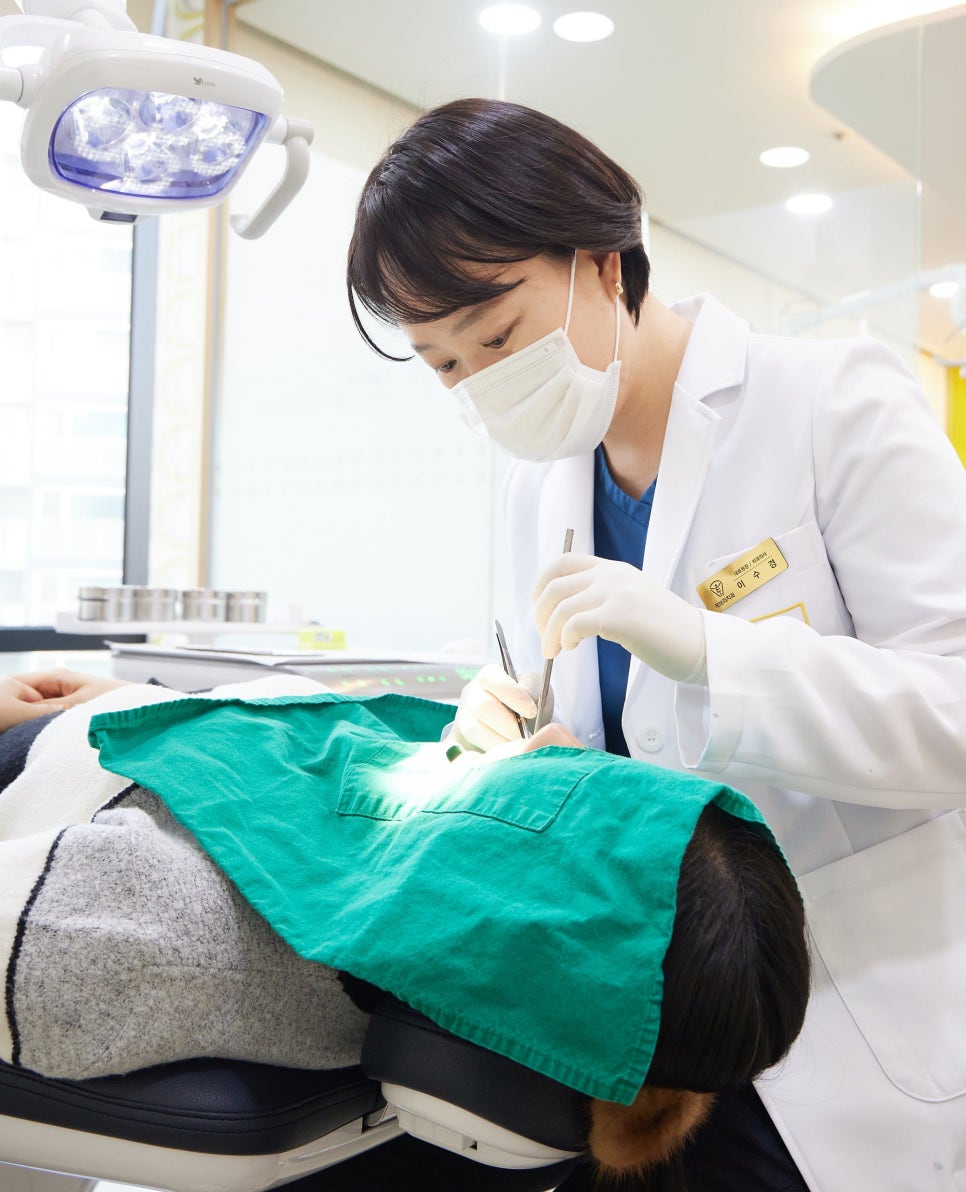
If there is tooth decay or gum disease,
those conditions should be treated first,
and the original tooth color is also recorded
so that the whitening effect can be confirmed objectively.
During treatment, a high-concentration whitening agent is used.
Because this ingredient can irritate soft tissues
if it comes into contact with them,
a special protective layer is carefully applied
to protect the gums and lips,
and the whitening agent is applied only to the tooth surface.
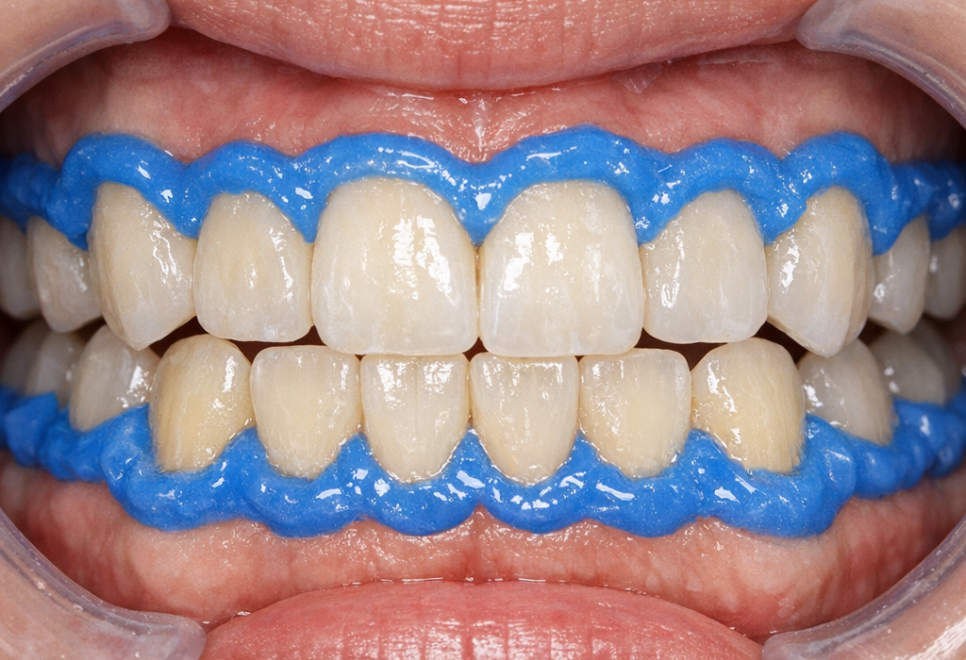
After applying the whitening agent,
a special light is used
to activate the chemical reaction.
As hydrogen peroxide breaks down, oxygen is released,
and this oxygen combines with staining molecules inside the tooth,
turning the color colorless.
It is usually performed three times for 15 minutes each,
for a total of about 1 to 1 hour and 30 minutes.
During the procedure, you may feel a slight tingling sensation,
but for most people it is at a tolerable level.
Balsan-dong Dental Clinic Oral Information
- Care and precautions after whitening
For the first 24 hours after whitening,
it is best to avoid foods and drinks
that cause staining.
During this period, teeth become temporarily more sensitive,
so staining substances can penetrate more easily.
Brushing is also important.
Use a soft-bristled toothbrush and brush at a 45-degree angle,
that is, using the Bass method.
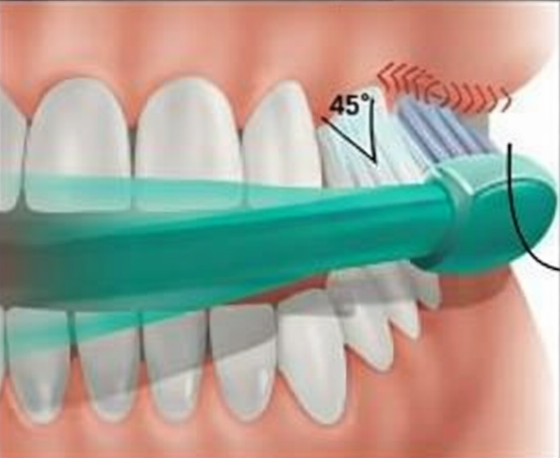
Brushing too forcefully can cause
microdamage to the enamel.
The whitening effect is maintained for about 6 months to 2 years,
depending on the individual’s lifestyle.
If you smoke or frequently consume staining drinks,
re-staining may occur more quickly,
so touch-up treatment is recommended if necessary.
Also, if sensitivity after the procedure is severe,
it can be managed through treatments that relieve hypersensitivity,
such as fluoride varnish application.
Most importantly,
teeth whitening does not guarantee a permanent effect.
Through continuous care and regular checkups,
monitoring the condition of your teeth,
and receiving touch-up treatments when needed,
is the safest and most effective approach.
Balsan-dong Dental Clinic Oral Information
- Closing remarks
In conclusion, professional whitening is a
safe and effective way to improve discoloration.
Using the chemical breakdown principle with
high-concentration hydrogen peroxide,
you can see noticeable changes
in a short time.
However, results may vary
depending on the original color of each person’s teeth
and the degree of discoloration.
The key is to establish a treatment plan that suits you
through sufficient consultation with a specialist.
If you receive an accurate diagnosis of your oral condition
and also understand the aftercare methods,
you can achieve satisfying results.
I hope you will maintain the whitening effect
for as long as possible through regular checkups.
This was Lee Soo-kyung, a specialist in integrated dentistry at a dental clinic in Balsan-dong.
Thank you.