Hello, this is Lee Su-kyung, a specialist in Integrated Dentistry who works in collaboration with an orthodontic specialist at a dental clinic in Magok-dong.
Right after a child is born,
parents who are seeing for the first time that the lip or palate area
is not completely closed
often experience considerable confusion.
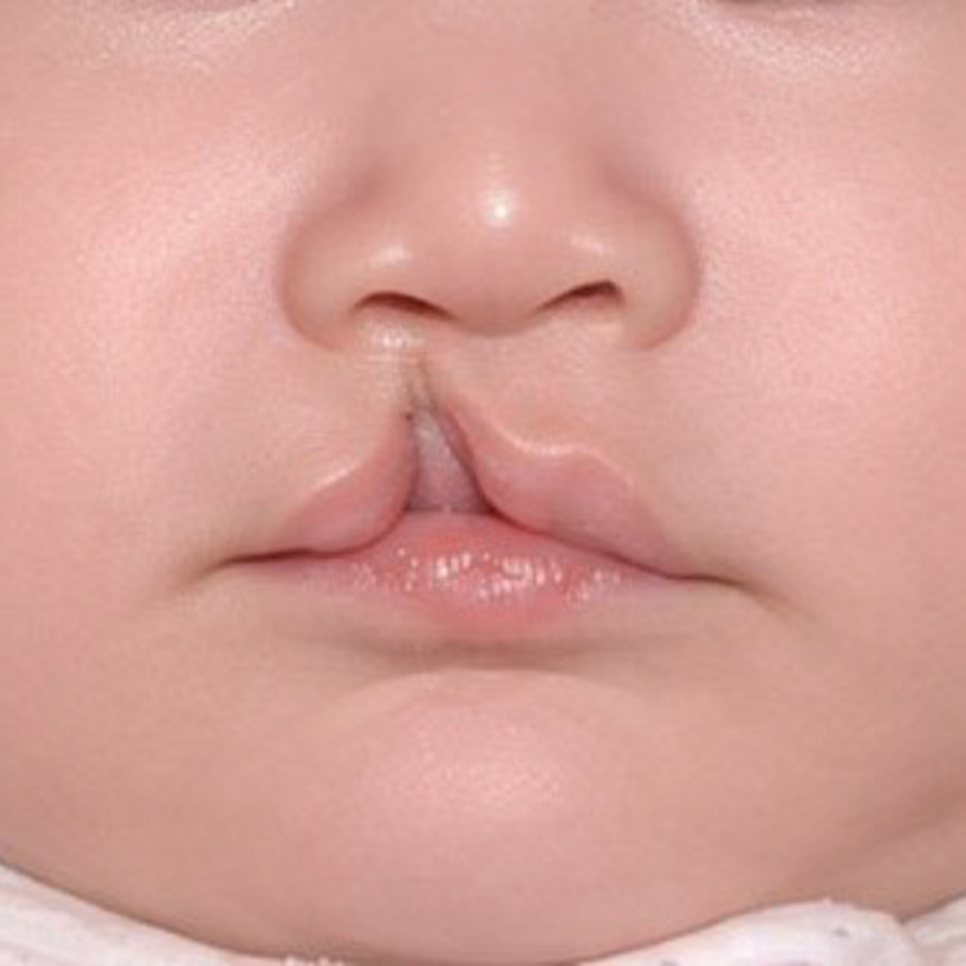
Cleft lip and palate is a congenital anomaly in which, during fetal development,
the lip (cleft lip) and
the palate, meaning the roof of the mouth (cleft palate),
fail to fuse completely, leaving a gap.
It can appear as both conditions together,
or only one of them may occur.
Cleft lip and palate is one of the more common congenital facial anomalies,
occurring in about 1 out of every 500 to 700 people worldwide.
In Korea as well, related symptoms are identified in approximately 1,000 newborns per year,
and it should be understood as a complex condition
that affects not only appearance but also feeding, speech, hearing, and overall oral function.
Magok-dong Dental Clinic Oral Health Information
- Types of Cleft Lip and Palate and Their Causes
Cleft lip and palate is broadly divided into cleft lip,
which affects only the lip,
cleft palate,
which creates a gap only in the palate,
and cleft lip and palate, where both occur together.
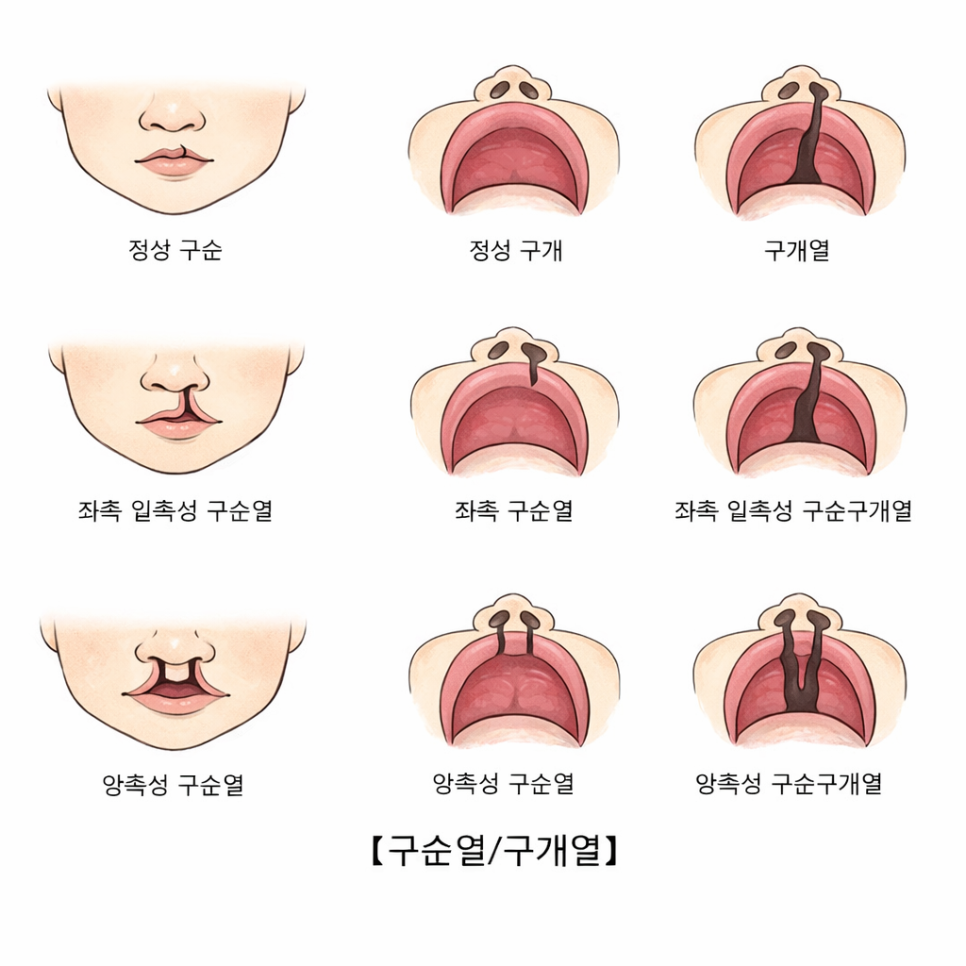
Depending on the location, it is also classified as unilateral or bilateral,
and the range and severity of symptoms vary from person to person.
The cause is not singular,
and it is known that genetic and environmental factors work together.
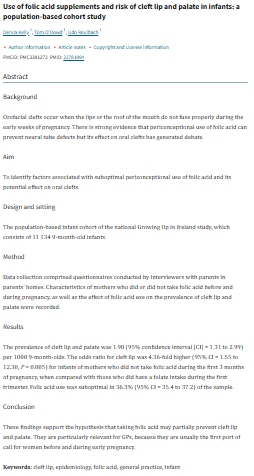
https://pmc.ncbi.nlm.nih.gov/articles/PMC3381272/
According to related studies,
between 6 and 10 weeks of early pregnancy,
folate deficiency, taking certain medications,
smoking, and drinking alcohol may increase the risk.
In particular, one study reported that if folic acid was not taken during the first three months of pregnancy,
the risk was
4.36 times higher than in those who did take it.
However, there are many cases in which a clear cause is not identified,
so parents do not need to blame themselves for it.
Magok-dong Dental Clinic Oral Health Information
- Effects on Oral Function and Tooth Development
Because the oral structure itself
differs from the normal developmental path,
it can also affect tooth formation and alignment.
Tooth agenesis, extra teeth, and eruption in abnormal positions
have been reported near the cleft lip and palate area,
and these changes are especially often observed in the maxillary lateral incisor area (the tooth next to the front teeth).
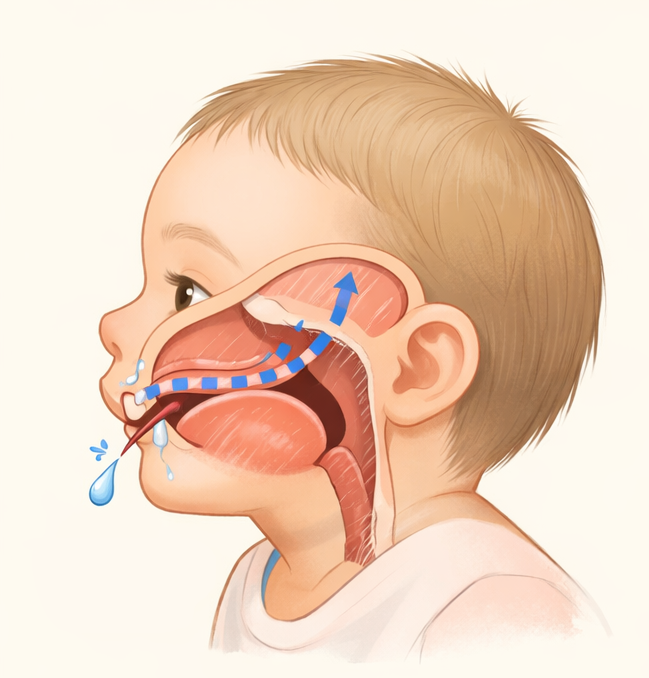
Because of the gap in the palate,
food may regurgitate into the nasal cavity,
or pressure control within the mouth may become difficult,
which can affect speech.
In terms of oral hygiene management,
there are structural characteristics that make access difficult,
so regular checkups and personalized hygiene guidance
play an important role.
Magok-dong Dental Clinic Oral Health Information
- Treatment and Long-Term Oral Care Direction
Treatment for cleft lip and palate is carried out through collaboration among a multidisciplinary team,
including pediatric surgery, plastic surgery, and otolaryngology,
and integrated dentistry also plays an important role in this process.
It includes monitoring tooth development, deciding the timing of orthodontic treatment,
and oral care before and after bone grafting,
with the plan changing according to the stage of growth.
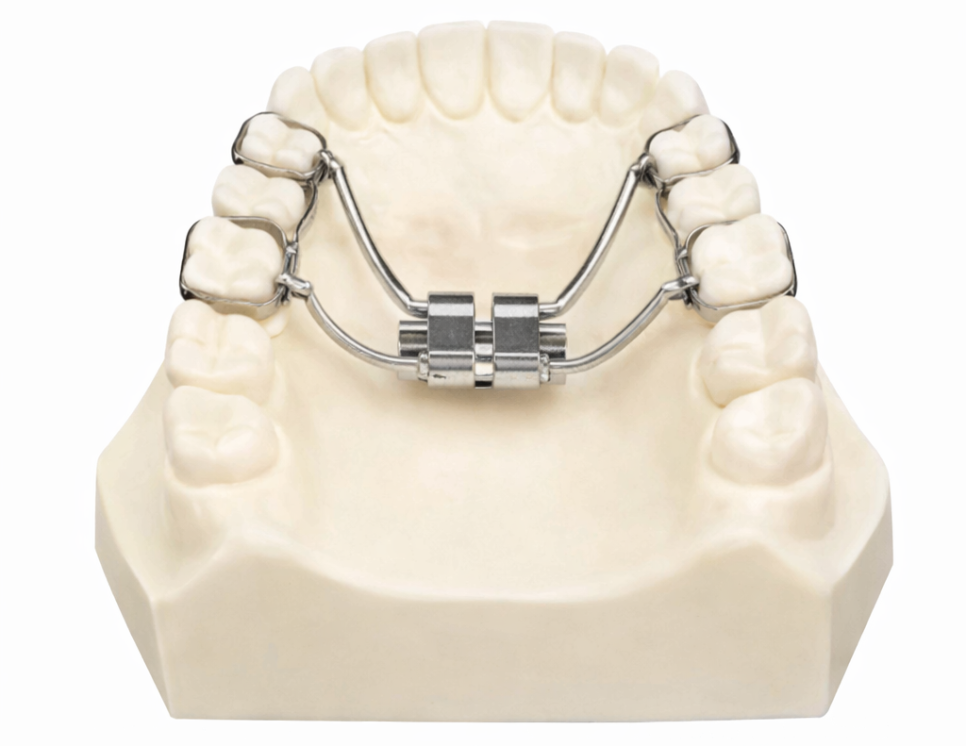
In orthodontic treatment,
the main goal is to guide the maxillary arch toward a near-normal shape
using appliances such as a palatal expander.
If there is a missing tooth area,
after growth is complete,
restoration through prosthetics or implants may be considered,
and this is decided under a long-term plan that takes the entire growth period into account.
Magok-dong Dental Clinic Oral Health Information
- In Closing
Cleft lip and palate is a condition that continuously affects oral health and function
from right after birth until adulthood.
Even after surgical treatment is completed,
it is necessary to keep checking tooth alignment, occlusion, and oral hygiene status.
At home, gentle brushing with a soft toothbrush,
regular fluoride application, and
managing the spaces with an oral irrigator
can be helpful as part of daily habits.
Understanding the structural characteristics
and practicing care methods suited to them
are key to maintaining long-term oral health.
That is all for today’s content.
As mentioned earlier,
even if genetic factors are involved,
it cannot automatically be attributed to the parents’ fault.
Since cleft lip and palate develops through the complex interaction of various factors,
it is not a condition that can be blamed on any one person.
In addition, if treatment is received early,
not only during the child’s growth process but also after becoming an adult,
recovery can be achieved without major functional or aesthetic problems.
If cleft lip and palate is suspected in your child,
do not delay and receive an accurate evaluation from a specialist
so that the most appropriate treatment plan can be established for the child.
This was Lee Su-kyung from a dental clinic in Magok-dong. Thank you.