Hello, this is Dr. Lee Soo-kyung,
an integrated dental medicine specialist at a Maguok-dong dental clinic.
Have you ever experienced
a throbbing, swollen gum
as a wisdom tooth starts to come in?
It stings every time you chew,
opening your mouth wide feels uncomfortable,
and in severe cases, you may even
feel a dull ache under the jaw.
Many people tend to dismiss these symptoms
as gum inflammation or fatigue.
But if the gum around a wisdom tooth
keeps swelling repeatedly,
you need to consider
pericoronitis.
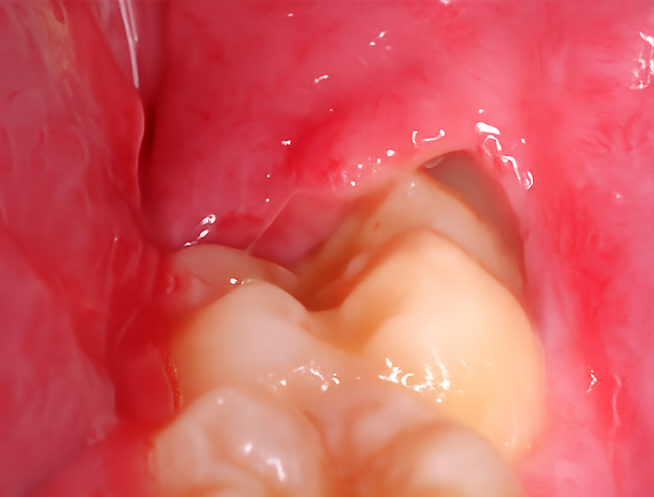
Pericoronitis is a condition
in which a wisdom tooth has not fully
erupted through the gum,
and bacteria multiply in the gum tissue
covering it, causing inflammation.
Since wisdom teeth are the last teeth
to erupt among the molars,
they often come in at an angle or only
partially because there is not enough space.
That gap becomes an environment
where bacteria can easily settle.
Today, at the Maguok-dong dental clinic,
we will take a detailed look at why
pericoronitis develops, how it progresses,
and how it should be managed.
Maguok-dong Dental Clinic Oral Information
- Why does pericoronitis occur?
Wisdom teeth usually erupt
between the ages of 17 and 25, but while the jawbones of modern people
have become smaller than in the past,
the size of the teeth has not changed much,
so wisdom teeth often have difficulty
finding enough space.
Because of the lack of space,
wisdom teeth often cannot fully emerge
and stop with only part of the tooth
exposed in the gum.
When this happens, gum tissue remains
over the crown like a cover,
and this cover is called the operculum.
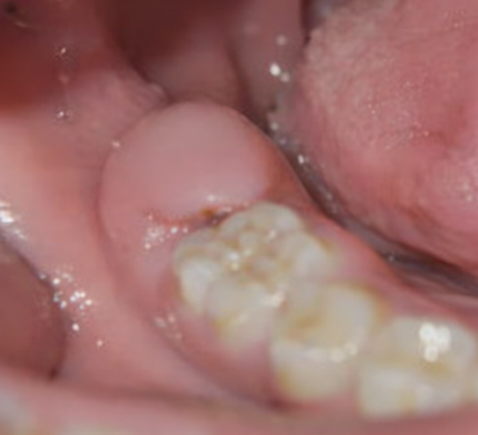
The problem is the gap
between this operculum and the tooth.
Food debris and bacteria can easily get in,
but it is a structure that is difficult
to clean away with brushing.
You can think of it as similar to debris
building up inside a container with the lid
slightly open.
When bacteria multiply in this space,
an inflammatory response begins,
and the gums swell and become painful.
In particular, symptoms become more noticeable
when your immune system is weakened
or fatigue builds up, or when the gum tissue
is irritated by hard or rough foods.
Maguok-dong Dental Clinic Oral Information
- What symptoms appear with pericoronitis?
The most common early symptoms are
swelling and pain in the surrounding gums.
As the inflammation progresses,
the range of symptoms expands, and if the swelling becomes severe,
the upper and lower gums may touch,
which can lead to trismus, making it difficult
to fully close or open the mouth.
Pain may extend to the throat when swallowing,
or a dull ache may be felt around the jaw below the ear.
If the inflammation becomes deeper,
it may also be accompanied by fever or
a feeling of overall fatigue.
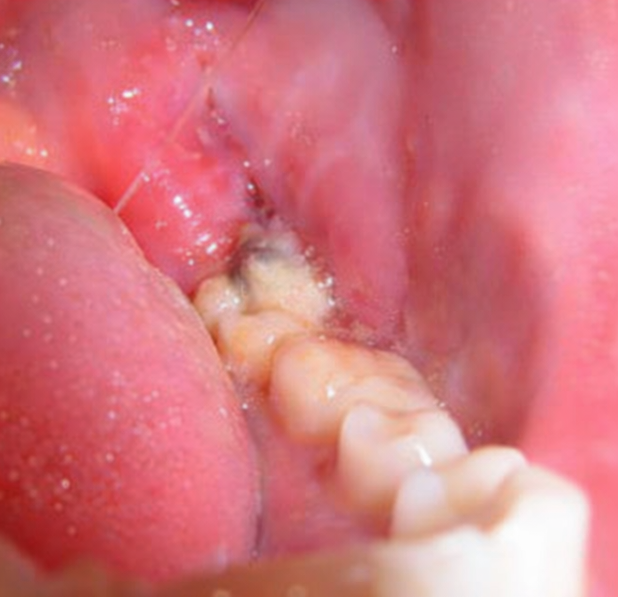
What you should be careful about is that
just because the symptoms have eased once
does not mean the problem has been completely resolved.
As long as the structural environment that allows bacteria to grow,
that is, the operculum, remains in place,
inflammation is likely to recur whenever it is irritated.
In fact, pericoronitis often shows a recurrent course,
and repeated inflammation can cause cumulative damage
to the surrounding gum tissue and bone.
In addition, if the inflammation spreads,
it can extend to the area under the jaw or the neck,
leading to a deep neck infection,
so it is important not to dismiss it lightly at an early stage.
Maguok-dong Dental Clinic Oral Information
- How should it be managed and handled?
The first thing you can do is reduce the bacterial environment in the mouth.
Gently rinsing with warm salt water can
temporarily lower the number of bacteria
and help calm the inflammatory response.
However, this is only a way to
temporarily relieve symptoms,
not a fundamental solution.
The approach varies depending on the condition of the pericoronitis.
If the inflammation is at an early stage,
the area may be cleaned and disinfected
to calm the inflammation, then monitored over time.
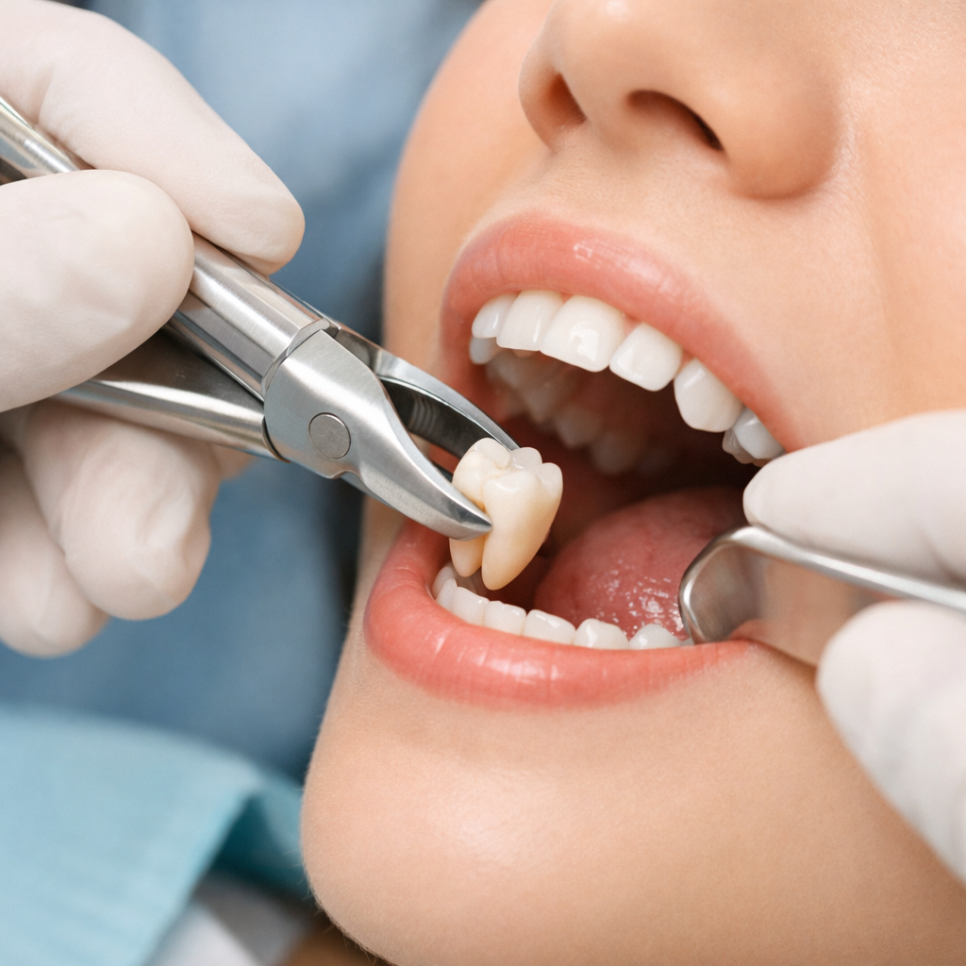
However, if the wisdom tooth is erupting
in an abnormal direction,
or if the inflammation keeps recurring,
removing the tooth may be more beneficial in the long term
because it eliminates the cause at its source.
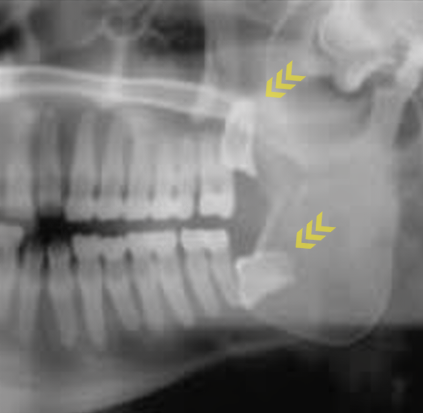
The decision to extract is based on the wisdom tooth’s position and angle,
its relationship to the surrounding teeth,
and the degree of impaction in the bone,
which are assessed through a panoramic X-ray.
It is important not to simply think,
"If it hurts, pull it out,"
but to first identify the structural cause.
One thing to keep in mind is that
not having symptoms does not necessarily mean there is no problem.
Because bacteria may still be quietly accumulating even during periods without pain,
regular checkups are helpful if the wisdom tooth has not fully erupted.
Maguok-dong Dental Clinic Oral Information
- Closing thoughts
Pericoronitis can recur as long as the structural cause is not resolved,
and the longer it is left untreated, the more it can affect the surrounding tissues.
Brushing around the wisdom tooth carefully with the tip of a toothbrush,
and using dental floss or a water flosser to prevent food debris from building up,
can be helpful.
Above all, if the wisdom tooth has not fully erupted,
even if there are no symptoms, it is a good idea to accurately check the current condition through an X-ray.
It is recommended to examine the eruption direction of the wisdom tooth
and the surrounding structures,
and to get professional guidance on the most appropriate course of action
for each patient’s situation.
This was the Maguok-dong dental clinic. Thank you.