“I knew I needed treatment, but I couldn’t come because I was afraid it would hurt a lot.”
When meeting patients, we often find that many ask about pain before asking about the treatment method.
Hello.
I am Lee Su-gyeong, director of Every Dental Clinic.
“I’m afraid of the anesthetic injection.”
“Will there be a lot of swelling after surgery?”
“I’ve been putting it off for years, but I think I need to do it now.”
In fact, quite a few patients at Every Dental Clinic tell us that they have delayed treatment for a long time because they were worried about pain.
Even when their teeth become loose, they endure it, and even when they cannot chew properly, they eat only on the opposite side.
Some only find the courage to visit the clinic after the inflammation has worsened or the jawbone has decreased.
It is natural to feel nervous about dental treatment.
The sounds can be frightening, and the vibrations in the mouth may also feel unsettling.
Because of this fear, many people visit the dentist only after their teeth have become severely damaged.
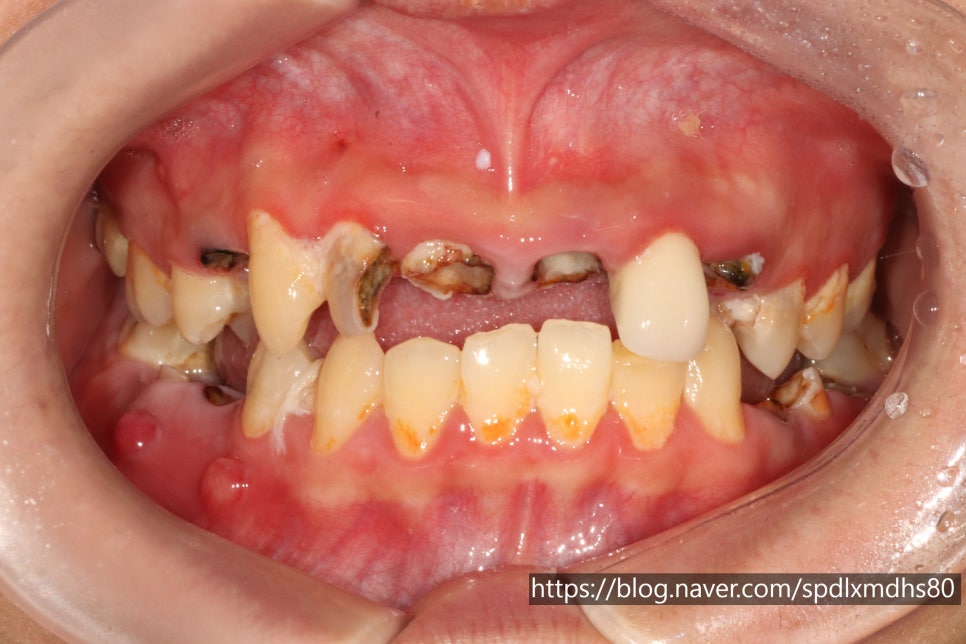
Before things become this serious,
we want to give you the courage to receive treatment.
Once you understand the process, vague fears can become a little smaller.
Today, I would like to explain how Every Dental Clinic carefully prepares to reduce the burden of treatment-related pain and anxiety.
- Comfortable care begins with an explanation, not with surgery.
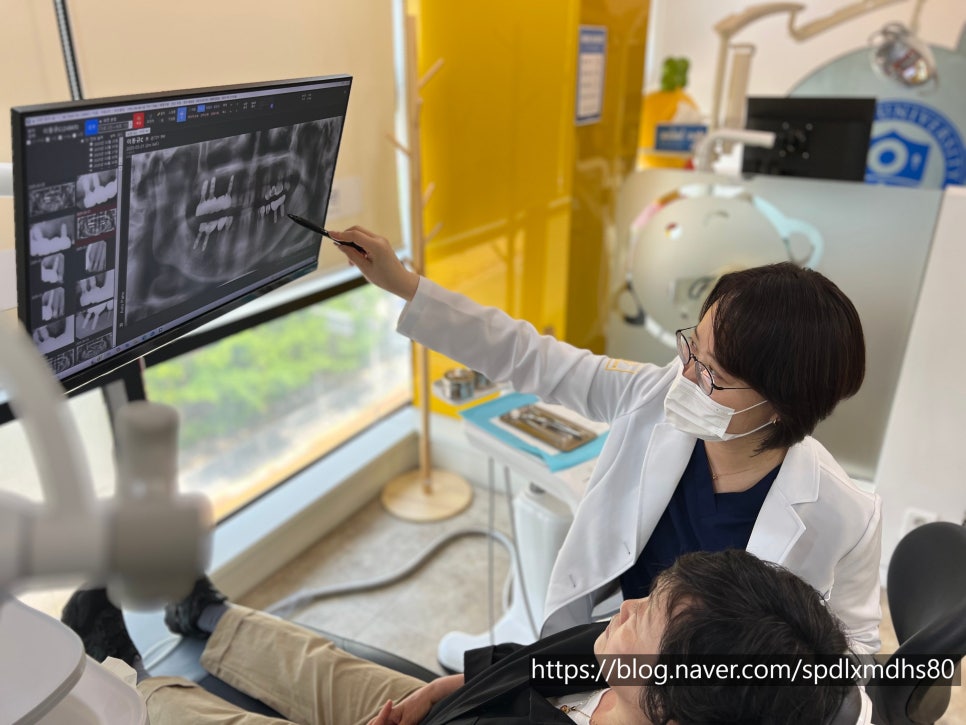
For people who are afraid of implants, the most difficult time is not limited to the day of surgery.
The tension begins the moment they sit in the dental chair.
When they do not know what is happening, even small sounds can startle them.
If they do not know when anesthesia will be administered or how long it will take, their anxiety can grow even more.
At Every Dental Clinic, we first listen to what worries you most.
Whether you are afraid of anesthesia,
whether you are concerned about sensations during surgery,
and whether you are worried about swelling or bleeding after surgery.
Past difficult experiences with dental treatment are also important.
This is because the reason for a person’s fear can differ even when the implant treatment is the same.
Simply saying, “It’s okay, so don’t worry,” is not enough.
It is more important to explain specifically what will be done and how.
Treatment becomes much more comfortable when patients can understand and prepare for the process.
- Anesthesia is not a process of simply enduring it once; the burden is reduced through multiple steps.
For people preparing for implant surgery, the moment they worry about most is local anesthesia.
Many people say that the anesthetic injection is more frightening than the surgery itself.
Adequate anesthesia is needed to reduce discomfort during surgery,
but the process of beginning anesthesia itself can feel burdensome.
That is why Every Dental Clinic does not immediately administer only a local anesthetic injection.
We first use an anesthetic mouth rinse and topical anesthetic cream.
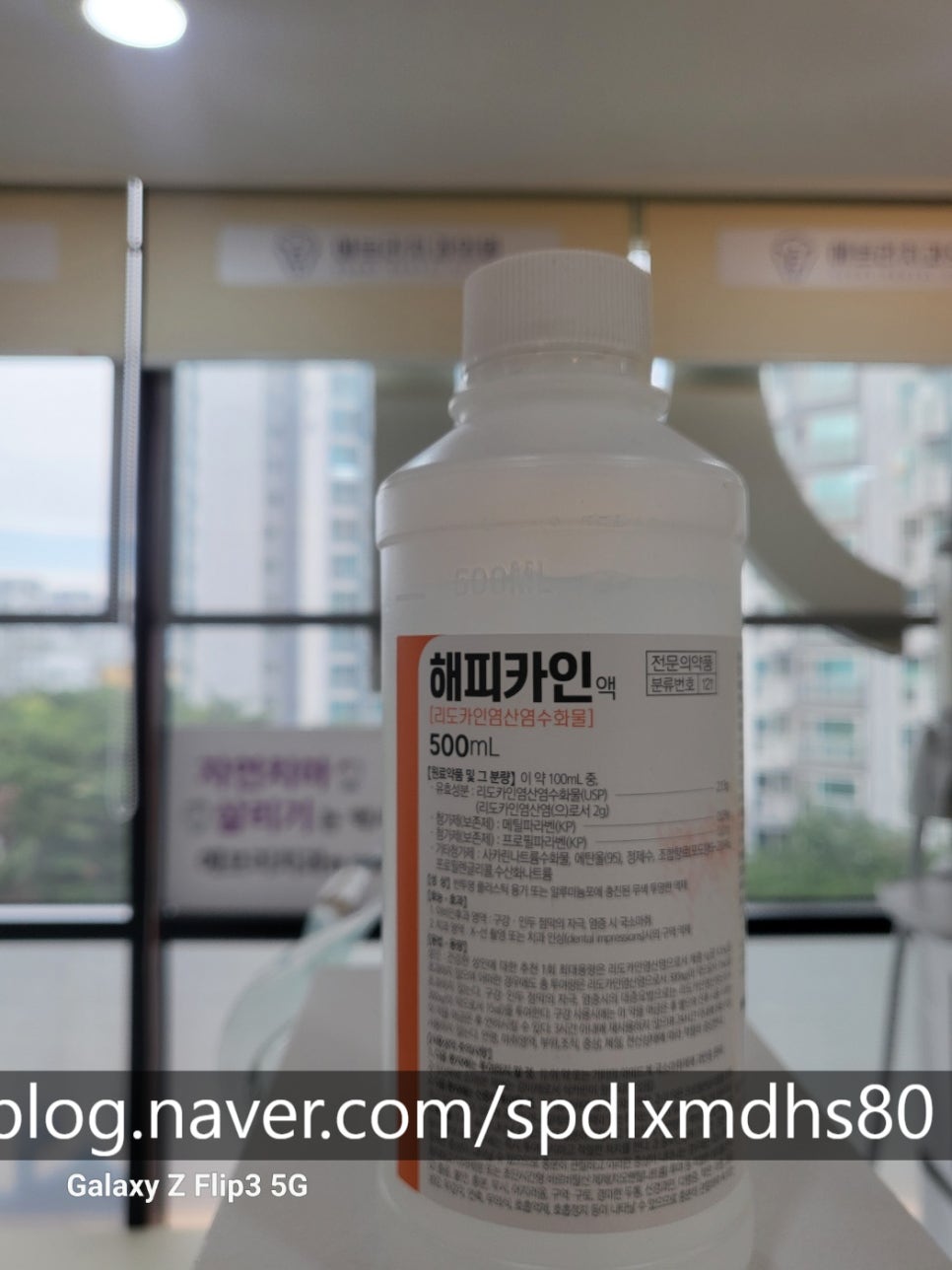
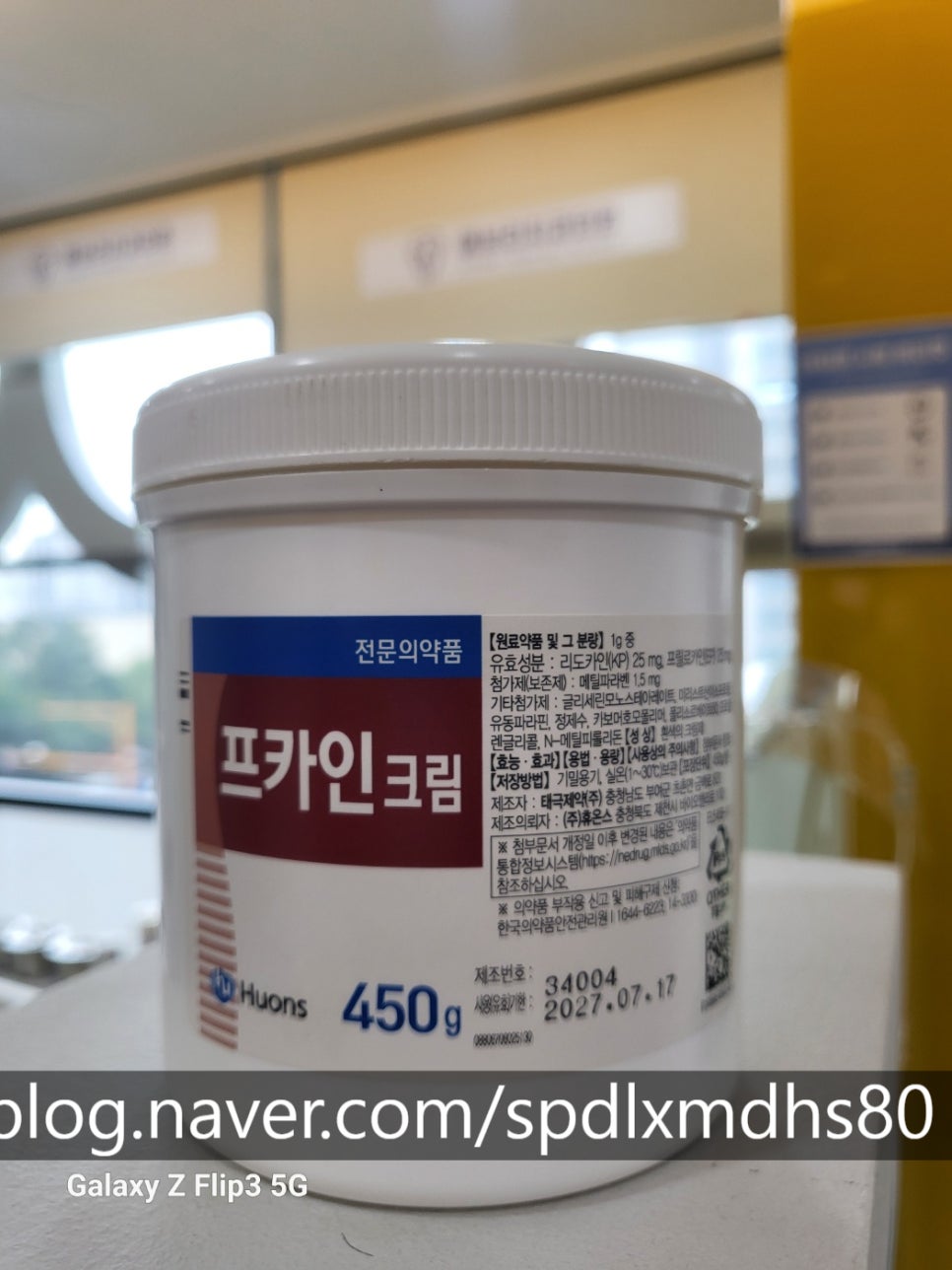
Anesthetic mouth rinses help reduce sensation in the oral mucosa.
The anesthetic cream is applied in advance to the area where the needle will enter to help reduce the initial sensation.
Every Dental Clinic also has a low-discomfort anesthesia device.
With a conventional injection, discomfort may increase when the anesthetic solution enters quickly or under high pressure.
A low-discomfort anesthesia device helps inject the anesthetic solution slowly at a consistent speed and pressure, and is used to reduce the burden of the anesthesia process.
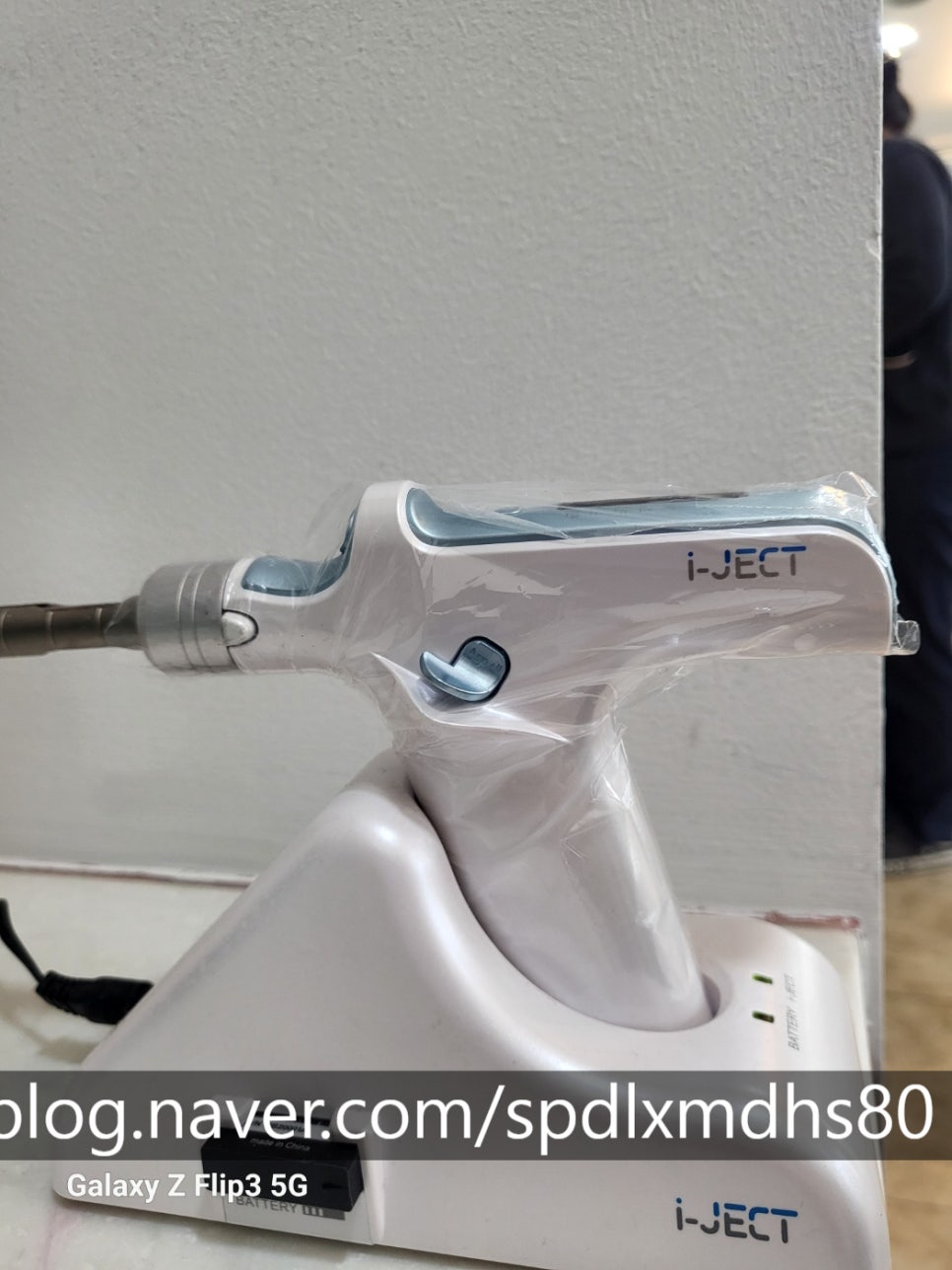
Low-discomfort anesthesia device
No device can completely eliminate every sensation.
However, using an anesthetic mouth rinse and topical anesthetic cream first, then injecting slowly with a low-discomfort anesthesia device, may help reduce discomfort during the local anesthesia process.
We do not begin surgery immediately after administering anesthesia.
We wait long enough for it to take effect and check that sensation has been adequately blocked in the treatment area.
We also continue to monitor whether you feel any discomfort during surgery.
If a patient raises a hand or expresses discomfort, we pause and check their condition again.
Good care is not about finishing as quickly as possible.
It is more important to proceed while observing the patient’s facial expression and breathing.
“This is my first time at such a comfortable dental clinic.”
This is something our patients sometimes tell us.^^
- Accurate planning and postoperative care are all part of one treatment process.
The scope of surgery must be planned accurately and only to the extent necessary.
The incision and surgical method vary depending on the condition of the jawbone and the implant placement site.
A digital guide may be used when necessary.
A digital guide is a device that uses 3D CT scans and oral information to plan the implant’s position and direction in advance and helps apply that plan during surgery.
It is a tool that helps accurately assess the current condition of the jawbone and stably implement the planned position.
Every Dental Clinic prioritizes stable placement in the correct position over placing implants as quickly as possible.
The more thorough the diagnosis and planning, the more predictably the surgical process can be prepared.
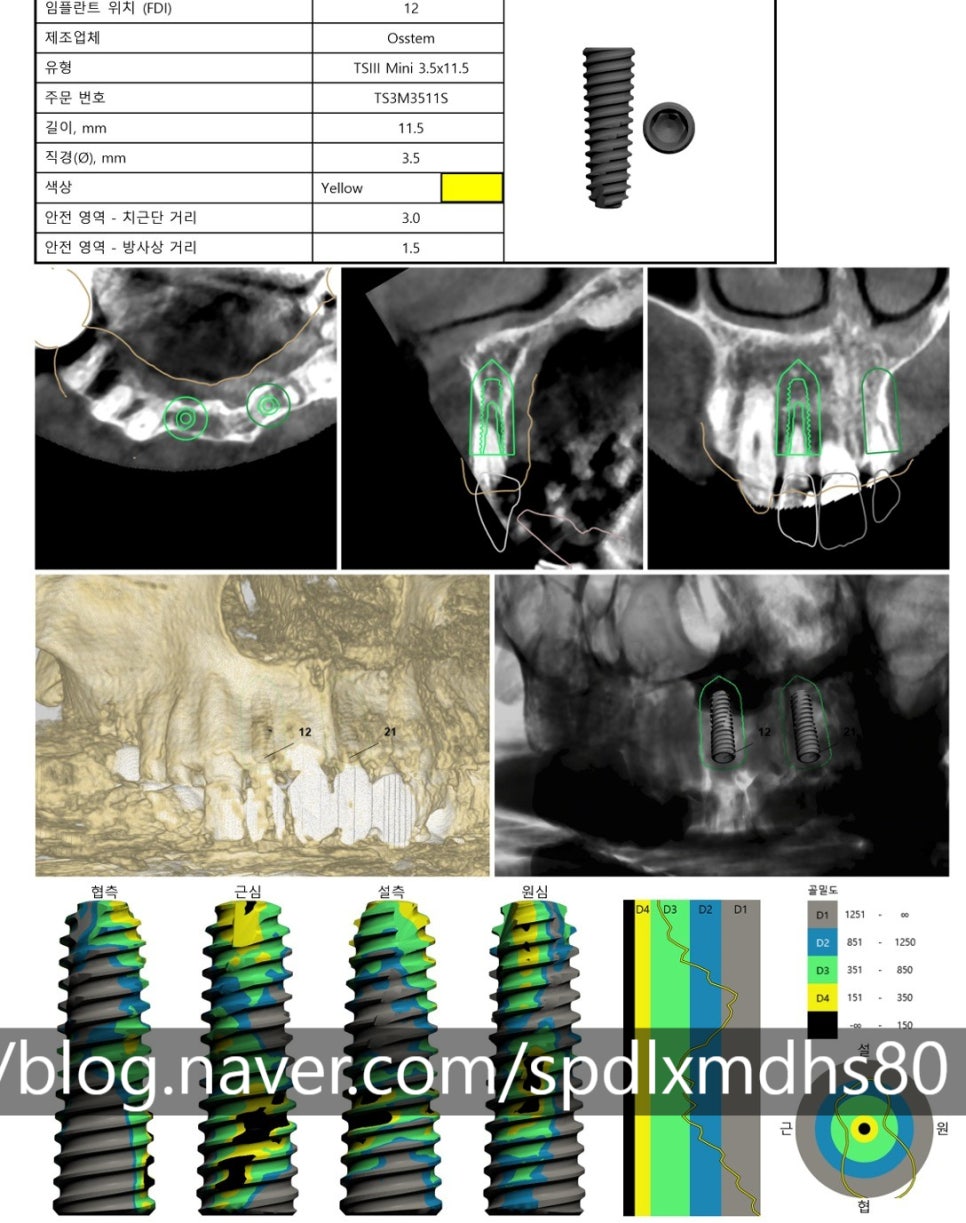
Patients worry about the period after surgery just as much as they worry about pain during surgery.
Swelling and discomfort may vary depending on the number of implants placed, whether bone grafting is performed, the scope of surgery, and the individual’s recovery rate.
Therefore,
we explain the expected reactions and how to manage them in advance.
We explain how to take prescribed medication, use cold compresses during the initial period, eat, and observe precautions regarding smoking and alcohol.
We also explain what to do if bleeding continues or pain suddenly becomes severe.
After surgery, we check whether the wound is healing properly and whether there is any inflammation or bleeding.
Suture removal and checks of implant stability are also carried out at the scheduled times.
Treatment does not end when the surgery is over.
Everything from the explanation before surgery and anesthesia to postoperative care is part of one treatment process.
Even when you know that implant treatment is necessary, it may still be difficult to visit the dentist.
You may be worried that it will hurt, and the word “surgery” itself may feel burdensome.
You may also feel embarrassed that you have put it off for so long.
However, there is no reason to be scolded for having delayed treatment.
The first step is simply to check your current condition.
Whether a natural tooth can be saved, whether an implant is truly necessary,
and whether bone grafting is needed must be determined after an accurate examination.
At Every Dental Clinic, we do not automatically recommend surgery first.
If a tooth can be preserved, we first examine the possibility of preserving it.
If an implant is necessary, we use 3D CT to examine the jawbone and surrounding structures,
then explain the scope and process of surgery in an easy-to-understand way.
If you are especially worried about pain, please tell us about your concerns first.
We can adjust the pace and method of care only when we understand why you are nervous.
Every Dental Clinic does not take concerns about pain lightly.
We strive to reduce the burden of the local anesthesia process by using an anesthetic mouth rinse, topical anesthetic cream, and a low-discomfort anesthesia device.
We will explain everything thoroughly, avoid rushing, and plan the necessary treatment accurately.
Good implant treatment does not end with placing the implant properly.
Patients should be able to understand the process, reduce unnecessary fear,
and continue with care after treatment.
Every Dental Clinic in Naebalsan-dong will carefully accompany you through the entire process.