Hello, this is Ribbon Plastic Surgery at Sinsa Station.

As skin aging progresses, many people feel stressed by skin tissue that sags uncomfortably.
In particular, the facial area has space between the bones and the flesh, which makes it easy to make facial expressions freely, but it is also an area where aging appears quickly, so caution is needed.
Not only does the skin sag, but in some areas fat disappears while in others it becomes excessively puffy, making uneven contours easy to develop.
At this time, one procedure that can be considered is “skin lifting.”
There are many methods that can help with skin lifting, but among them, thread lifting has recently attracted much interest because it is a non-surgical lifting method that can physically pull up the skin.
Unlike laser lifting such as ultrasound or radiofrequency, which focuses on skin tightening, thread lifting can produce immediate results to the extent that it is called an alternative to facelift surgery.
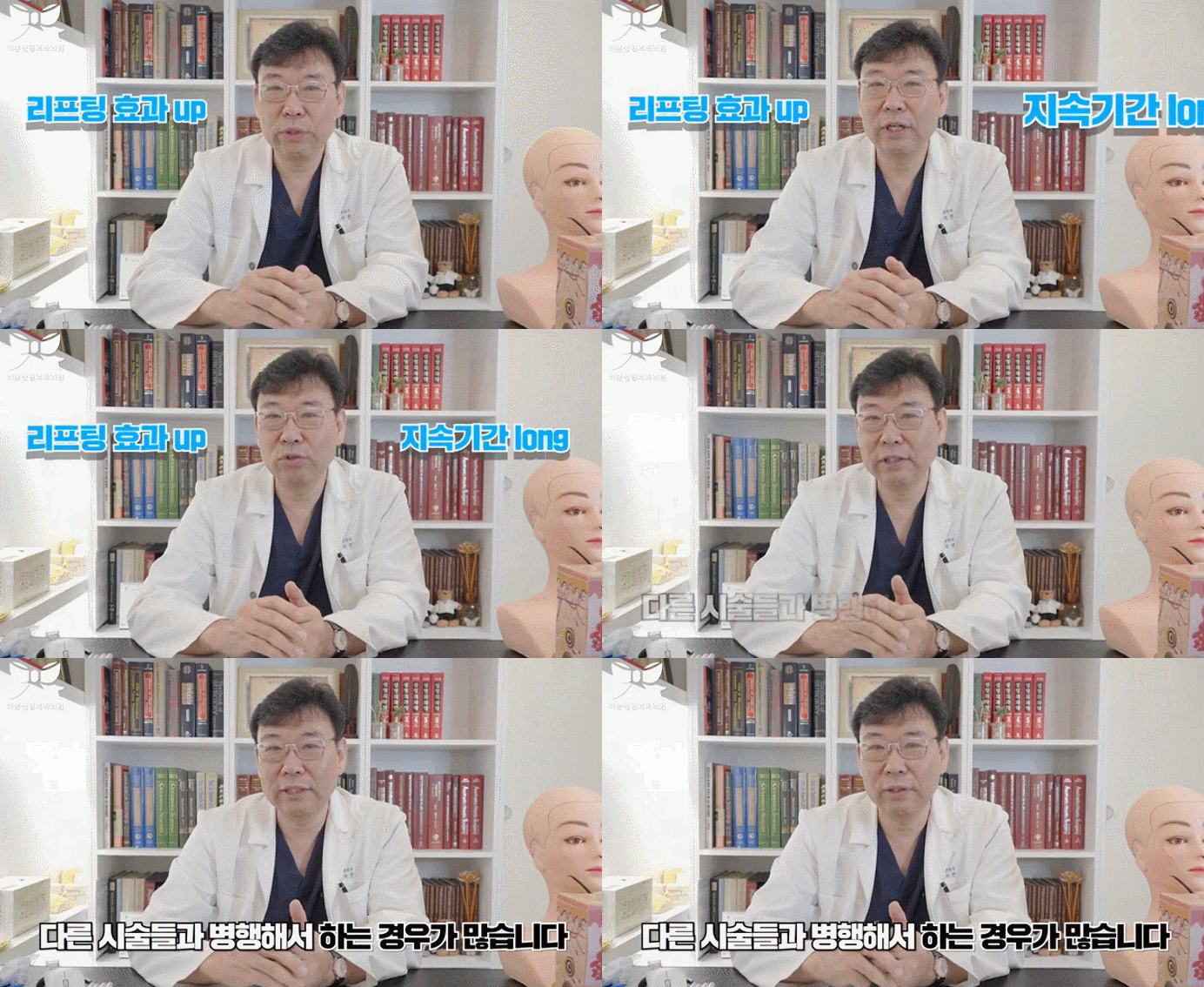
However, thread lifting is not a perfect solution either.
It is especially often used to improve the jowl area or the nasolabial fold line, but in some cases it can cause the cheekbone area to be pulled upward, making the face look larger or the cheekbones appear more prominent.
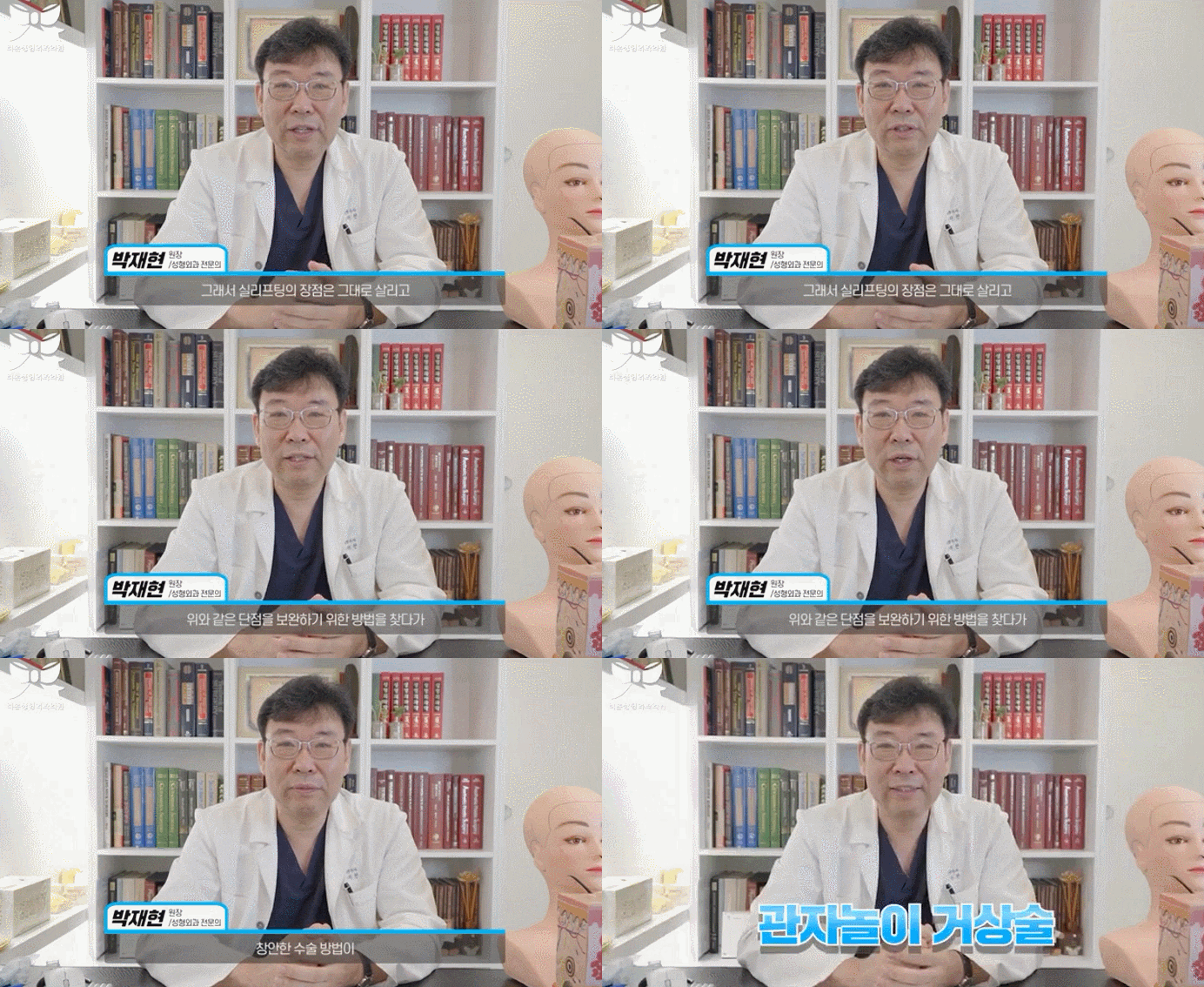
Today, we would like to look into the reasons related to this and also discuss the “3-Step Temple Lift,” which can serve as an alternative.
As this is a procedure designed by our clinic to maximize the advantages of thread lifting while compensating for its drawbacks, we hope it will be a helpful answer for those who have been concerned about side effects.
Please read comfortably, and if you have any questions, feel free to contact Ribbon Plastic Surgery at Sinsa Station at any time. ^^
─
Looking at the Pros and Cons of Thread Lifting
Typically, the starting point of the thread in thread lifting is about ear level.
So, you can think of it as making a small opening in the skin of the area between the ear and the eye, and inserting the thread inside.
The thread inserted in this area is then hooked and pulled from the cheek and nasolabial fold region, which is much lower, making it useful for lifting sagging tissue in this area.
The problem is that because this is not surgery, the excess lifted tissue is not removed, so the lifting effect tends to be limited.
In addition, when several threads are used for a strong lift, tissue may gather around the cheekbone area.
For this reason, after thread lifting, some patients complain, saying, “My cheekbones seem bigger,” or “The upper part of my face looks flatter and wider.”
The method designed to improve these issues is what is known as the 3-Step Temple Lift.
─
What Is the 3-Step Temple Lift?
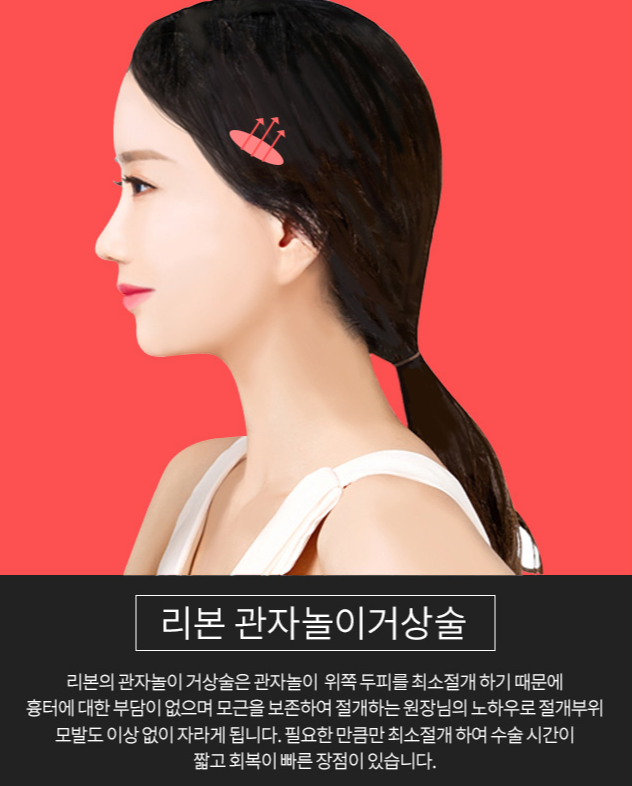
The 3-Step Temple Lift refers to a procedure that removes an appropriate amount of tissue from a much higher area than where the thread is inserted during thread lifting—namely, the tissue covered by hair.
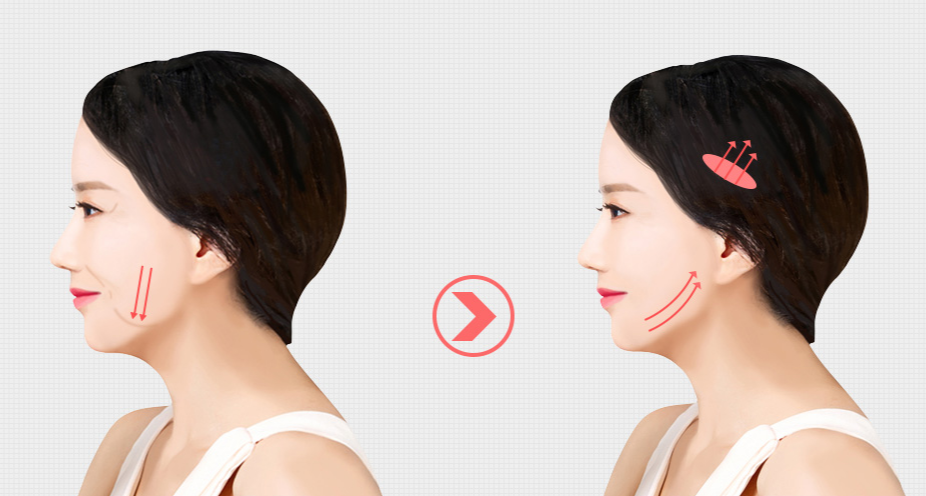
Because it pulls up the tissue that may bunch up during thread lifting and removes the tissue itself, it has the advantage of preventing such issues in advance.
In a sense, you might think of it as a mini version of a facelift.
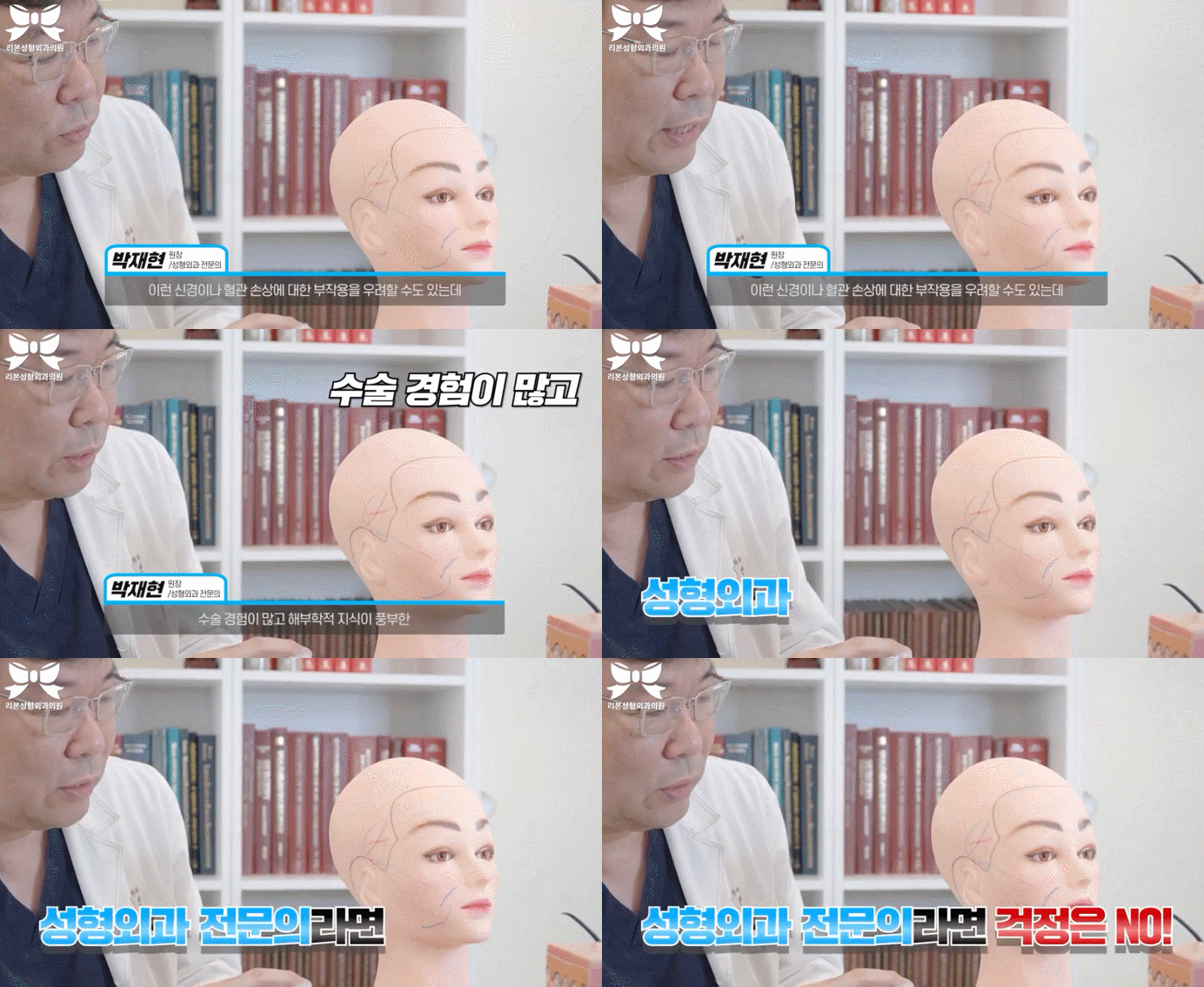
However, important nerves involved in facial expressions pass through the temple area.
That is why, whenever I perform surgery involving the temple area, I also tell patients to receive the procedure from a board-certified plastic surgeon with abundant experience and sufficient anatomical knowledge.
Also, although the incision area is hidden by hair, some people worry about scars because the procedure involves excision.
To prevent this, the hair roots must be sufficiently preserved so that the hair can be protected.
For this reason, our clinic performs skin excision in a way that protects the hair roots by making an incision parallel to the scalp hair follicles.
If done this way, once the scar gradually improves over time, hair will also grow in that area, so it becomes covered so well that it is almost unnoticeable.
When thread lifting and the 3-Step Temple Lift are performed together, the surgery usually takes about 30 minutes.
In most cases, the procedure can be done with simple local anesthesia, but sedation anesthesia is sometimes used for a more comfortable experience.
Same-day discharge is possible, and because there is no special gauze or bandage dressing, it places little burden on daily life.
Shampooing is possible starting on the third day, and stitches are removed after two weeks.
─
Key Features of the 3-Step Temple Lift at a Glance
- When thread lifting is performed alone, it can only pull up to around the upper ear area, which limits the degree of lift.
The 3-Step Temple Lift compensates for this and makes it possible to pull up to the hairline, allowing for a much more natural and powerful lift.
- In addition, scalp-side skin does not stretch easily, so the effects of the 3-Step Temple Lift tend to last relatively long.
However, the 3-Step Temple Lift has limitations when compared with facelift surgery.
It may be better to approach it as a method that compensates for the shortcomings of thread lifting and enables a more sturdy and efficient lift.
If you need help, please contact us directly at Ribbon Plastic Surgery at Sinsa Station.
We will kindly respond. Thank you. ^^