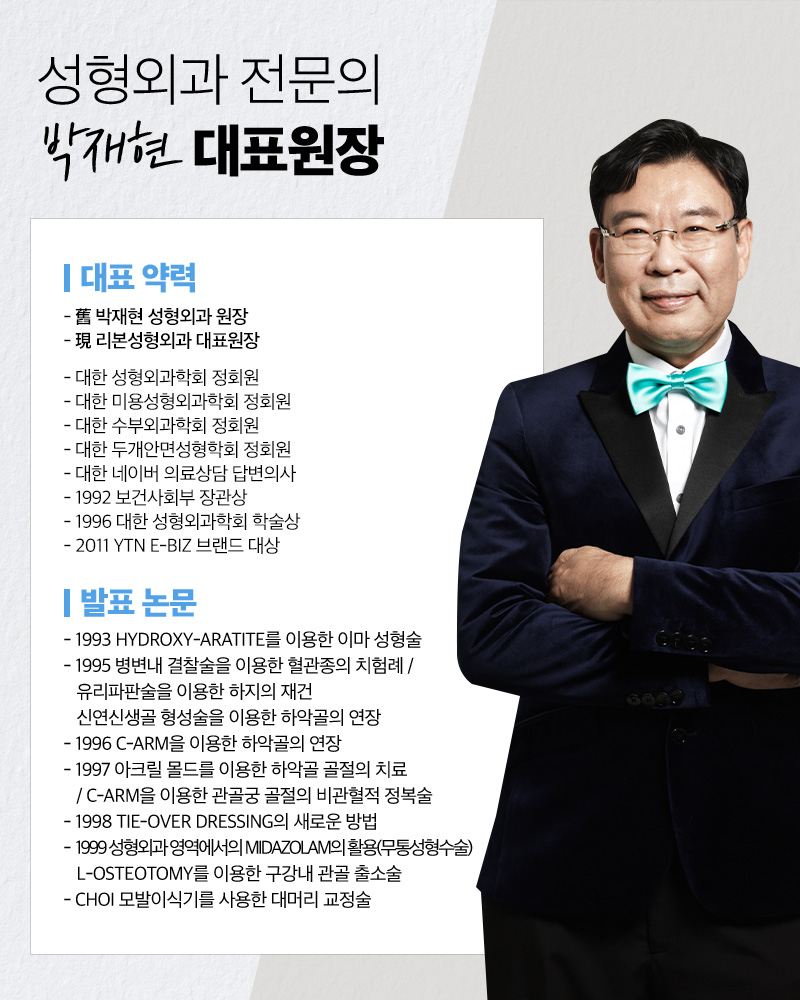
Hello, I’m Dr. Park Jae-hyun, the chief director of Ribbon Plastic Surgery at Sinsa Station. ^^
According to the Korea Health Promotion Institute, overall life expectancy for both men and women increased by about 3 years, from 82.7 in 2018 to 85.2 in 2023.
Compared with 79.6 in 2008, that means it increased by about 5.6 years over roughly 15 years.
Since it has continued to rise every year without a single decrease since then, I expect it may soon reach 90.
The reason life expectancy continues to rise is that, thanks to advances in medicine, diseases are being prevented, detected early, and treated.
Whether we want it or not, we are living in an era where we have no choice but to live longer, so these days many people seem to hope that even if they live one day longer, they can grow old without pain or looking unattractive, and age in a healthy and graceful way.
Perhaps that is why, over the decades I have practiced as a board-certified plastic surgeon, I have clearly felt the demand for anti-aging-related treatments increasing significantly.
Skin sagging can superficially create a tired and harsh impression, and internally it can lead to problems such as lowered self-esteem, which is why so many people want to improve it.
To address this, various medical treatments are performed, but in plastic surgery, the surgical procedure known as a facelift is the main focus.
A facelift generally involves making an incision along the hairline, pulling the sagging skin in the proper direction, removing excess tissue, and then suturing it.
If not only the outer skin tissue but also the deeper SMAS layer is properly dissected and tightened, much firmer lifting can be achieved, so people who want a semi-permanent effect tend to prefer it.
However, because it involves a certain surgical burden and the recovery period is longer than that of procedures, many people hesitate about the surgery itself.
For those people, our clinic offers one alternative surgical option.
That is the 3-Step Temple Lift.
It is a more advanced version of the existing temple lift, and with the addition of our clinic’s two special techniques, you can experience a three-combo effect.
Then you may be wondering why the temple lift is chosen instead of another area.
I will explain this in the following post, so please read comfortably and I hope you take away some useful information. ^^
─
What Is the 3-Step Temple Lift?
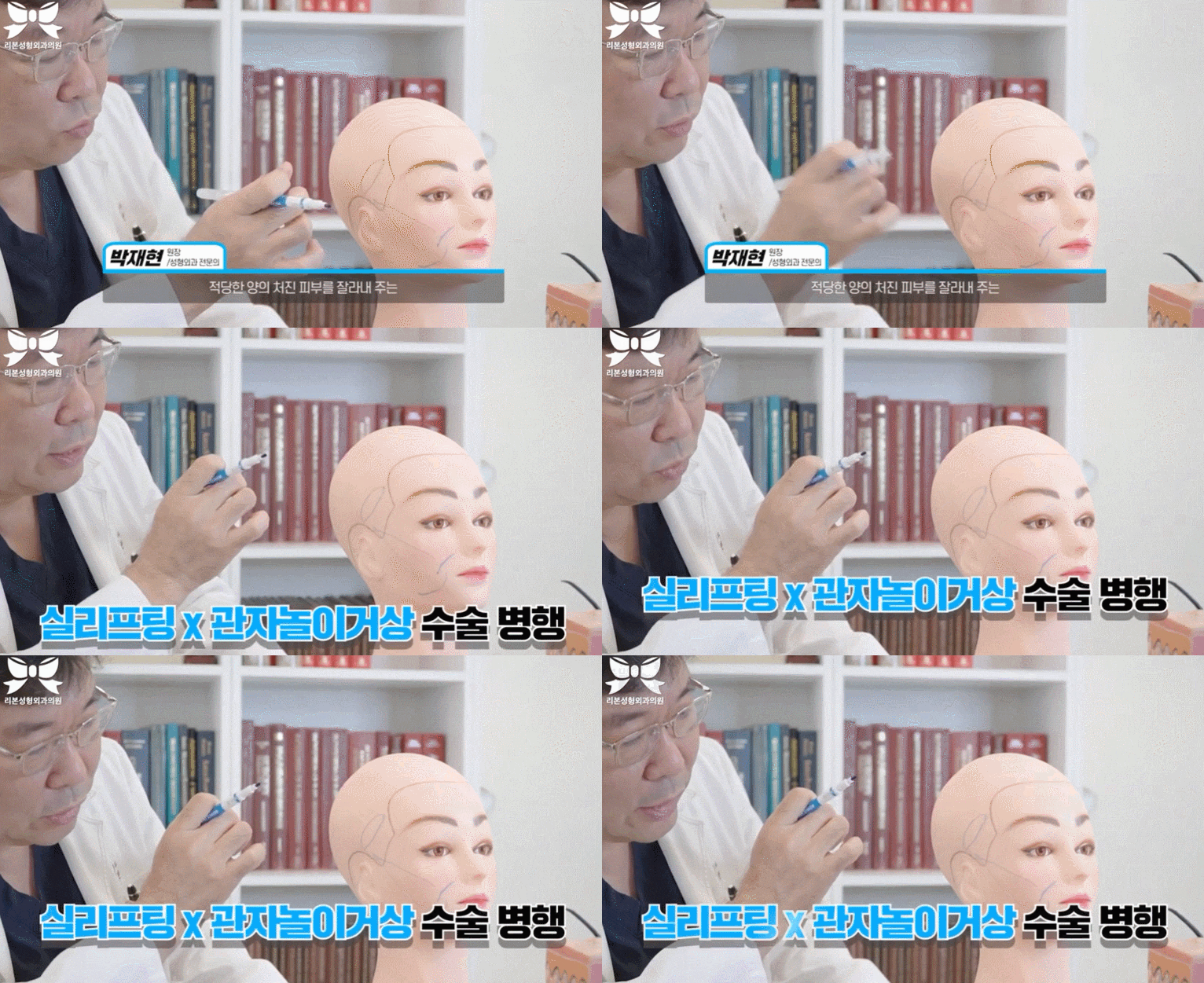
The 3-Step Temple Lift refers to a surgery in which an appropriate amount of tissue covered by hair, that is, the skin around the temple area, is removed and sutured.
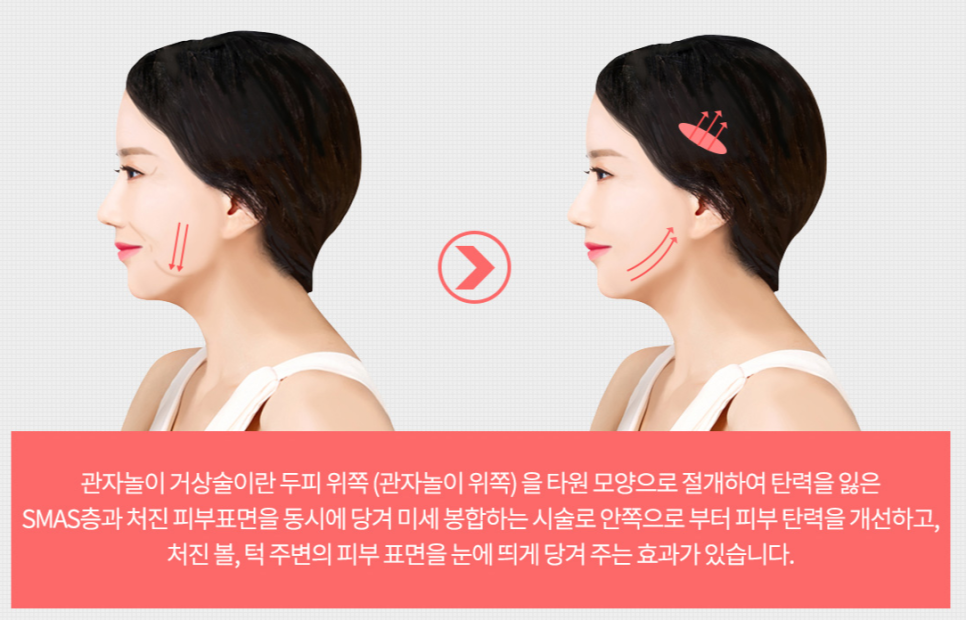
It is often performed together with thread lifting.
Thread lifting is mainly performed to improve the bulging buccal fat and the nasolabial folds beside it, and the threads are often inserted between the eyes and ears (above the cheekbones).
At this time, if the threads are anchored around the buccal fat and pulled upward, the force can gather toward the cheekbones and create the issue of the cheek area appearing more prominent.
This is actually a problem that often occurs with thread lifting, which is why many people hesitate to undergo the procedure.
To improve this problem, the surgery used together with it is what can be understood as the 3-Step Temple Lift.
By lifting the temple area, the tissue around the cheekbones that may become prominent after sufficient thread tension can be pulled much more smoothly.
Lifting the temple area is not only for this side effect, however.
Our skin has areas that are firmly attached to the bone, while there are also areas with some space that sag more easily.
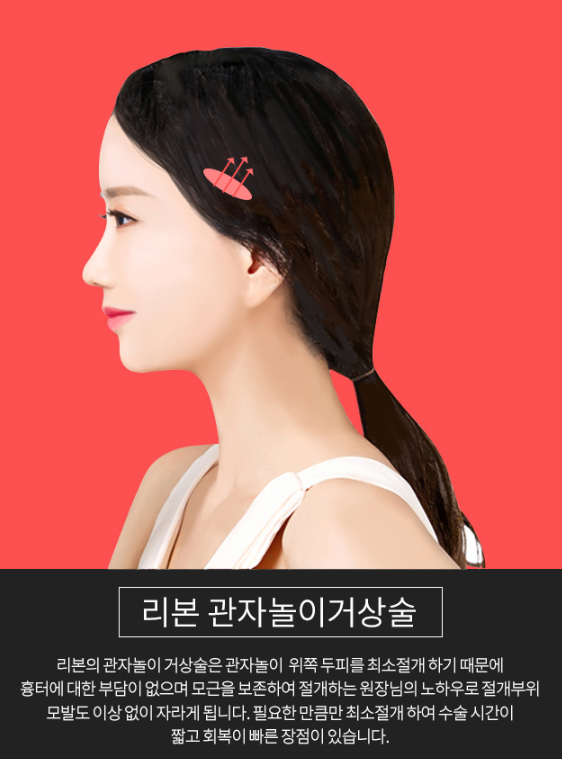
An area that sags easily would be the face, while a relatively firm area would be the scalp.
Since the temple is attached to the side scalp, lifting this tissue helps maintain the effect of thread lifting for a relatively long time.
In my case, since the time thread lifting first began in Korea, I have played a pioneering role and have continuously conducted research on the limitations of thread lifting.
The result of long-term research into a method that can solve the two most critical drawbacks of thread lifting — its short duration and cheekbone volume — is the 3-Step Temple Lift. ^^
─
Will the 3-Step Temple Lift Leave a Scar?
The parts patients worry about most are scars and side effects.
After all, since the procedure involves making an incision in the temple and removing tissue, they worry that a visible scar may remain from the process.
To prevent this problem, our clinic performs the incision and dissection in a way that preserves the hair roots.
Simply put, this means that after the surgery, hair can grow back in the scar area, so it can be sufficiently covered.
People who have had the surgery will understand, but after enough recovery, it becomes hard to even find the incision site.
Also, because the temple area contains blood vessels and nerves, it is necessary to have a thorough understanding of the anatomical structure and to be treated by a board-certified plastic surgeon with extensive surgical experience.
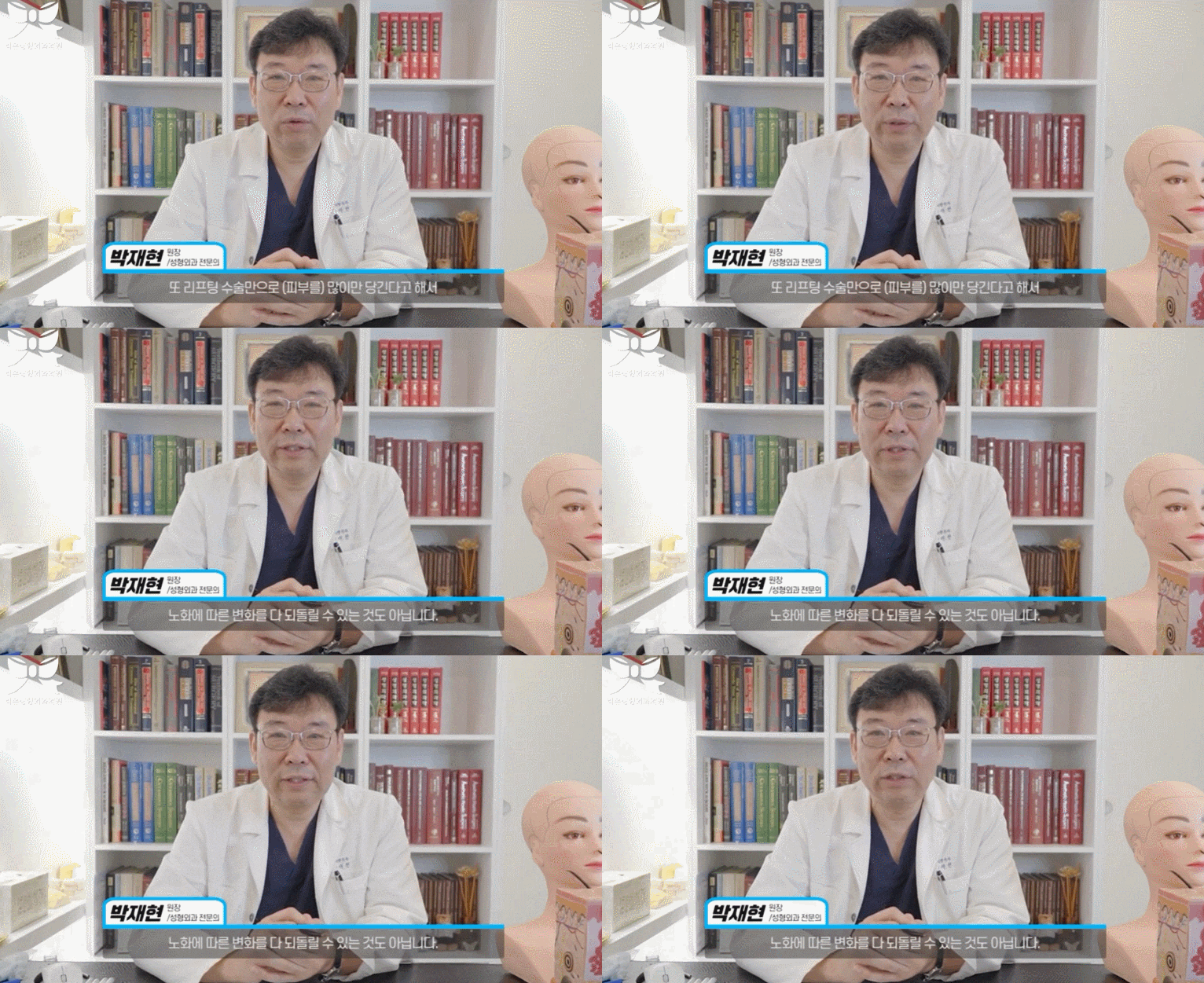
Our clinic has handled the 3-Step Temple Lift for a long time, so we have extensive experience and clinical expertise. If you are interested, you are welcome to visit us in person for a consultation.
If you come to the clinic, we will show you the actual surgical results, so please keep that in mind.
Thank you for reading this long post. ^^