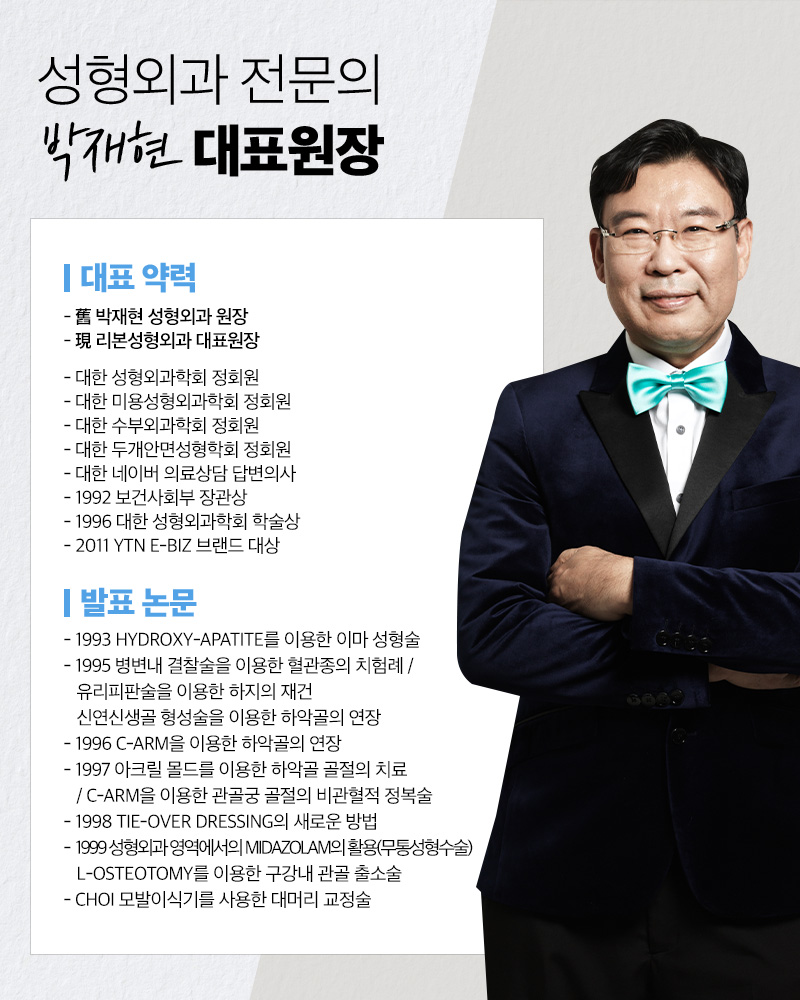
Hello, I’m Park Jae-hyeon, the head doctor of Ribbon Plastic Surgery at Sinsa Station. ^^
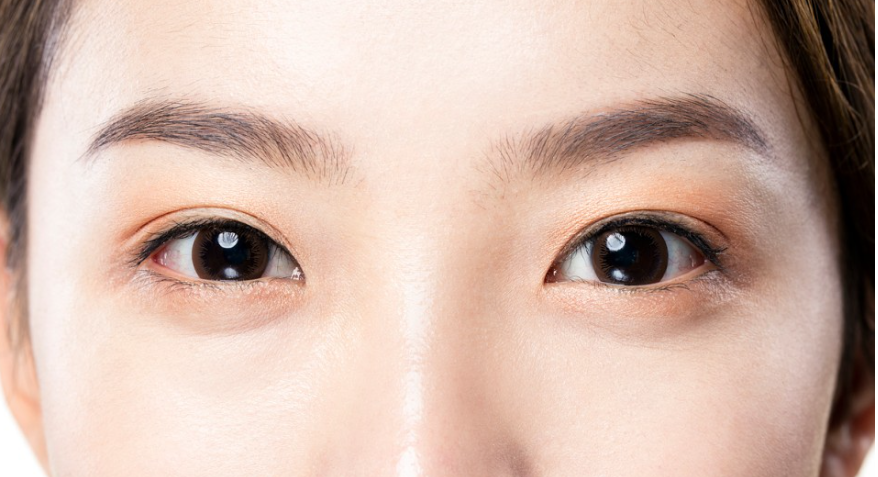
"My eyes look uneven on both sides."
"Even when I try hard to open my eyes wide, I still look sleepy."
"I’ve been straining to keep my eyes open, so I now have deep wrinkles on my forehead."
If you found this post, you may currently be looking into ‘eye correction’ because of concerns like the ones above.
Originally, eye correction is a procedure used when ptosis occurs, meaning the upper eyelid droops because the levator muscle has weakened.
That is because simply shortening the levator muscle as needed can create much larger, more defined eyes.
In this way, eye correction can be considered not only for cosmetic purposes but also when addressing functional issues with the eyes.
In today’s post, I’d like to look at the two surgical methods for eye correction: incisional eye correction and non-incisional eye correction.
I hope you can read comfortably and take away some helpful information.
What kind of procedure is eye correction?
Eye correction is generally a procedure applied to eyes that look sleepy, have uneven eyes, or in other words, have ptosis.
Ptosis refers to a condition in which the force of the eye-opening muscle has weakened, causing the eyelid opening to become smaller.
When this happens, the eyes may look thin and constrained from the outside, and the forehead muscles may be used to open the eyes, creating noticeable wrinkles.
The eye-opening muscle (= levator muscle) refers to the muscle that runs around the optic canal, passes through the orbit, and attaches to the upper eyelid skin and tarsal plate.
As skin aging progresses, not only the skin, meaning the epidermis and dermis, but also fat and muscle age as well. At this time, the levator muscle loosens and the force used to open the eyes weakens.
This can make the face look sleepy or constricted aesthetically, and performing eye correction at this stage can help create a clearer, more defined eye shape.
Ultimately, eye correction can be understood as a procedure that improves ptosis by shortening the levator muscle.
 Non-incisional eye correction and incisional eye correction
- Non-incisional eye correction
Non-incisional eye correction is a procedure that can be applied to people with thin eyelids, people whose eyes differ in size on both sides, people whose eyes look sleepy despite having double eyelids, or cases of mild ptosis.
As the name suggests, because no incision is made, it has the advantage of faster recovery and being relatively simple.
However, if ptosis is severe, correction is difficult, and fat can only be partially addressed, so good results can only be expected when it is applied to the right eyes.
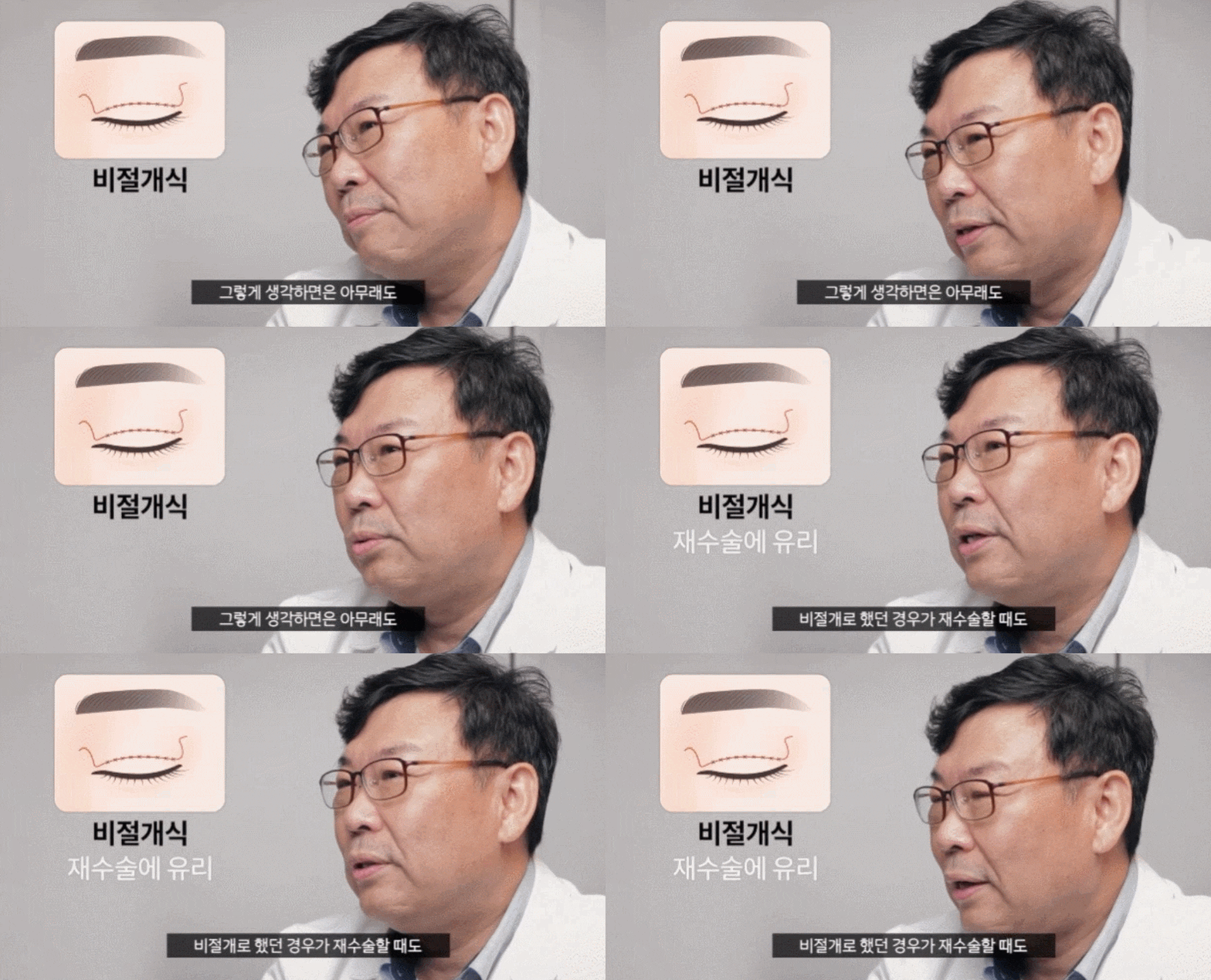
- Incisional eye correction
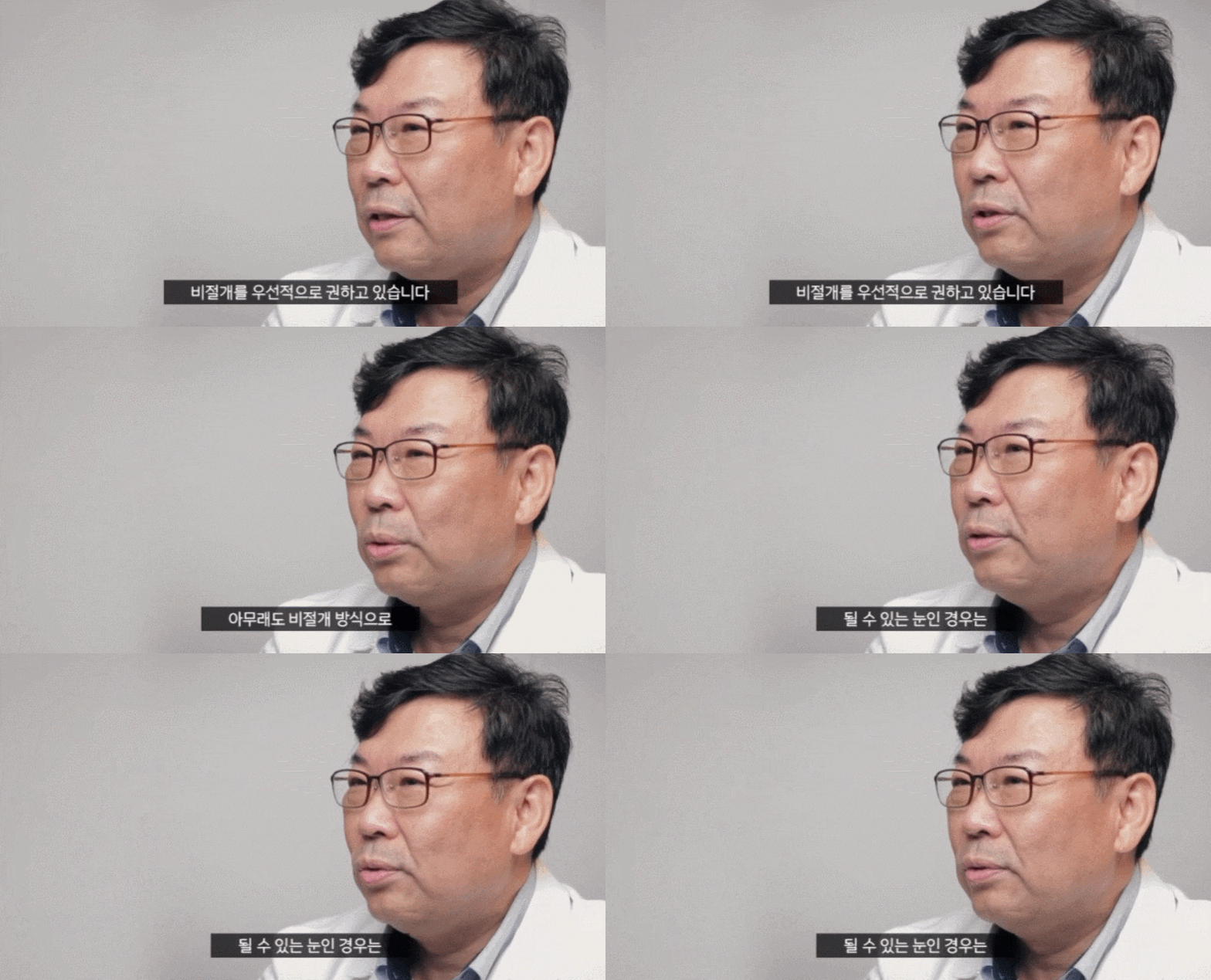
On the other hand, incisional eye correction is a procedure that can be applied to all cases.
It is suitable for people with severe ptosis or significantly drooping eyelids.
In particular, during the procedure, thick fat beneath the skin can be removed, which allows for a much more refined and slimmer-looking eye after surgery.
However, because there is a possibility of scarring, some caution and aftercare are needed until the wound heals after surgery.
─
What happens if you only get double eyelid surgery when you have ptosis?
Among patients who come in for double eyelid surgery, there are quite a few who are surprised when I tell them that eye correction is also needed.
Double eyelid surgery is a procedure that folds the skin; it is not a procedure that improves the muscles.
Because ptosis is a muscle problem, if only double eyelid surgery is performed, there is a risk of the following symptoms:
-
The double eyelid line may become larger, making the eyes look even smaller, and it may become what is commonly called “sausage eyes.”
-
The eye-opening muscle, eyebrows, and forehead remain unchanged, so the eyes look much sleepier.
-
There is a possibility that you may end up sleeping with your eyes open, or that the double eyelids may eventually disappear entirely.
If your purpose is cosmetic, then not having the procedure may be perfectly fine.
However, if correction is truly necessary, please do not forget that you should definitely consider eye correction.
Today, we looked at ‘eye correction.’
If you visit Ribbon Plastic Surgery, you can receive a detailed examination related to this.
We recommend surgery only when it is truly necessary, so please feel free to start with a consultation.
Thank you for reading this long post.