Hello. We are Ribbon Plastic Surgery, meeting you at Exit 1 of Sinsa Station. :)
People around us often say things like this. "You may not know it while you're young, but once you hit your mid-30s, the difference between someone who has taken care of themselves and someone who hasn't becomes really obvious~"
Of course, for someone who has consistently taken care of their skin, skin aging will come more slowly than for someone who has not.
However, there is still no way to completely prevent aging, and whether it happens sooner or later, experiencing skin sagging is a natural process that everyone goes through as a human being.
The age range of patients who inquire about <Mini Facial Lifting> at our clinic is also quite wide, from the mid-20s to those in their 60s and older, and there are common areas they worry about.
These are the broad jawline and the bulging jowls above deep nasolabial folds.
When the nasolabial folds become hollow, the mouth can look relatively more protruded, and as the skin above them sags, it often ends up looking so-called "aged."
In particular, the more prominent the cheekbones are, the easier it is for the face to take on a more masculine line, which can be a major source of stress for women.

In cases like this, one option to consider is our clinic's "3-Step Temple Lift."
Many people still say, "I've heard a lot about forehead lifts, but this is my first time hearing about a temple lift~"
That is how the temple area is closer to the side of the scalp than to the facial skin, and it is a region with several distinct characteristics.
Today, I would like to talk about the various changes that occur when you undergo a temple lift (3-Step Temple Lift).
Please read through slowly, and if you have any personal questions, feel free to contact Ribbon Plastic Surgery anytime. :)
If you want a longer-lasting and more powerful lift through surgery rather than a procedure, it is a good idea to carefully think about which area should be lifted.
A full facelift is powerful in that respect, but because it requires a large incision and a long recovery period, and may sometimes carry the risk of side effects such as skin folding, many people feel burdened by it.
<Mini Facial Lifting> is a surgery that makes an incision in and pulls only a specific area rather than the entire face, so it is stronger than a procedure but less burdensome than a full facelift.
Then why is lifting the "temple" considered efficient among so many possible areas?
To understand this, we need to take a closer look at our skin layers.
Our face is made up of bone and flesh.
The flesh surrounds the outside of the bones, helps maintain body temperature, and acts like a soft cushion to protect various tissues.
The front of the face needs to move well for expressions, opening the mouth to eat, and so on, so there is some empty space between the bones and the flesh.
That is why, when the skin starts to sag, the areas with more flesh sag faster.
By contrast, the temple area is relatively less saggy than the facial area because it is very closely attached to the scalp, and the skin layer itself is very firm.
So, if this area is slightly incised to lift the side contour and then some tissue is removed and sutured, it can provide longer-lasting support than the facial area and overall lift the sagging jawline, cheek flesh, and jowls that many people worry about most.

"A temple lift—what if hair doesn't grow back?"
Among those considering a temple lift, if there are people still hesitant about surgery, the reason is probably concern that "if the temple is incised, hair may no longer grow there."
A temple lift involves making a small incision in an area hidden by the hair above the ear, so the scar after surgery is not exposed to the outside.
However, because the incision is made close to the hair follicles and hair roots, it is also an area that many patients find burdensome.
To prevent this issue, our clinic performs the incision diagonally in a way that protects the hair follicles and hair roots.
As you know, hair follicles and hair roots refer respectively to the pouch where hair is formed and its root.
If only these parts are protected, hair will continue to grow after surgery, and you do not need to worry about permanent loss.
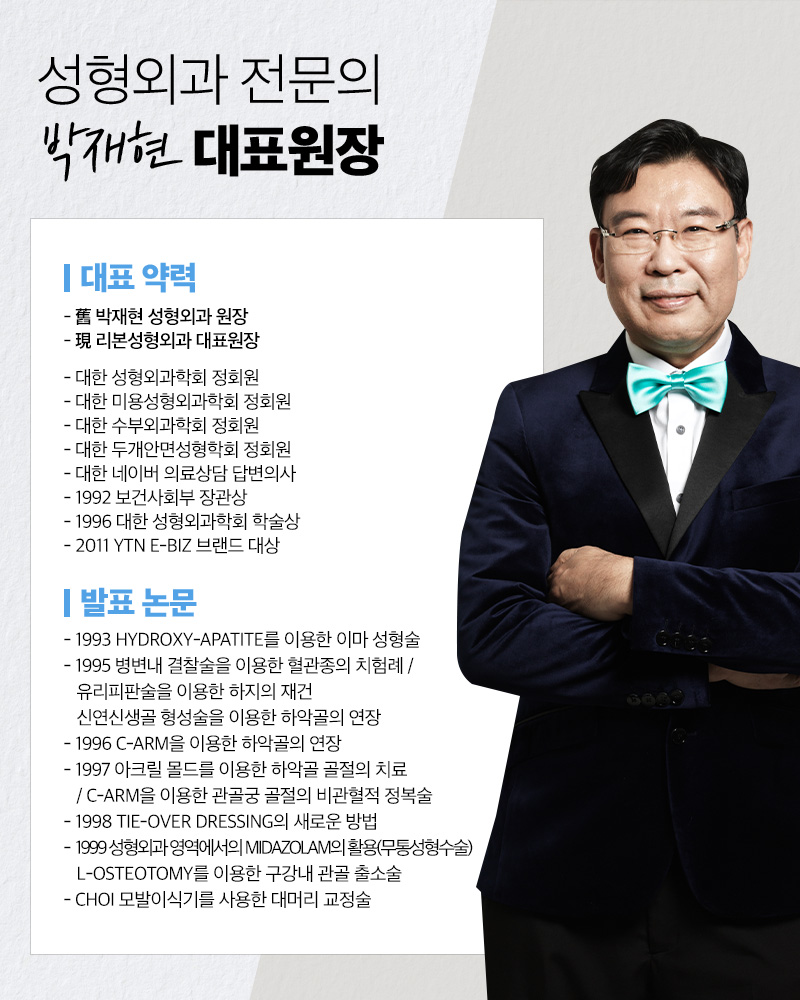
However, it is basic knowledge that the procedure must be performed by a board-certified plastic surgeon who has studied the temple area for a long time and has personally performed the surgery.
Hair follicles and hair roots are made up of very small cells, and nerves and blood vessels are closely distributed around them, so mistakes can easily occur if the surgeon is not experienced.
Since even small damage can create defects, do not forget that you should choose a plastic surgeon with extensive experience.
We at Ribbon Plastic Surgery have been meeting you for over 20 years at Exit 1 of Sinsa Station alone.
If you need help, feel free to contact us anytime.
We promise to always respond kindly and stay by our patients' side. Thank you. :)