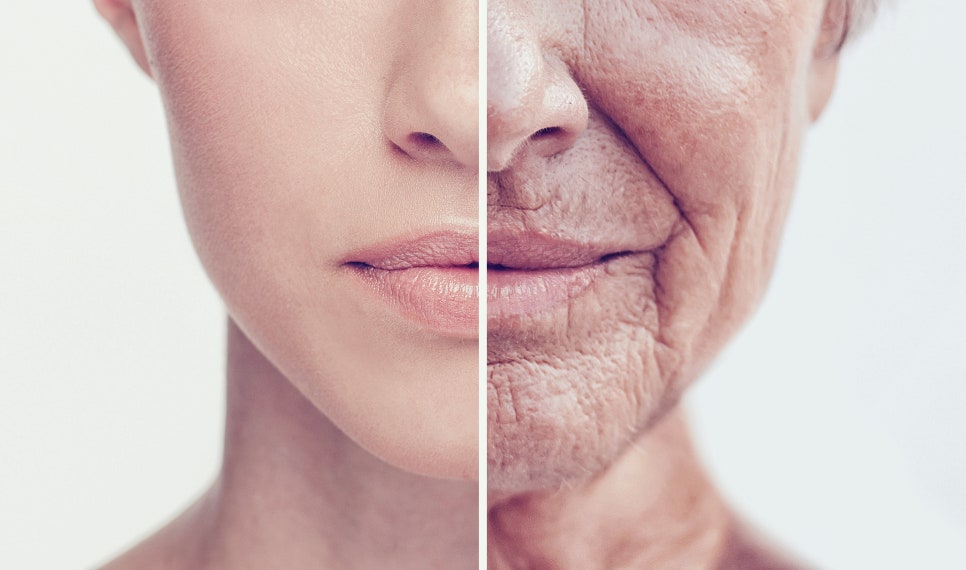
Dry weather and strong UV rays... I can’t think of another season that is worse for reducing skin elasticity.
It is the exact opposite of flowers blooming. When you think about it, strong sunlight may help flowers bloom, but it does not do any favors for human collagen, leaving the skin dull, rough, and sagging.
Collagen is known to gradually decrease starting in your 20s. Even if that may not feel very significant right away, once you enter your 30s, the total amount of collagen decreases by 10%, so it seems like something that should not be taken lightly.
At our clinic, many people inquire about the “Three-Step Temple Lift” as early as their late 20s.
This is the surgery people seek when the skin is sagging, but repeated device-based lifting treatments would be unavoidable, or when they want to reliably tighten an unattractive sagging jawline.
Because it is not a full-face lift, there is no need to worry about noticeable scarring, and the financial burden is also smaller, so it has been receiving a lot of attention even from younger people.
However, the temple area is a very delicate region, and the surgical method can make a big difference in the outcome.
Reborn Plastic Surgery has been conducting related research for over 20 years, and our medical team has extensive experience in this field.
Some patients even visit us with a side effect where hair does not grow back at the incision site, so I am writing this article for those of you reading this with concern, in hopes of preventing such an issue.
Today, let’s take a detailed look at this “Three-Step Temple Lift.”
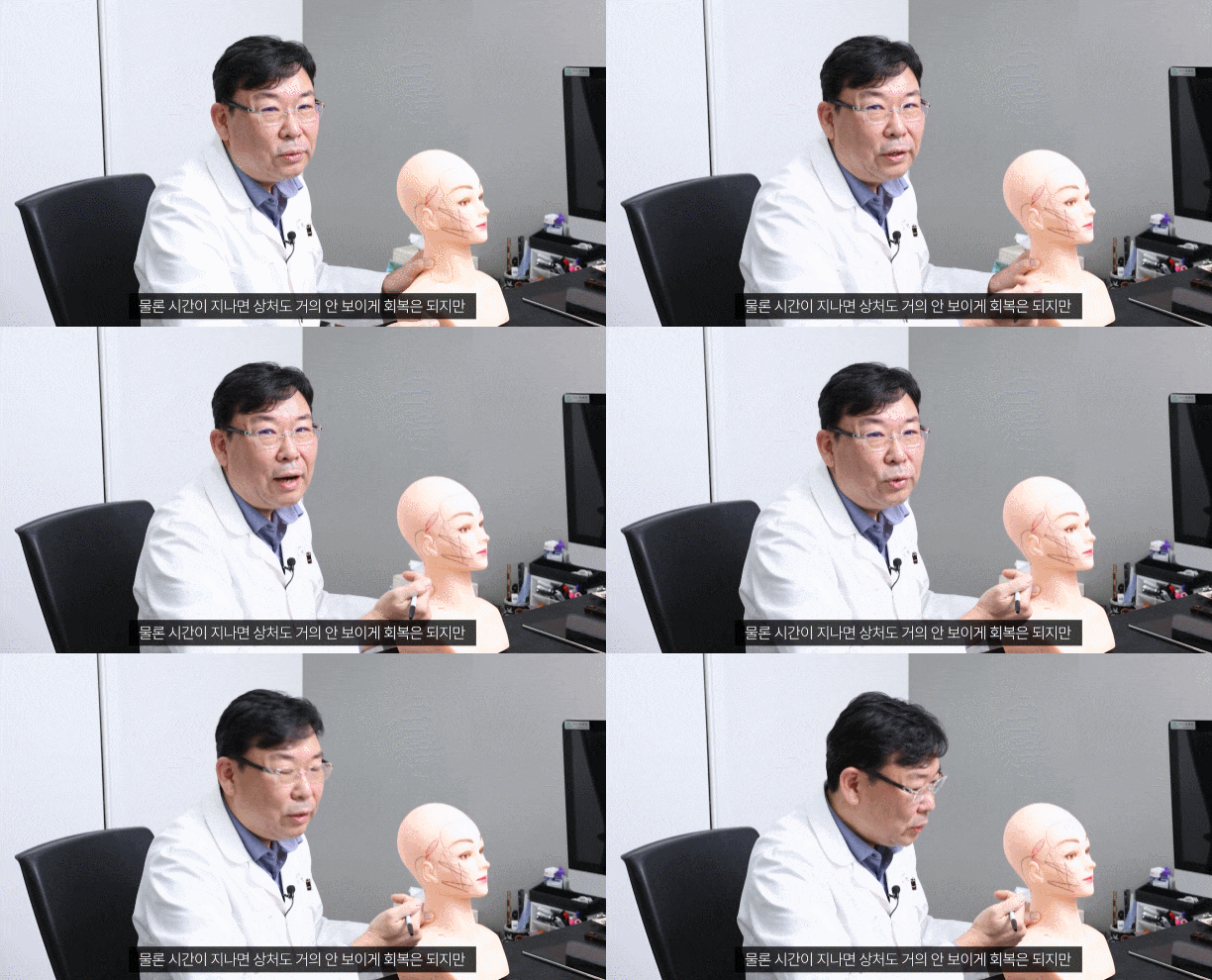
▲ Three-Step Temple Lift, recommended for the following people.
| · People whose skin around the jaw has sagged unattractively · People whose overall facial line is uneven · People whose outer eye corners have drooped · People with significant sagging of the deep cheek area and cheekbone area · People who want a more noticeable lifting effect with a less burdensome method than a facelift |
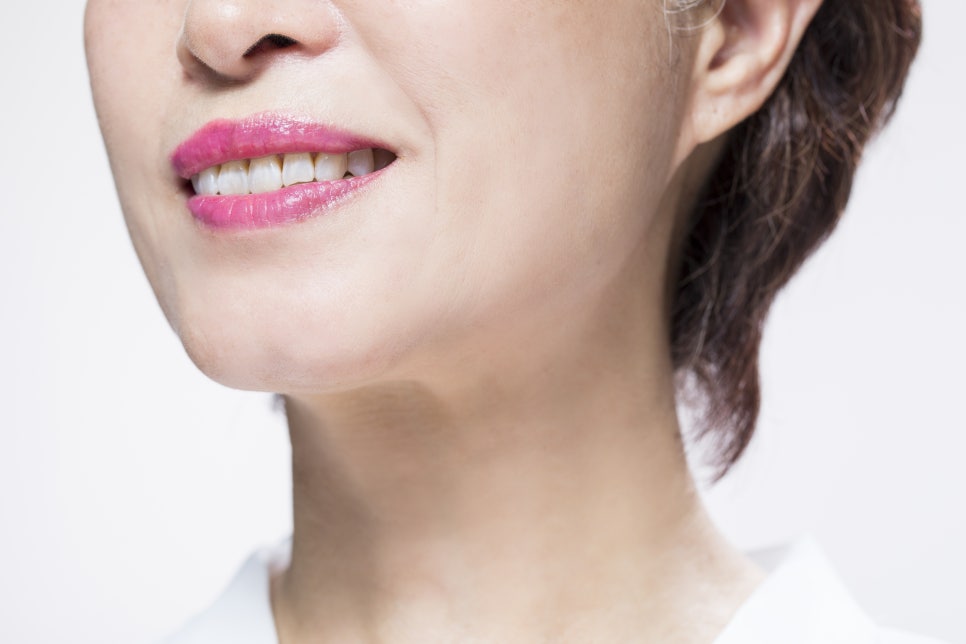
▲ What kind of surgery is a temple lift (Three-Step Temple Lift)?
What we commonly call a “facelift” used to mean making a long incision along the hairline and lifting the entire face upward.
It is still performed when necessary today, but it generally involves a large incision and a relatively heavy price burden. In that sense, over the past few years, many more people have come to prefer a “mini lift.”
When repeated treatments would be needed more than 10 times, when the overall cost is not much different anyway, or when you want a noticeable lift in a single procedure, a mini lift can be a good option that brings satisfying results.
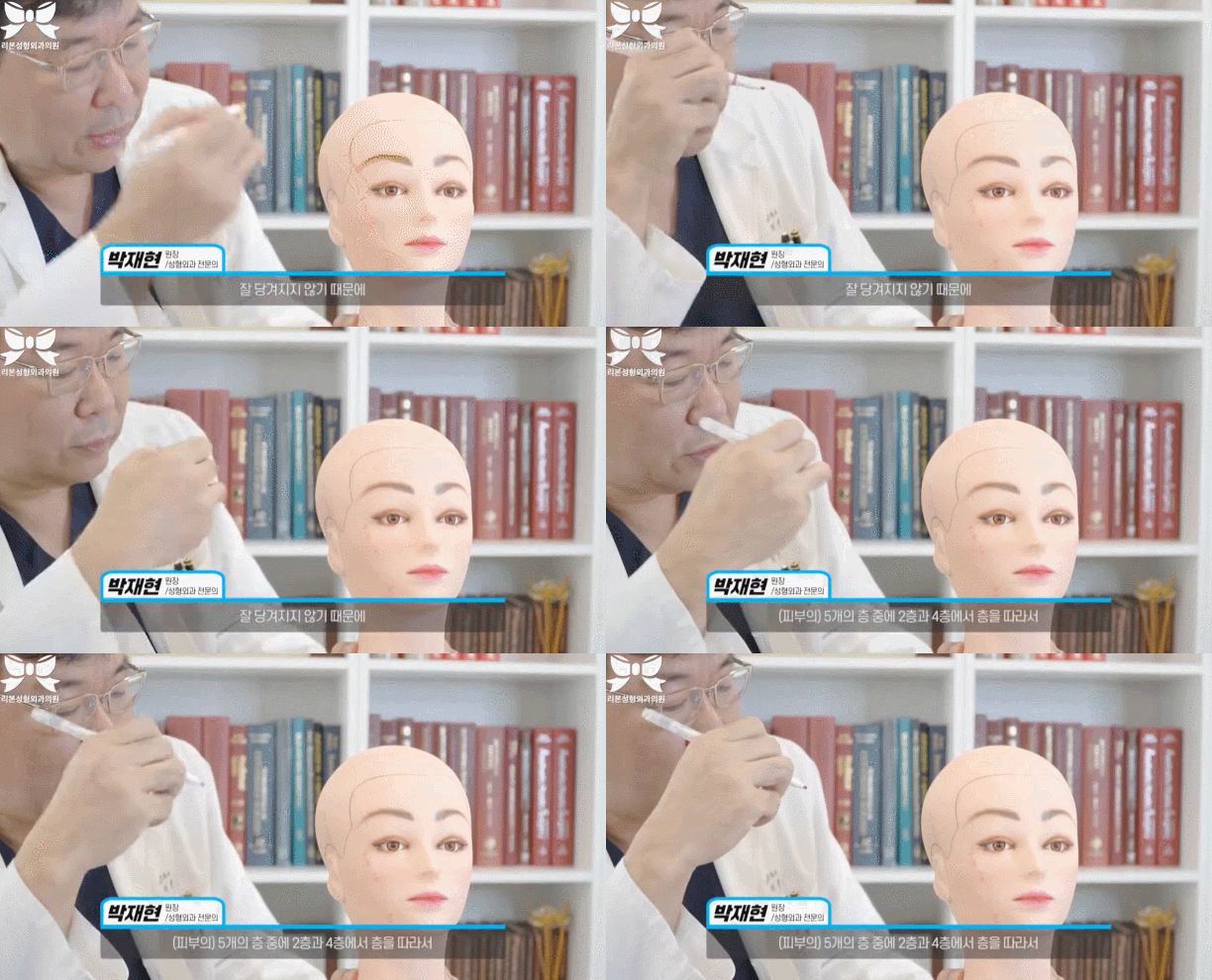
Among these, the temple area is a very special region. The skin tissue here is closer to the scalp than to the face, and the incision is made in the area hidden by hair just above the ear.
Because only a small incision is made, the skin tissue is pulled upward and then sutured, the scar is not visible after surgery since it is covered by hair, and side lifting is possible at the same time.
The Three-Step Temple Lift has several features. I will explain them in more detail below.
- A scalp that does not easily sag
To understand this part, we first need to look at the facial skin tissue together.
Let’s take the cheek as an example.
The bone structure where the cheek sits has the cheekbone area protruding and a hollow shape below it.
So, to maintain balance with other areas, the cheek has more developed fat and is therefore a region that is more likely to sag as you age.
When this area sags, deep cheek fat can appear, or the nasolabial folds above it can become more pronounced, which can make a person look older.
But what about the scalp where the temple is located?
If you touch the scalp, you can feel that the skin is closely attached to the bone and is firm enough that the skull can be felt on the inside.
Of course, the scalp is still skin, so it does loosen with age, but it does so more slowly than the facial area, so it is considered a region where aging progresses more slowly.
If this area is made with a small incision, pulled upward, and part of the tissue is excised and sutured, a longer maintenance period can be secured compared to the face.
- An area hidden by hair
As mentioned earlier, the temple area is hidden by hair.
However, there is one thing to be careful about here as well.
Because the incision is made in the follicle area that produces hair, if the follicles are damaged by mistake, there can be an unfortunate result where hair never grows back at the incision site.
In this respect, it is better to go with medical staff who have extensive experience with the Three-Step Temple Lift. :)
For reference, at our clinic, we make a diagonal incision so that the follicles are not affected, which allows hair to grow naturally even at the incision site after surgery.
This is an area where mistakes can easily happen without long-standing expertise, so please be careful.
In this way, the Three-Step Temple Lift is a delicate surgery.
Because it is an area where important nerves and blood vessels pass through, various side effects can occur if the surgical plan is not tailored to the individual and approached carefully.
However, when done well, it can provide stronger side lifting than other procedures, so please be sure to find a “skilled plastic surgery clinic” and receive a surgical consultation.
See you in the next post.
This has been Reborn Plastic Surgery. Thank you. :)

https://blog.naver.com/reborn1999/223387264443
https://blog.naver.com/reborn1999/223384507180