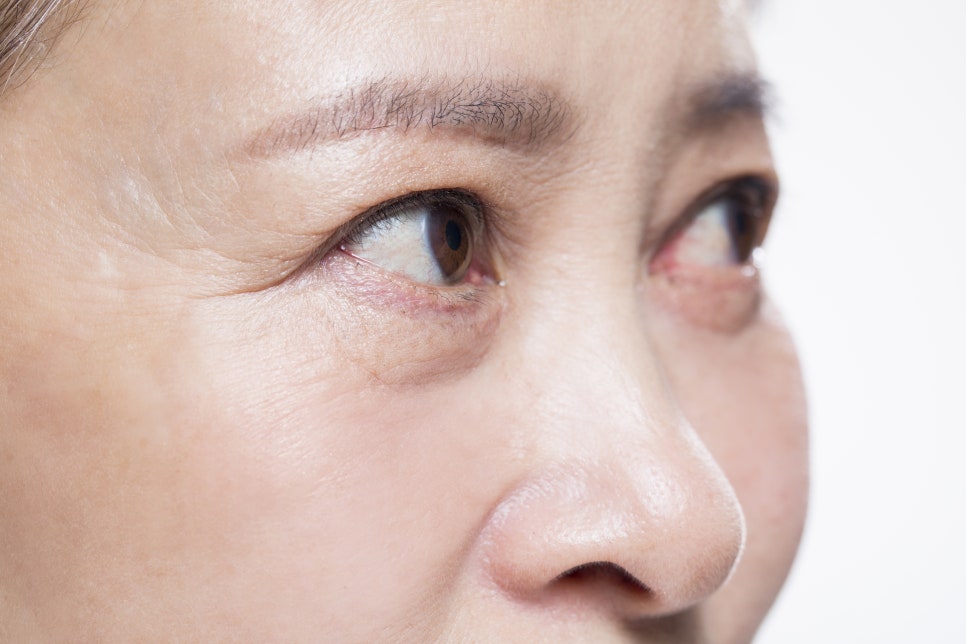
▴ People around me often say, “You look sleepy,” or “You look tired.”
▴ I’ve been stressed as my eyes have gotten smaller over time.
▴ The size of my eyes is unbalanced, so I feel like I look less attractive.
▴ I don’t usually have double eyelids, and I’m considering “double eyelid surgery” because of my drooping eyelids.
▴ I had double eyelid surgery, but I ended up looking even sleepier.
▴ Because my eyelids are significantly drooped, I experience small and large inconveniences in daily life.
The “eyes” are the area that, depending on their size, shape, and how much of the black pupil is visible, can change a person’s image. They have also been one of the most influential features in determining standards of beauty since long ago. Depending on the shape of the eyes, they can create a soft impression or a smart-looking impression, but on the other hand, they can also give a negative or harsh impression.
For that reason, many people consider eye surgery, but among them, there are also quite a few who do not know which procedure is right for them.
This is also why you should avoid plastic surgery clinics that offer low prices and fast procedures in a factory-like manner.

“You want double eyelid surgery because you look sleepy—wouldn’t it be good if they just let you get the surgery you want?”
You may think this way.
However, proceeding with surgery at the patient’s request without clearly identifying the cause of the “sleepy” appearance is, I can say for certain, an “irresponsible act.”
A representative example is the topic we’ll cover today: “eye correction.”
Eye correction is a procedure applied to ptosis. If, while holding both eyebrows in place with your own hands and opening your eyes, your eyes do not open well, ptosis may be suspected.
On the other hand, double eyelid surgery is a procedure to consider when it is the skin, not the muscle, that has sagged, so the actual indications are completely different.
If double eyelid surgery is performed on a patient who needs eye correction, they will look even sleepier and more tired, and satisfaction will drop significantly.
In particular, if ptosis occurs due to aging, the eyes will only continue to droop more over time, so the symptoms will worsen further.
This article was written for people who want eye surgery because their eyes look sleepy, but do not know which procedure is appropriate.
If you usually find it hard to open your eyes or are worried about uneven eyes, please be sure to read the following article.
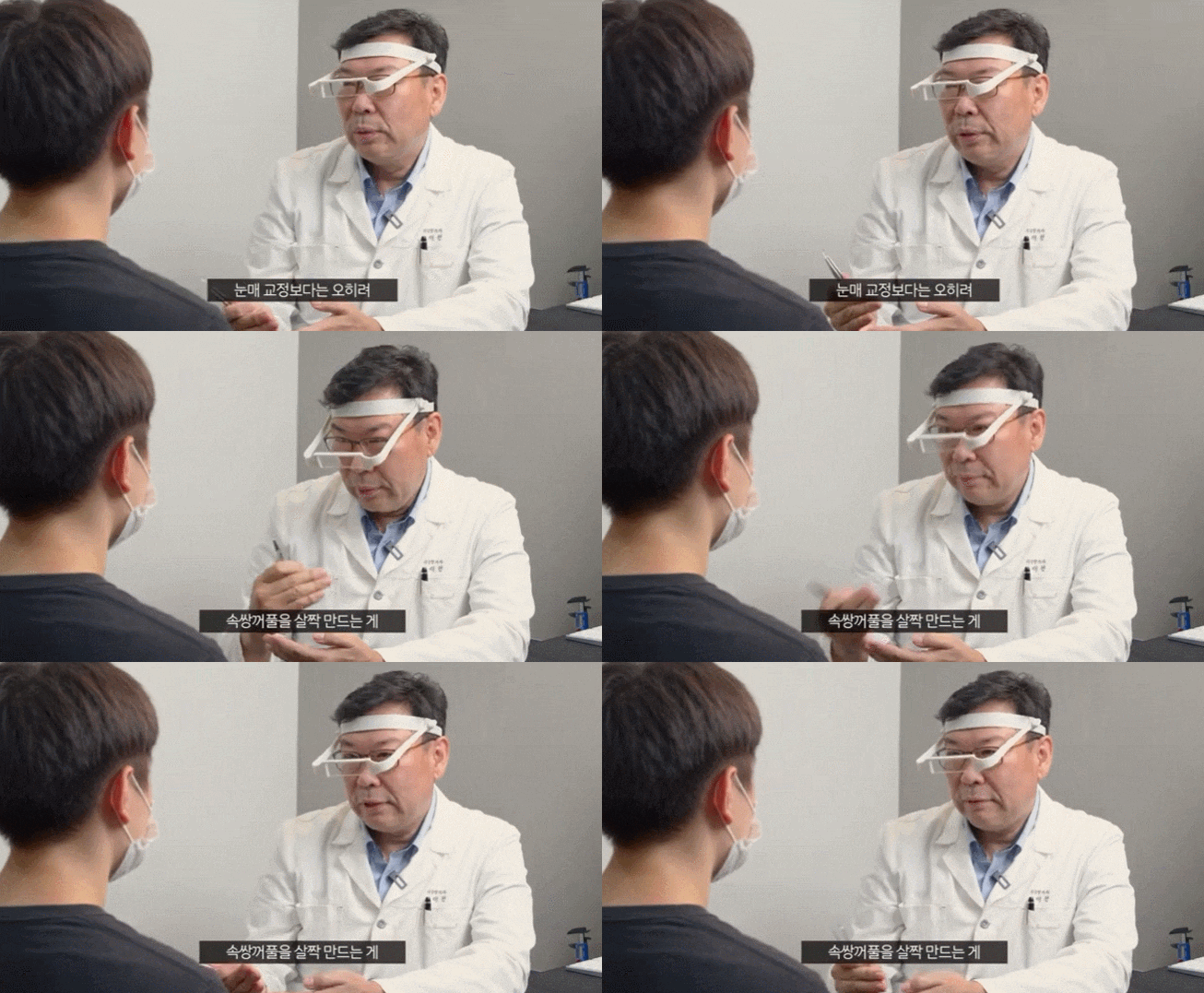
Function of the levator palpebrae superioris
The levator palpebrae superioris is also called the eyelid levator muscle, or the upper eyelid levator muscle.
It is a type of skeletal muscle that supports the framework of the eyelid, and it originates from the inferior surface of the lesser wing of the sphenoid bone and extends into a broad, thin levator aponeurosis (levator fascia).
This levator palpebrae superioris and levator aponeurosis can weaken for various reasons.
The muscle may be weak from birth, or it may become weakened later due to trauma, eyelid twitching, nerve problems (paralysis), aging, and other causes.
The problem is that because it lifts the upper eyelid, if this area weakens, the ability to open the eyes itself is affected.
Since the eyes do not open well, the patient may have a frustrated expression, and because they use the eyebrows and forehead muscles to open their eyes, clear forehead wrinkles can remain. Also, if the symptoms worsen, the field of vision becomes narrower, which can cause small and large inconveniences in everyday life.
It can appear in both eyes, but it can also occur severely in one eye, and it is often the root cause of uneven eyes.
How can this problem be improved?
Double eyelids alone cannot correct a muscle problem, so the stretched levator aponeurosis must be tightened to strengthen the muscle itself.
This is precisely the purpose of “eye correction,” which is to make the eyes look bigger and more defined.

"Isn’t ptosis treatment only possible with incision-based correction?"
Ptosis is sometimes operated on in people in their 20s and 30s, but in most cases it is performed in people over 50 due to aging, so many people assume that there is only the “incision method.”
Procedures commonly performed in middle age, such as upper eyelid surgery or brow lift surgery, generally require an incision.
However, ptosis caused by muscle weakness presents differently depending on the degree, so if it is mild, an incision is not necessarily needed.
I’ll summarize the features in the table below.
| Non-incisional eye correction | - People with thin eyelids - People whose eyes are significantly different in size (uneven eyes) - People who look sleepy even though they have double eyelids - People with not-severe ptosis |
|---|
| Incisional eye correction | - People who inevitably use their eyebrows and forehead when opening their eyes - People with moderate to severe ptosis |
Of course, incisional eye correction has a higher possibility of scarring and the recovery period is somewhat slower compared to non-incisional eye correction.
However, if a case that should be done with the incision method is instead performed non-incisionally, removal of fat or shortening of the levator aponeurosis may not be properly achieved, so the surgery method must match your condition.
Wouldn’t it be preferable to have both non-incisional and incisional procedures performed by a plastic surgery clinic with extensive experience?
The important thing is to understand your current condition correctly and determine which procedure is suitable and what cause led to the ptosis.
Rather than judging based only on internet searches or focusing only on price, please make sure to receive a personalized diagnosis through consultation first.
If you need help from Reborn Plastic Surgery, please do not hesitate to reach out.
With over 20 years of surgery without accidents, Reborn Plastic Surgery will help you with an accurate diagnosis. Thank you. :)