Thread lifting is a lifting procedure that has steadily remained popular since the early 2000s because it can deliver relatively quick results and tends to last longer than other procedures.
However, since it involves placing a foreign material called a “thread” into the skin, it is still true that the barrier to trying it is lower compared with device-based lifting such as radiofrequency or ultrasound.
There are also many types of PDO and PLLA threads, and because results vary depending on whether the thread has barbs or not, I think you may feel confused about which procedure is right for your skin.
Here is one thing I would like to point out. Thread lifting comes in many ingredients and types, but compared with devices, it is a procedure that is relatively less dependent on the product itself.
The fact that results can differ depending on the practitioner, even when using the same thread and the same amount, speaks for itself.
Thread lifting is a procedure where the medical team’s know-how has a major impact on success, such as how the lift is performed, whether side effects from the thread are identified in advance, and where the thread is inserted.
In today’s post, I will answer questions about the ingredients and types of thread lifting, various side effects, and how to prevent them. :)

Thread lifting: what concerns can this procedure help address?
Thread lifting is a procedure that can be applied to a wide range of ages, from people in their 20s to those in their 60s and beyond. This is because the results vary depending on which thread is used and how much is used.
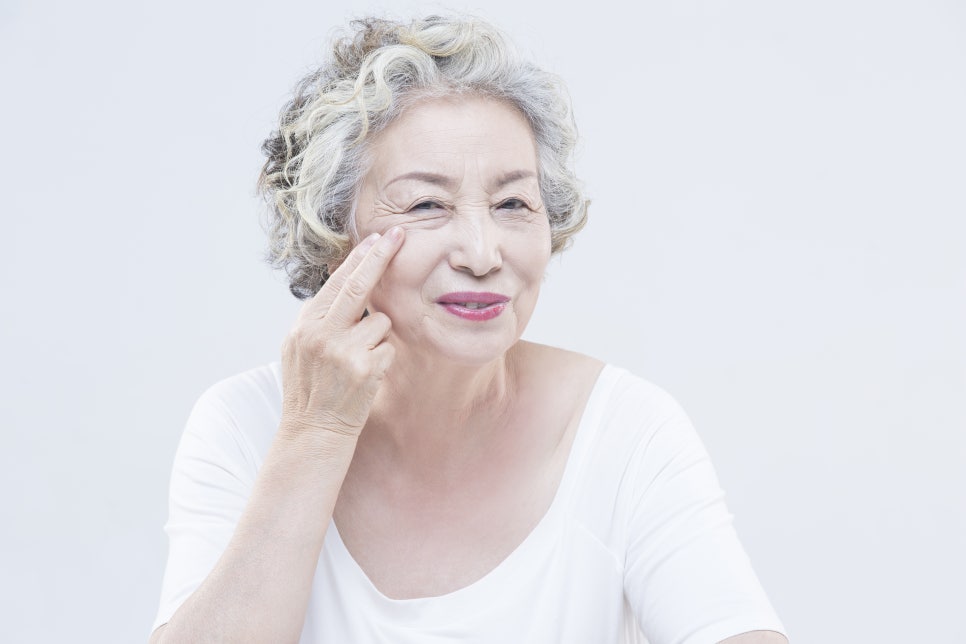
In particular, when people enter their 30s and 40s, sagging cheeks can appear, deepening nasolabial folds and softening the contours of the face, which can change the overall impression.
Wrinkles may also form below the corners of the mouth, creating the so-called “marionette” lines. One of the procedures that can visibly improve these concerns is thread lifting.
Thread lifting involves inserting special dissolvable medical threads into the skin to regenerate collagen and pulling up the area by anchoring the thread just beneath the sagging part, which has the advantage of lifting the skin against gravity.
Some people prefer ultrasound or radiofrequency lifting, and each has its pros and cons. Device-based lifting is a procedure that induces changes within the skin to help it become healthier.
However, the drawback is that noticeable changes require consistent treatment.
By contrast, thread lifting has the advantage of producing visible effects with a single procedure.
Of course, threads also have the effect of regenerating collagen, but their main purpose differs from device-based lifting, which focuses on inducing skin contraction and regeneration.
Therefore, it is advisable to receive sufficient consultation and then proceed with the procedure that is needed for your individual goals.
What are the ingredients and types of thread lifting?
Thread lifting can largely be divided into PDO threads and PLLA threads.
PDO threads are ingredients whose safety has been proven for a long time, to the point that they were used as heart sutures. They dissolve over time, so there is no need to remove them separately, and their purpose differs depending on whether they have barbs.
For example, monothreads without barbs are thinner than a strand of hair, so they are used to regenerate collagen in the skin.
On the other hand, cog threads with barbs are placed just above the sagging area to physically pull the skin and help achieve lifting.
Unlike PDO threads, PLLA threads have the advantage of “forming collagen” on their own. In particular, the representative product Silhouette Soft has corn-shaped barbs and tends to have strong mobility.
Strong mobility means that, regardless of how we make facial expressions, it settles stably in the skin and performs its function properly.
Because it has a rounded shape, it can also be inserted into curved areas, and since it stimulates collagen on its own to add volume, it can produce good results when applied to skin that has sagged and become hollowed due to aging.

Thread lifting: are there side effects too?
All procedures carry the possibility of side effects.
In particular, thread lifting, except for PLLA threads, has a bluish color, so if it is inserted in people with very thin skin, a side effect may occur in which the bluish tint becomes visible through the skin.
Also, when a thread is inserted around the mouth and pulled, a crackling sound may occur, as if the thread is breaking, when opening the mouth wide or chewing.
However, once inserted, the thread is fixed by the surrounding tissue, so the thread itself is almost never broken.
The crackling sound is closer to the sound of the thread loosening and then being fixed again, and if it does rarely break, it is best to visit the clinic and take appropriate measures.
Another commonly experienced side effect is “cheekbone enlargement.”
When thread lifting is performed to improve concerns such as nasolabial folds and sagging cheekbones, the force may concentrate on the cheekbones, which can instead make them appear more prominent.
This problem occurs because the threads currently on the market are short and do not distribute force well, and at our clinic we prevent the side effect of cheekbone enlargement using the methods below.
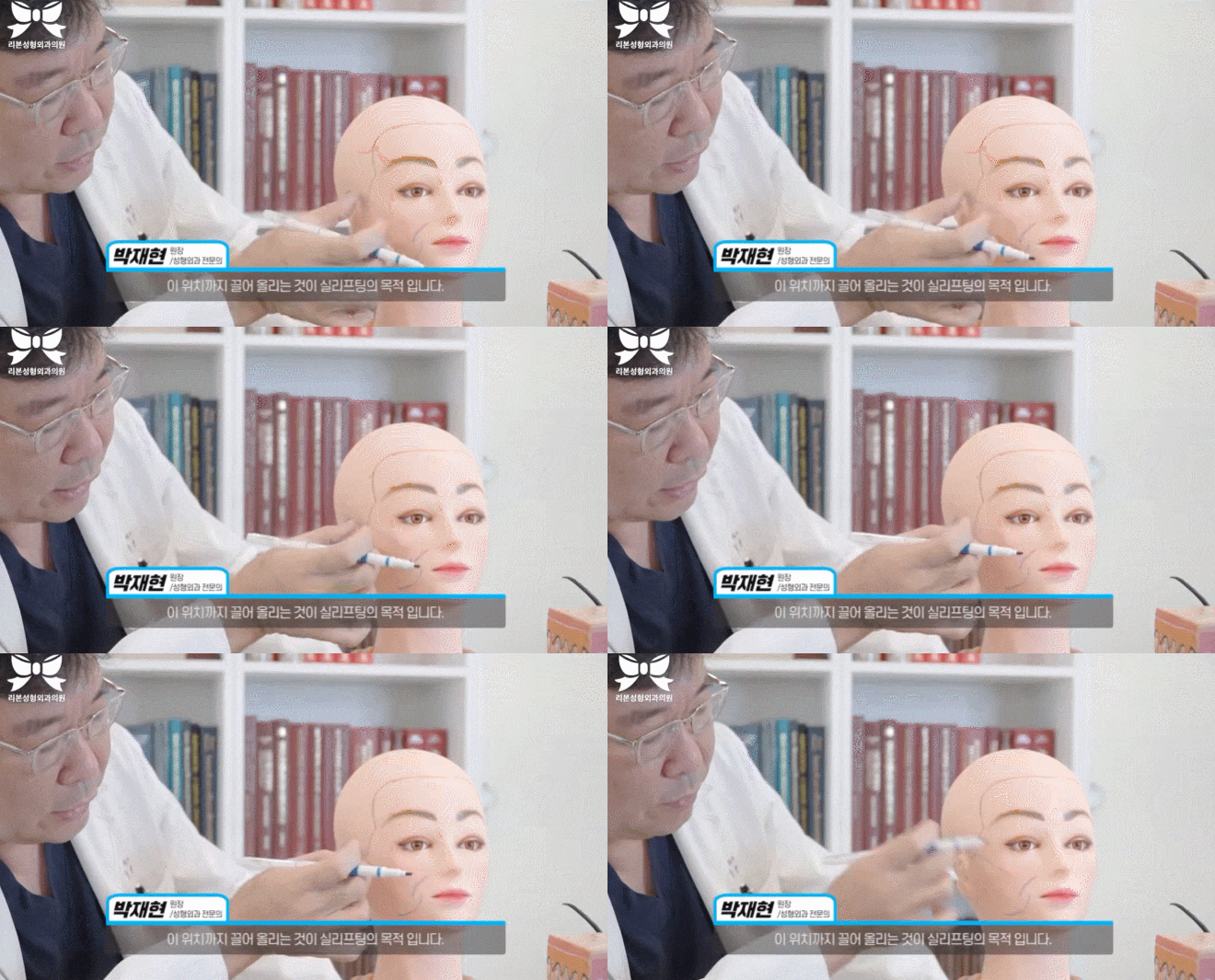
Why Reborn Plastic Surgery makes and uses its own threads
At Reborn Plastic Surgery, we use threads made longer by utilizing only ingredients approved by the Ministry of Food and Drug Safety. One benefit of longer threads, as mentioned earlier, is that they can help prevent the cheekbones from appearing larger.
With conventional threads, because they were inserted beside the cheekbone and pulled, force tended to concentrate at the end point, the cheekbone.
When the thread is made longer, it can be inserted higher up, allowing force to be distributed more efficiently.
In addition, the insertion site of the thread is hidden by the hair, which has the advantage of making the insertion site less noticeable immediately after the procedure. Before the procedure, we also perform a suitability test to determine whether the skin is appropriate for thread lifting.

If your skin is too thin, the thread may become visible, so in that case, please address your concerns through a procedure that is suited to your skin.
If you need help, please feel free to contact Reborn Plastic Surgery at any time. We will always be standing by at Reborn Plastic Surgery. Thank you. :)

https://blog.naver.com/reborn1999/223412596264
https://blog.naver.com/reborn1999/223410730780