“A facelift feels too burdensome, so should I start with a simple mini lift?” If you were thinking that, today’s post may feel a little heavy for you.
However, I don’t think it is right to only tell you that it is “definitely simpler than a facelift” or “a much easier method,” so I’d like to give you an honest answer.
I believe it is the medical staff’s job to explain not only the advantages of surgery, but also its limitations, and to suggest directions for how to prevent them.
Perhaps by the time you finish reading this post, your thoughts about mini lifting may change completely. I’m answering in hopes that you will make a careful decision about surgery, so I hope you take away useful information.
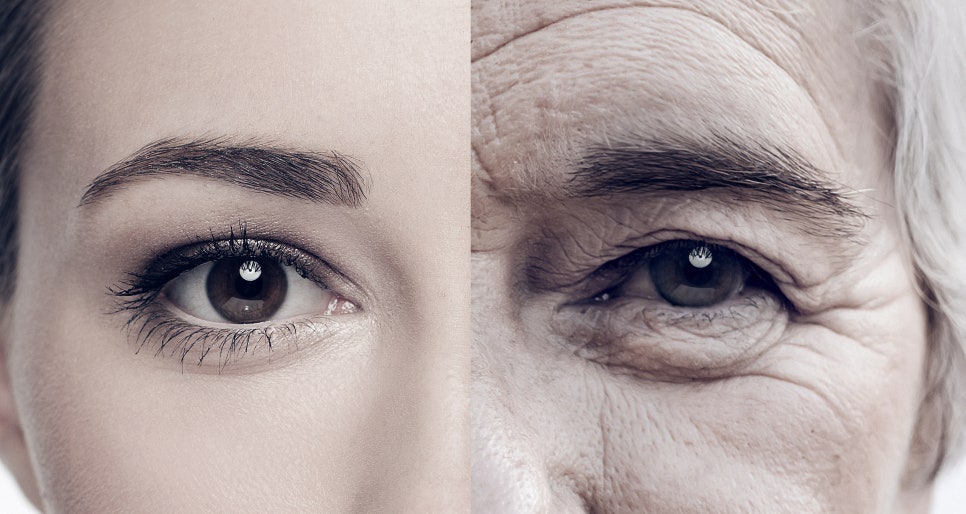
Sinsa Station mini lifting: effects vary by area
Mini lifting (mini facelift) is a localized procedure that lifts specific areas of concern rather than the entire face.
In the case of a facelift, the procedure involves making incisions along the hairline and pulling the tissue upward overall, so it was indeed burdensome in several ways.
For example, both the skin and the SMAS layer must be lifted together, and the SMAS layer lies deep throughout the face, making it a very delicate tissue.
If the facial muscle nerves are accidentally affected during the process of pulling the SMAS layer, side effects such as paralysis can occur, which naturally makes the procedure feel burdensome from the patient’s perspective.
Also, because the incision is large, you need to keep the recovery period in mind, and above all, there was the burden of high cost.
Even so, there are of course cases where a full facelift is necessary.
These are cases where the face is sagging severely overall, so lifting only one area is judged to have little effect.
Except for this one case, correcting with a mini lift can produce a certain degree of effect, and especially by lifting the problematic localized area, it can become an opportunity to regain self-confidence relatively quickly.
Mini facelifts are broadly divided into forehead lifts and temporal lifts (temple lifts).
A forehead lift is a procedure that pulls the forehead, eyebrows, and eyelids upward, and can be considered when the eyelids are sagging or when there is brow ptosis.
On the other hand, a temple lift makes it possible to improve drooping outer eye corners, the side profile line, sagging cheek tissue, and the resulting more pronounced nasolabial folds by making an incision in the temporal area covered by hair.
Our clinic performs both procedures.
Why the SMAS layer must be lifted together
Our skin is made up, from the outside in, of the epidermis, dermis, subcutaneous fat, fascial layer, and muscle layer.
The fascial layer is an extremely thin membrane spread across the entire face, and it firmly holds the epidermis, dermis, and subcutaneous fat above it with retaining ligaments, playing a role in shaping the overall form of the face.
The problem is that as aging progresses, this area also becomes looser, and the retaining ligaments keep pulling the skin downward.
That is why, when performing a lift, the retaining ligaments connected to this SMAS layer must be appropriately released so that the skin tissues above it can rise stably.
What happens if this process is not carried out properly? As time passes, the retaining ligaments will pull the skin down again, and it will return to the same appearance as before surgery.
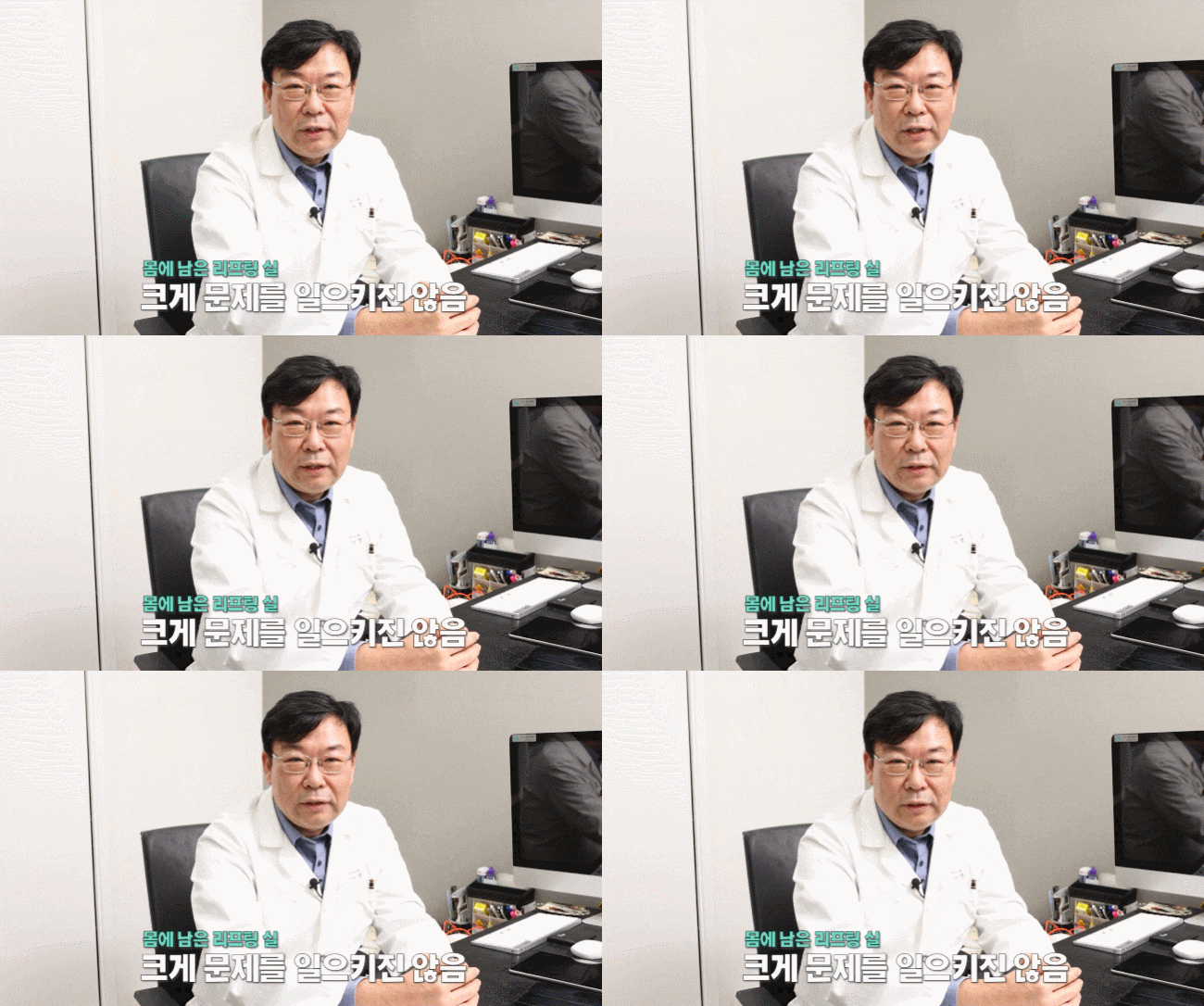
Many patients really overlook this point.
They approach the procedure thinking that it will end with simply pulling the skin, believing that “if it’s a mini lift, it must be simple.”
Because a mini lift has a narrower range than a facelift, it may certainly feel less burdensome for the patient, but the surgical method is carried out in the same way.
Even in a mini lift, if a nerve is affected incorrectly, the muscle tissue connected to that area may become paralyzed, causing difficulty with facial expressions.
Also, in the case of a temple lift, if the incision is made incorrectly, the hair follicles where hair grows can be damaged, leading to permanent hair loss in that area.
That is why, even for a mini lift, rather than assuming it is simple, you need to look at how sincerely and carefully the procedure is performed when choosing a plastic surgery clinic.
Our clinic follows the principles below when performing a mini facelift.
-
Before surgery, we check suitability to determine whether surgery is truly necessary.
-
If surgery is possible, we create a detailed surgical plan considering the patient’s degree of aging, scalp condition, and skin type.
-
From consultation and diagnosis to surgery and post-operative care, one board-certified plastic surgeon is fully responsible.
-
We carefully manage sterilized instruments and emergency response equipment so that we can respond immediately if a problem occurs.
-
We do not stop once the surgery is finished; we continuously check the patient’s condition to determine whether there are any issues with safety or satisfaction.

As you can see, even with a mini lift, there are many points to consider.
I hope you choose a plastic surgery clinic that checks even these details, so that you can achieve a safe and beautiful result.
Thank you for reading this long post. :)