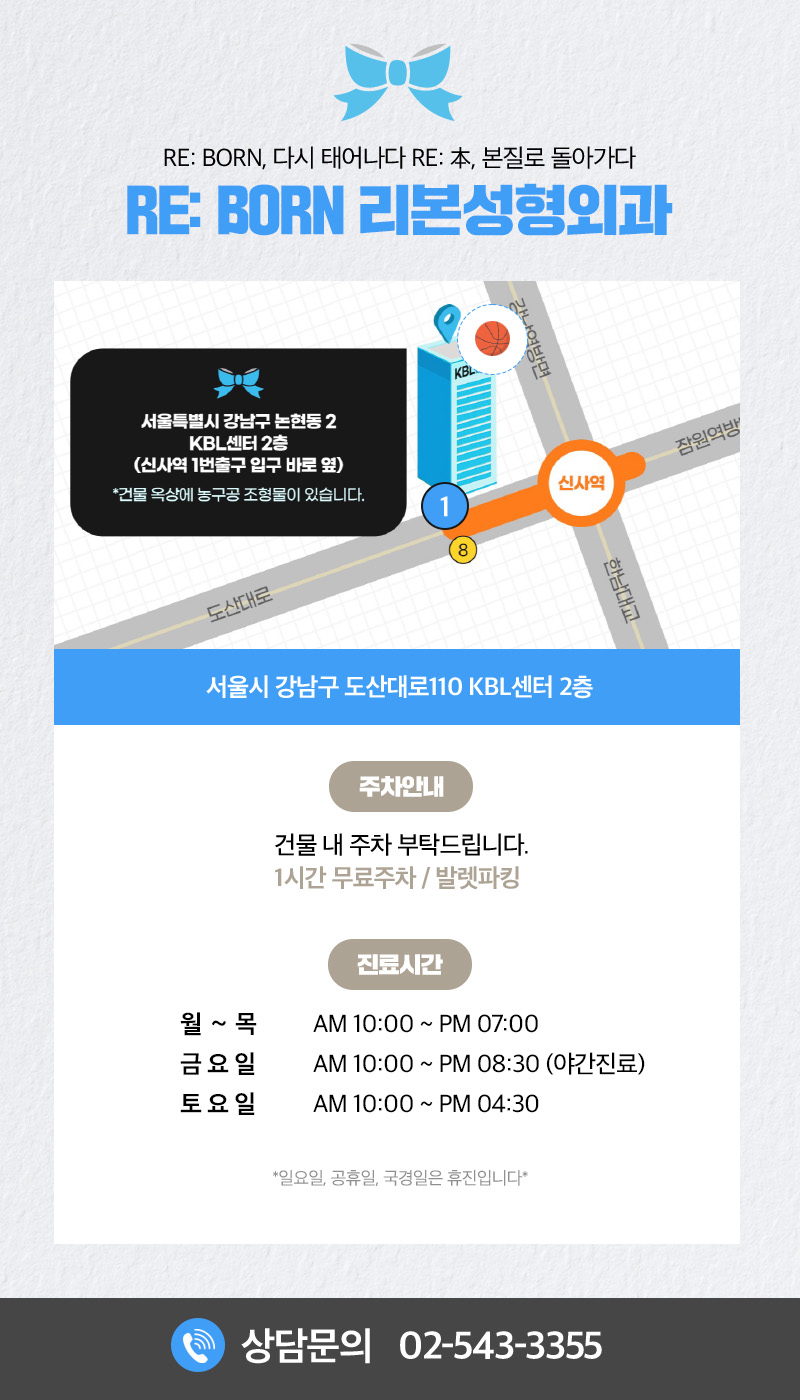
Hello, this is Re:本 Plastic Surgery, meeting you at Exit 1 of Sinsa Station.

When the deep cheek area sags, the needed volume is lost, and the skin stretches downward, making the jawline irregular.
In addition, as the skin loses elasticity and sags along with it, jowls may form, or marionette lines and nasolabial folds may deepen, leaving visible signs of aging on the face.
There are various ways to improve sagging skin, but among them, thread lifting allows you to see the effect immediately compared to other lifting procedures.
Moreover, because it does not involve surgical procedures such as facial contouring surgery, there is relatively less concern about downtime.
Re:본 Plastic Surgery has been performing and studying thread lifting since the early 2000s, when thread lifting was first introduced.
Almost 20 years have passed.
Thanks to that, we have built up enough expertise to even create our own 'Re:本 threads' with safe and effective ingredients.
Although we have been performing the procedure for such a long time, thread lifting is definitely one of the procedures that requires a great deal of attention.
Because it requires a 'physical method' to 'directly' pull the skin tissue, the procedure fundamentally depends heavily on the practitioner’s manual skill.
Before performing the procedure, a thorough, comprehensive diagnosis of each individual’s skin characteristics and degree of sagging must be made, and the procedure must then be carried out with great care.
Because thread lifting is a sensitive and delicate procedure, if it is performed in a factory-like, one-size-fits-all manner, you may not only fail to achieve satisfactory results
but may also experience various side effects, so extra caution is needed.
Today, I will explain what you should look into in order to receive a safe procedure with a high level of satisfaction to improve sagging deep cheeks.
Sagging deep cheeks
In the front cheek area of the face, in addition to the skin and subcutaneous fat, there is an additional fat pad beneath the muscle.
This is called the deep cheek area.
The deep cheek area is supported by ligaments along the jawline.
However, as we age, the elasticity of the skin and ligament tissue decreases, causing them to sag downward.
At this time, the deep cheek area sags as well.
Thread lifting can create a lifting effect by placing threads around these sagging deep cheeks and pulling them upward.
Thread lifting
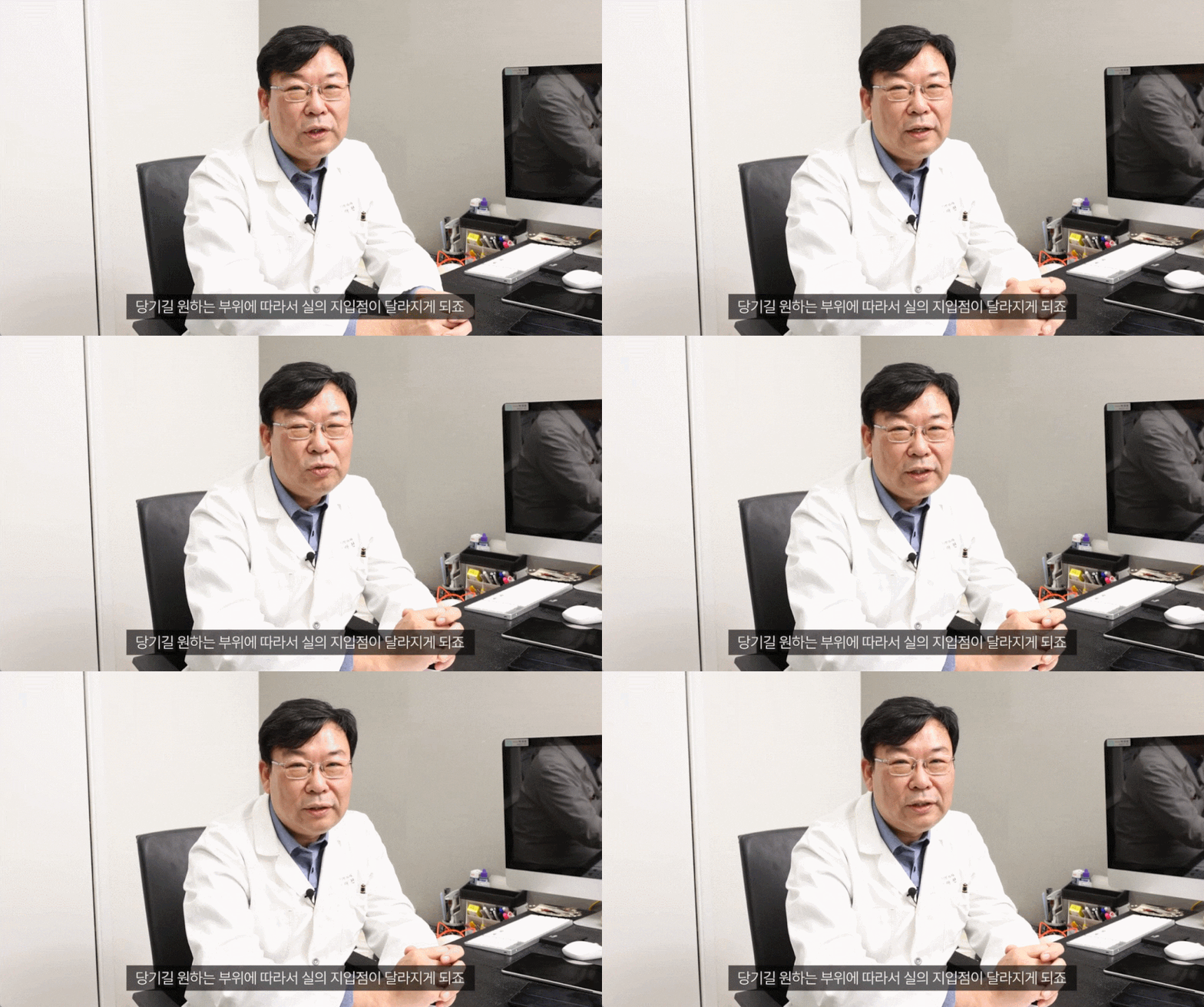
Thread lifting is a procedure in which 'medical dissolvable threads' are inserted under the skin to physically lift the skin tissue.
It can be applied to various areas such as a sagging jawline, cheek volume, double chin, nasolabial folds, eye area, and neck wrinkles, and it can be used to focus on specific areas.
Threads for lifting can be broadly divided into three types depending on their components and shape.
Most commonly, there are threads whose main ingredient is PDO.
PDO is gradually dissolved and broken down over time after insertion, and it is a material recognized as safe enough to have long been used in cardiac sutures.
PDO threads are further divided into mono threads and cog threads depending on their shape.
Mono threads are smooth threads without barbs and are mainly used for the purpose of promoting collagen,
while cog threads are barbed threads that can hook onto skin tissue through the barbs and pull it in the desired direction.
In general, when lifting sagging cheeks, barbed cog threads are used.
In addition to PDO threads, there are also threads whose main ingredient is PLLA.
PLLA is a 'collagen self-induction derivative' that stimulates collagen production on its own, and compared to PDO threads, it is more suitable for increasing volume.
Which product or which thread is right for you should be selected after comprehensively considering each individual’s skin characteristics and degree of sagging before the procedure.
 How can you avoid failure with sagging cheek lifting?
Thread lifting is a less burdensome procedure than surgery.
It has also become somewhat mainstream, as many people seek it out.
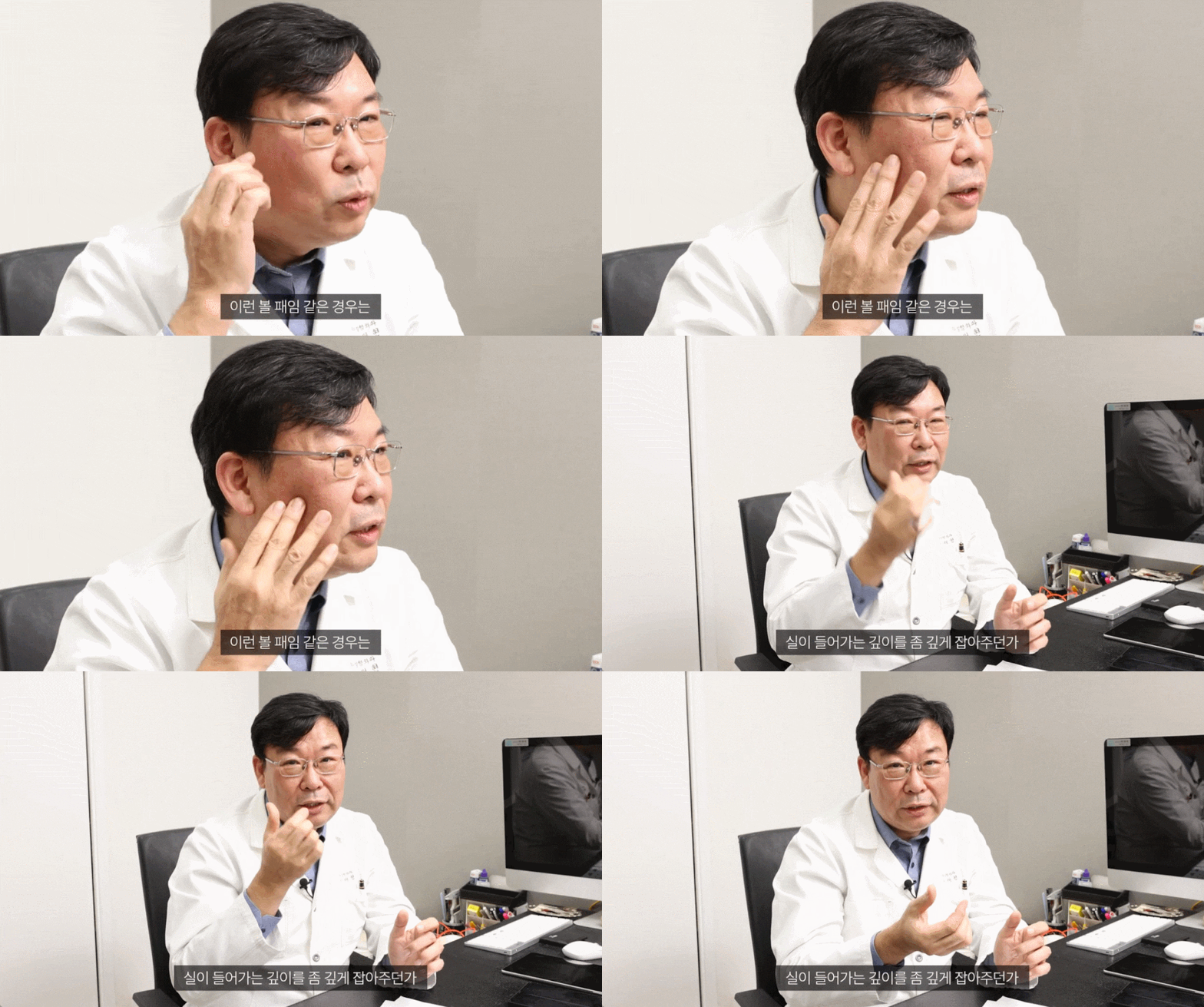
However, if the procedure is performed uniformly without properly recognizing each person’s facial features and skin condition, there is a risk of side effects.
In particular, because thread lifting is mainly performed on the face, it must address not only functional issues but also aesthetic aspects at the same time.
For this, you should receive detailed consultation and a thorough diagnosis from medical staff who have long experience with and have studied thread lifting.
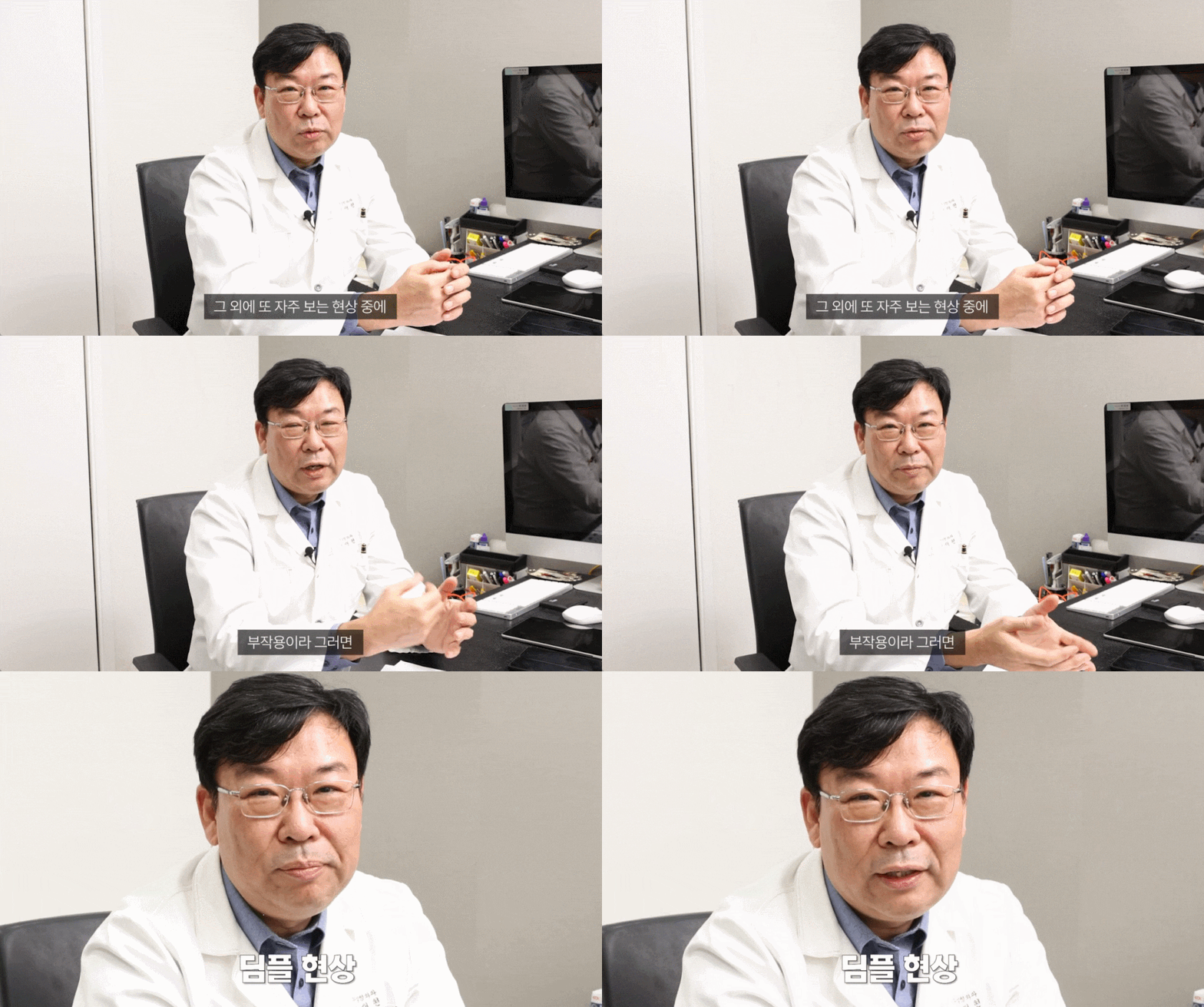
Thread lifting can produce different results even with a difference of 1 mm or 1 degree.
What makes that difference is the practitioner’s manual skill.
Therefore, if you are considering thread lifting, please be sure to make your decision only after receiving sufficient consultation from a board-certified plastic surgeon with extensive knowledge of facial anatomy and rich experience in lifting procedures.
At Re:本 Plastic Surgery, medical staff made up of board-certified plastic surgeons with more than 20 years of experience will personally consult with you and provide customized 1:1 treatment.
If you are concerned about sagging skin, sagging deep cheeks, or deepening nasolabial folds, you are welcome to visit Re:본 Plastic Surgery.
We will guide you carefully and kindly.
Thank you.