Thread lifting is a procedure in which specially designed medical threads are inserted under the skin to pull the skin upward.
Because it is a procedure that physically lifts the skin, it produces immediate results compared to laser lifting, and since it is non-invasive and does not involve a surgical process, it is characterized by relatively little downtime.
For this reason, many people receive aesthetic procedures at plastic surgery and dermatology clinics that offer ‘cosmetic procedures.’
The problem is that many people either do not really feel a change after the procedure, or worry because the facial line changes in an undesired direction after the treatment.
Today, I will talk about the characteristics of people who do not feel a significant change even after undergoing a lifting procedure, and the reasons behind it.
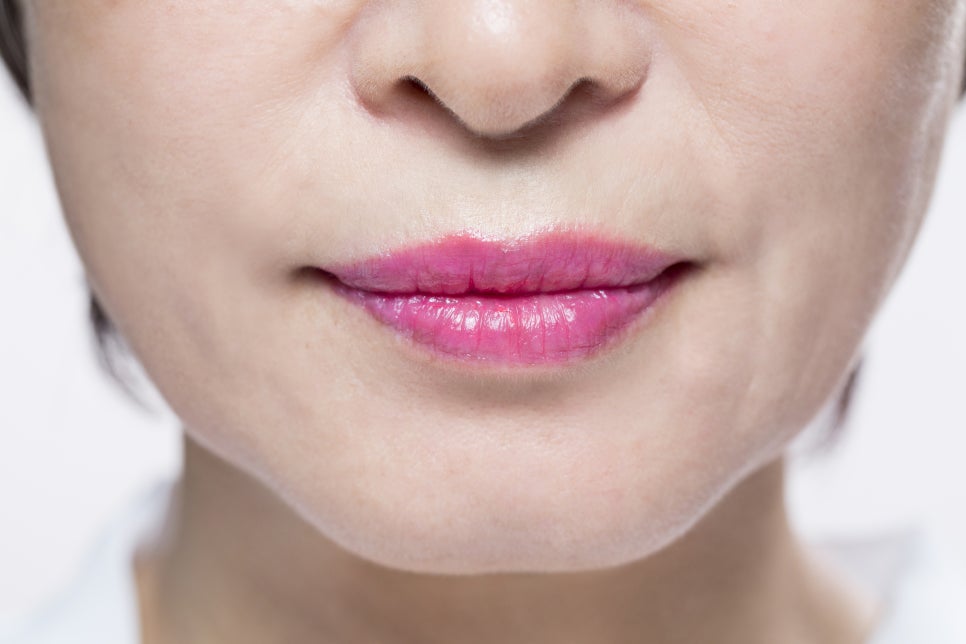 What is thread lifting?
Thread lifting is a non-surgical procedure that uses threads to restore skin elasticity and improve facial contours.
It mainly uses PDO (polydioxanone) threads, which are inserted into the deeper layers of the skin and pulled to create an immediate lifting effect.
Over time, the threads break down and are absorbed, while also continuously promoting collagen production.
Thanks to this, a more natural lifting effect can be expected as time passes.
One of the biggest advantages of thread lifting is that it is non-invasive.
Compared to traditional lifting surgery, the recovery period is shorter, and returning to daily life after the procedure is faster.
In addition, there is relatively less pain or fewer side effects after the procedure, which is why many patients prefer it.
Thread lifting can also be customized according to an individual’s skin condition and desired results.
Whether it is the buccal fat area or the nasolabial folds, direct treatment can be performed on the desired area.
Since it not only physically pulls the face upward but also remodels collagen over time, the effects of thread lifting appear in several ways.
First, there is an immediate lifting effect.
Right after the procedure, the skin feels as if it has been pulled upward, and the facial contour improves.
Second, the surrounding elasticity naturally increases over time.
Because the threads inserted into the skin stimulate collagen production, thread lifting has the effect of increasing skin elasticity and reducing wrinkles over the course of weeks to months after the procedure.
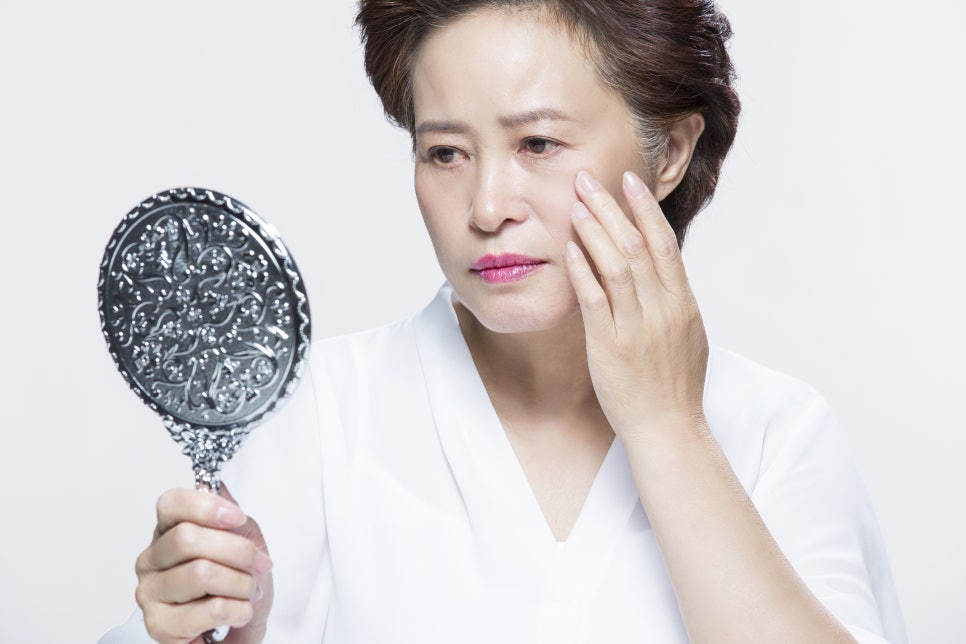
What if it seems like there is no lifting effect?
However, not everyone gets the same results from thread lifting.
Each person has different skin thickness, skin type, and direction and degree of aging.
Therefore, these factors must be considered when deciding on the procedure and during the design process.
If the procedure is carried out as if there were a fixed formula, without considering each person’s unique differences,
not only may the desired results not be achieved, but side effects such as dimpling, thread visibility, and rippling may also occur.
 Thread lifting side effects?
After thread lifting, the area where the threads were inserted may swell, or swelling may occur depending on the patient.
Pain or bruising may also occur. Since these symptoms are temporary after the procedure, they gradually disappear over time.
The dimple-like indentation in the skin also gradually fades over time.
If the symptoms are severe, an indentation may remain even after the threads dissolve, so caution is needed.
In general, lifting threads are blue in color, so when the procedure is performed on people with thin skin or placed too superficially,
there are cases where the blue threads become visible through the skin.
Therefore, before the procedure, it is necessary to sufficiently diagnose the individual’s skin condition and carefully design the treatment accordingly.
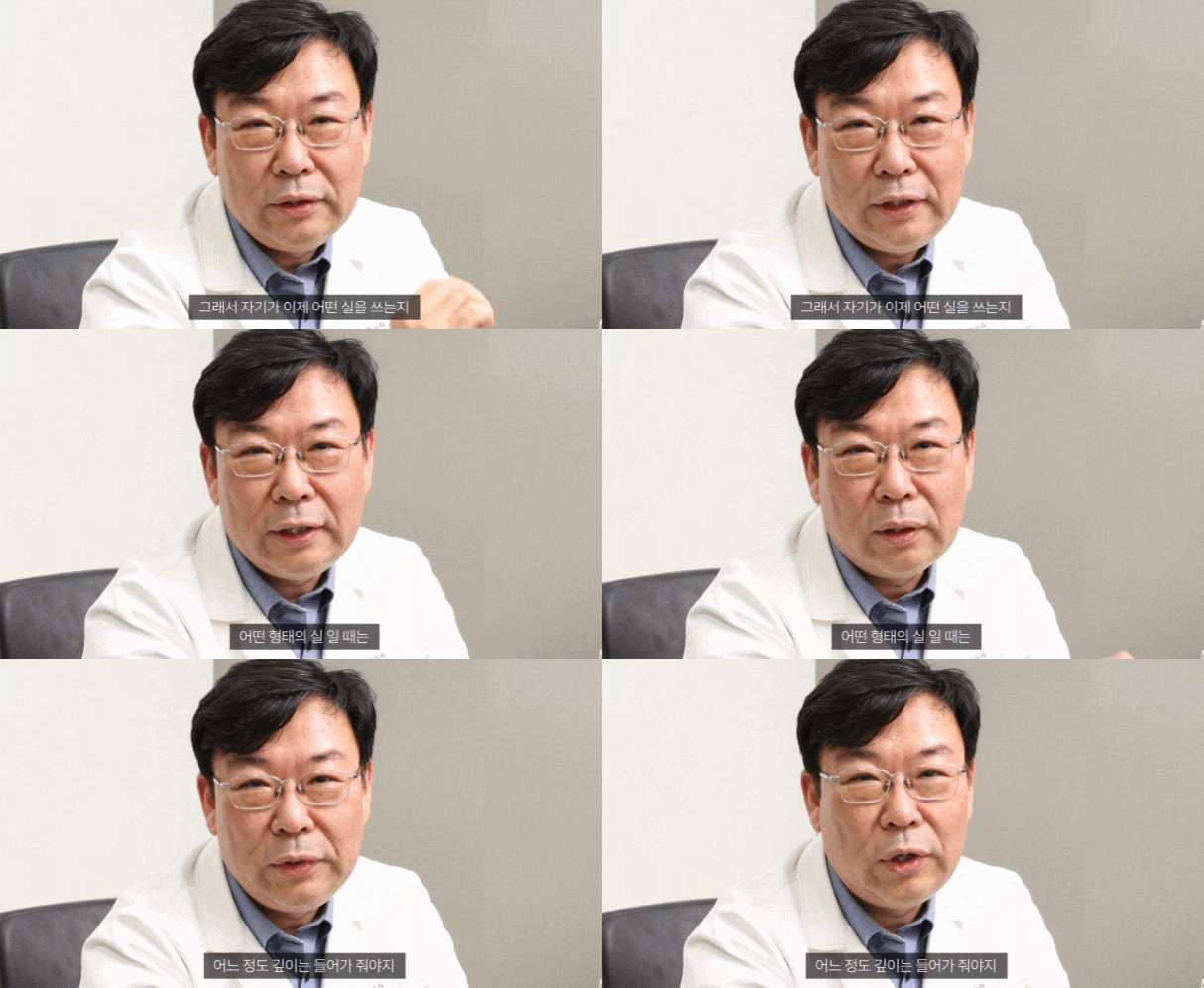
How to increase the lifting effect?
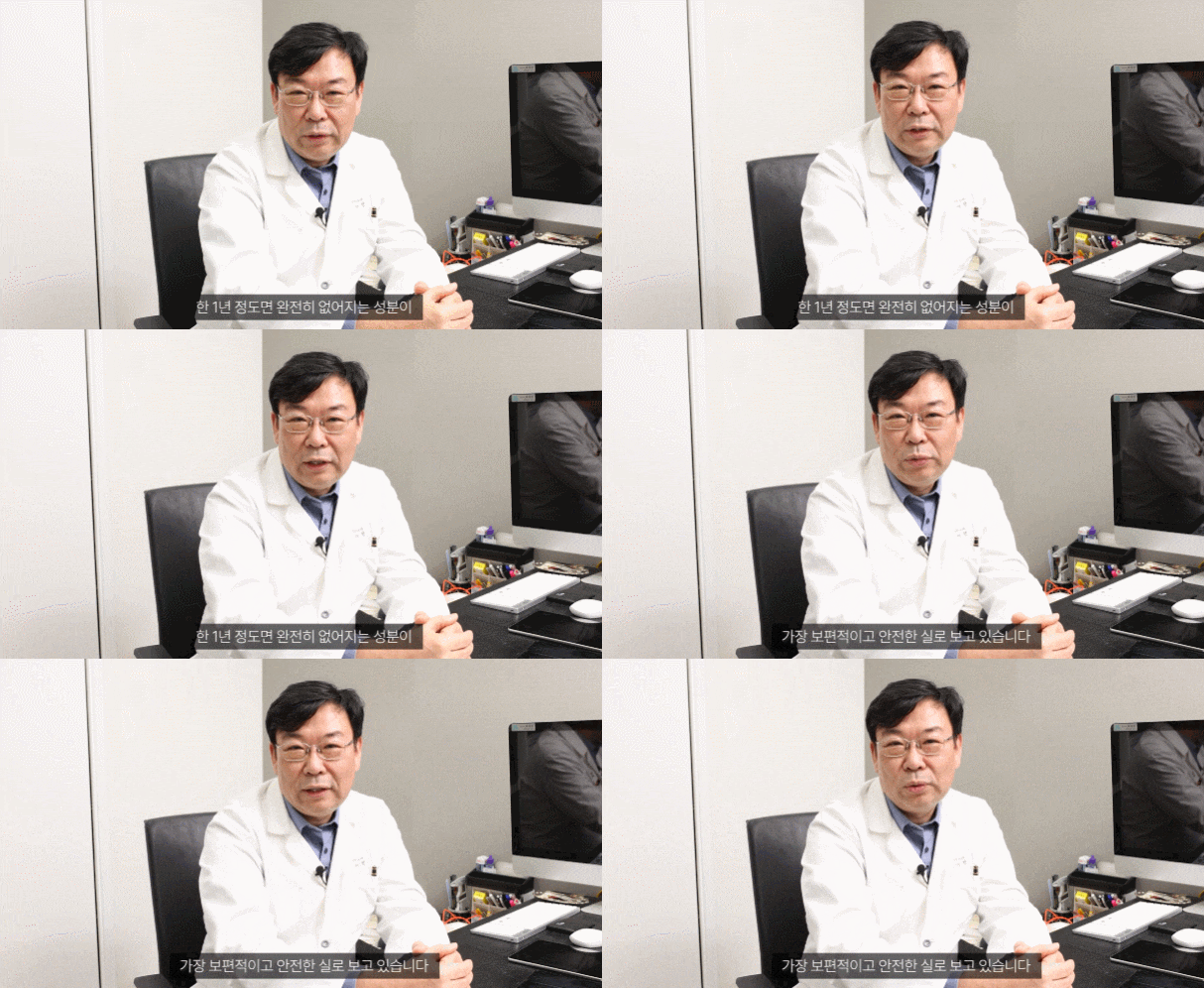
Thread lifting is a procedure that depends much more on the practitioner’s skill than on which threads are used.
There can be a big difference in results depending on the surgeon’s skill and know-how.
To increase the lifting effect, it should not end with simply pulling the threads upward from below.
If the lifting is done only in an I-shape, the force holding the tissue is weak, so the threads can loosen easily or fail to lift effectively.
In addition, because there is no method to distribute the force, the pulled tissue may gather to one side, causing a side effect where the cheekbones appear larger.
Today, I wrote this article for those who worry that they may not get results even after thread lifting.
Thread lifting is usually performed on the face, and it is a procedure that physically pulls the skin by inserting ‘threads’ under the skin.
Therefore, before receiving the procedure, you must consult with a board-certified plastic surgeon who has a strong understanding of facial anatomy and fully discuss your skin condition and desired results.
After the procedure, you must follow the precautions explained by the clinic in order to achieve the results you want without worrying about side effects.
Thank you.
| This post was written for informational purposes in compliance with Article 56, Paragraphs 1–15 of the Medical Service Act. All treatments carry the risk of side effects and complications depending on the individual. Before treatment, please make sure to have a thorough consultation with a medical professional with extensive experience before making a decision. |