Thread lifting is a non-surgical lifting procedure that inserts medical threads under the skin to support and lift sagging tissue and restore skin elasticity.
The dissolvable threads used in this procedure are naturally absorbed by the body and leave no residue over time, which is an advantage in terms of relative safety.
Even if side effects occur, the threads dissolve and disappear, so the issue does not last long, making it a relatively low-burden procedure.
In addition, as the threads dissolve, they promote collagen production in the skin, gradually improving skin elasticity and contour.
Along with an immediate lifting effect after the procedure, you can expect the skin condition to gradually improve over time.
Thanks to these characteristics, dissolvable thread lifting can naturally improve various areas such as nasolabial folds, jowls, and cheek sagging,
and has established itself as a procedure that is steadily loved by people looking for a non-surgical alternative.
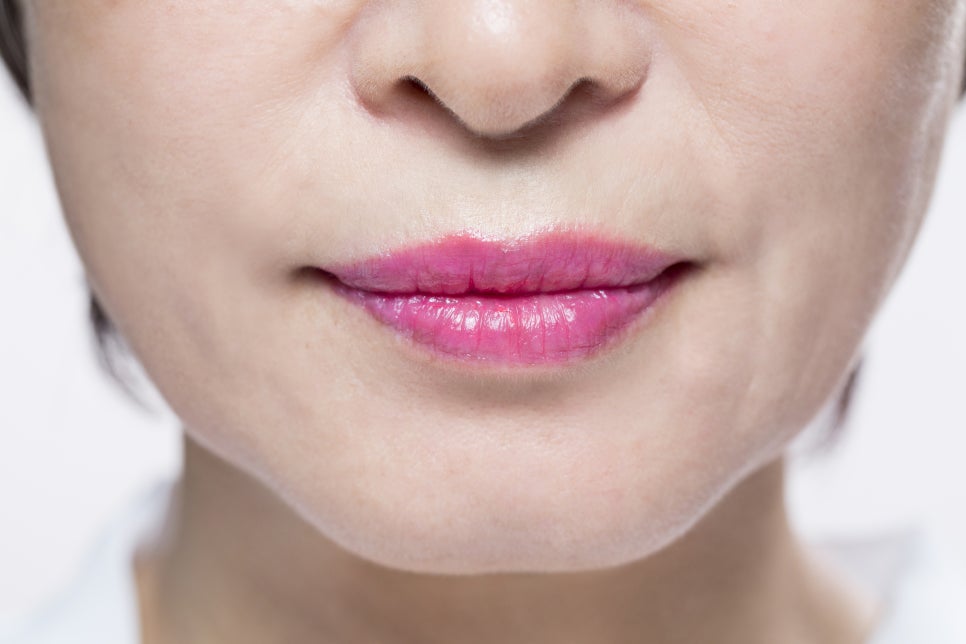
Thread lifting effects
Thread lifting works on the deeper layers of the skin to pull up sagging tissue, and as the threads dissolve, they stimulate collagen production to fundamentally improve the skin.
This process does not simply reduce wrinkles on the skin’s surface; it also helps reorganize tissue in the deeper layers of the skin to refine facial contours.
Because specific areas can be treated selectively, it is possible to focus on improving individual concerns such as nasolabial folds, lines around the mouth, and jowls without disturbing facial balance.
After the procedure, you can experience an immediate lifting effect, and as time passes, collagen production becomes active and skin elasticity gradually recovers.
Another major advantage of thread lifting is that the recovery period is short, allowing a quick return to daily life.

Types of thread lifting and retention period
Thread lifting is a procedure that pulls up sagging skin and stimulates the deeper layers of the skin to induce collagen production.
The effect of the procedure may vary depending on the type of thread used.
The most commonly used threads are PDO threads and PLLA threads.
PDO threads are made of a material that naturally dissolves in the body, offering high safety and firmly supporting tissue.
The typical retention period is about 6 months to 1 year.
PLLA threads are more focused on adding volume and stimulate collagen production more actively than PDO threads.
The retention period usually lasts about 1 to 2 years.
As such, the retention period differs depending on the characteristics of the thread used, but even when the same thread is used, the results can vary.
Thread lifting is not simply a technique that inserts threads and pulls the skin up;
it is a procedure that also includes understanding the structure of the face and the degree of sagging, and designing the treatment so that the threads can settle most stably within the skin.

Factors that determine the retention period
The retention period of thread lifting depends not only on the type of thread used but also on the precision of the procedure and the condition of the skin.
If threads are inserted simply without considering facial contours, or if the insertion depth is inappropriate, the effect of thread lifting may not last long.
In addition, the possibility of side effects increases.
If the direction of thread insertion is incorrect, a lifting effect that makes the skin surface look uneven may occur, and if the threads are inserted too shallowly, thread visibility may occur, where the threads show through the skin surface.
These side effects usually occur when the pre-procedure design is not properly done or when the practitioner lacks skill.
Therefore, if you are considering thread lifting, we recommend receiving the procedure from an experienced board-certified plastic surgeon who accurately understands facial structure and can carefully calculate how the thread tension will affect the skin and contours.
If the threads are pulled in only one direction, the force may concentrate on the cheekbone area, increasing the possibility of side effects such as larger-looking cheekbones or a wider-looking face.
In addition, there is the problem that the threads may not settle stably within the skin and may loosen quickly, or the effect may diminish in a short period of time.
Therefore, if you are looking into thread lifting, we urge you to carefully compare the procedure methods as well.

The success of thread lifting is not simply about receiving the procedure; it is the result created by the practitioner's planning ability, technical skill, and the characteristics of the threads used.
We hope you find a place that carefully analyzes each patient's facial contours and skin condition, then designs and performs the procedure in the most suitable way.
Thank you.
| This post was written for informational purposes in compliance with Article 56, Paragraphs 1 through 15 of the Medical Service Act. All treatments carry a risk of side effects and complications depending on the individual. Before treatment, please make sure to have a sufficient consultation with experienced medical staff before making your decision. |