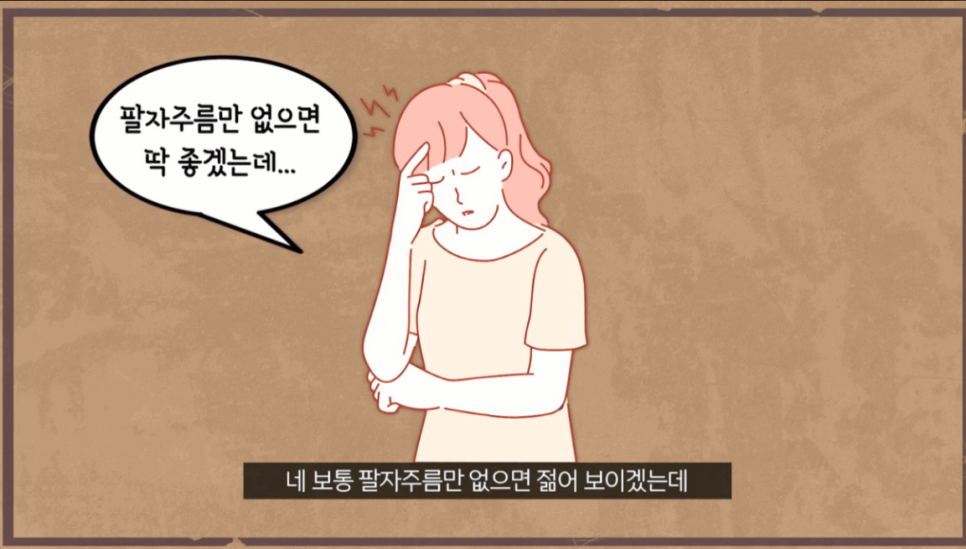
Nasolabial folds are one of the 대표적인 wrinkles that many people worry about as they get older, and because they are located in the center of the face, they are an important factor in shaping one’s impression.
As nasolabial folds become deeper, they can make the face look older and the facial contour appear saggy, so various methods to improve them are preferred.
Among them, nasolabial thread lifting has been drawing attention as a non-surgical procedure that effectively softens nasolabial folds and creates a natural, firm facial contour.
Thread lifting is a procedure that inserts medical dissolvable threads into the skin to pull up sagging tissue and focuses on improving skin elasticity.
The inserted threads physically support the skin tissue, and as they gradually dissolve naturally in the body over time, they stimulate collagen production.
This not only helps smooth wrinkles, but also helps restore some elasticity in the deeper layers of the skin, contributing to a firmer structure of the surrounding skin tissue.

Effects of nasolabial thread lifting
Nasolabial thread lifting effectively softens nasolabial folds by inserting medical threads to support and lift sagging tissue within the skin.
Immediately after the procedure, you may experience some immediate lifting effects as the skin is pulled tighter and wrinkles are smoothed, and over time, as the threads dissolve, collagen production in the skin is stimulated and elasticity gradually recovers.
This also helps prevent wrinkles from forming again and results in a smoother, softer skin surface.
Nasolabial thread lifting not only reduces nasolabial folds but also softens fine wrinkles around the area and tidies up sagging skin around the mouth, making the overall impression of the face brighter and more defined.
Because it is a non-surgical procedure with less concern about scarring and a shorter recovery period than surgery, many people seek it out.
Types of lifting threads
Nasolabial thread lifting is performed by selecting the appropriate thread according to skin condition and wrinkle depth,
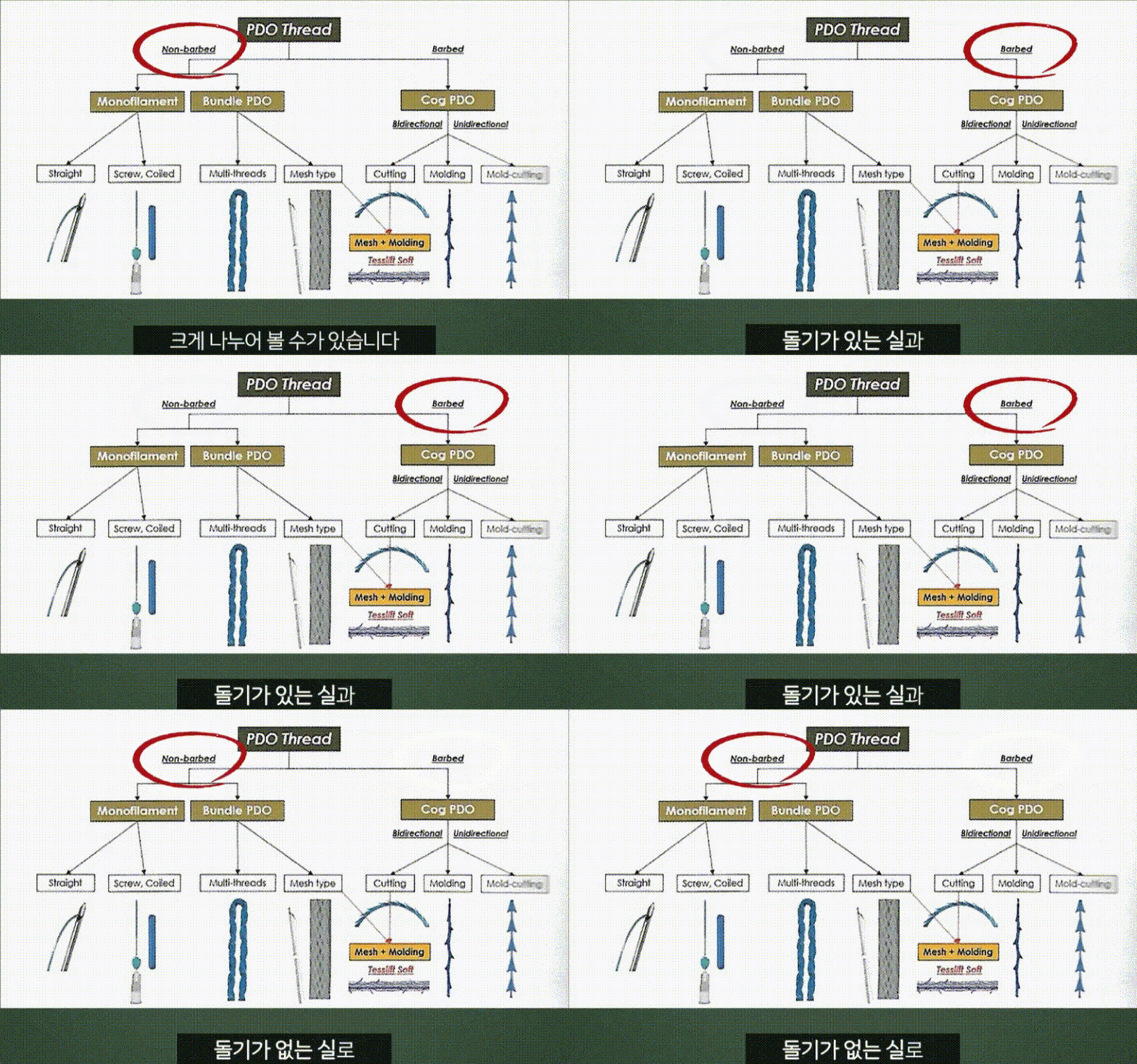
and the threads most commonly used are PDO (Polydioxanone) threads and PLLA (Poly-L-Lactic Acid) threads.
PDO threads are the most widely used material in medical thread lifting and remain in the body for about 6 months to 1.5 years.
As time passes, PDO threads naturally dissolve and stimulate collagen production, strengthening the skin’s elasticity.��
In particular, cog threads with barbs play an excellent role in strongly supporting and lifting deep nasolabial folds or sagging tissue, and because of this, they have the 특징 of producing an immediate lifting effect.
Because wrinkles located in the central part of the face, such as nasolabial folds, affect one’s impression, cog threads are often used for patients who want fast and effective results.
PLLA threads have a longer maintenance period than PDO threads, and although it varies by person, they generally last about 1.5 to 3 years.
PLLA threads more actively induce collagen production in the skin than PDO threads and are especially suitable for areas that need added volume.
They are effective when used in thin or sunken areas of the skin, and as time passes, they gradually improve the skin, allowing for natural and firm results.��
Both types of threads have high safety and are naturally absorbed in the body, making it possible to choose the appropriate thread according to the patient’s skin condition and wrinkle depth for a customized procedure.
Things to note about nasolabial thread lifting
Nasolabial thread lifting is known as a relatively simple procedure, but several important points must be followed for satisfying results.
First, before the procedure, the skin condition and wrinkle depth should be thoroughly analyzed to design the appropriate type and length of thread.
If an unsuitable thread is used, or if the insertion site, pulling force, or direction is incorrect, side effects such as rippling, where the skin surface becomes uneven, or thread visibility may occur.��
Therefore, if you are considering thread lifting, it is recommended that you choose and proceed with a medical team that has strong anatomical knowledge and extensive experience.
After the procedure, the inserted threads need time to settle securely.
During this process, it is important not to give the skin strong stimulation.
In particular, strong massage should be avoided, and frequently touching the area where the lifting procedure was performed is also not recommended.
Sun protection is also important.
Because ultraviolet rays accelerate skin aging and interfere with collagen production, you should protect your skin by using sunscreen with SPF 30 or higher.
High-temperature environments such as jjimjilbangs and saunas can reduce the stability of the threads, so you are advised to avoid them.
Nasolabial thread lifting is a non-surgical procedure that helps soften nasolabial folds and partially restore skin elasticity.
However, natural and satisfying results can only be achieved based on accurate planning before the procedure and thorough aftercare afterward.
The method of performing the procedure is also important.
Because it is a procedure that physically lifts the skin, if it is done in only one direction, fat may gather toward the cheekbones and make the face look wider, so please compare the procedure methods carefully as well.
Thank you.
| This post was written for informational purposes in compliance with Article 56, Paragraph 1 through Paragraph 15 of the Medical Service Act. All treatments carry a risk of side effects and complications depending on the individual. Before treatment, be sure to have a thorough consultation with a medical professional with ample experience before making your decision. |