When you enter your 50s, the skin and contours of your face begin to undergo noticeable changes.
As you age, the skin loses elasticity, and the fat layer sags downward under gravity, creating deep wrinkles and blurring the overall contours.
Of course, these changes are a natural part of aging, but they can also lead to a loss of confidence about appearance and psychological stress.
In particular, skin in your 50s experiences a sharp decline in elasticity due to reduced collagen and elastin, and as the skin becomes thinner, it becomes more sensitive to external irritation.
At this stage, it is difficult to bring about fundamental changes with surface-level skin care alone.
Thread lifting is a non-surgical procedure that can define facial contours and lift sagging tissue, which is why many people seek it out.
Because it can bring about visible changes without skin incision, it has become one of the solutions especially suitable for people in their 50s.
Why the Face Changes in Your 50s
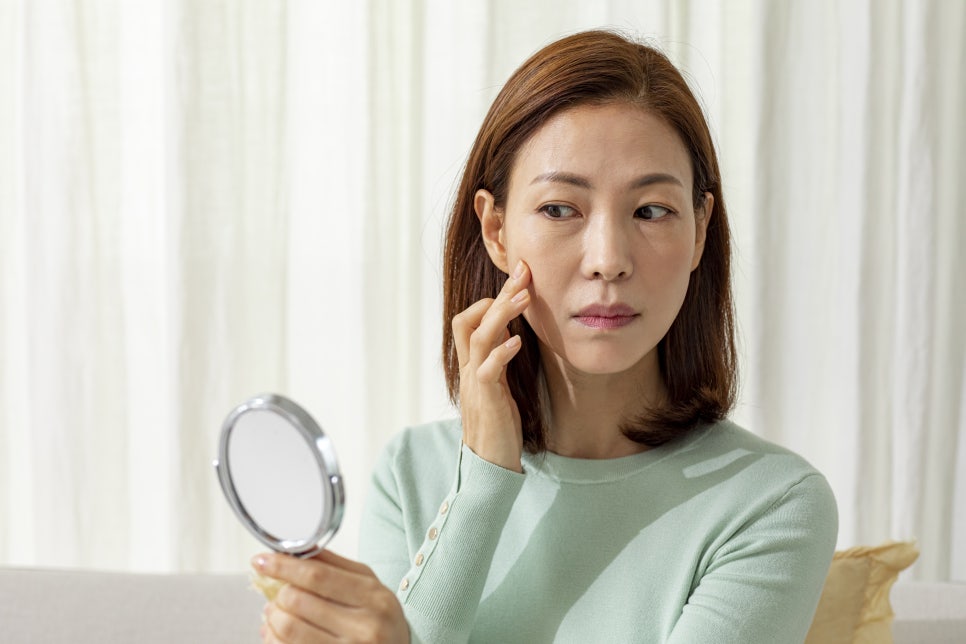
The biggest change you feel as you enter your 50s is not simply an increase in wrinkles, but a change in facial contours.
As reduced skin elasticity and movement of the fat layer occur at the same time, the central part of the face becomes hollow while the lower part sags heavily.
This can make the face look longer or give a heavy, tired impression.
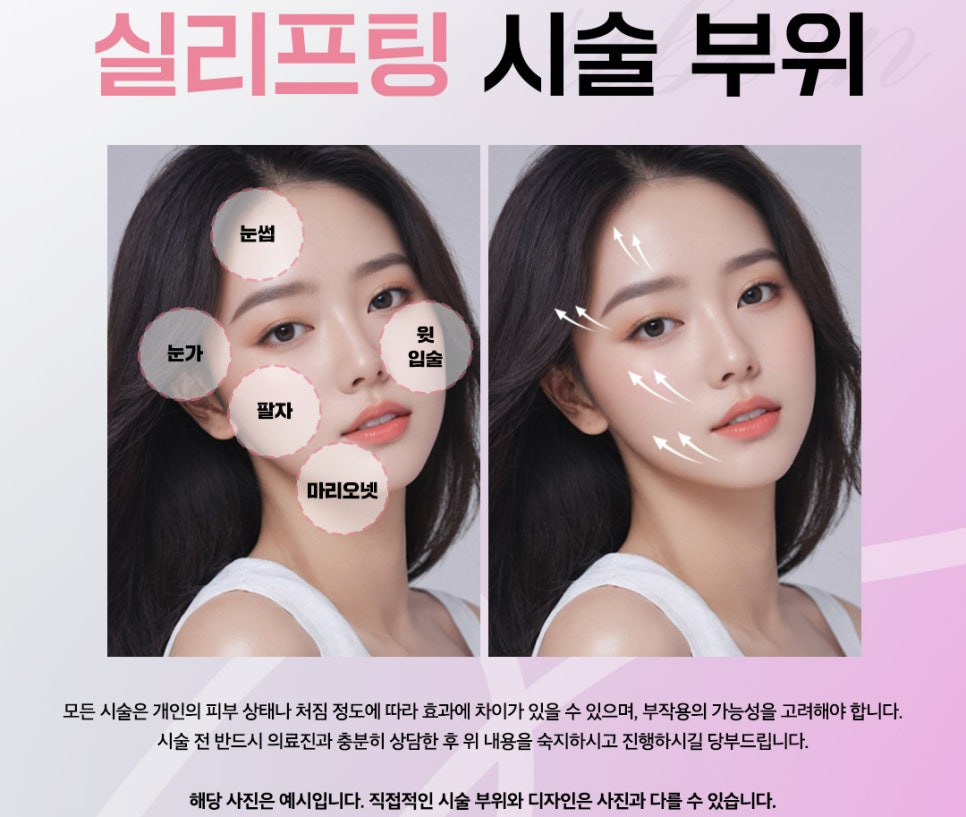
In particular, the nasolabial folds and marionette lines that appear along with sagging cheeks emphasize the central area of the face and make it look older.
In addition, the effects of gravity also influence the tissues located in the deeper layers of the skin.
Because of this, the jawline collapses and the contours become unclear.
In your 50s, the skin becomes thinner as elasticity declines, so these changes appear even more clearly, and they can affect not only appearance but also one’s psychological state.
The skin changes at this stage are difficult to improve with surface skin care alone, and an approach that can address the fundamental issues in the skin’s internal structure and contours is needed.
Why Thread Lifting Is Recommended
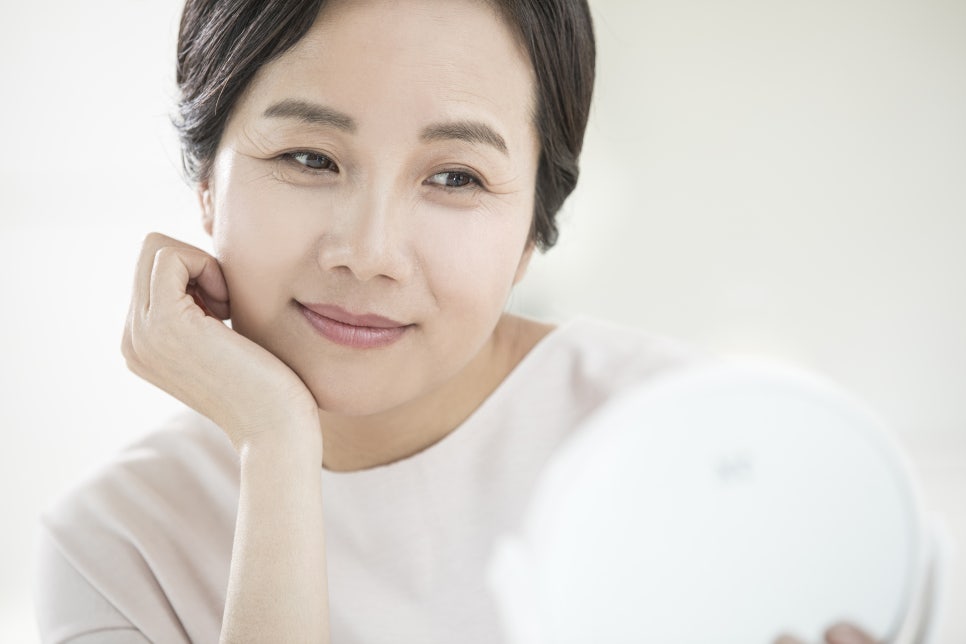
Thread lifting is a procedure in which medical dissolvable threads are inserted into the skin to physically lift sagging tissue and help restore elasticity deep within the skin.
The inserted threads are anchored in the dermis or subcutaneous fat layer and pulled upward, providing an immediate lifting effect.
In particular, in your 50s, certain areas such as sagging cheeks, nasolabial folds, and marionette lines tend to stand out, and thread lifting has the advantage of improving these areas in a targeted way.
By supporting and lifting sagging tissue, the skin can naturally smooth out, and the contours around the mouth and jawline can be neatly refined.
In addition, as time passes and the threads dissolve, new collagen is produced in the surrounding tissue, so a long-term elasticity-recovery effect of the skin can also be expected.
As we age, the skin’s regenerative ability declines, so more collagen is lost than the skin produces.
Threads made of PDO, which are commonly used in thread lifting, or threads made of PLLA can stimulate collagen production and help make the skin’s structure stronger.
It is not only about improving surface wrinkles and tightening sagging skin; it can also improve the skin’s underlying structure to a certain extent, making it effective for refining contours.
In this way, thread lifting is effective not only for improving surface wrinkles, but also for improving the skin’s fundamental structure and refining contours.
Skin in your 50s is at a stage where changes are especially noticeable, but with the right procedure and care, it is possible to regain a healthy and more defined appearance, so there is no need to worry too much.
Points to Be Careful About with Thread Lifting
Skin in your 50s has less elasticity than before and is thinner, so a more precise approach is needed when planning thread lifting.
Therefore, before the procedure, the skin condition and contour structure must be analyzed in detail, and the insertion direction and depth of the threads must be carefully designed.
If it is performed uniformly without understanding individual differences, the likelihood of side effects increases, so special caution is necessary.
Therefore, when looking for information related to thread lifting, please be sure to check the medical staff’s experience and technical skill.
Also, after thread lifting, thorough aftercare is needed so that the threads can settle stably within the skin.
Using sunscreen and maintaining moisture are essential, and you should avoid rubbing the skin strongly or making excessive facial expressions.
Your 50s are a time when skin changes are most noticeable, but they are also a time when improvements are possible with the right solution.
Thread lifting tightens sagging tissue, refines contours, and improves elasticity within the skin, bringing a natural and defined change to skin in your 50s.
However, for successful results, sufficient consultation and analysis of the skin condition must come first before the procedure.
Experienced medical staff and precise planning play important roles in preventing side effects and producing satisfying results, so please carefully check these points before the procedure.
In addition, thorough post-procedure care is an essential factor in maintaining the effects for a long period, so please be sure to follow the aftercare instructions carefully.
Thank you for reading this long post today.
| This post was written for informational purposes in compliance with Article 56, Paragraphs 1 through 15 of the Medical Service Act. All treatments carry a risk of side effects and complications depending on the individual. Before treatment, be sure to have a thorough consultation with experienced medical professionals before making a decision. |