Have you ever taken a photo and thought your face no longer looks the way it used to, or found that at some point the rear camera became scarier than selfies?
People around you may say, “You’re fine, you look pretty~,” but for some reason, a face that looks tired and older can still be on your mind.
When changes that you didn’t notice back when your skin was firm start to add up one by one, there comes a moment when the feeling that “it’s different from before” becomes strong.
Many people look for various ways to address sagging skin, but it is true that deciding to undergo surgery feels like a big burden.
At times like this, thread lifting, a non-surgical method that naturally refines the facial line and improves elasticity, can be a good alternative.
However, when first considering thread lifting, the most common questions are, “Will it really work?” and “How long will the effect last?”
Today, I will explain the effects of thread lifting and how long they last in detail.
If you read this article to the end, your questions about thread lifting will become much clearer, so please read through to the end.
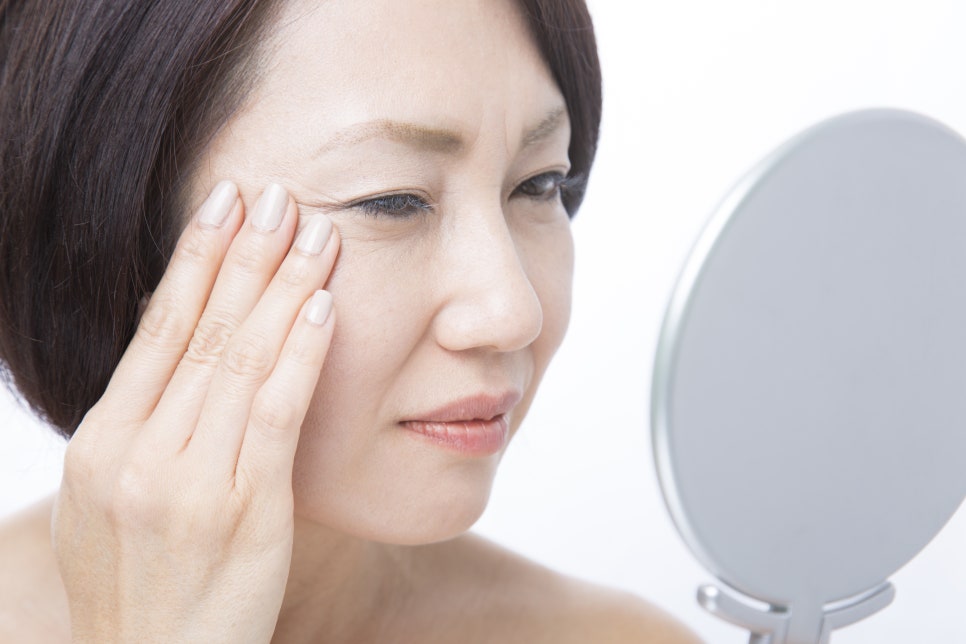
When Do the Effects of Thread Lifting Start to Appear?
Thread lifting is a non-surgical lifting procedure in which absorbable medical threads are inserted into the skin to pull up sagging tissue and improve skin elasticity by promoting collagen production.
In fact, the effects of thread lifting can be seen immediately after the procedure.
Because thread lifting works by inserting special medical threads under the skin to physically pull the tissue upward,
when you look in the mirror right after the procedure, you can see that the sagging area has lifted to some extent.
However, since there may be some swelling or tightness immediately after the procedure, the final effect usually becomes more clearly visible after about 2 to 4 weeks.
Swelling and bruising that occur depending on the individual usually subside within 1 to 2 weeks.
Because the speed at which swelling and bruising disappear varies from person to person, if you have an important appointment coming up, please allow enough time before getting the procedure.
How Long Does Thread Lifting Last?
The duration of thread lifting varies depending on the type and number of threads used, as well as the patient’s skin condition and lifestyle habits.
On average, the effects last from about 6 months to 2 years.
The duration of thread lifting can be understood in two aspects.
First, the immediate lifting effect is produced by the physical force that directly pulls the skin.
It usually lasts about 6 months to 1 year.
During this period, the threads gradually dissolve and disappear.
As the threads slowly dissolve, the direct pulling effect gradually decreases.
However, during the process of dissolving, the threads promote collagen production in the surrounding skin, improving skin elasticity.
As a result, skin elasticity recovers, and the lifting effect can continue for a certain period even after the threads have completely disappeared.
The duration also varies depending on the main ingredient of the threads used.
PDO threads, which are the most commonly used, generally last about 6 months to 1 year.
Although the threads gradually dissolve over time, collagen production is activated during this process, allowing the skin elasticity-improving effect to be gained.
PLLA and PCL have a longer duration than this.
In general, the effects last about 1 to 2 years.
Compared with PDO threads, PCL and PLLA threads have weaker tension, but because they have excellent collagen regeneration effects, the improvement in skin elasticity tends to last relatively longer even after the threads have completely dissolved.
If you are more curious about the differences according to the ingredients of lifting threads such as PDO, PLLA, and PCL, you may better understand the topic by checking the relevant content through the link below.
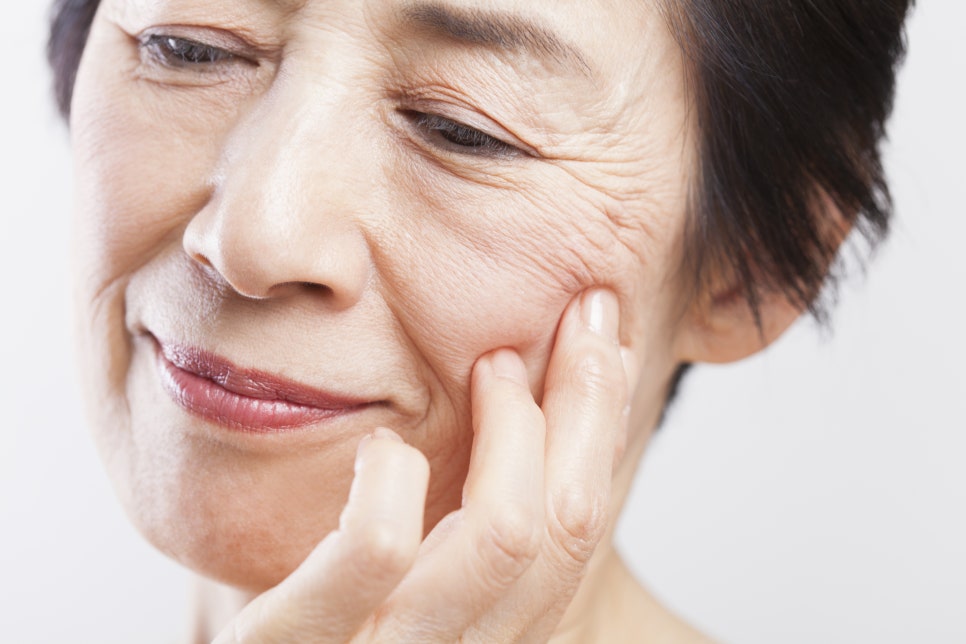
How Can You Make the Effects of Thread Lifting Last Longer?
To make the effects of thread lifting last longer, the threads need to settle stably within the skin and fully demonstrate their elasticity-improving effect.
For this, accurate procedural technique and appropriate aftercare are necessary.
In particular, because the threads should not only pull sagging skin upward but also support tissue within the skin and distribute force, the practitioner’s skilled technique and design planning are important.
If the threads do not settle properly within the skin, over time they may move out of their original position, or excessive tension may concentrate on a specific area, causing the effect to diminish quickly.
Therefore, to maintain thread lifting for a long time, a technique that allows the threads to be stably supported within the skin is needed, and balanced lifting rather than simple pulling must be achieved.
The shape and structure of the threads also have an important impact on the duration of the effect.
If the skin is pulled in only one direction, the effect often decreases over time.
On the other hand, thread lifting that distributes force in multiple directions improves fixation, and the lifting effect can last longer.
To maximize the effects of thread lifting and extend the duration, it is also a good idea to combine it with procedures such as laser devices that promote collagen production or collagen injections that improve elasticity.
In particular, high-intensity focused ultrasound (HIFU) or radiofrequency (RF) devices deliver energy deep into the skin to regenerate collagen, and when performed together with thread lifting, a firmer lifting effect can be expected.
Collagen boosters also help strengthen the skin’s internal elasticity and extend the duration of thread lifting, so considering a combined approach tailored to your skin condition and goals is also a good option.
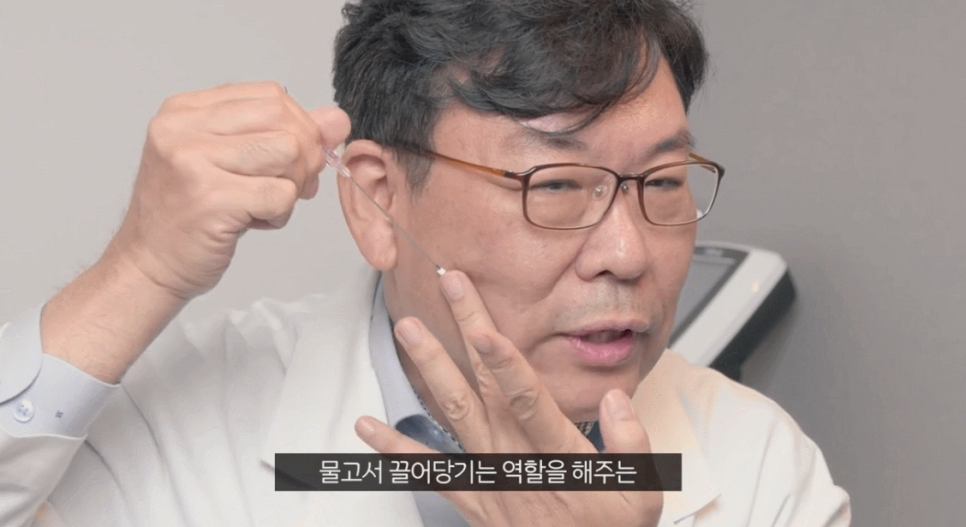
Thread lifting is a delicate procedure that requires considering not only the immediate effect but also the process of restoring elasticity within the skin.
Rather than simply pulling up sagging skin, the procedure should be performed with a deep understanding of how the threads act within the skin and what changes they create over time.
Only by considering everything comprehensively, from thread selection to post-procedure care, can you maintain the lifting effect for a longer time while achieving a natural result.
If you are considering thread lifting, we encourage you to consult with experienced medical professionals who have not only simple procedural experience but also a precise understanding of anatomy and the characteristics of the threads.
Thank you.
| This post has been written for informational purposes in compliance with Article 56, Paragraph 1 to Paragraph 15 of the Medical Services Act. All treatments carry a risk of side effects and complications depending on the individual. Before treatment, please be sure to make a sufficient consultation with experienced medical professionals before making your decision. |