Thread lifting is known as a ‘petit’ procedure, and it is often considered a relatively simple treatment without surgical incision.
Thanks to the relatively short procedure time and quick recovery period, many people choose it because it places less of a burden and can deliver more immediate results than laser procedures and the like.
However, on the other hand, some people feel a vague sense of fear because it involves inserting ‘threads’ into the skin.
They worry about what might happen if the threads snap inside the skin or if an unexpected problem occurs.
When thread lifting first appeared, there were reports of cases in which the threads did not settle properly, snapped, or were pushed out through the skin.
But today, technology has advanced significantly, and the likelihood of thread-snapping side effects has decreased markedly.
This is because the durability of the threads has improved, and the insertion method has become much more precise.
Even so, after the procedure, some people hear a ‘pop-pop’ sound when moving their face and mistakenly think the thread has snapped.
In most cases, this sound is a natural phenomenon that occurs as the thread settles and spreads out within the skin, and it does not mean the thread has snapped, so there is no need to worry too much.
Current thread lifting uses threads with greatly improved strength and flexibility, and the procedure techniques have also become more precise.
Because the threads are designed to settle more stably within the skin, there is hardly any need to worry about the kinds of problems seen in the past.
The procedure process itself has also been finely adjusted to minimize unnecessary stimulation, so you can expect a safer and more natural lifting effect.
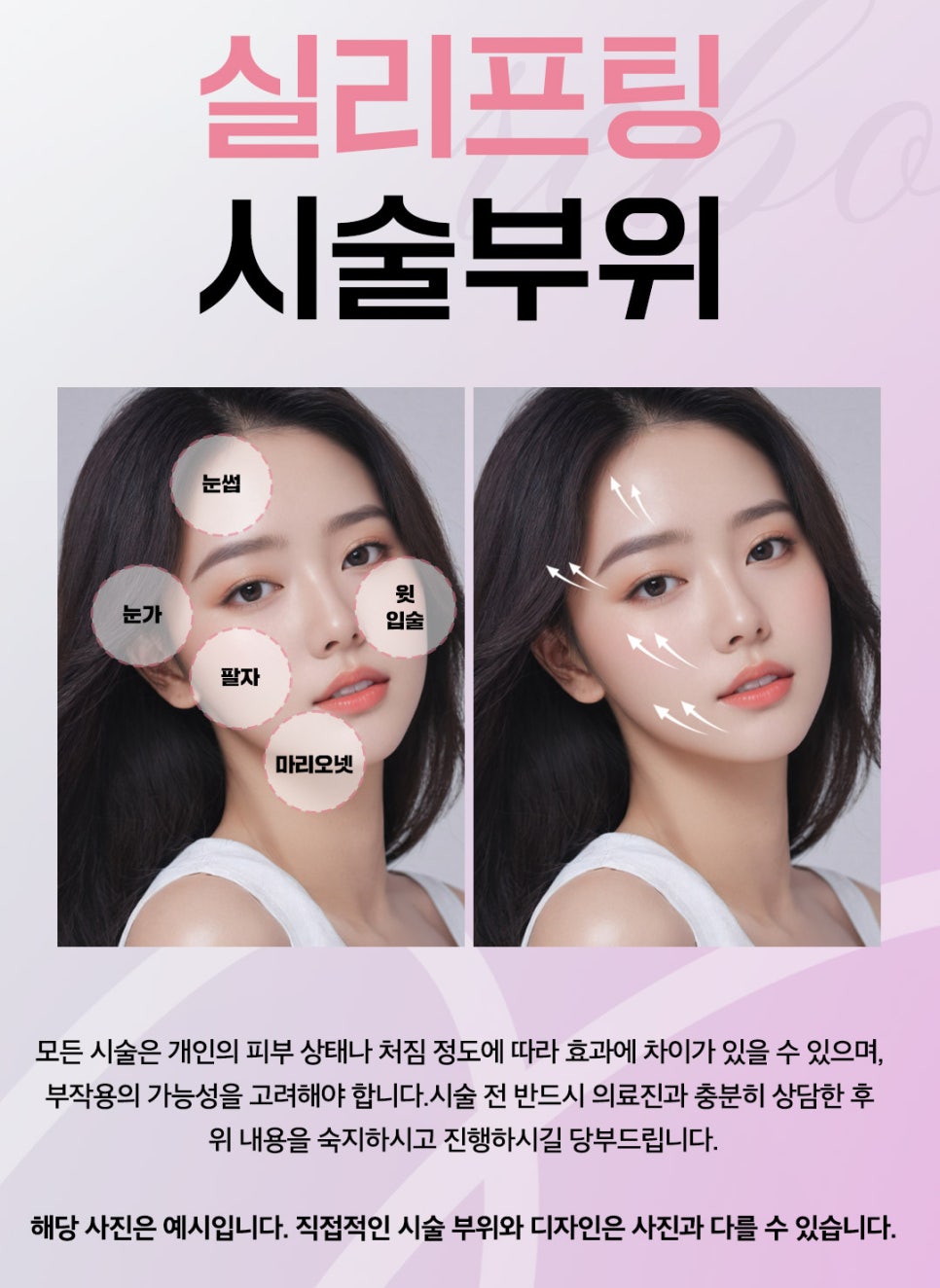
What is thread lifting?
Thread lifting is a non-surgical lifting procedure in which medical dissolvable threads are inserted into the skin to pull up sagging skin and improve elasticity.
It is effective for correcting wrinkles and changes in facial contour that occur as skin elasticity declines and the cheeks sag, and many people prefer it because of its simple procedure and short recovery period.
In the past, thread lifting was understood simply as a procedure that pulled the skin up, but now it also helps promote collagen production and restore the skin’s own elasticity.
As the threads inserted into the skin gradually dissolve, they stimulate the tissue and induce the production of new collagen and elastin, which can lead to long-term improvement in skin elasticity.
Depending on the type of thread used, the effects and duration of maintenance vary.
Representative examples include PDO, PLLA, and PCL threads.
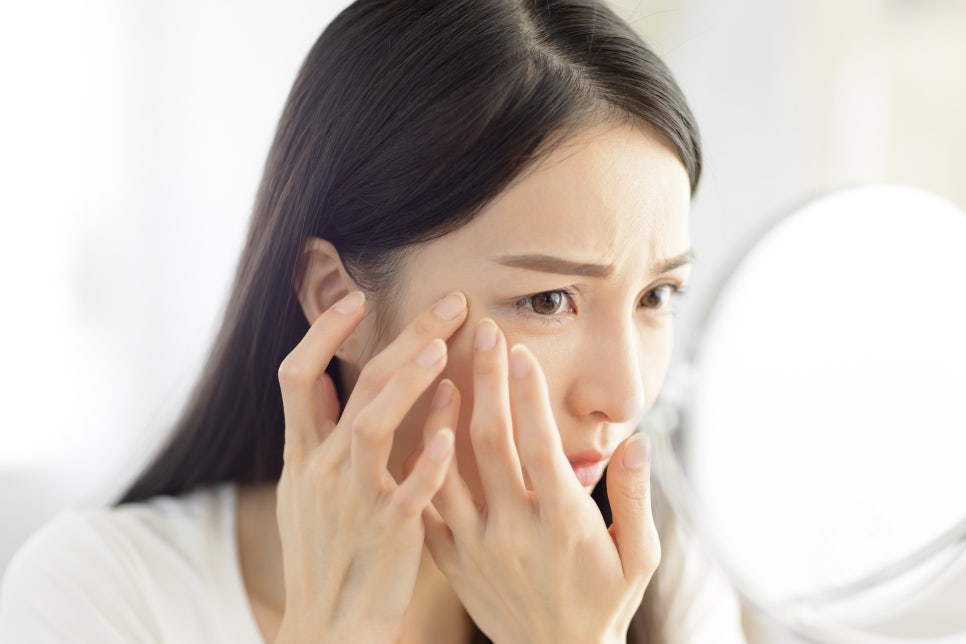
Can the threads snap after thread lifting?
One of the biggest concerns for people considering thread lifting is, “Will the threads snap?”
In the past, there were reports of threads snapping because the thread strength was low or the procedure method was less precise.
However, more than 20 years after thread lifting was introduced, the durability of the threads has improved greatly, and as procedure techniques have advanced, cases of threads snapping easily have become extremely rare.
That said, after the procedure, you may hear a ‘pop-pop’ sound inside the skin, but this is more likely a normal phenomenon that occurs as the threads settle into the skin tissue, rather than the threads snapping.
As the threads gradually unfold inside the skin and adhere to the tissue, this sound can occur, and in most cases it is a temporary reaction that does not cause any particular problem.
However, if the sound is accompanied by facial asymmetry or discomfort, it is a good idea to consult the clinic where you received the procedure.
Also, because the threads used for thread lifting naturally break down in the body after a certain period of time, it may not be that the threads have snapped, but rather that they are gradually dissolving and disappearing.
In other words, even if it feels as though the threads have snapped after thread lifting, it may simply be a natural process in which the threads are normally broken down while improving skin elasticity.
In conclusion, current thread lifting is designed so that the threads do not snap easily, and if post-procedure care is done properly, there is almost no need to worry about thread breakage.
Even if it feels like the threads have snapped, in most cases it is a natural phenomenon, so if you feel uneasy, the best option is to visit the clinic and receive an accurate diagnosis.

Thread lifting,
Why it should be done at a trustworthy clinic
Thread lifting is known as a relatively simple procedure, but to achieve the desired results, it is important where and by whom it is performed.
Because the process physically pulls on the tissue inside the skin, it is necessary not only to consider the anatomical structure of the face, but also to predict how the face will change in order to achieve natural and effective results.
Depending on where and how the threads are inserted, the procedure can change not only the lifting effect but also the overall facial contour.
Therefore, if too many threads are inserted without planning, or if excessive force is applied, the skin may be pulled unnaturally or the cheekbones may become more prominent, so special caution is needed.
Accordingly, thread lifting must be designed precisely by considering the individual’s face shape and skin elasticity, including where the threads are inserted and the direction of traction.
For this, we recommend that you receive a thorough consultation from a medical professional with sufficient experience and know-how, rather than simply following cost or trends.
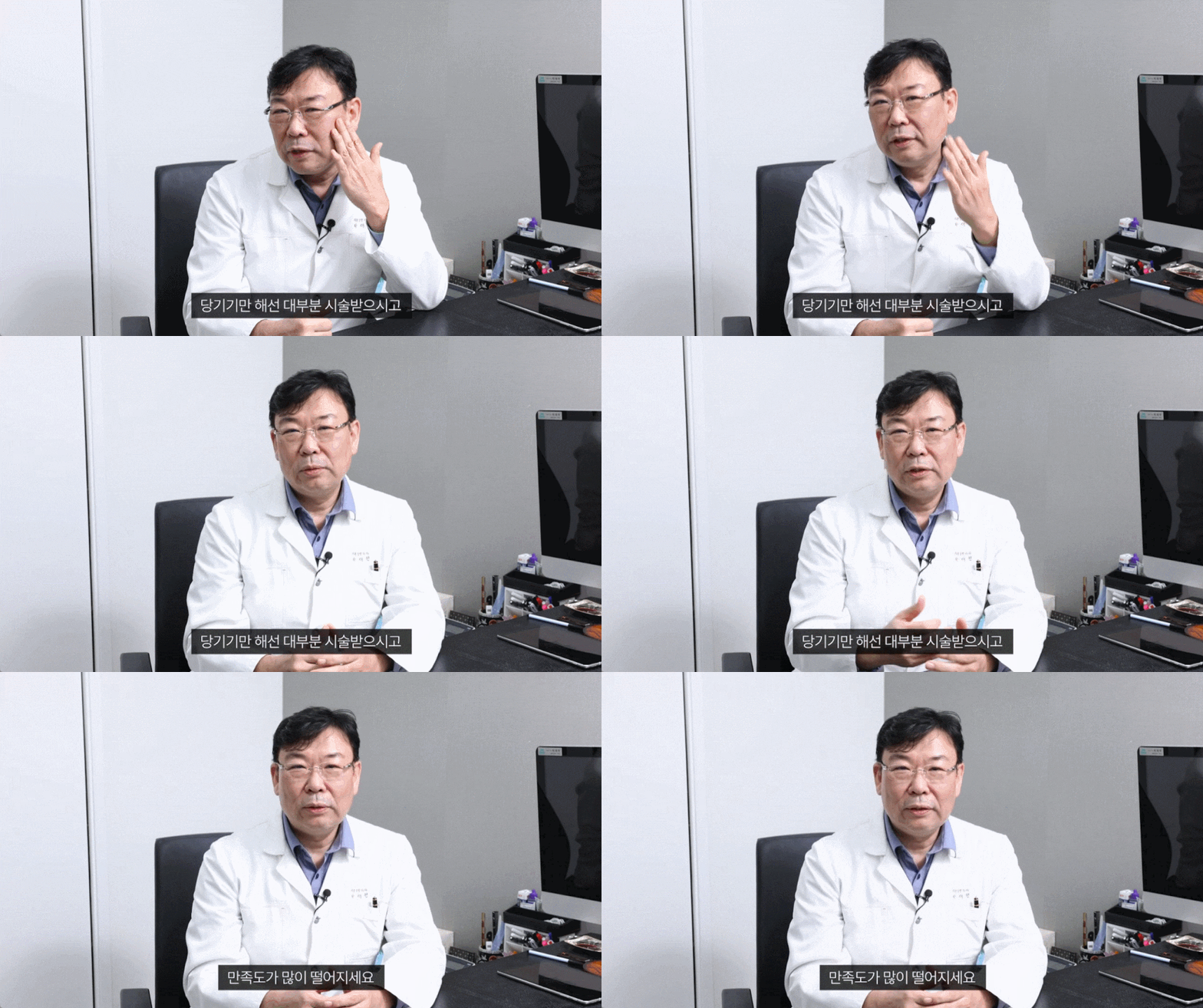
Thread lifting may look like a simple procedure, but it is a delicate treatment that requires consideration of facial anatomical structure.
Simply inserting more threads does not improve the result; what is needed is a design that fits the facial contour and skin condition.
After the procedure, proper care for a certain period of time is necessary so that the threads can settle stably within the skin.
Occasionally, you may hear a ‘pop-pop’ sound or feel as though the threads have snapped, but in most cases this occurs during the process of the threads settling normally, so there is no need to worry excessively.
However, if there are problems such as a collapse in facial contour or pain, please be sure to return to the clinic where you had the procedure and receive appropriate care.
Also, although thread lifting is a petit procedure, it requires precise technique from an experienced medical professional.
If the procedure is performed indiscriminately by a place with insufficient experience, the threads may not settle in the desired position inside the skin, resulting in minimal effect or unnatural results, so special caution is needed.
Therefore, if you are considering thread lifting, we recommend choosing a clinic with experienced medical professionals who have a strong understanding of facial anatomy rather than focusing on cost or trends.
Thank you for reading this long post.
| This post was written for informational purposes in compliance with Article 56, Paragraphs 1 to 15 of the Medical Service Act. All treatments carry a risk of side effects and complications depending on the individual. Please be sure to have sufficient consultation with an experienced medical professional before deciding on treatment. |