When we were younger, our cheeks were firm and our facial lines were clear, but as we age, the skin starts to sag downward and the contours become less defined.
Especially when cheek sagging becomes severe, nasolabial folds deepen, and the area below the mouth can droop heavily, creating what is often called bulldog jowls.
These changes are not caused only by a loss of surface skin elasticity; they are problems that occur as the internal structure of the skin changes with aging.
As collagen and elastin, which firmly support the skin from within, decrease, the skin loses its strength,
and the fat layer is also pulled downward by gravity.
As we get older, facial fat shifts from top to bottom, causing the deep cheek area to sag, bulldog jowls to form, or the jawline to collapse.
This is not simply a decline in skin elasticity, but a complex change that affects the facial bones, muscles, and fat layer as well.
Because of this, it is difficult to expect noticeable improvement with home care or cosmetics alone.

The principle behind cheek sagging lifting and improving elasticity
To improve this kind of cheek sagging, what is needed is not surface-level skin care, but a method that directly lifts and supports the internal structure of the skin.
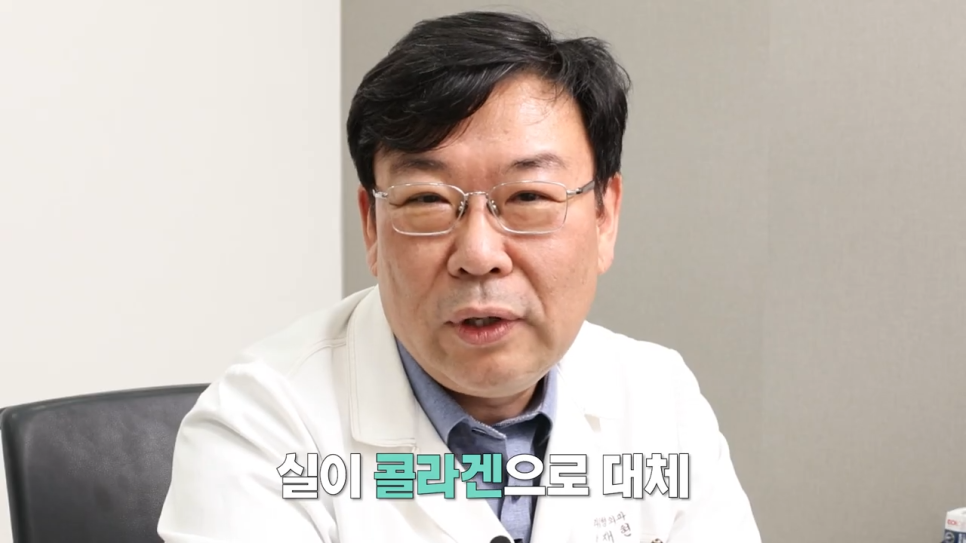
There are various methods, but among them, thread lifting is a non-surgical lifting procedure that inserts medical dissolvable threads into the skin to pull up sagging tissue and stimulate collagen production within the skin.
The biggest feature of thread lifting is that it can provide both immediate results and long-term improvement.
The inserted threads physically pull on the tissue inside the skin to create a lifting effect, and over time they also help induce collagen production and restore skin elasticity.
It does not end with simply pulling the skin to smooth wrinkles or lifting sagging skin; it can also help improve the skin from within.

Cheek sagging lifting
Why do people choose thread lifting?
The biggest reason thread lifting is loved by many people is that it makes effective lifting possible without surgery.
It lifts sagging skin and helps restore elasticity without cutting the skin or removing tissue.
As a result, it places less burden on the body than surgery and recovery tends to be faster.
Another major advantage of thread lifting is its relatively immediate lifting effect.
Right after the procedure, you can feel the skin being pulled, and when you look in the mirror, you can expect a quick change that is visible enough to confirm improved cheek sagging with your eyes.
As the inserted threads physically pull the tissue inside the skin, they effectively improve sagging cheek volume and create clearer contours.
Long-term elasticity improvement can also be expected.
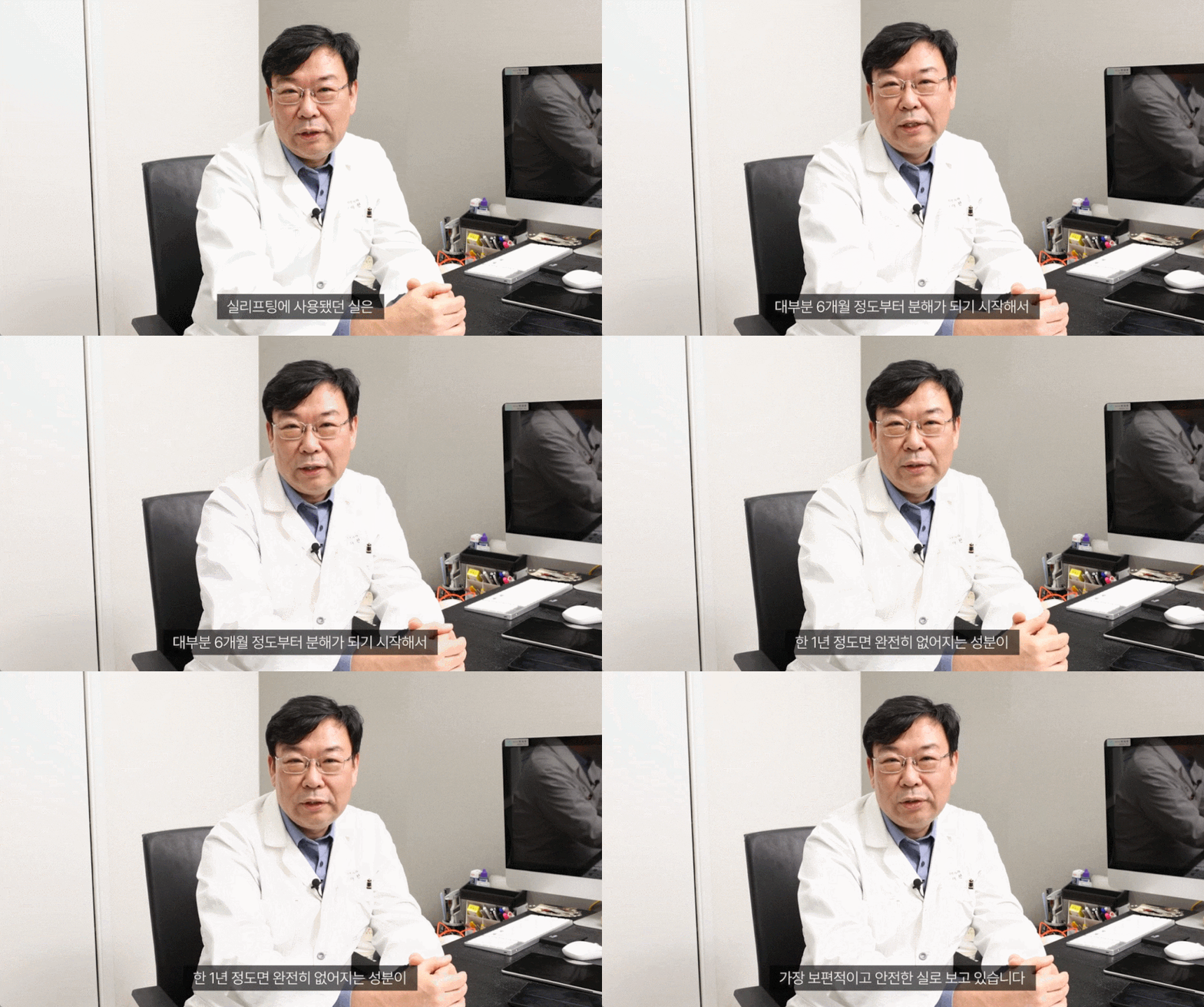
As the inserted threads gradually dissolve, new collagen is produced within the skin.
During this process, the skin regains elasticity on its own, so over time it improves into a firmer and healthier condition.
Rather than ending with a temporary lifting effect, another advantage of thread lifting is that it helps the skin build its own recovery ability and maintain a firm state.
Cheek sagging lifting
Points to watch and how to prevent side effects
Thread lifting is a procedure that requires a detailed analysis of the facial anatomical structure and a precise design tailored to each individual’s characteristics.
The thickness of the skin, the distribution of the fat layer, and muscle movement differ from person to person.
Even if the procedure is performed in the same way, the results can differ.
Therefore, the type, number, insertion direction, and depth of the threads should be adjusted while considering the overall balance of the face.
If these differences are not properly diagnosed and the procedure is performed in a one-size-fits-all manner, problems can occur.
Incorrect thread placement or excessive pulling increases the likelihood of side effects.
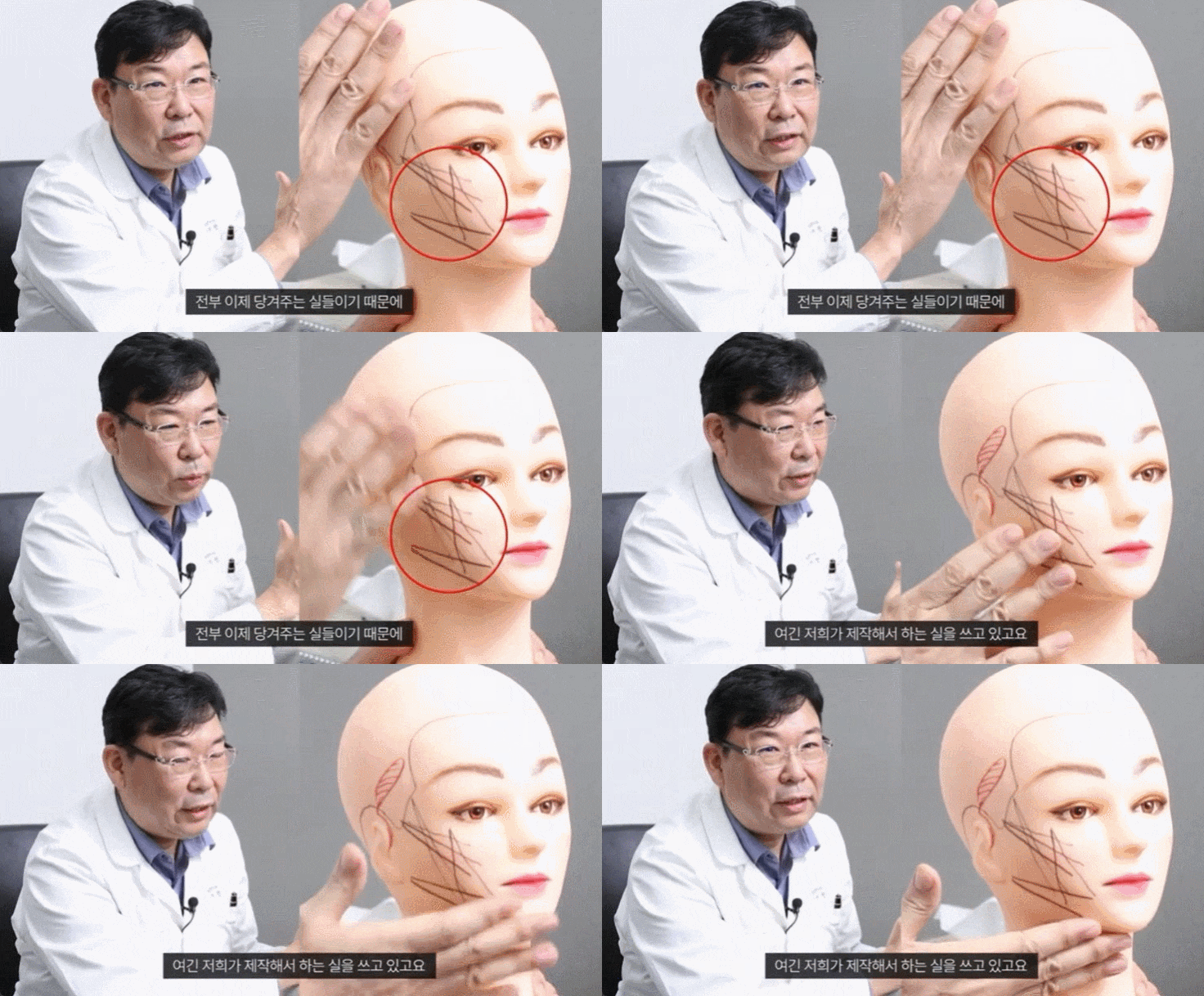
For example, thread lifting is generally performed by using a single thread to pull upward.
When the thread is pulled in this I-shaped manner, fat may gather too much in one area, or the force holding the tissue may be insufficient.
Because of this, the cheekbones may appear larger and the face may look wider, or the cheek sagging may return even though the threads are still inside the skin.
Also, if thread lifting is forced on thin skin, the bluish PDO threads may become visible through the surface, or they may be felt to the touch.
To prevent these side effects, the skill of the medical staff and precise planning are necessary.
Rather than focusing only on pulling up sagging skin, the procedure must be carefully adjusted with the facial contour in mind.
Therefore, for thread lifting, it is important to consult thoroughly with an experienced medical professional and choose the method optimized for each individual.
Even if it is not thread lifting, effective lifting still requires a careful diagnosis, precise design, and meticulous procedure by experienced medical staff.
If you want safe and natural-looking lifting, we strongly recommend finding the optimal method for you through sufficient consultation.
Thank you for reading this long post.
| This post was written for informational purposes in compliance with Article 56, Paragraphs 1 to 15 of the Medical Service Act. All treatments carry the risk of side effects and complications depending on the individual. Before treatment, please be sure to make a decision only after having sufficient consultation with experienced medical professionals. |