When consulting with people about thread lifting,
"Doesn’t pulling it tighter make it look prettier?"
Some people ask that, but on the other hand,
"What if it looks awkward because it’s pulled too tightly?"
"I hope it looks natural without being noticeable."
Many people are also worried like that.
There are many people who hesitate because they worry that their cheekbones may look too prominent, the corners of their mouth may look strangely lifted, or only certain areas may be pulled too much, making their expression look awkward, almost as if they are wearing a mask.
Thread lifting has the appeal of relatively fast results and a short recovery period, but because it directly pulls the face, these concerns are natural.
 What Is Thread Lifting?
Thread lifting is a non-surgical lifting procedure in which medical dissolvable threads are inserted under the skin without making an incision, pulling and supporting sagging tissue.
From the moment the threads are inserted, the skin can feel an immediate lifting effect,
after which, as the threads gradually dissolve in the body, collagen production is stimulated and the skin’s elasticity can be expected to recover.
This procedure is often recommended for people concerned about sagging cheeks, nasolabial folds, lines around the mouth, or a weakened jawline.
Because thread lifting allows for precise design of the thread type, insertion position, and pulling direction, it has the advantage of enabling a customized lift.
However, that also means each person’s facial features and skin condition must be properly evaluated, and the procedure must be performed delicately according to those findings.
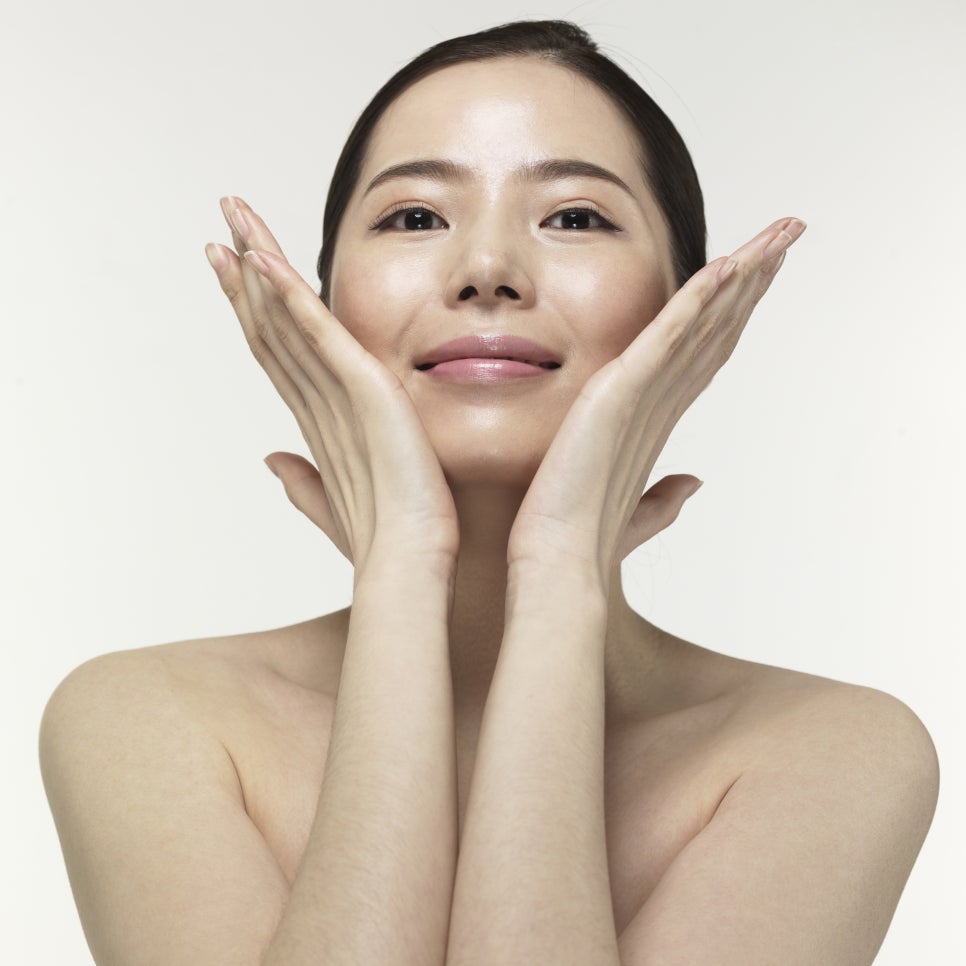
A Balanced Design Is Important.
Thread lifting is a non-surgical procedure in which medical threads are inserted into the skin to lift sagging tissue without making an incision.
Its purpose is to adjust facial contours by controlling the direction of the threads and the pulling force, and to improve volume loss and sagging that occur with age.
However, if the procedure is performed incorrectly and the force is concentrated on only one side, or a specific area is pulled too much, the face can become asymmetrical or develop unnatural expressions.
These side effects usually occur when the design for the thread direction, insertion depth, spacing between threads, and anchor points is not precise enough.
Since the face is not a flat surface but a three-dimensional structure that moves in many directions, pulling only one area strongly can disrupt the overall harmony and make it look awkward.
In particular, areas such as around the mouth, the cheekbones, and the jawline change frequently with facial expressions and draw a lot of attention, so they require an even more careful approach.
That is why the most important point in thread lifting is not simply “lifting it up,” but designing it precisely while considering the face’s proportions and movements.
If this process is skipped and the procedure is done with a simple “it’s sagging, so let’s lift it” approach, you may end up feeling bewildered by an unfamiliar face rather than getting the result you wanted.
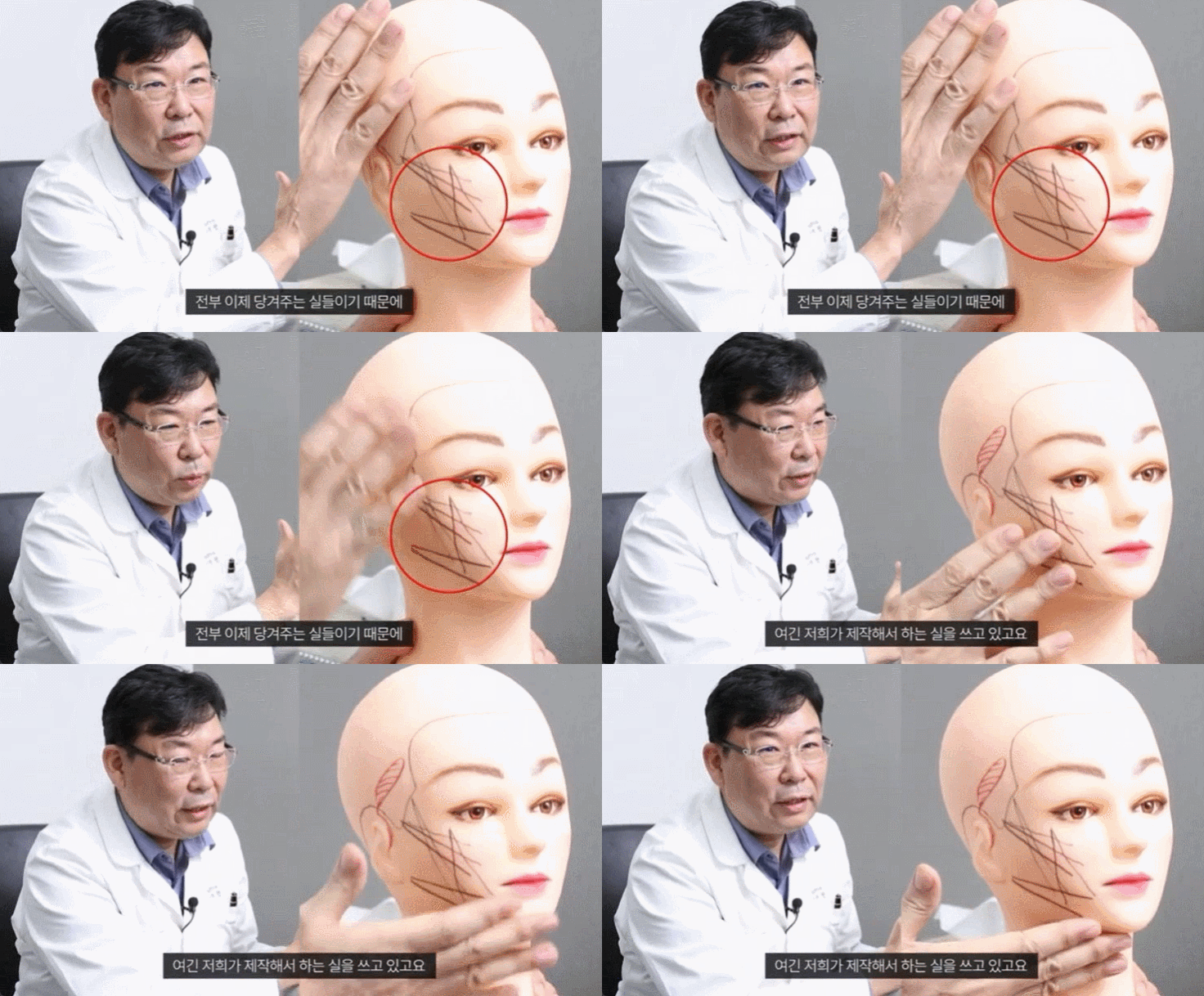
If You Want a Natural Look?
The naturalness of thread lifting depends less on how it looks right after the procedure and more on how it settles into the face over time.
The ideal process is for the threads to slowly dissolve inside the skin, induce collagen production, and for the tissue to respond by restoring overall volume and elasticity.
Through these changes, the face creates an impression of gradually improving rather than suddenly changing.
However, this process does not happen simply because the threads are inserted well.
It must be supported by medical staff who can read facial movement, experience in accurately identifying the anatomical points where the threads anchor, and design skills that take into account each person’s facial elasticity, thickness, and fat distribution.
Only when such precise planning comes first is it possible to achieve a lift that naturally and harmoniously restores the face.
Post-procedure care is also an important factor.
Avoid excessive massage or overly strong facial movements, and follow the moisturizing and sun protection care instructions provided by the clinic.
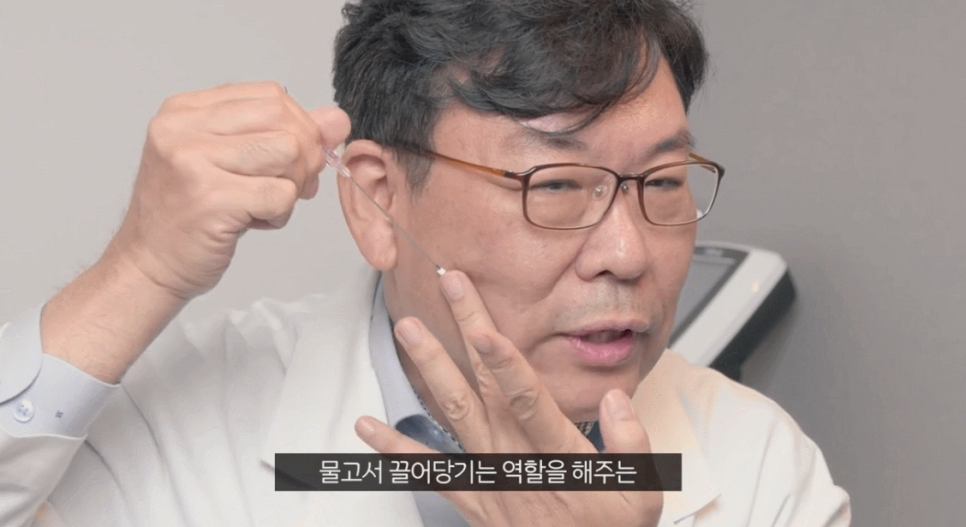 Thread lifting may look like a simple procedure on the surface, but in reality it is a high-difficulty treatment that deals with the complex and sensitive structure of the face.
If you are considering thread lifting and feel thoughts such as
“What if it looks too obvious?”,
or “I’m worried my expression will look awkward,”
then we recommend choosing a clinic that understands these patient concerns and listens carefully to your worries.
Also, you should proceed only after receiving 충분한 consultation from a place that can carefully analyze your facial structure and movements so you can achieve the result you want.
Thank you for reading.
| This post was written for informational purposes in compliance with Article 56, Paragraphs 1 to 15 of the Medical Service Act. All treatments carry the risk of side effects and complications depending on the individual. Before treatment, be sure to make a decision only after having sufficient consultation with experienced medical staff. |