Skin begins to age gradually from the mid-20s, but when you reach your 60s, the changes become clearly visible on the outside.
Areas with thinner skin, such as around the eyes and along the jawline, easily lose elasticity, and the cheeks below the cheekbones gradually sag downward.
As a result, nasolabial folds deepen and marionette lines appear below the mouth, creating major changes on the skin’s surface.
This is not simply a matter of wrinkles; it is the result of the tissues that supported the face collapsing downward.
Inside the skin, fat and fascia are layered in multiple levels,
and as we age, those tissues slowly descend in the direction of gravity.
Especially after the 60s, these changes become faster and more noticeable.

That is why many people look into lifting surgeries such as a facelift.
Surgical methods such as a facelift work by making an incision in the skin, pulling it tight, and going into the deeper tissues to secure them again, so they can offer a certain degree of reliable results.
However, surgery is not an easy choice.
Concerns about scars, the time needed for recovery, and fears about anesthesia or side effects are all real, and many people who consider surgery end up saying,
"It feels burdensome and makes me hesitate."
If surgery feels too burdensome, I recommend thread lifting, which can lift the skin without making an incision.
Thread lifting is a procedure that inserts medical threads into the skin to physically lift sagging tissue.
It can provide a lifting effect to a certain extent without an incision, making it a relatively practical alternative for those who feel burdened by surgery.

What Is Thread Lifting?
Thread lifting is a procedure in which specially made medical threads are inserted into the skin to pull up sagging tissue and create a lifting effect.
Because it physically pulls up sagging areas without cutting the skin, relatively quick results can be achieved.
Since the procedure does not involve surgery, return to daily life is also relatively fast.
In addition, the threads used in the procedure are "dissolvable threads," which are absorbed and disappear naturally in the body over time.
In the process, they can stimulate collagen production and help improve elasticity.
However, after your 60s, you need to be especially careful when considering thread lifting.
After the 60s, the supporting strength of the skin tissue is weakened, so more delicate diagnosis and planning are necessary.
The position and direction where sagging has begun, facial shape, and skin thickness should all be considered, and after comprehensively determining in which direction the threads should apply force and how they should be fixed, the procedure should be performed to achieve natural and long-lasting results.
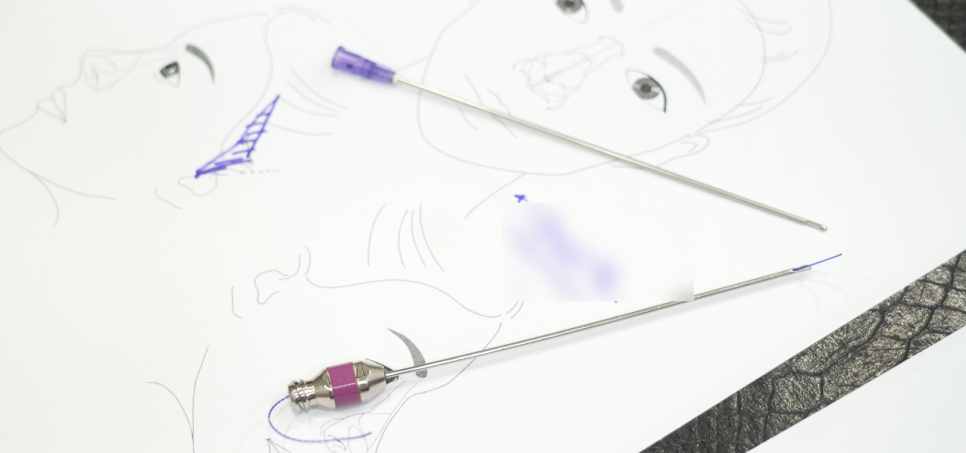
Types of Threads Used in Thread Lifting
The threads used in thread lifting are usually "dissolvable threads" and are naturally absorbed in the body after a certain period of time.
In this process, they stimulate the surrounding tissue and encourage collagen production.
Depending on the material, these threads are generally divided into PDO, PLLA, and PCL.
PDO threads are the most common and are absorbed in the body after around 6 months.
They cause relatively little tissue stimulation and provide strong lifting force, making them especially suitable for people trying thread lifting for the first time or for people in their 60s with sensitive skin.
PLLA is excellent at stimulating tissue and promoting collagen production.
Its duration is also relatively long, around one year.
However, caution is needed for sensitive skin, so please make sure to receive sufficient consultation before deciding on the procedure.
PCL is a thread that lasts for an average of more than 2 years, with a gentle tissue response and strong durability.
However, the thread itself is firm and thick, so it can actually be burdensome for people in their 60s with thin skin or little fat.
As such, each type of thread has its own strengths and weaknesses.
A good thread does not automatically mean a good result, so it is important to properly diagnose your current facial condition first and then choose the thread that suits you.
Also, even with the same thread, the outcome varies depending on who performs the procedure and how it is performed, so choosing the medical staff who will carry out the procedure should also be done carefully.
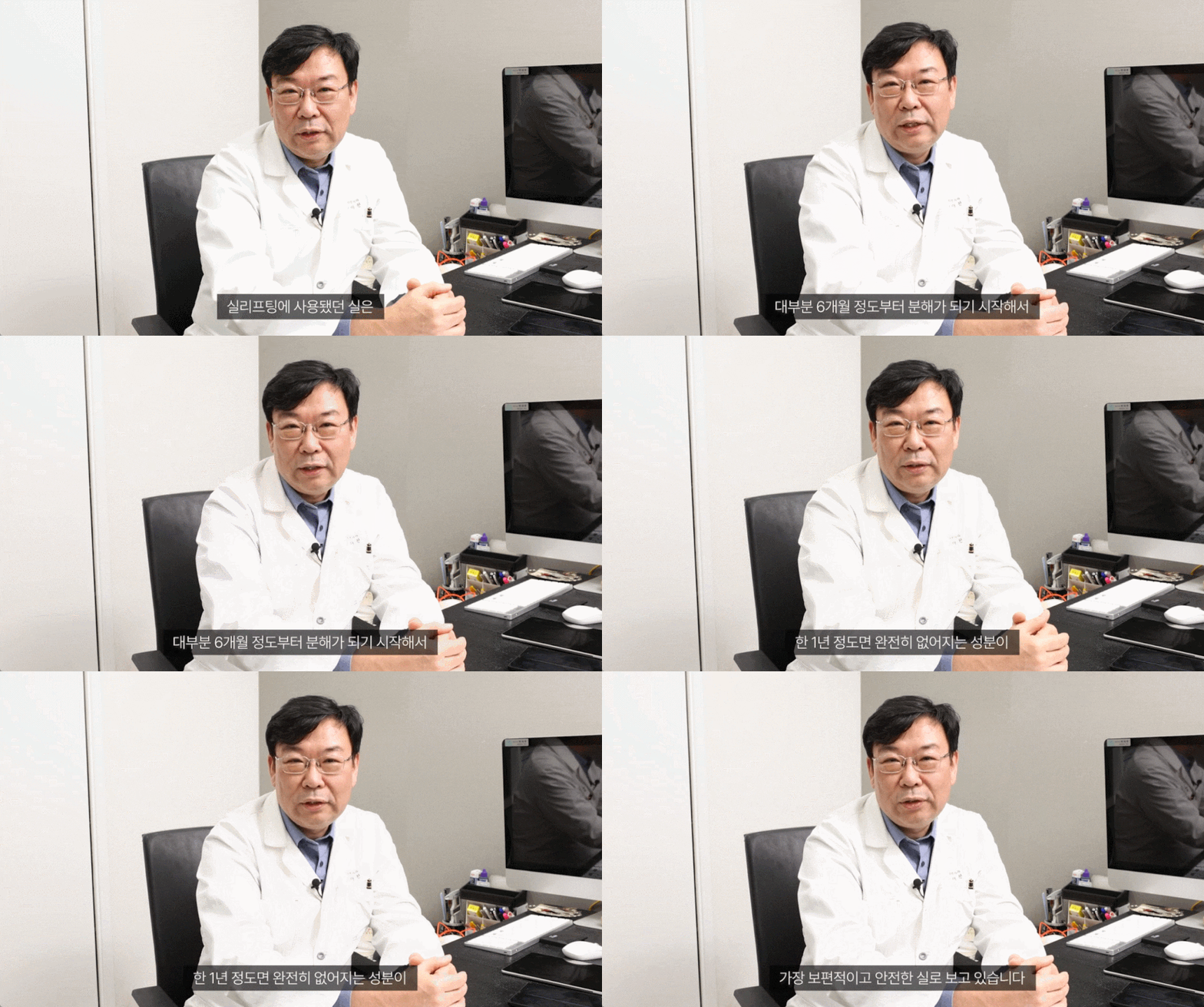 Thread lifting may look simple, but it is a procedure that affects the internal structure of the face.
Especially in your 60s, not only skin elasticity but also the overall support strength of the tissue is weakened.
Therefore, if everything from the position of the threads, depth, pulling direction, and method of force distribution is not precisely designed, problems such as asymmetry or uneven results are highly likely to occur.
If the threads are inserted too superficially, marks may remain on the skin surface or the threads may become visible. If they are inserted too deeply, the lifting effect may not be transmitted to the skin surface, resulting in a weaker outcome.
If excessive force is applied in only one direction, one side of the face may be pulled over time, or the movement of the corners of the mouth or jawline may become unnatural, so please be especially careful.
To prevent such side effects, the face should not be seen simply as "the place where wrinkles are," but rather the causes and direction of sagging should also be interpreted.
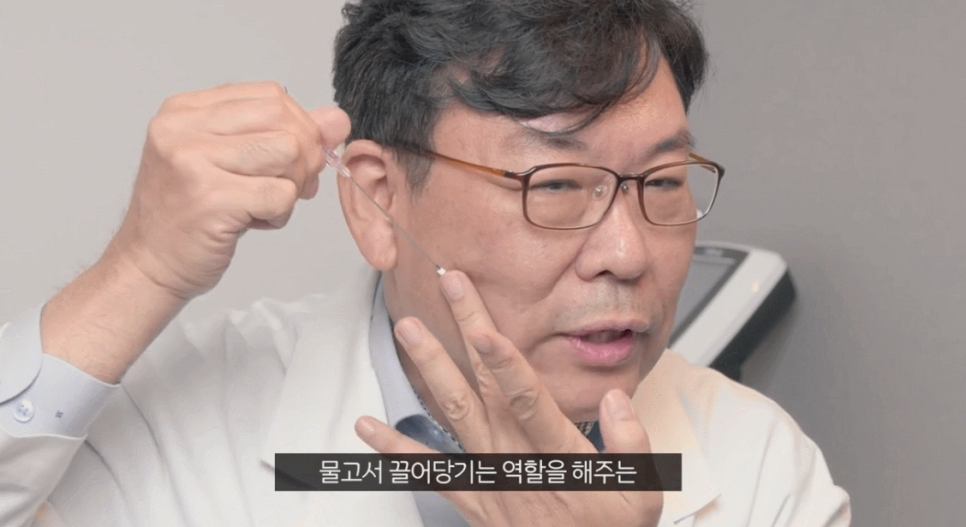
In addition, it is necessary to design not only the position of each individual thread but also to predict and analyze what kind of structure will be created when those threads work together.
If you are considering lifting in your 60s, please choose a place that carefully diagnoses and designs your face before performing the procedure.
For this, please make sure to receive sufficient consultation from medical staff with extensive procedure experience and a deep understanding of human anatomy before proceeding.
Thank you for reading this long post.
| This post was written for informational purposes in compliance with Article 56, Paragraph 1 through 15 of the Medical Service Act. All treatments carry the risk of side effects and complications depending on the individual. Before treatment, please be sure to have a thorough consultation with experienced medical staff before making your decision. |