As you age, collagen in the skin decreases, and fat and muscle start to sag downward, leading to changes such as loss of contour along the cheeks, below the corners of the mouth, and the jawline.
In fact, after your 30s and 40s, nasolabial folds deepen and lines below the mouth become more pronounced, noticeably changing your overall appearance.
At this point, thread lifting is one of the procedures that can improve these changes by physically lifting sagging tissue.
However, there are many factors to consider if you are deciding based only on the expectation of a quick improvement.
Thread lifting involves physically pulling the skin tissue, so it should be performed according to a plan after a careful examination by medical staff with a strong understanding of human anatomy.
This is because the result varies depending on where the threads are inserted, the direction of pulling, and the amount of force used.
Because it affects the face's appearance and balance after the procedure, it should be performed by medical staff who understand that even small differences can lead to major results.
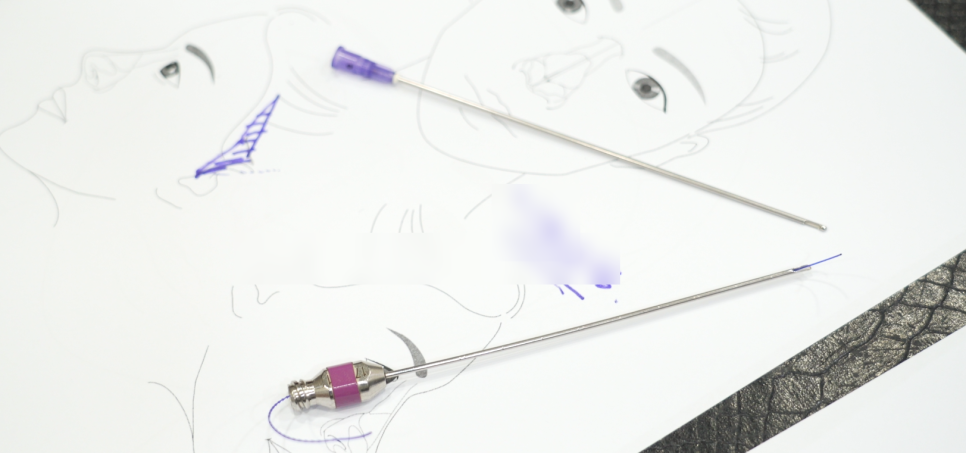
Do you know the principles and types of thread lifting accurately?
Thread lifting is a procedure that inserts specially made medical threads deep into the skin to physically pull up sagging tissue.
The threads used are classified by material and shape into PDO, PLLA, PCL, and others, and each has different characteristics, duration, and effects.
The choice of thread type should be determined by skin thickness, the degree of sagging, and the desired strength of the effect.
A longer duration is not always better; the choice should vary depending on your current skin condition and purpose.
The effects of thread lifting are divided into an immediate "lifting effect" and a gradual "improvement in elasticity."
The threads physically pull the skin tissue to create a lifting effect, and as the inserted threads gradually dissolve and disappear, they stimulate the surrounding skin tissue, generating collagen and improving elasticity.
A balance between these two effects is necessary to achieve natural and satisfying results.
To do this, it is important to make a careful diagnosis before the procedure and establish a plan through sufficient consultation,
and the procedure itself must also be performed with precision.
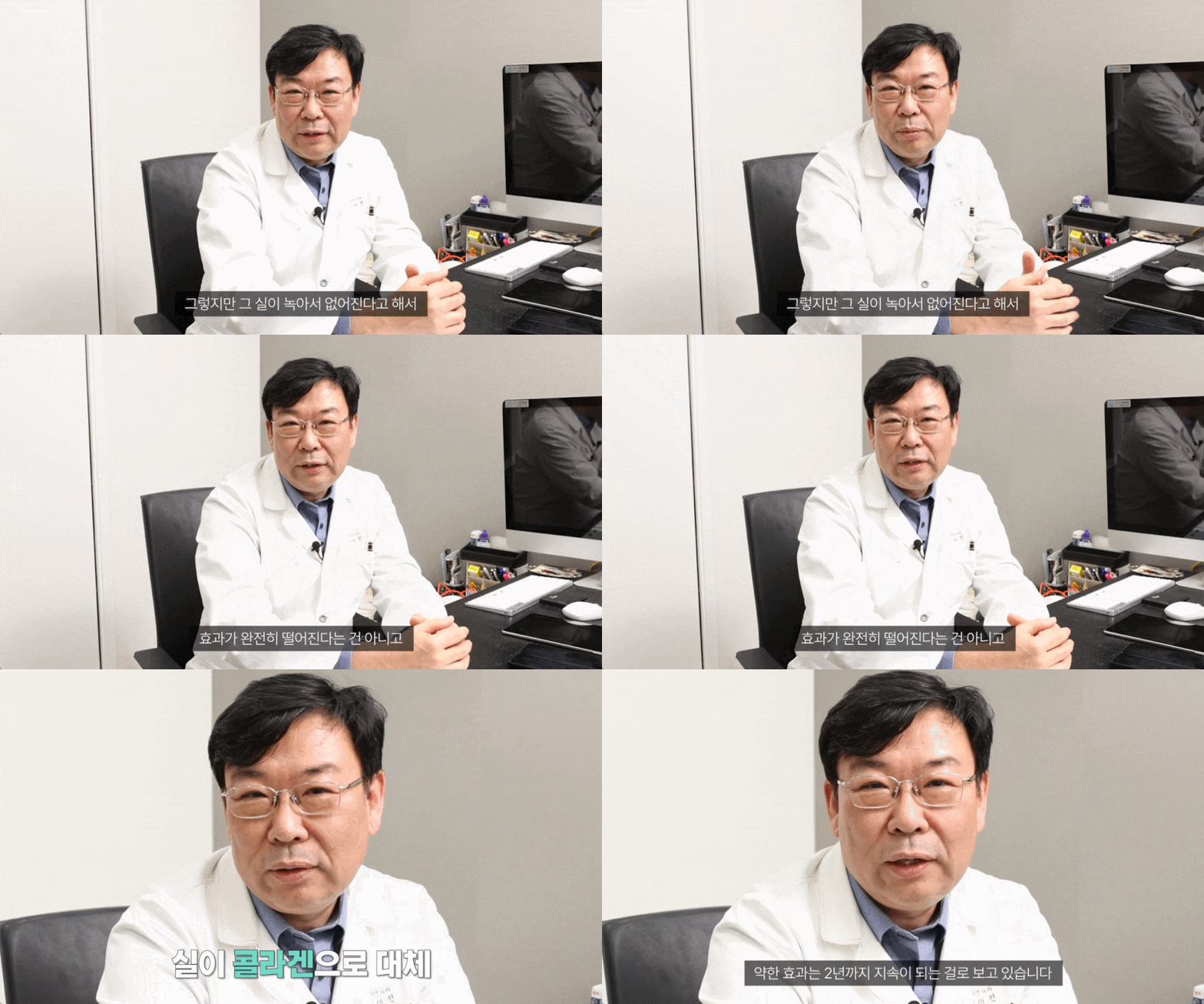
Please be sure to check before the procedure!
Thread lifting is known as a relatively safe procedure.
However, as with all medical procedures, the risk of side effects and complications cannot be completely ruled out.
The most common side effects are swelling, bruising, and pain at the treatment area.
These are usually temporary and normal reactions, so there is no need to worry too much.
However, if bruising lasts too long or severe pain is felt, please be sure to visit the medical facility where you received the procedure to find the cause.
If the thread placement or direction is inappropriate, facial expressions may become unnatural or asymmetry may occur.
This is not just a cosmetic issue; it can interfere with daily life and cause stress, so special caution is needed.
Therefore, if you are considering the procedure, be sure to check the medical staff's experience and skill, as well as what response system they have in place if side effects occur.
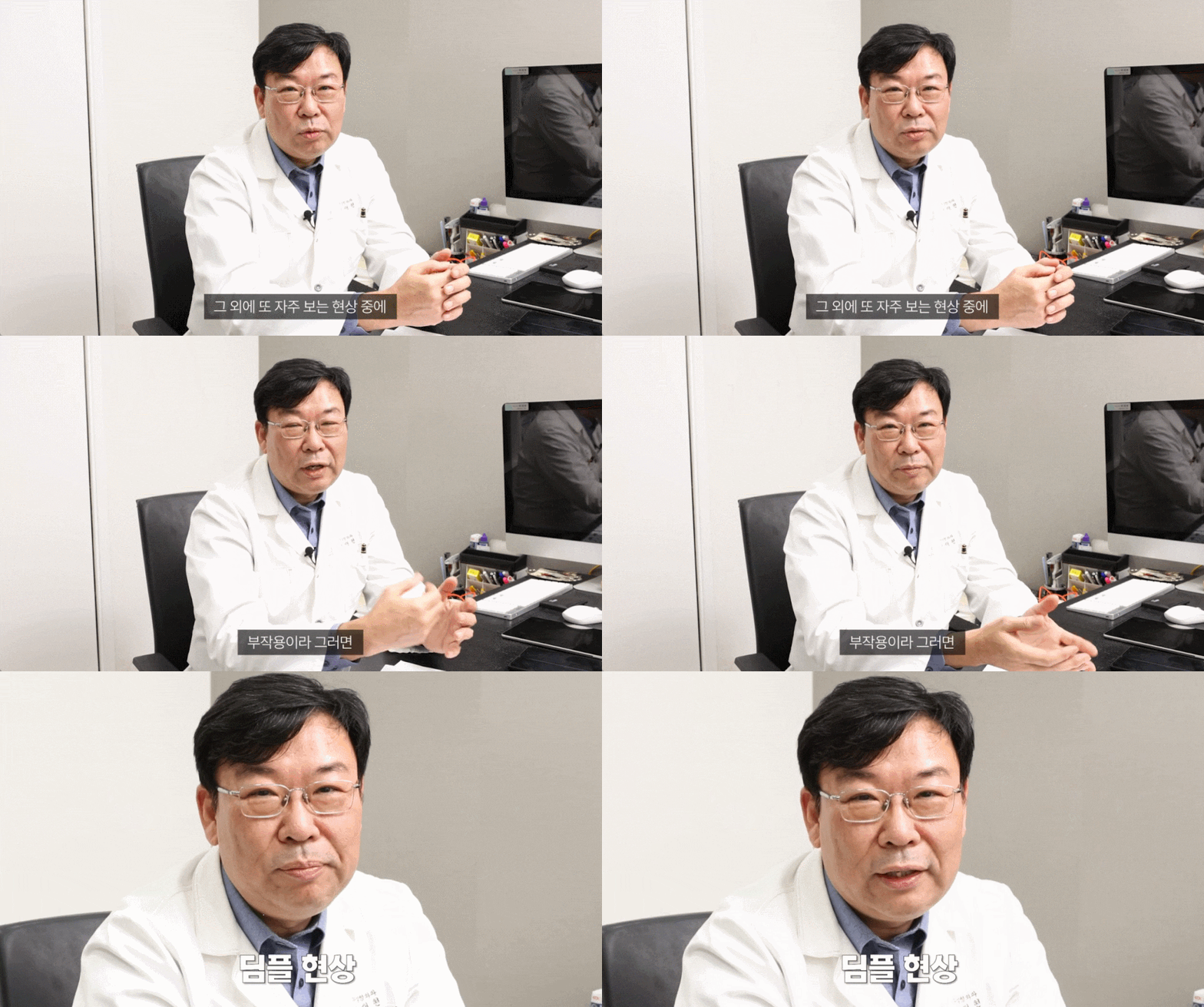
Thread lifting precautions
Thread lifting also requires post-procedure care.
In particular, for about two weeks immediately after the procedure, the threads need time to settle in, so extra care is needed.
You should absolutely avoid actions that place excessive stimulation or pressure on the treatment area, as this may shift the threads or distort their shape.
Also, avoid washing with hot water or exposure to high temperatures such as saunas, steam rooms, and hot springs.
This can worsen swelling and bleeding caused by blood vessel dilation.
When sleeping, take care not to press the treatment area against the pillow, and it is best to sleep flat on your back if possible.
Exercise and strenuous activity should also be limited for the first two weeks.
Please be especially careful with movements that bend the head downward, such as yoga or Pilates, lifting heavy objects, and intense aerobic exercise, as these can raise blood pressure and apply pressure to the treatment area, potentially causing the threads to shift or bleeding to occur.
In general, for the first week after the procedure, only light daily activities are recommended, and regular exercise should be started gradually after two weeks.
Dental treatment or other facial procedures are safest if performed at least four weeks later, to allow enough time for the threads to become fully stable.

If you are considering thread lifting because your skin has loosened and your face has sagged with age, please make sure you fully understand the points mentioned above and choose carefully.
Thank you for reading this long post.
| This post was written for informational purposes in compliance with Article 56, Paragraph 1 through Paragraph 15 of the Medical Service Act. All treatments carry the risk of side effects and complications depending on the individual. Before treatment, please be sure to make a sufficient consultation with experienced medical staff before making your decision. |