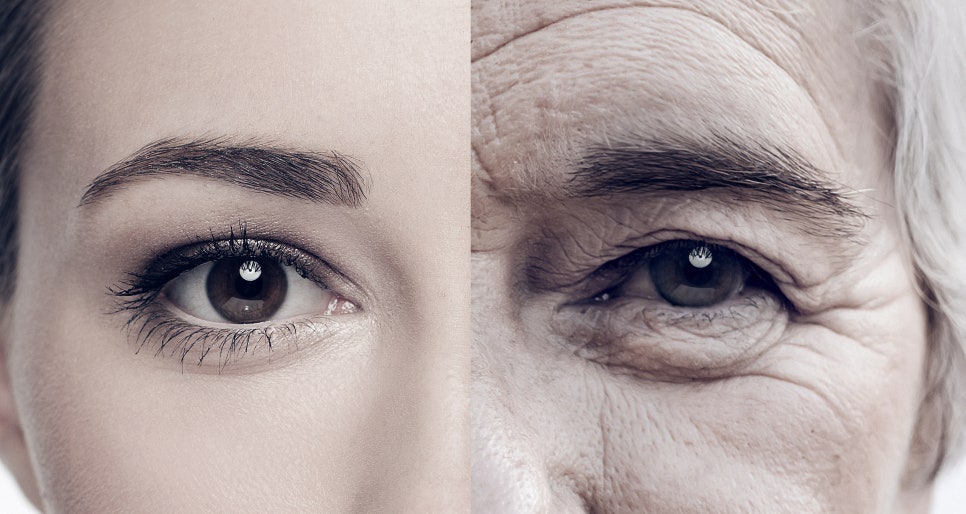
“Doctor, when I look in the mirror, I feel like my face isn’t the same as before. It’s not that anything has changed dramatically, but overall I look a bit tired… and people keep telling me I look older.”
When you look in the mirror, there are moments when your face suddenly feels unfamiliar.
Even though you are clearly making the same expressions as before, you no longer look as bright as you used to, and for some reason you seem heavy and tired.
Many people initially brush it off, thinking, “Am I just tired?” But as the nasolabial folds deepen, the cheeks begin to sag, and the area around the mouth starts to look heavy, they gradually come to realize the reality of aging.
The area where these changes are especially noticeable is the “midface.”
From under the eyes to the area around the mouth—in other words, the center of the face—this region loses elasticity and volume with age, becoming a major factor that changes one’s appearance.
When the midface changes, the three-dimensional balance and harmony of the entire face collapse, so it can be said to be the first area to address for those hoping to regain a youthful impression.
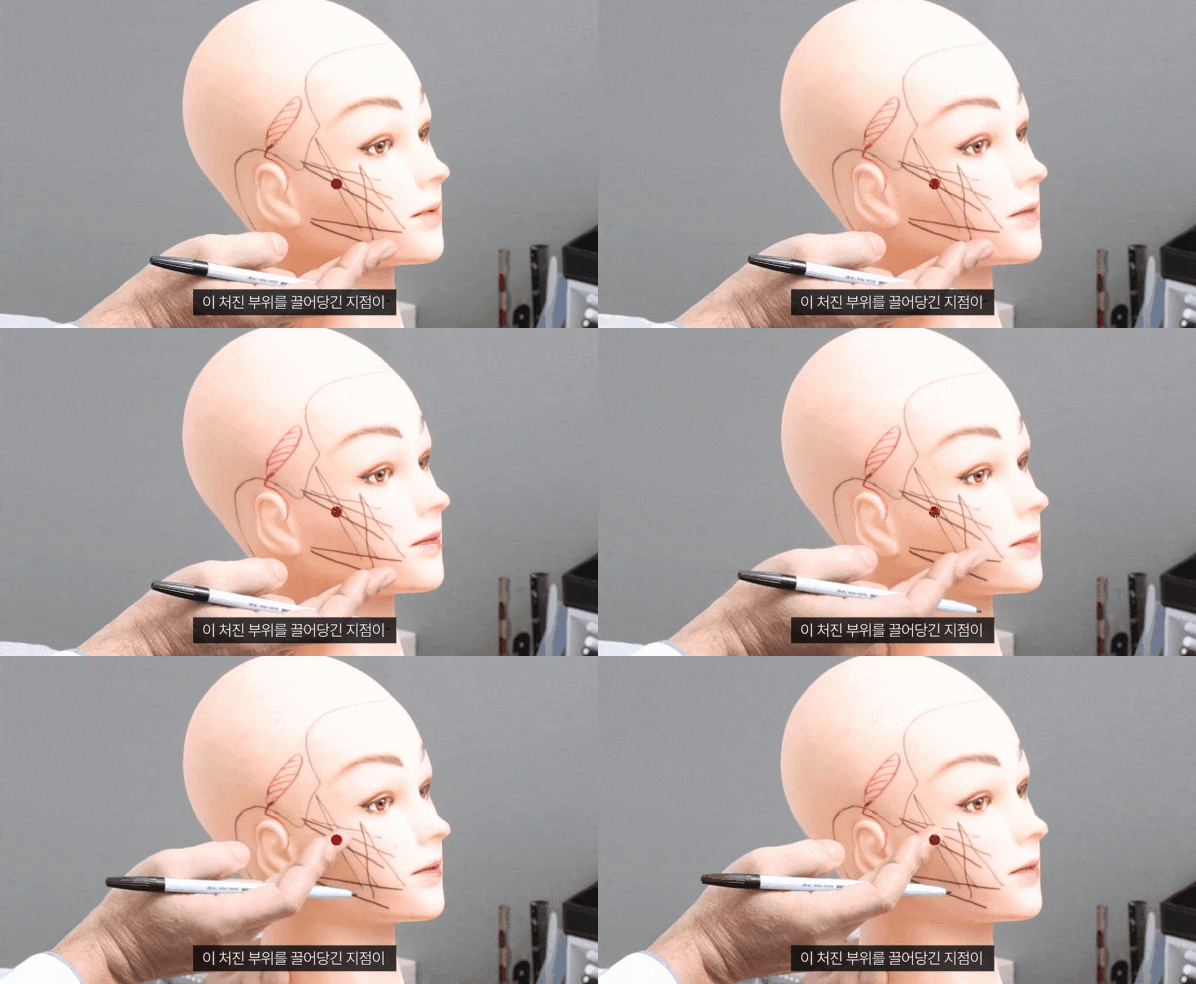
Why is the midface important?
The midface is the part of the face that stands out first.
This is because the eyes, nose, and mouth—where people’s gaze tends to linger the longest—are located in this area.
However, changes in the midface are not simply a matter of the “skin.”
As aging progresses, collagen and elastin beneath the skin decrease, and the supporting fat layer begins to sag downward under gravity.
In particular, the deep cheek fat in the midface can no longer withstand its weight as time passes and begins to move down below the jawline.
As a result, the center of the face sags downward, giving a heavy impression, deepening the nasolabial folds, and making the area around the mouth bulge like jowls.
These changes go beyond simply altering appearance; they change the overall impression and even affect how age is perceived.
As the face shifts from a bright, clear impression to a heavy, tired one, it often affects confidence as well.
At times like this, the most effective solution is midface thread lifting.
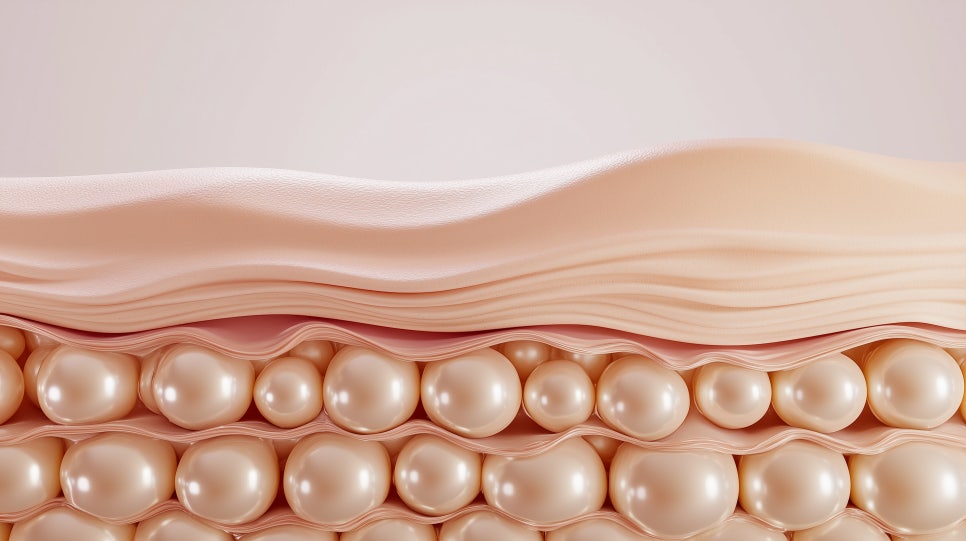
What is midface thread lifting?
Midface thread lifting is a procedure in which special medical threads are inserted into the skin to pull up and secure sagging tissue in order to improve changes such as hollow cheeks, nasolabial folds, and sagging deep cheek fat.
Over time, these threads are naturally absorbed by the body, and at the same time, they help stimulate collagen production, offering the dual benefit of restoring skin elasticity as well.
It can be performed with local anesthesia only, without incisions or general anesthesia, and the recovery period is short, making it less burdensome for people with busy daily lives.
In the past, the midface could only be improved through facelift surgery, but now it can be enhanced naturally with a relatively simple method called thread lifting.
■ RIBBON Plastic Surgery’s 3-step midface thread lifting
The midface is an anatomically complex and sensitive area.
Simply inserting threads and “pulling” can instead cause side effects or lead to problems such as asymmetry or a more prominent cheekbone appearance.
At RIBBON Plastic Surgery, to prevent these issues, we perform midface thread lifting in the following three steps.
Step 1: Restoring volume to hollow cheeks
The hollowing of the midface is not simply a result of skin sagging, but a problem caused by loss of volume.
By precisely inserting special threads into the areas that have lost volume, we restore three-dimensional contour. This creates a softer, more youthful overall impression without disrupting the facial outline.
Step 2: Fine-adjustment lifting
It does not end with simply adding volume.
We gently lift subtly sagging areas such as the nasolabial folds, below the cheekbones, and the deep cheek area.
Step 3: Fixation and strengthening durability
The final step is a process for “durability.”
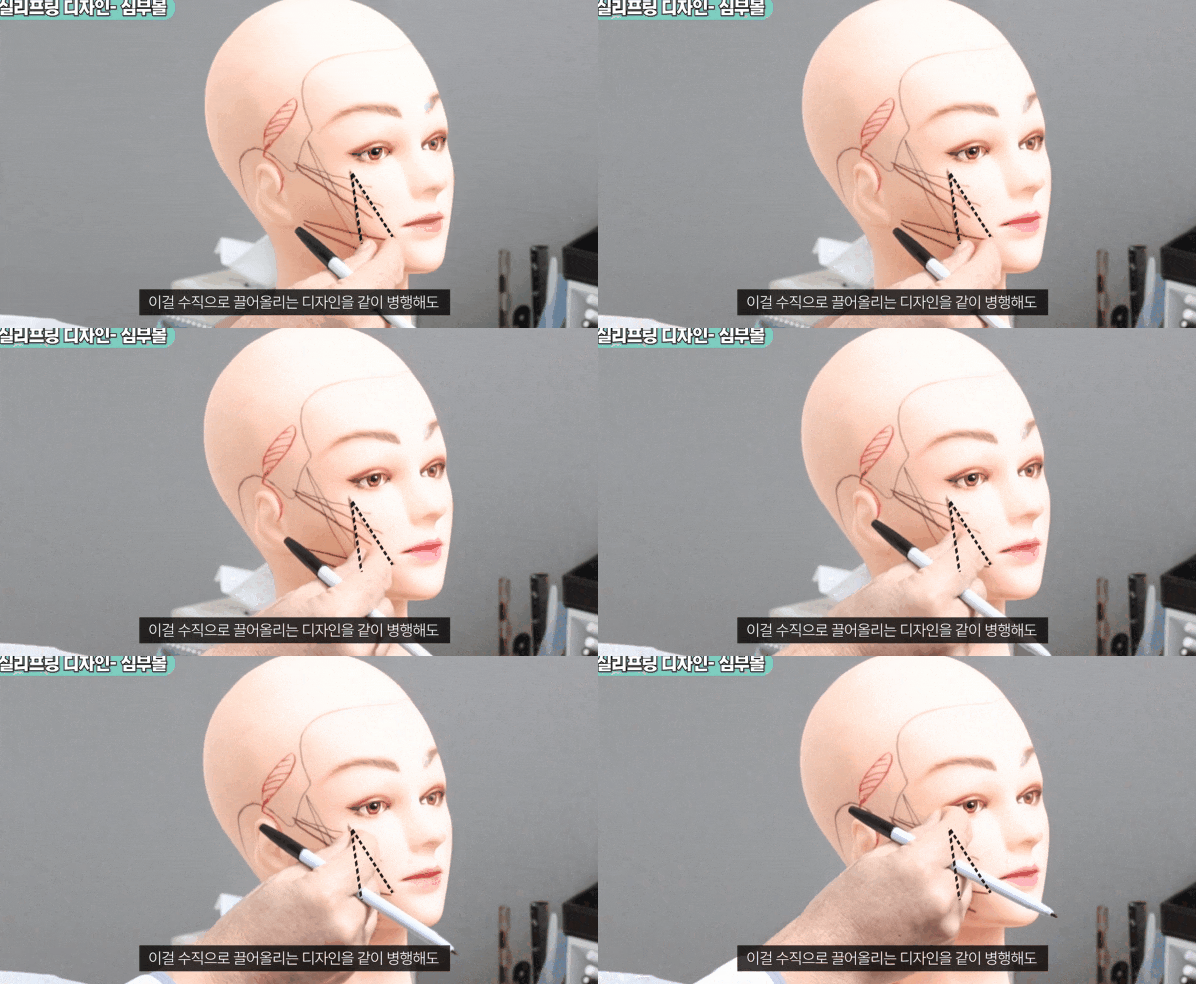
No matter how well it is lifted, it is useless if it quickly loosens again. For this reason, we place the threads in a tripod structure to secure the skin three-dimensionally.
Because the force is distributed rather than concentrated in one area, side effects such as overly prominent cheekbones or a broad, flat-looking face can be prevented.

■ Midface thread lifting is recommended for the following people
| - Those whose nasolabial folds have deepened and who look older - Those whose cheeks have sagged and whose jawline has lost definition - Those whose mouth area looks puffy and heavy like jowls, giving a tired impression - Those who feel surgery is burdensome and want a quick recovery - Those who want a natural yet dramatic lifting effect |
In particular, from the late 30s to the early 50s, aging accelerates and the visible changes become more pronounced, making this an age group with a very high satisfaction rate for midface thread lifting.
Precautions after the procedure
The midface generally recovers relatively quickly, but it takes time for the threads to settle into place. For 1 to 2 weeks after the procedure, the following precautions are necessary.
| - Please avoid making large facial expressions, laughing strongly, and eating hot foods. - Please refrain from saunas, strenuous exercise, and drinking alcohol for 2 weeks. - After thread lifting, the skin becomes more sensitive, so sun protection and moisturizing are essential. - During this period, excessive stimulation may cause the threads to move or become unstable in position, which can interfere with the desired effect. |
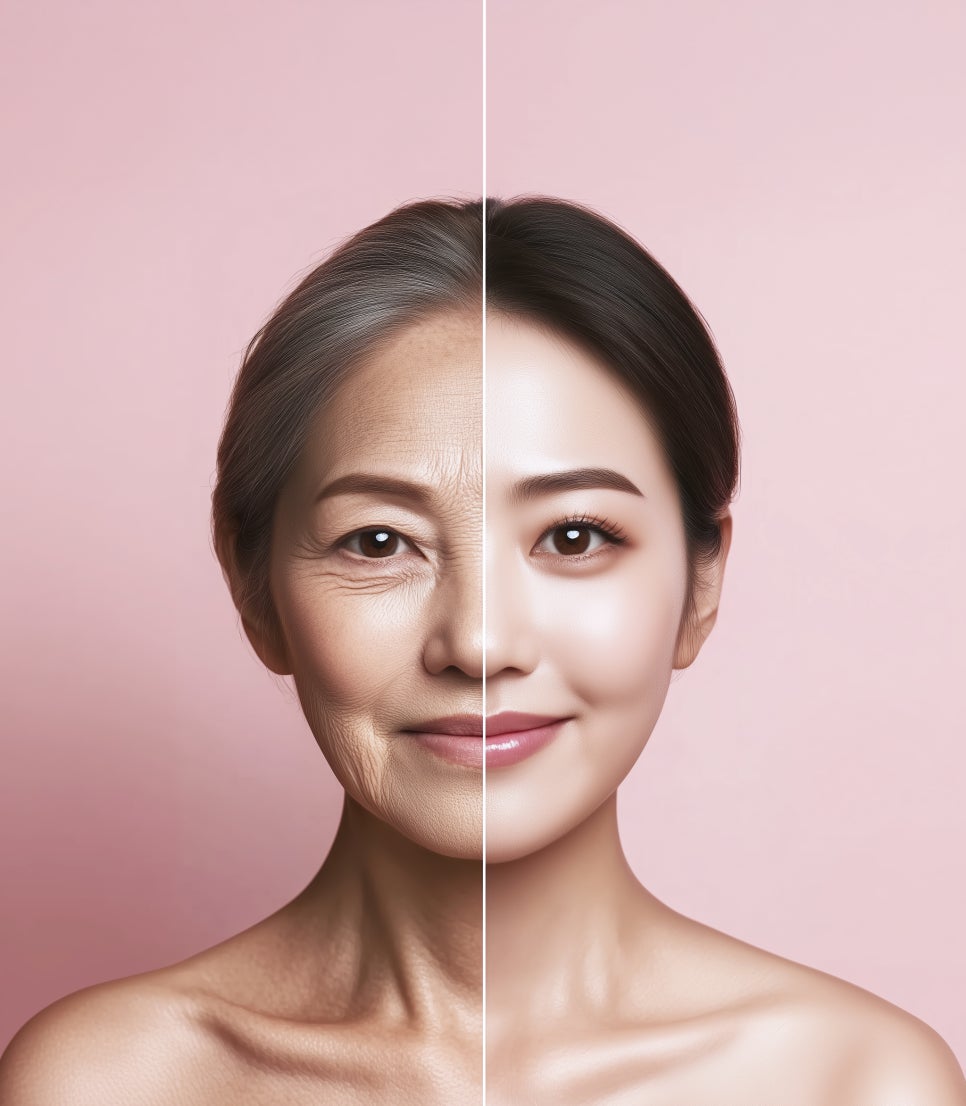
Natural beauty comes from performing procedures according to each individual’s current condition.
Thread lifting is not simply a procedure that “pulls.” It is a treatment that must be performed by understanding each patient’s anatomical structure and considering the thickness of the skin, the location of the fat layer, and even facial expression habits.
A procedure applied in the same way as if it were mass-produced in a factory can instead cause side effects.
The face is a delicate structure where even a 1 mm difference can change the impression.
If you want to naturally regain your own face and your own beauty, please be sure to have a thorough consultation with an experienced board-certified plastic surgeon.
Thank you.
| This post has been written for informational purposes in compliance with Article 56, Paragraphs 1 through 15 of the Medical Service Act. All treatments carry a risk of side effects and complications depending on the individual. Before treatment, please be sure to make your decision only after having a thorough consultation with experienced medical staff. |