Your jawline may look blurry, your nasolabial folds may seem deeper, and overall your face may look older than before, which can be worrying.
Once you start noticing these changes, there is a word you naturally end up searching for: facelift.
When the signs of aging become visible, it is very natural to become interested in anti-aging procedures or surgery.
However, there is one important point that must be noted here. Just because facial sagging is noticeable does not mean everyone has reached the stage where a lift surgery is needed right away.
In most cases, it is a pre-surgical stage, and satisfaction can vary depending on which procedure is chosen at this time.
Recently, more people have been thinking first about a lifting method that matches their current facial condition rather than choosing surgery without consideration.
That said, lifting may look simple on the surface, but in reality it requires thorough pre-procedure consultation and the precise judgment of a board-certified plastic surgeon with extensive clinical experience.
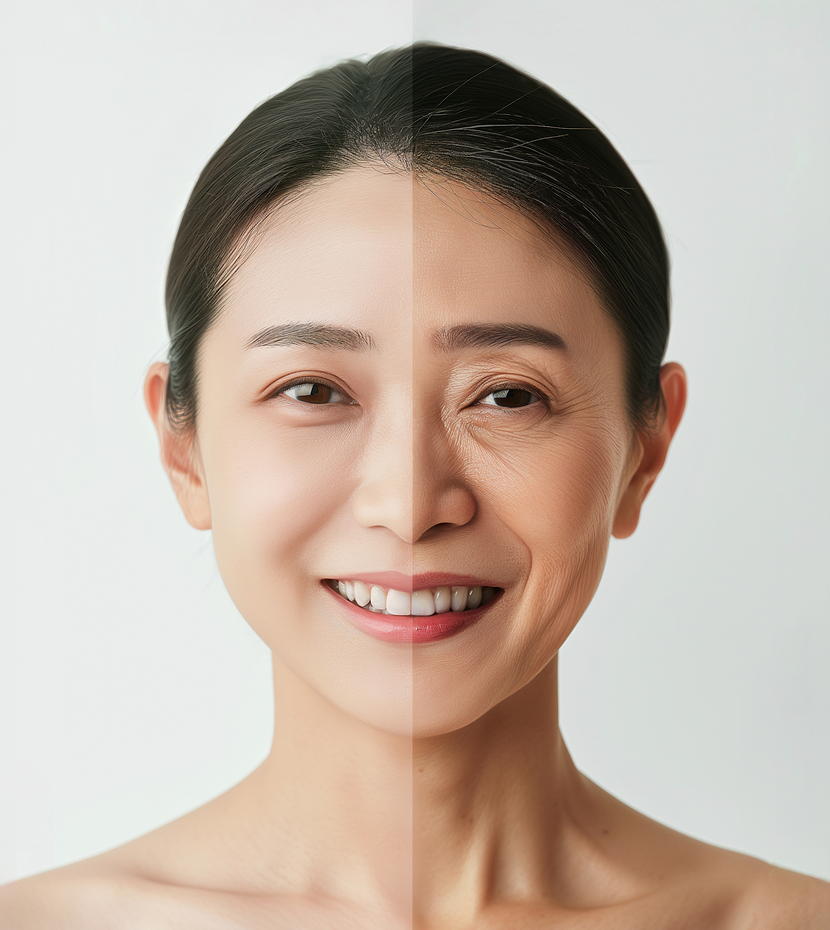
Faces that need a facelift vs. faces that are still too early for surgery
Aging does not happen overnight. At first, skin elasticity gradually decreases.
Then, as the retaining ligaments that support facial tissue loosen, the jawline begins to collapse and the nasolabial folds deepen, leading to overall contour changes.
But even when these changes begin, surgery is not necessarily required.
If your jawline no longer looks as defined as it used to, your nasolabial folds are becoming more pronounced, the corners of your mouth look slightly downturned, or your entire face has taken on a heavier impression, in many cases this corresponds to a “pre-surgical stage.”
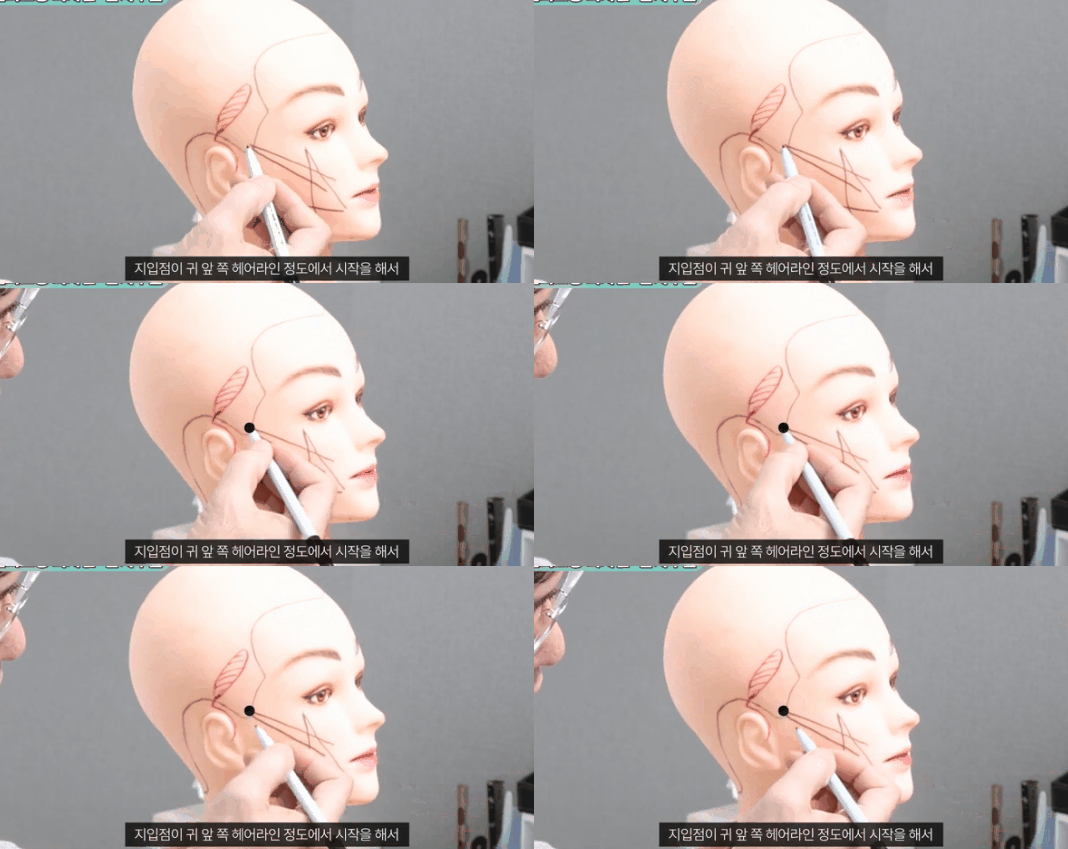
At this stage, thread lifting alone can be enough to improve your overall impression and bring about a highly satisfying change.
Surgery is certainly a method that can deliver powerful improvement.
However, it involves the burden of general anesthesia, requires a recovery period, and there are factors to consider before returning to daily life.
Above all, because it is a treatment that cannot be reversed once performed, the decision must be made even more carefully.
In contrast, thread lifting can be designed to fit the current condition of the face, and it offers the advantage of allowing a step-by-step plan that can adapt as the face changes over time.
In other words, if it is still too early for surgery, it can be an option that offers less burden and a more natural improvement.
Why thread lifting is not simply a “thread procedure”
Some people think thread lifting is just a procedure that inserts a few threads, but it is a much more precise process.
It is not simply a matter of deciding the type or number of threads; the procedure should be performed according to factors such as skin type, degree of sagging, age group, and expected duration of effect.
It can be seen as an anti-aging procedure carried out on the basis of a deep understanding of facial structure.
Thread lifting planned in this individualized way can help make the jawline look more defined, soften deeper-looking nasolabial folds, and create the expectation that the face appears smaller overall.
At the same time, it can also bring about a fresher, more youthful overall impression.

When something looks simple, what matters more is “who performs it”
Because thread lifting does not require incisions and recovery is relatively quick, some people make the decision lightly.
However, one thing you must remember is that thread lifting is by no means a simple procedure.
The face contains a complex distribution of many nerves and blood vessels, and each layer has its own structure.
If the procedure is performed without understanding this anatomical structure, it may result in asymmetry, an overly pulled appearance, unevenness on the skin surface, or a shorter-lasting effect than expected.
=
Therefore, when considering thread lifting, the first criterion to look at is not price but the experience and skill of the medical team.
A board-certified plastic surgeon with extensive clinical experience will comprehensively analyze the patient’s stage of aging, skin thickness, fat distribution, and facial shape before creating a customized lifting plan.
It is also important to have a thorough pre-procedure consultation and receive an honest explanation of whether thread lifting is appropriate for the current facial condition or whether a surgical method may be needed later.
Only when such judgment is in place can safe and satisfying results be expected.
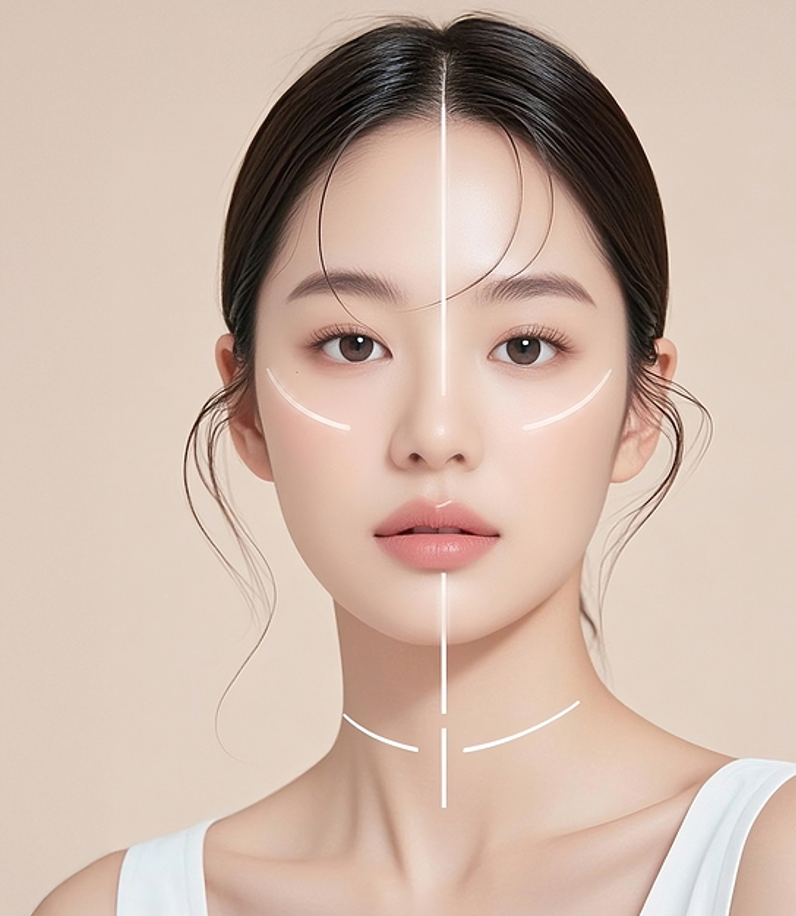
A facelift is certainly an effective anti-aging method. However, what matters is not choosing the strongest treatment, but finding the method that is most suitable for your face right now.
Compared with surgery, thread lifting is less burdensome and, when performed at the right time, may help slow the progression of facial aging. Furthermore, it can be a meaningful choice in that it may help delay the timing of future surgery.
If you have been searching for a lift surgery now, I recommend getting enough consultation before making a decision.
There may be a method that is more natural than expected, less burdensome than expected, and more satisfying than expected.
However, I hope you will make a careful decision about the procedure after consulting with a board-certified plastic surgeon who has thorough consultation and extensive experience.
Thank you.
| This post was written for informational purposes in compliance with Article 56, Paragraphs 1 to 15 of the Medical Service Act. All treatments carry the risk of side effects and complications depending on the individual. Before treatment, be sure to make your decision after sufficient consultation with experienced medical staff. |