As we get older, skin elasticity decreases, and due to gravity, the cheeks sag downward, making nasolabial folds and lines around the mouth deeper. Many people find themselves looking in the mirror, noticing that their facial contours have changed from before, and after hearing more often that they look tired, they finally start looking into lifting procedures.
What people often come across in the process is a thread lift. Interest in it continues to grow because it does not require an incision, recovery is quick, and natural-looking results can be expected. But when you actually start looking for information, every plastic surgery clinic explains it differently, the types of threads used vary, and the price differences are large. In many cases, people end up even more confused about what criteria they should use to make a decision.
Even though it is called the same procedure, the results of a thread lift can vary greatly depending on how it is planned and performed. More information does not necessarily lead to the right choice. In this post, I’ll explain the key points that anyone considering a thread lift should be sure to understand. I will go over why a personalized procedure is important, what criteria to use when choosing a good plastic surgery clinic, and what is needed to help prevent side effects such as cheekbone prominence or dimples.
Why personalized treatment is important
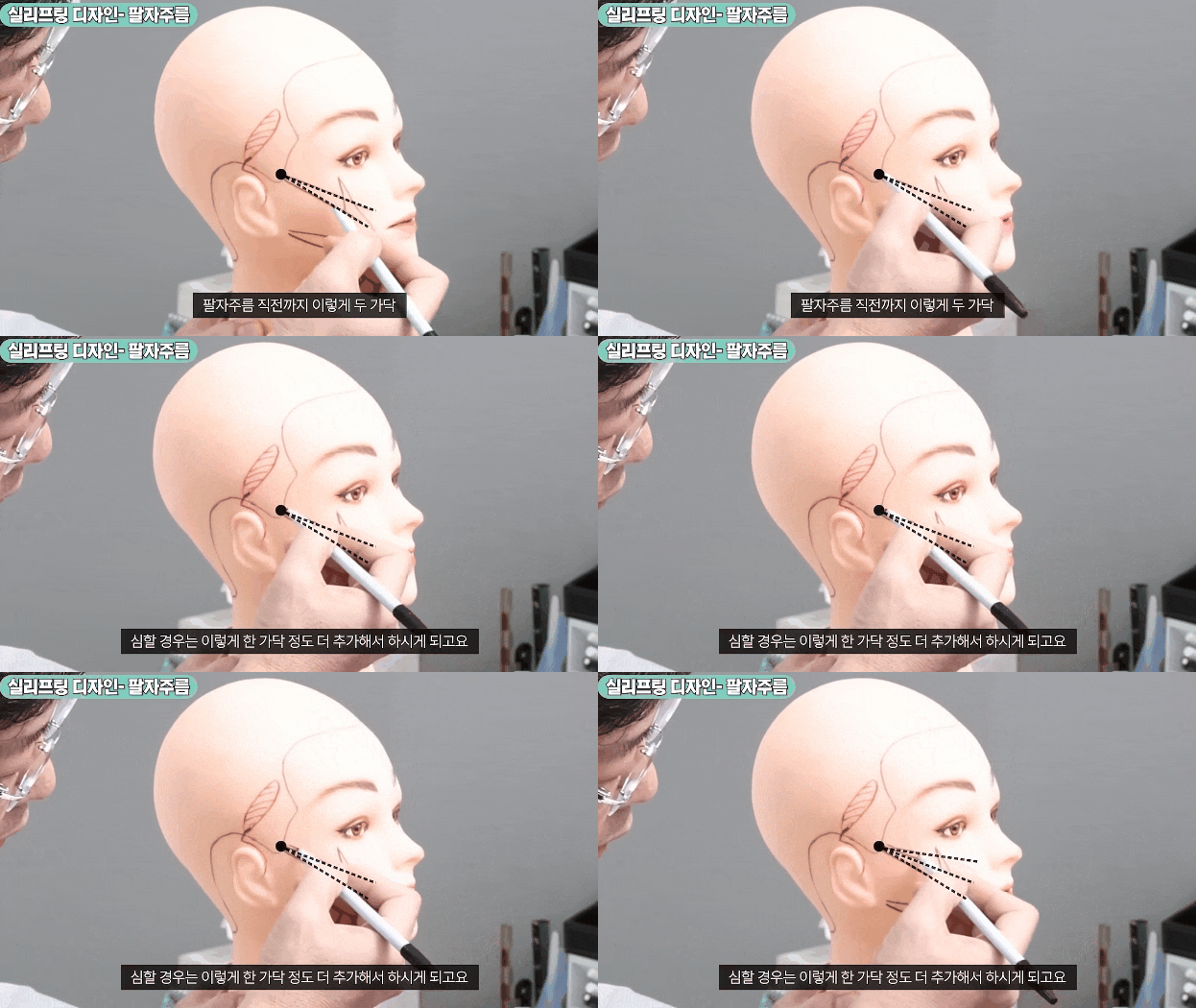
A thread lift is a procedure that lifts sagging, wrinkled skin by inserting medical PDO threads into the skin layer. The principle is the same, but the results can differ from person to person. This is because each individual has a different facial structure, amount of fat, skin thickness and elasticity, as well as different directions and depths of sagging.
If the procedure is performed in a standardized way, the tissue may not lift in the desired direction, or only certain areas may be pulled too tightly, creating imbalance. That is why it is important to thoroughly analyze each person’s skin structure before the procedure and proceed with a plan based on that analysis.
① Facial anatomical analysis comes first
The shape of the bone structure, the thickness of the fat layer, and the direction of muscle movement must be identified in advance in order to plan the direction and insertion depth of the threads. Rather than simply looking at the degree of sagging, there needs to be a three-dimensional analysis of the structure.
② The type and number of threads also differ by person
Depending on the material and thickness of the threads, such as PDO, PLLA, and PCL, the lifting strength and duration can vary. Based on the condition of the skin and the degree of sagging, the clinic should make a customized decision on which threads to use, how many to use, and how strongly to lift in order to help improve results.
③ The plan should also include pre- and post-procedure care
With a thread lift, tissue rearrangement begins immediately after the procedure. Because the final result depends on how recovery is managed, the procedure plan should also include guidance for recovery care.
A personalized design is not just a matter of precision. Even if the same product and the same number of threads are used, the way they are placed can make the difference between natural-looking and unnatural-looking results. How deeply the medical team understands facial structure is what ultimately makes the difference in results.
Points to pay attention to when choosing a plastic surgery clinic
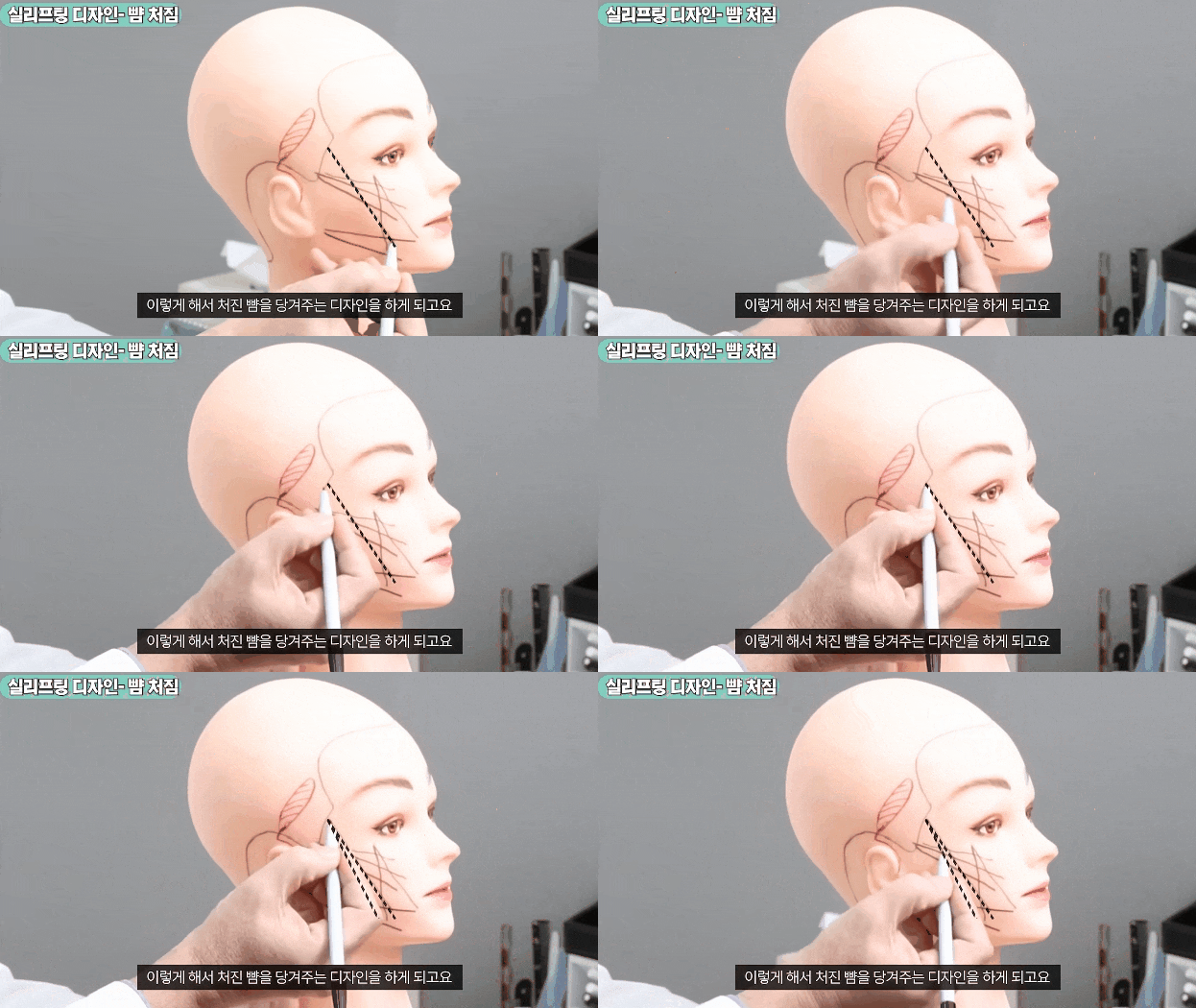
Finding a place that is good at thread lifts is not as easy as it sounds. In an environment filled with price comparisons, event promotions, and review marketing, you need criteria for judging true skill and trustworthiness.
① Is the consultation conducted for enough time?
If the procedure direction is decided within 10 to 15 minutes, personalized treatment is unlikely to take place. Please check whether the clinic has a consultation structure that analyzes facial structure and provides sufficient guidance on expected results and precautions.
② Does the medical staff explain the procedure plan directly?
If the consultation is handled by a coordinator and the doctor only performs the procedure, there is no way to confirm whether the personal analysis was done properly before treatment. The surgeon should personally examine the facial structure and explain the direction of the procedure.
③ Are side effect cases and response methods explained transparently?
All procedures carry a risk of side effects. A place that honestly explains this and describes how it responds if they occur has higher credibility. Consultations that emphasize only the advantages should be approached with caution.
④ Is there a follow-up observation system after the procedure?
A thread lift is not over on the day of the procedure. Please check whether there is a post-care system that tracks the process of tissue stabilization afterward.
⑤ Is the price excessively low?
An unusually low price may be a sign that costs are being cut somewhere, such as in the level of the procedure, the materials used, or the time the surgeon spends performing it. Be cautious if additional procedures are being recommended unnecessarily.
What is important to prevent cheekbone prominence, dimple formation, and similar issues
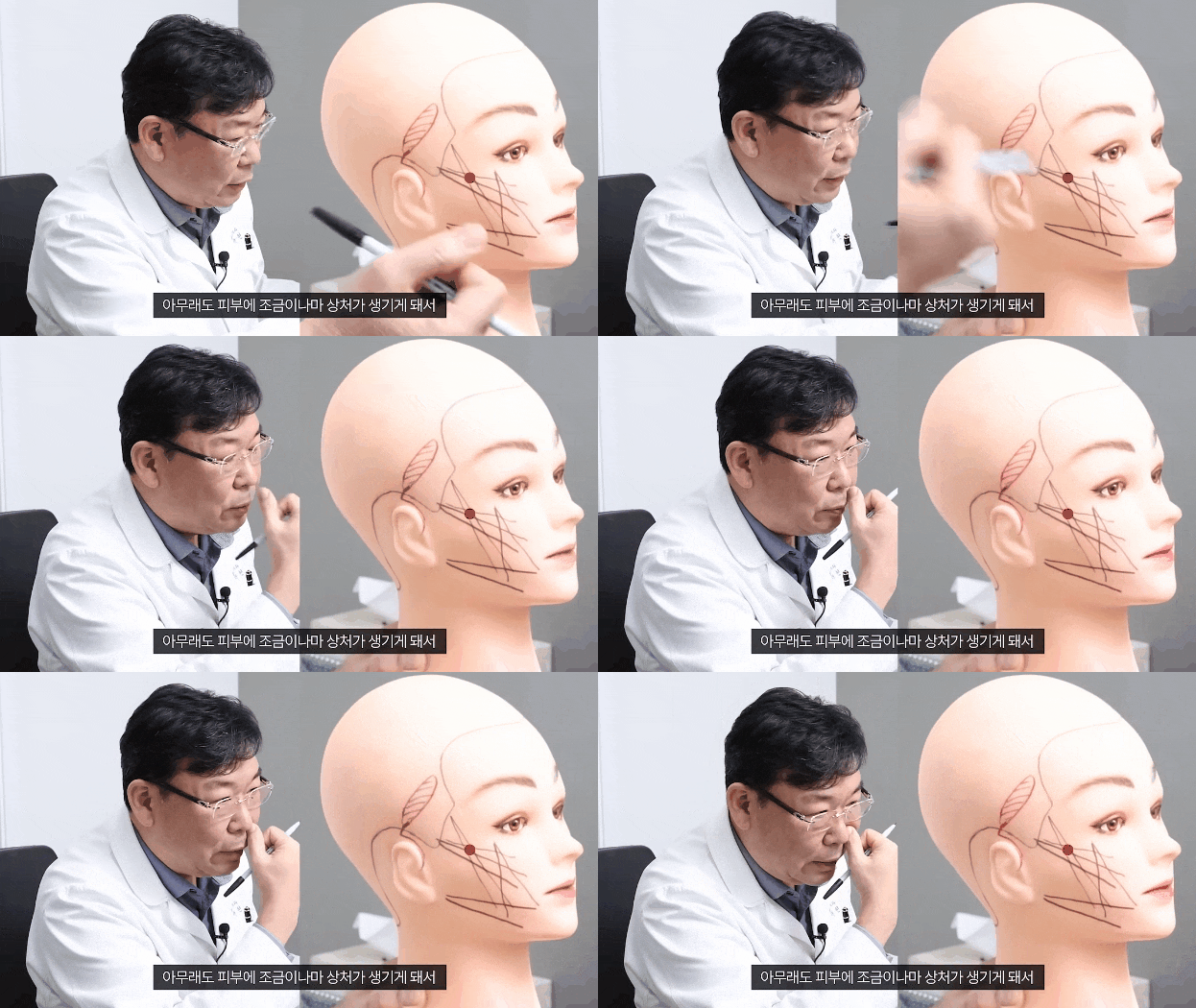
Representative side effects that can appear after a thread lift include cheekbone prominence, dimpling (skin indentation), asymmetry, thread protrusion, and uneven skin texture.
① Cheekbone prominence
If the direction of thread insertion points toward the cheekbone, or if the tension of the threads becomes concentrated in the cheekbone area, that area may appear more pronounced.
The cheeks can lift naturally without emphasizing the cheekbones only when the direction and strength of sagging are precisely matched. The process of three-dimensionally analyzing the distribution of facial fat and the angle of sagging before the procedure determines this aspect.
② Dimple formation
If the threads are placed too superficially in the skin layer, or if the insertion depth is inconsistent, dimples where the skin surface sinks inward can appear. They must be inserted into the proper layer.
Also, strong external pressure such as massage immediately after the procedure should be avoided because it can shift the position of the threads.
③ Asymmetry and unevenness — balanced design and procedural skill are necessary
The left and right sides of the face differ subtly in muscle and fat distribution. If the same number and placement of threads are inserted on both sides, asymmetry may actually become more pronounced. A balanced design that separately analyzes and carefully adjusts the structure on each side is needed.
In this way, a thread lift may look like a simple procedure on the surface, but it is actually one of the more difficult procedures. Therefore, before the procedure, it is best to receive sufficient consultation from an experienced medical team and learn about a detailed procedure plan that is suited to you.
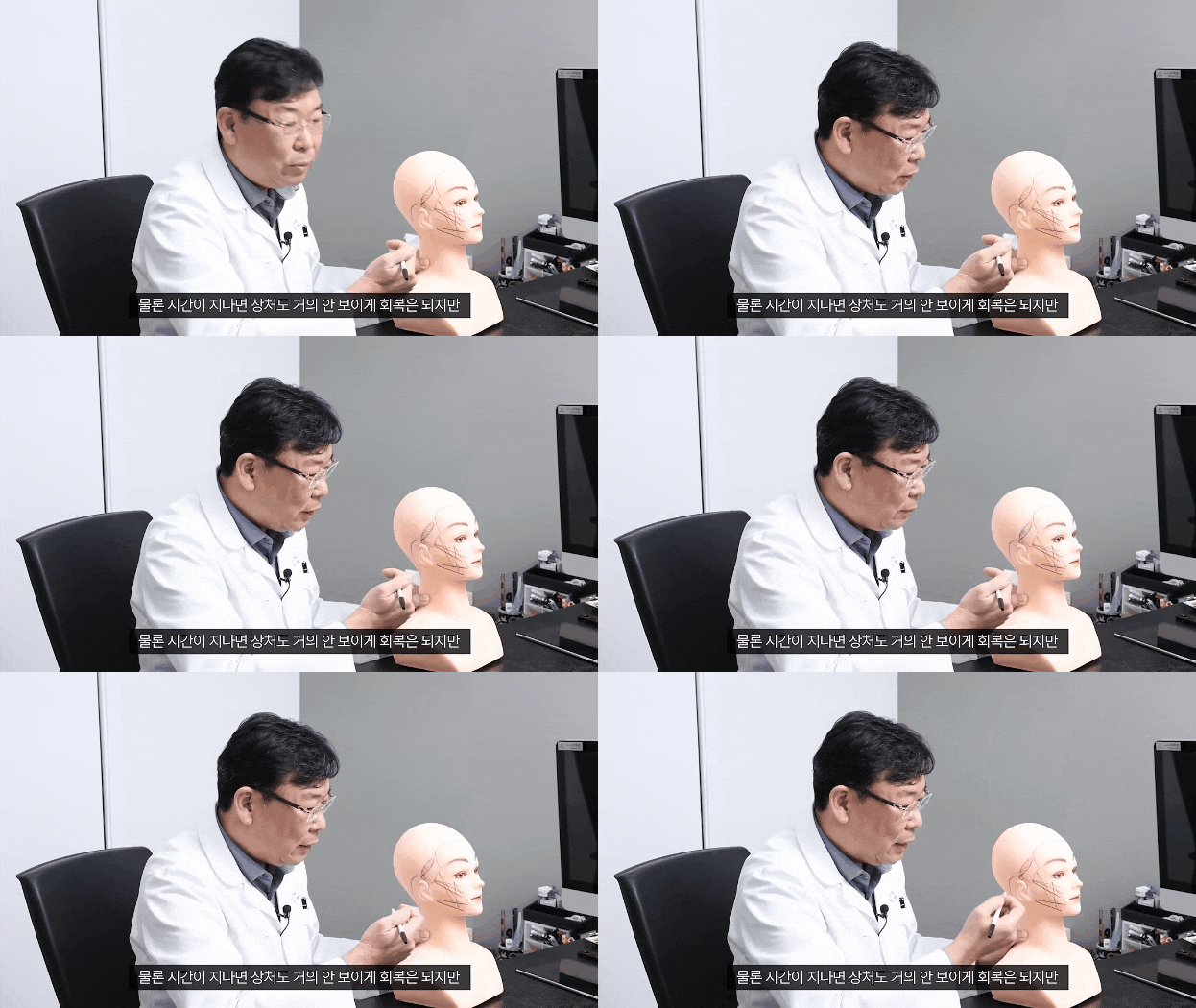
A thread lift is not a procedure to decide on lightly. Nor is it something that will produce the same results everywhere. Only when a deep understanding of facial structure, a precise procedure tailored to the individual, and systematic pre- and post-procedure care are all provided together can you expect natural and long-lasting results.
If you are planning a thread lift, rather than a standardized protocol, please look for a place that analyzes each person’s facial structure in three dimensions and where the medical team can directly handle everything from planning and performing the procedure to follow-up observation afterward.
Thank you.
| This post was written for informational purposes in compliance with Article 56, Paragraphs 1–15 of the Medical Service Act. All treatments carry a risk of side effects and complications depending on the individual. Before treatment, please be sure to have a thorough consultation with a medical professional with extensive experience before making your decision. |