When facial sagging and wrinkles begin to become noticeable, many people first consider thread lifting as a relatively less burdensome option. Because the procedure time is not long and the recovery period is relatively short, some approach it with a light 마음, but one easily overlooked point in this process is how important personalized treatment is.
Thread lifting should be preceded by a detailed analysis of the face’s structure and condition. Even among people in the same age group, skin thickness, elasticity, fat distribution, and the direction in which sagging has progressed all appear differently. In some people, sagging is centered in the cheeks; in others, changes may be more noticeable along the jawline or around the mouth. If the procedure is performed in the same way without considering these differences, there is a possibility that an awkward appearance, left-right asymmetry, or imbalance may appear instead of the natural change that was expected.
In addition, the face is not a matter of one area alone; overall balance is important. If only one side is pulled too much, harmony with the other areas may be disrupted, which can instead lead to unnatural results. Therefore, thread lifting should not be judged only by the visible sagging, but should be planned by considering the overall facial proportions, movement, and skin condition together.
In this way, thread lifting may seem simple, but in reality it is a procedure that requires different approaches depending on each person’s condition. If it is performed without sufficient analysis and a customized plan, it can affect not only the completeness of the result but also satisfaction, so it needs to be approached more carefully.

How thread lifting improves facial sagging
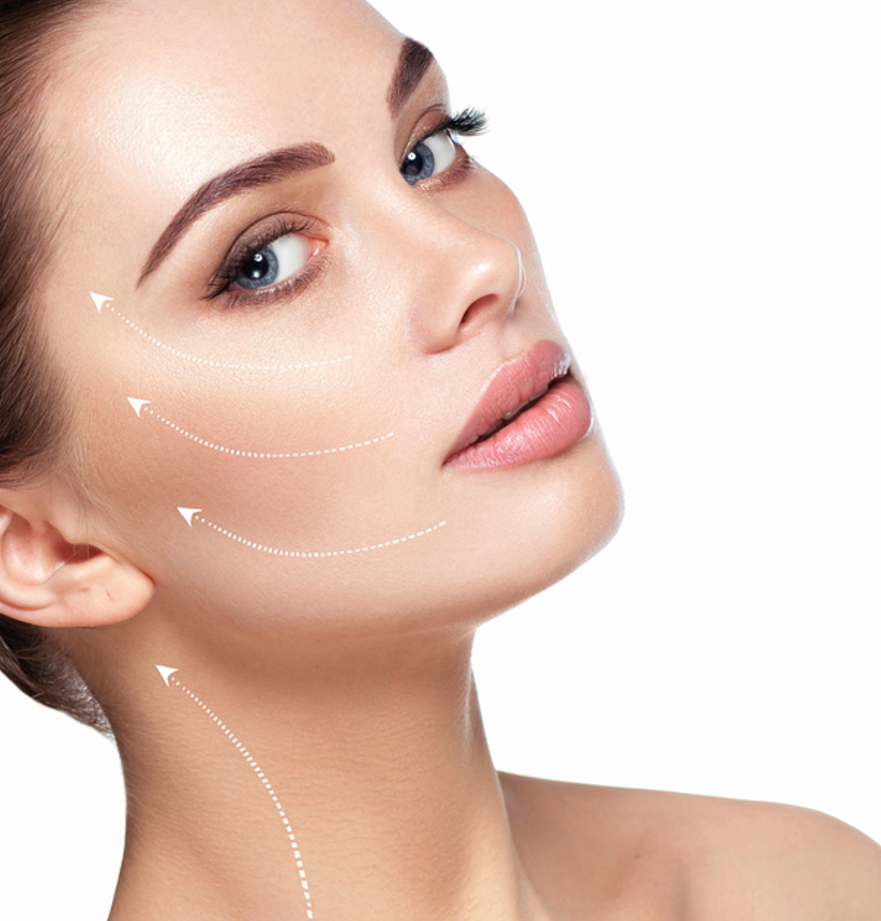
Thread lifting is a method in which medical threads are inserted into the layer beneath the skin to lift sagging tissue. Rather than simply pulling the skin surface, lifting is performed based on the layer that supports the structure beneath the skin, so a relatively natural improvement can be expected.
In addition, after the threads are inserted, collagen production is stimulated, which may also help improve skin elasticity. In this process, not only does physical pulling occur, but the skin condition itself also gradually changes over time.
However, the important point here is that the results can vary greatly depending on where and how the threads are placed. Facial sagging differs from person to person in direction and also varies by area, so if this is not taken into account, an unnatural appearance may result instead.
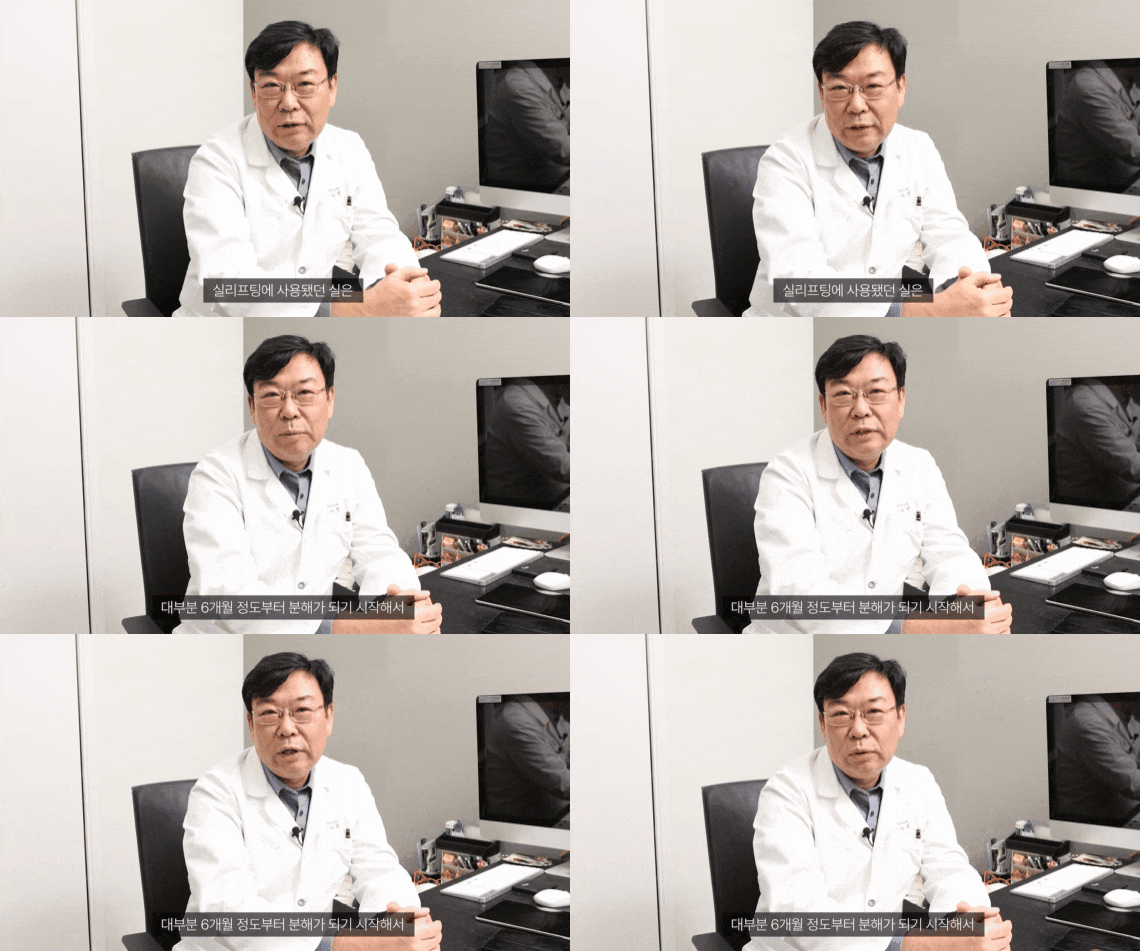
Why personalized treatment is important
If thread lifting is thought of simply, it can be understood as the concept of “inserting threads and pulling,” but in reality it is a procedure that requires far more complex judgment.
For example, when the skin is thin, excessive tension can make the surface look uneven. On the other hand, when the skin is thick and sagging is severe, stronger support may be needed to achieve a sufficient lifting effect.
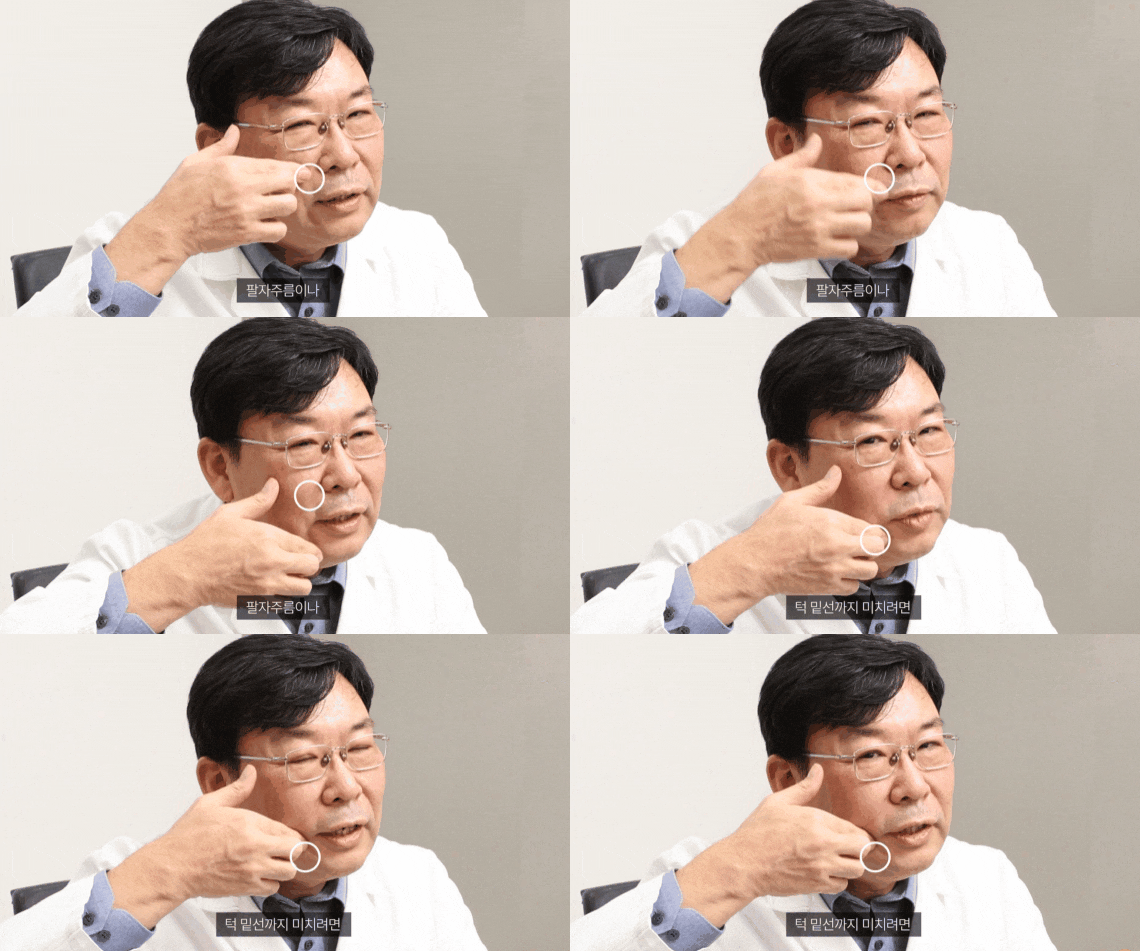
Also, because the degree and cause of sagging differ by area—such as the cheekbones, jawline, cheeks, and marionette lines—there are limits to using the same approach for every case.
For these reasons, thread lifting should have the following adjusted to match the individual’s condition:
✅ Type of thread
✅ Insertion location
✅ Pulling direction
✅ Number used
If this process is not carried out sufficiently, problems such as dimpling or a more prominent cheekbone appearance may occur. Conversely, when performed based on a precise plan, a natural and balanced change can be expected.
What to check before thread lifting
When considering thread lifting, it is important not only to look at the procedure itself, but also to examine the overall treatment process and environment.
First, it is necessary to check whether the pre-procedure consultation is sufficient. A key standard can be whether the face is analyzed from various angles and whether the direction and method suitable for the individual are explained in a systematic way.
Another important factor is whether the procedure is carried out based on an understanding of anatomical structures. Because various nerves and blood vessels are distributed throughout the face, a procedure that does not take them into account can increase unnecessary risk.
Along with this, guidance on post-procedure care is also important. It is helpful to receive enough explanation about points to be careful about in daily life and the changes that may appear during recovery.
In this way, thread lifting can be seen as a process in which the entire course—from diagnosis and planning to the procedure and aftercare—affects the outcome, rather than the procedure itself alone.
Thread lifting is known as a relatively simple anti-aging procedure to approach, but in reality it requires a process that precisely reflects each person’s facial structure and condition.
Even if facial sagging looks similar on the surface, the causes and patterns differ from person to person, so a customized approach that sufficiently considers this is needed to expect a more natural change.
Before deciding on a procedure, rather than judging based on fragmentary information or outward appearance alone, it is important to find the direction that suits your condition through sufficient consultation and an objective diagnosis.
Based on this process, if you approach it carefully, we hope it can lead to more satisfactory results while reducing unnecessary burden.
| This post was written for informational purposes in compliance with Article 56, Paragraphs 1 through 15 of the Medical Service Act. All treatments carry a risk of side effects and complications depending on the individual. Before treatment, be sure to make your decision only after sufficient consultation with medical staff who have extensive experience. |